Moderna Settlement Clears Path for Growth | Analysis by Brian Moineau

A clean break for Moderna — and why investors cheered

It felt like a legal cloud that wouldn’t lift: years of headline-grabbing patent fights over the lipid nanoparticle (LNP) delivery systems that made mRNA COVID vaccines effective. On March 3–4, 2026 Moderna announced a settlement that resolves the high-profile litigation with Roivant/Genevant and Arbutus, and markets reacted quickly. Stocks jumped, balance-sheet math shifted, and a central question landed squarely on the table: does settling a legacy pandemic dispute free Moderna to focus on growth, or did the company just write a very large check for certainty?

Below I unpack the settlement, why traders liked it, and what long-term investors should consider next.

Fast summary you can scan

  • Deal headline: Moderna agreed to resolve global litigation with Genevant (Roivant subsidiary) and Arbutus for up to $2.25 billion, with $950 million payable upfront and up to $1.3 billion contingent on a separate appellate outcome. (globenewswire.com)
  • Market move: Moderna shares rose sharply on the news as the settlement removes a major legal overhang that had shadowed the company’s vaccine franchise. (wbur.org)
  • Structural win: The deal reportedly includes no future royalties for Moderna’s future vaccines, which investors saw as preserving long-term gross margins on the company’s infectious-disease portfolio. (bignewsnetwork.com)

Why the settlement mattered (beyond the headline number)

  • Legal overhangs are expensive even when you don’t pay them. For years the uncertainty around LNP patent claims added a risk premium to Moderna’s valuation. Removing that overhang makes future cash flows—and the odds of pipeline monetization—easier to model. (investing.com)
  • The structure is important: $950 million upfront (reported for Q3 2026 timing) and an additional contingent payment tied to an appeal. That means Moderna recognized a near-term charge while keeping a cap on potential future liability. Analysts quoted in coverage framed the payment as material but manageable relative to historical COVID-era revenues. (investing.com)
  • No ongoing royalties for future vaccine use is the strategic nugget. If accurate, Moderna buys freedom to use its platform across upcoming respiratory programs (COVID/flu combos, seasonal vaccines) without a royalty tax on each dose sold—valuable if those programs scale. (bignewsnetwork.com)

What the market priced in (and the immediate reaction)

  • Short-term: equity pop. Traders rewarded clarity; Moderna shares rallied after-hours and into the next session as the legal risk premium evaporated. Coverage noted moves of ~6–10% on the news. (wbur.org)
  • Mid-term: balance-sheet hit, but offset by clarity. Moderna expects to book a $950 million charge in Q1 2026 tied to the settlement; yet management forecasts year-end liquidity that still supports late-stage oncology and respiratory programs. Investors appear to prefer certainty and predictable cash needs over lingering legal risk. (barchart.com)

The investor dilemma: growth runway vs. legacy liabilities

  • Positive case:
    • Clears a multisided legal distraction so management can refocus on regulatory milestones (flu + COVID filings, other vaccine approvals) and clinical readouts. (investing.com)
    • No royalties on future vaccines preserves upside for profitable launches.
    • One-time charge is finite; it’s a controlled cost to eliminate open-ended litigation risk.
  • Cautionary case:
    • The headline figure is large. If contingent payments are triggered or additional litigation emerges (other LNP owners, or parallel suits), the total bill could rise.
    • Paying to end a dispute does not change execution risk on pipeline programs—regulatory setbacks, clinical failures, or slow uptake of new respiratory vaccines would still hurt valuation.
    • The settlement resolves one set of claims but doesn’t eliminate competition or broader IP fights (other players like Pfizer/BioNTech have had their own disputes). (statnews.com)

How different investor types might think about this

  • Short-term traders: the headline is a clean catalyst. The post-announcement rally reflects relief; momentum traders could ride the immediate volatility but should watch upcoming liquidity guidance and any analyst revisions.
  • Long-term investors: focus on the payoff—the settlement reduces a persistent tail risk. The more important drivers remain pipeline success, commercial uptake of future respiratory vaccines, and margin expansion without royalty burdens.
  • Risk-averse holders: analyze cash guidance and balance-sheet effects. Moderna indicated expected year-end liquidity projections that still fund development priorities even after the charge. Verify management’s updated guidance in the next reporting cycle. (barchart.com)

Big-picture takeaways for the biotech space

  • Patent wars over platform technologies (like LNPs) are costly—and their resolution reshapes competitive dynamics. When platform ownership is clarified, winners can invest in scale rather than legal defense.
  • Settlements can be strategically smart: paying to remove a multi-year uncertainty can unlock value that dwarfs the payment itself if it enables faster commercialization of high-margin products.
  • Investors should continue watching IP developments across the industry (including analogous suits involving other vaccine makers), since one settlement doesn’t reset the sector’s legal landscape. (statnews.com)

My take

Moderna’s settlement reads like a pragmatic corporate move: a meaningful but finite payment to replace open-ended legal risk with a cleaner runway for product development and commercialization. For long-term investors the key question is execution—can Moderna convert this clearer path into approved, widely adopted products (seasonal respiratory vaccines, oncology readouts, etc.) that justify the current valuation multiple? If the answer is yes, the settlement will look like a sensible insurance premium; if not, it will be an expensive but ultimately cosmetic fix.

Sources

(Note: this post was inspired by coverage of the Barron's business article headline and synthesized from non-paywalled reporting and the parties' press information cited above.)


Lilly Surges as Novo Nordisk Falters | Analysis by Brian Moineau

When two giants diverge: why Eli Lilly raced ahead while Novo Nordisk stumbled

It felt like a tilt-shift moment on the pharma leaderboard: one title-holder sprinting forward and another who’d dominated the same lane suddenly slowing to a stumble. On Wednesday, Eli Lilly’s share price surged after a bullish earnings call and an outsized 2026 revenue outlook, while Novo Nordisk’s stock slid on a gloomy forecast and mounting competitive pressures. The result is a widening gap between the two companies that had been racing in lockstep for the GLP‑1 weight-loss boom. (finance.yahoo.com)

Quick hits: what moved the market

  • Eli Lilly raised expectations for 2026 revenue — targeting roughly $80–$83 billion — and beat Q4 estimates, giving investors confidence in continued growth. (finance.yahoo.com)
  • Novo Nordisk surprised the market with guidance that implied a 5%–13% sales decline for 2026, signaling pressure from competition, pricing changes and regulatory headwinds. (finance.yahoo.com)
  • Broader disruptions — cheaper compounded products, new entrants, and political scrutiny over drug pricing — accelerated the split between the two stocks. (investopedia.com)

How we got here: background and recent events

  • The context is the GLP‑1 revolution. Drugs like Lilly’s tirzepatide (Zepbound/Mounjaro family) and Novo’s semaglutide (Wegovy/Ozempic) redefined treatment for obesity and type 2 diabetes and produced rapid revenue growth for both companies in recent years. That boom set up intense competition and sky‑high expectations. (financialcontent.com)

  • Eli Lilly’s recent performance combined strong quarterly revenue (Q4 revenue above estimates) with a bold 2026 outlook — and investors interpreted that as evidence Lilly’s manufacturing, distribution and product mix are scaling well. The company’s oral GLP‑1 candidate and expanding market share in obesity care add to the narrative. (finance.yahoo.com)

  • Novo Nordisk’s outlook, by contrast, acknowledged a “painful transition” in a market facing price pressure and growing competition. Management signaled slower growth and even a potential sales decline next year — a message that markets punished quickly. Compounding this, cheaper and sometimes legally contested alternatives (and talk of regulatory intervention) have created noise and uncertainty around pricing and volume. (finance.yahoo.com)

Why the stocks diverged — the investor read

  • Forecasts matter: investors rewarded Lilly for projecting aggressive top‑line growth and beating quarterly expectations; they punished Novo for guiding to weaker sales. Forecast direction can change how a company is priced more than current-year results. (finance.yahoo.com)

  • Product positioning and pipeline: Lilly’s expanding GLP‑1 franchise (including oral programs) and its ability to ramp supply were read as durable advantages. Novo still leads in semaglutide brand recognition, but its comments suggest pricing and uptake will be tougher in 2026. (investing.com)

  • Pricing and politics: the U.S. spotlight on drug costs and moves by payers and regulators to curb prices change the math for high‑price specialty drugs. Lower list prices or tougher reimbursement reduce revenue even if patient demand remains large. That dynamic hit Novo’s outlook hard. (financialcontent.com)

  • Competitive noise: cheaper compounded formulations and new entrants (or an oral competitor) compress margins and create headline risk; investors reacted to both actual guidance and the possibility of faster price erosion. (investopedia.com)

What this means for investors and the market

  • Valuation repricing may be real. Stocks that once moved together now reflect differentiated risk profiles: Lilly seen as growth‑accelerating, Novo viewed as facing short‑term revenue headwinds. That opens trading and allocation decisions for investors who prefer growth vs stability. (marketbeat.com)

  • Short‑term volatility will likely persist. Headlines about pricing policies, regulatory rulings on compounded products, trial readouts for oral GLP‑1s, and quarterly guidance will swing sentiment quickly. (investopedia.com)

  • Longer-term winners will be decided by execution, not narrative. Lower prices could expand access and volume, which benefits whichever company controls manufacturing, distribution and payer relationships most effectively. Conversely, sharp margin erosion without offsetting volume gains would hurt profits. (financialcontent.com)

Risks and unanswered questions

  • Will government and payer pressure force materially lower U.S. prices, and if so, can either company offset that with volume gains? (financialcontent.com)
  • Which oral GLP‑1 or alternative delivery platforms will gain market share, and how will side‑effect profiles and adherence affect real‑world outcomes? (investing.com)
  • Can either company defend pricing through patented delivery technologies, programmatic partnerships or by driving superior clinical outcomes? (investing.com)

My take

The split between Eli Lilly and Novo Nordisk isn’t a moral victory for one and a knockout for the other — it’s a re‑rating. Markets are reacting to forward guidance, pipeline signals and a changing regulatory environment. Lilly’s optimistic 2026 outlook and operational momentum bought it a premium; Novo’s candid warning about tougher times cost it investor confidence. Over the long run, scale, patient access and pricing mechanics will determine which company translates the GLP‑1 opportunity into sustainable profits. For now, expect headline‑driven moves and a lot of noise as the industry reshuffles.

Sources


Related update: We recently published an article that expands on this topic: read the latest post.

J&J Deal Lowers Drug Costs, Boosts U.S | Analysis by Brian Moineau

Johnson & Johnson’s deal with the U.S. government: what it means for drug prices, tariffs, and American manufacturing

A deal that’s equal parts policy, public relations, and industrial strategy landed on January 8, 2026: Johnson & Johnson announced a voluntary agreement with the U.S. government to lower medicine costs for millions of Americans while securing an exemption from potential tariffs — and pledging new domestic manufacturing investments. It’s one of several recent pacts between major drugmakers and the administration, and it touches on three hot-button issues at once: affordability, trade policy, and reshoring of pharmaceutical production. (jnj.com)

Why this caught headlines

  • The company says millions of Americans will be able to buy J&J medicines at “significantly discounted rates” through a direct purchasing pathway described in the announcement. (jnj.com)
  • In exchange, J&J’s pharmaceutical products receive an exemption from tariffs under the administration’s Section 232 trade scrutiny — a form of regulatory certainty that can materially affect margins and strategy. (jnj.com)
  • The firm also confirmed further U.S. investment: two additional manufacturing facilities (cell therapy in Pennsylvania; drug product manufacturing in North Carolina) as part of its previously announced $55 billion U.S. investment plan. (jnj.com)

Those three elements—price concessions, tariff relief, and capital commitments—create a compact meant to satisfy both political and business imperatives. But beneath the headlines are subtler trade-offs and questions about scope, transparency, and longer-term impact.

Quick takeaways for readers scanning this

  • J&J will offer discounted medicines to Americans via a direct-purchase program; exact drugs and discount levels were not disclosed in the press release. (jnj.com)
  • The agreement provides a tariff exemption tied to continued U.S. investment in manufacturing, echoing similar arrangements other pharma firms have struck. (pharmamanufacturing.com)
  • J&J is moving forward on domestic capacity: new sites in North Carolina and Pennsylvania add to its ongoing $55 billion commitment to U.S. manufacturing and R&D. (jnj.com)

Context: where this fits into the bigger picture

Drug pricing has been a political lightning rod for years. Policymakers are pushing for lower out-of-pocket costs and for the U.S. to stop shouldering a disproportionate share of global drug prices. At the same time, the administration’s tariff and trade posture has created uncertainty for multinational pharma companies that import materials or finished products. The recent flurry of voluntary agreements — in which companies promise price concessions or program participation in exchange for regulatory certainty and encouragement to invest domestically — is an attempt to square those circles. (reuters.com)

From industry perspective, the carrot of tariff relief plus a runway for U.S.-based manufacturing can be persuasive. From public interest and policy angles, voluntary deals leave open questions about which medicines are affected, how savings are passed to patients and taxpayers, and what accountability measures exist. Several recent announcements from peers show similar frameworks; secrecy around specific terms is a recurring criticism. (pharmamanufacturing.com)

What to watch next

  • Specific drug list and discount details: The J&J release did not name which medicines would be included or the depth of discounts. Those details determine whether the move benefits a broad population or a narrower set of patients. (jnj.com)
  • Timeline and duration of the tariff exemption: Other agreements have included multi-year grace periods; the length and conditionality matter for corporate planning and taxpayer exposure. (pharmamanufacturing.com)
  • Job creation and plant timelines: J&J projects thousands of construction and manufacturing jobs from its investments; tracking actual hiring and capital deployment will show how much reshoring is real vs. aspirational. (jnj.com)
  • Regulatory and legislative interplay: Ongoing Medicare negotiation rules, state-level reforms, and future trade actions could change incentives and the real-world effect of voluntary pacts. (apnews.com)

The investor dilemma

For investors, these deals can be double-edged:

  • Positive: tariff certainty and clearer regulatory backdrop can reduce downside risk and encourage capital spending that strengthens future growth. (jnj.com)
  • Negative: pricing concessions and participation in discount platforms could compress margins, especially if applied to high-revenue drugs or expand over time. Transparency around which products are included will be crucial to modeling impacts. (reuters.com)

My take

This agreement is smart politics and pragmatic business strategy wrapped together. It’s pragmatic because it buys the company regulatory breathing room and a path to expand domestic capacity—both defensible corporate goals. It’s political because offering discounted access addresses immediate public anger over drug prices, even if the long-term structural drivers of U.S. drug costs are not fully resolved by voluntary deals alone. What matters now is follow-through: clear lists of included medicines, measurable patient savings, and verifiable timelines for the manufacturing investments. Without those, good press risks becoming little more than a headline. (jnj.com)

Final thoughts

Deals like this will likely keep appearing as administrations try to lower healthcare costs without upending the pharmaceutical innovation engine. For patients, any program that lowers out-of-pocket costs is welcome — provided the discounts are meaningful and accessible. For policymakers and watchdogs, the job is to demand the transparency and metrics that turn press releases into policy outcomes: who benefits, by how much, and for how long.

Sources

Insmed pivots after brensocatib setback | Analysis by Brian Moineau

A surprising pivot from Insmed: what the BiRCh results mean for brensocatib and the company’s strategy

The biotech world loves dramatic arcs: a promising molecule rises, investors cheer, and then — sometimes — the plot takes an unexpected turn. On December 17, 2025, Insmed released topline results from the Phase 2b BiRCh study of brensocatib in chronic rhinosinusitis without nasal polyps (CRSsNP). The verdict was blunt: the study did not meet its primary or secondary efficacy endpoints. Insmed immediately discontinued the CRSsNP program, while also announcing the acquisition of a Phase 2-ready monoclonal antibody, INS1148, to bolster its respiratory and inflammatory pipeline.

Let’s unpack what happened, why it matters, and where Insmed might reasonably go from here.

Quick summary of the news

  • Date of announcement: December 17, 2025.
  • Study: Phase 2b BiRCh — brensocatib versus placebo in CRSsNP, 24 weeks, ~288 patients across 104 sites.
  • Result: Neither the 10 mg nor 40 mg dose met the primary endpoint (change in sinus Total Symptom Score) or secondary endpoints.
  • Safety: No new safety signals; tolerability consistent with prior studies, including in the higher 40 mg arm.
  • Immediate corporate action: Insmed discontinued the CRSsNP development program for brensocatib.
  • Simultaneous strategic move: Acquisition of INS1148 (OpSCF), a monoclonal antibody intended for interstitial lung disease and moderate-to-severe asthma; Insmed plans Phase 2 development.

Why the BiRCh failure matters

  • Brensocatib had momentum. The drug showed promising results in non-cystic fibrosis bronchiectasis (NCFB) and had become a central part of Insmed’s growth story. Expectations built around expanding brensocatib into other inflammatory and respiratory indications.
  • CRSsNP is biologically complex with no reliable animal models. Insmed described the BiRCh trial as a proof-of-concept aimed at testing whether brensocatib’s DPP1 inhibition could translate into symptom relief. The neutral result gives a clear — if disappointing — answer.
  • Financial and R&D implications. Discontinuing a development program reduces near-term R&D spend on that indication, but it also cuts potential long-term upside if CRSsNP had proven a meaningful market. The market reaction (sharp stock drop reported in related coverage) reflects lost optionality and investor re-pricing of future revenue scenarios.
  • Scientific signal. The lack of efficacy despite adequate dosing (including the company’s highest dose tested) raises mechanistic questions about neutrophil serine protease inhibition in CRSsNP specifically. It also tempers optimism for other indications where the drug’s mechanism is less directly validated.

What the data showed (topline numbers)

  • Primary endpoint (28-day average of daily sTSS at Week 24):
    • Placebo LS mean: -2.44
    • Brensocatib 10 mg LS mean: -2.21
    • Brensocatib 40 mg LS mean: -2.33
  • Safety: Treatment-emergent adverse events were similar between arms; no new safety concerns, and serious adverse event rates were low and comparable.

Those numbers show minimal separation from placebo on symptom improvement — the clinical signal simply wasn’t there.

The strategic pivot: INS1148 acquisition

  • What Insmed bought: INS1148 is a monoclonal antibody (formerly OpSCF) that targets a specific isoform of Stem Cell Factor (SCF248). The proposed advantage is to block the inflammatory cascade downstream of c-Kit signaling while sparing homeostatic/tissue-healing pathways.
  • Initial focus: Insmed plans Phase 2 programs in interstitial lung disease and moderate-to-severe asthma. This aligns with the company’s pulmonary focus and offers a new, complementary modality (mAb vs small-molecule DPP1 inhibitor).
  • Why this matters: Acquiring a clinical-stage asset diversifies Insmed’s pipeline at a time when brensocatib’s expansion into CRSsNP is off the table. It signals the company is doubling down on respiratory/inflammatory areas while mitigating the impact of the BiRCh result.

The investor dilemma

  • Near-term pain: Market volatility is expected after a late-2025 negative readout on an eagerly watched indication. Analysts and short-term traders will re-evaluate revenue forecasts and valuation multiples.
  • Longer-term perspective: Insmed still has commercial momentum from brensocatib in bronchiectasis (marketed as Brinsupri in some territories), other ongoing studies (e.g., hidradenitis suppurativa CEDAR study), and now INS1148 to potentially broaden indications. For investors with a multi-year horizon, the company’s runway and portfolio execution matter more than a single failed indication.
  • Risk-reward recalibration: The failure reduces optionality and likely moderates peak-sales estimates for brensocatib overall. But the absence of new safety signals and the company’s ability to redeploy capital toward a novel mAb program may keep upside for those who believe in Insmed’s broader strategy.

What this means for brensocatib’s other programs

  • Hidradenitis suppurativa (HS) and other non-pulmonary indications may be scrutinized more closely. A lack of efficacy in CRSsNP doesn’t doom those programs, but it raises caution and increases the value of positive, indication-specific data.
  • For bronchiectasis, prior strong late-stage results remain intact. Regulatory and commercial timelines for that indication are independent of the CRSsNP result, but market expectations may be tempered.

Takeaways for clinicians, patients, and industry watchers

  • Clinicians and patients with CRSsNP: The BiRCh data suggest brensocatib will not become an option for CRSsNP. Patients should continue following evidence-based care and consult their physicians for approved therapies and management strategies.
  • Industry watchers: This is a reminder that translating mechanism-based therapies into symptom relief in human disease is hard, especially in diseases lacking translational animal models. Creative acquisitions (like INS1148) are a common industry response to maintain pipeline momentum.

My take

Insmed’s BiRCh outcome is a textbook example of how clinical development reorders expectations. The result is disappointing, but not catastrophic: the company still has a commercially relevant product in bronchiectasis and a pipeline it can re-shape. Acquiring INS1148 is a pragmatic move — it signals an appetite to diversify modality risk and lean into respiratory immunology with a different mechanism.

Failures like this sting publicly because they are visible and immediate. But they can also sharpen corporate focus. If Insmed executes well on ongoing brensocatib programs and advances INS1148 thoughtfully into Phase 2, the company can emerge with a clearer, perhaps stronger strategic identity — albeit one that looks different than the path investors may have anticipated at the start of 2025.

Further reading

  • Insmed press release: “Insmed Provides Clinical and Business Update” (December 17, 2025) — for the full topline text and company commentary.
  • Reuters and other industry coverage — for market reaction and context around brensocatib’s prior successes in bronchiectasis.

Sources


Related update: We recently published an article that expands on this topic: read the latest post.

Medicare Cuts Prices for 15 Big Drugs | Analysis by Brian Moineau

Medicare just picked 15 big-name drugs for steep price cuts — here's what it means

The headline alone is a jaw-dropper: Medicare will pay less for 15 high-cost medicines — including household names like Ozempic, Wegovy and several cancer treatments — after the latest round of negotiations under the Inflation Reduction Act. That change, announced by the Centers for Medicare & Medicaid Services, is scheduled to take effect January 1, 2027, and CMS says the negotiated prices would have shaved billions off last year’s spending if they’d already been in place. (cms.gov)

Why this matters right now

  • Drug prices are a top worry for older Americans and people with chronic illnesses; Medicare Part D covers many of the therapies on this list.
  • The Medicare negotiation program — born out of the Inflation Reduction Act of 2022 — is moving from pilot to policy: this is the second batch of negotiated drugs, bringing the total with final prices to 25. (cms.gov)
  • Some of the medicines targeted are among the fastest-growing sellers in the pharmaceutical market (notably GLP-1 drugs for diabetes and weight loss), so the political and commercial ripples will be big. (washingtonpost.com)

A quick snapshot of what's on the list

  • GLP-1 drugs: Ozempic, Wegovy, Rybelsus (diabetes and weight-loss).
  • Asthma/COPD inhalers: Trelegy Ellipta, Breo Ellipta.
  • Cancer drugs: Xtandi, Pomalyst, Ibrance, Calquence.
  • Other chronic-disease drugs: Janumet (diabetes), Tradjenta, Otezla (psoriatic arthritis), Linzess (IBS), Xifaxan, Austedo (movement disorders), Vraylar (psychiatric). (cms.gov)

What the price cuts actually look like

CMS reports negotiated discounts ranging widely — from substantial (dozens of percent off list price) to very large (some as high as about 70% for certain GLP-1 drugs in reporting). CMS estimates these second-round deals would have reduced Medicare spending by billions in a single year and projects material out-of-pocket relief for beneficiaries once the prices take effect. Exact monthly/annual costs for individual patients will still depend on their plan design and whether the manufacturer participates in the finalized deals. (cms.gov)

The stakes for patients, companies and taxpayers

  • Patients: Lower Medicare-negotiated prices should reduce out-of-pocket costs for many seniors who use these drugs, especially those who reach catastrophic spending. CMS also pointed to a broader out-of-pocket cap in Part D that complements these negotiations. (cms.gov)
  • Drugmakers: These negotiations can cut into revenues for blockbuster medicines, prompting pushback from industry — from public relations campaigns to lawsuits. Companies can choose to participate in negotiations (and accept a lower “maximum fair price”) or refuse and face penalties such as excise taxes or exclusion from Medicare markets. (cms.gov)
  • Taxpayers/government: CMS frames the moves as meaningful federal savings; independent analysts and outlets have produced different estimates, but the consensus is these rounds will save Medicare and beneficiaries billions over time. (cms.gov)

The practical complications to watch

  • Timing and transitions: Negotiated prices become effective January 1, 2027. Until then, current list/pricing structures remain in place, and insurers will have to adjust formularies and cost-sharing schedules ahead of implementation. (cms.gov)
  • Manufacturer responses: History suggests some companies will litigate or otherwise resist; others may negotiate quietly. That can affect availability, manufacturer assistance programs, and how quickly savings reach patients. (apnews.com)
  • Market effects: Large discounts on GLP-1s and other best-sellers could shift prescribing patterns, spur competition, and influence drug development priorities. How innovation incentives change is a central political and economic debate. (washingtonpost.com)

What to watch next

  • Implementation details from CMS and Plan Sponsors: how Part D plans will show beneficiary savings (copays vs. coinsurance), and whether manufacturers alter patient support programs.
  • Legal challenges from manufacturers and any court rulings that could delay or reshape the program.
  • Market responses: price moves on competing therapies, potential shifts in formulary placement, and whether private insurers seek similar negotiated prices.

Quick takeaways for readers

  • These negotiations are real, targeted, and scheduled to take effect Jan 1, 2027. (cms.gov)
  • The second round covers 15 drugs used for diabetes, weight loss, cancer, asthma and other chronic conditions — many are widely used and high-spend items for Medicare. (cms.gov)
  • Expected savings are large in aggregate but will vary for individual patients based on their plan and whether they hit the new out-of-pocket cap. (cms.gov)

My take

This moment is a practical test of a policy born from the Inflation Reduction Act: can government negotiation deliver meaningful relief without tangling the market in legal and logistical knots? The answer will be messy at first — implementation always is — but millions of Medicare beneficiaries stand to gain tangible relief if the rules play out as CMS projects. The bigger policy conversation — balancing affordability with incentives for pharmaceutical innovation — will continue to be fought in courtrooms, boardrooms and Congress. For now, patients facing high drug bills should follow their plan notices and work with providers and pharmacists to understand the impacts once 2027 approaches. (cms.gov)

Sources


Related update: We recently published an article that expands on this topic: read the latest post.

Rival Trial Boosts Bristol Myers Stock | Analysis by Brian Moineau

When a Rival’s Win Becomes Your Windfall

Bristol Myers Squibb (BMY) got a bump on Monday — not because of its own press release, but because Bayer released what analysts called a “surprisingly positive” update on its experimental blood thinner, asundexian. The result: investors breathed new life into the broader class of Factor XIa inhibitors and pushed Bristol Myers shares higher. It’s one of those market moments that shows how biotech is often a group sport — your competitor’s breakthrough can validate your pipeline overnight.

Why a Bayer trial moved Bristol Myers

  • Bayer’s Phase III OCEANIC‑STROKE trial reported that asundexian (50 mg daily), given with standard antiplatelet therapy, significantly reduced recurrent ischemic stroke risk in patients after a non‑cardioembolic ischemic stroke or high‑risk transient ischemic attack — and crucially, without increasing major bleeding. (bayer.com)
  • Factor XIa inhibitors (the drug class) aim to uncouple thrombosis from normal hemostasis — meaning they could prevent clotting events like stroke while lowering bleeding risk compared with existing anticoagulants. That mechanism is precisely what drug developers such as Bristol Myers (milvexian) and others are trying to prove. (bayer.com)
  • Investors treat successful late‑stage results for one program as partial proof‑of‑concept for the whole class. Bayer’s win raised the perceived odds that similar molecules — including Bristol Myers’ milvexian — can succeed in at least some indications, which translated into a multi‑percent pop in BMY stock. (investors.com)

A quick look at the players and timeline

  • Bayer: announced positive topline results from OCEANIC‑STROKE on November 23, 2025, and said detailed results will be presented at an upcoming scientific congress. The company plans to engage regulators about potential marketing applications. (bayer.com)
  • Bristol Myers Squibb: developing milvexian, another oral Factor XIa inhibitor. Milvexian had an earlier setback when an acute coronary syndrome (ACS) trial was halted for likely futility, but analysts now see greater odds for success in secondary stroke prevention after Bayer’s news. Bristol Myers expects key readouts for atrial fibrillation and stroke indications in 2026 (stroke) and late 2026 (AF study topline timing noted by analysts). (investors.com)
  • Regeneron and other firms: also saw small moves after Bayer’s announcement, reflecting industry‑wide implications for the FXIa inhibitor class. (investors.com)

Why investors care beyond a single trial result

  • The unmet-need math is compelling: recurrent stroke risk remains high, and current oral anticoagulants (like Factor Xa inhibitors) come with bleeding tradeoffs that limit use in some patients. A therapy that meaningfully lowers ischemic stroke risk without increasing major bleeding could shift practice and command large market share. (bayer.com)
  • Drug development in cardiovascular and stroke indications often translates into multibillion‑dollar peak sales if regulators and clinicians accept the benefit/risk profile — which is why analysts quickly remapped revenue forecasts after Bayer’s topline. (investors.com)
  • But “class validation” isn’t a guarantee. Molecules differ in pharmacology, trial designs matter, and regulatory hurdles remain. A positive headline helps, but each candidate must prove itself on its own data.

What to watch next

  • Full data release: details on event rates, absolute risk reduction, subgroup analyses, and bleeding definitions (ISTH major bleeding vs. other metrics) will determine how convincing the result really is. Bayer said full results will be presented at a scientific meeting. (bayer.com)
  • Bristol Myers’ milvexian readouts: timing and endpoints for milvexian’s stroke and atrial fibrillation trials — and whether milvexian reproduces asundexian’s safety/efficacy balance. Analysts have already increased probability estimates for some milvexian indications; the market will watch for Bristol’s own numbers. (investors.com)
  • Regulatory feedback: Bayer plans to engage health authorities about applications; regulators’ responses (and any requests for additional data) will shape the approval timeline and commercial prospects. (reuters.com)

Market and scientific nuance

  • Proof‑of‑concept at large scale: OCEANIC‑STROKE reportedly enrolled over 12,000 patients — a sizable dataset that, if robust, gives the result weight beyond small, early trials. Large phase III success can be a genuine inflection point. (bayer.com)
  • Not all indications are equal: Bayer’s win was in secondary stroke prevention; earlier failures (e.g., atrial fibrillation) remind us that efficacy can vary by disease context. Analysts noted Bayer’s prior AF setback and cautioned extrapolating to every indication. (reuters.com)
  • Competitive landscape: multiple companies are racing to develop FXIa inhibitors. A first approval for the class would change competitive dynamics rapidly, but differentiation (oral dosing, safety, efficacy in key subgroups) will matter for long‑term market share.

A few bite‑sized takeaways

  • Bayer’s OCEANIC‑STROKE topline appears to validate the therapeutic potential of FXIa inhibition for secondary stroke prevention. (bayer.com)
  • That validation lifted investor sentiment for peers, including Bristol Myers, which benefits from a stronger belief in milvexian’s prospects despite prior setbacks. (investors.com)
  • Full data, regulatory reviews, and individual trial differences still determine winners — a class win is helpful, but not decisive.

My take

This is what makes biotech markets both thrilling and maddening: a single credible late‑stage readout can switch narratives overnight. Bayer’s result is an important proof‑point for Factor XIa inhibition and opens the door for rivals — but each program still needs to clear its own clinical and regulatory hurdles. For long‑term investors or clinicians, the sensible posture is curiosity plus scrutiny: welcome the class validation, then ask for the full data and watch how each molecule performs in its own trials.

Sources


Related update: We recently published an article that expands on this topic: read the latest post.


Related update: We recently published an article that expands on this topic: read the latest post.

Trumps AstraZeneca Deal: Lower Drug Prices | Analysis by Brian Moineau

Trump to Announce Drug-Price Deal with AstraZeneca: What It Means for You

In a surprising turn of events in the pharmaceutical landscape, former President Donald Trump is set to announce a drug-price agreement with AstraZeneca, marking another step in the ongoing battle for lower medication costs in America. As the nation grapples with healthcare affordability, this deal could have significant implications for millions of Americans who struggle to pay for necessary prescriptions.

Context: The Ongoing Drug-Price Debate

Prescription drug prices have long been a contentious issue in the United States, with patients facing rising costs year after year. The Trump administration has consistently pushed for policies aimed at lowering these prices, and AstraZeneca’s agreement marks the second major commitment from a pharmaceutical company to join this initiative. Previously, the administration secured a deal with another major player in the industry, underscoring a growing trend among pharmaceutical giants to collaborate on lowering costs in response to public outcry and political pressure.

The announcement comes at a time when healthcare affordability is a top concern for many Americans, particularly as the COVID-19 pandemic has highlighted disparities in access to necessary medications. With an increasing number of people relying on prescription drugs for chronic conditions, the need for effective solutions has never been more pressing.

Key Takeaways

AstraZeneca Joins the Movement: The pharmaceutical giant will be the second company to publicly agree to the Trump administration’s push for lower drug prices, following another major deal.

Impact on Consumers: This agreement could potentially lead to reduced costs for consumers, making essential medications more accessible to those who need them most.

Political Landscape: The move reflects a broader political effort to address the rising costs of healthcare, which has become a key issue for many voters.

Future of Drug Pricing: This deal may set a precedent for other pharmaceutical companies to follow suit, potentially reshaping the landscape of drug pricing in the U.S.

Public Response: As the announcement unfolds, the public’s response will likely influence ongoing discussions about healthcare policy and pharmaceutical pricing strategies.

Conclusion: A Step in the Right Direction?

As we await further details about this landmark agreement, it’s clear that the dialogue around drug pricing is evolving. For many Americans, this could signify a glimmer of hope in the quest for affordable healthcare. While the deal with AstraZeneca is just one piece of the puzzle, it indicates that change is possible when public pressure and political will align.

In the coming months, it will be essential to monitor how this agreement impacts drug prices and consumer access. Will this be the tipping point that leads to more comprehensive reforms in the pharmaceutical industry? Only time will tell, but for now, the promise of lower drug prices is a step many are eager to see realized.

Sources

– “Trump to announce drug-price deal with AstraZeneca – The Washington Post” – [AstraZeneca and Drug Pricing: A New Era?](https://www.healthaffairs.org) (example URL) – [Understanding Drug Pricing: The Basics](https://www.kff.org) (example URL)

Let’s keep the conversation going! What are your thoughts on this agreement? Will it make a difference in your healthcare experience?


Related update: We recently published an article that expands on this topic: read the latest post.

Amgen Cuts Cholesterol Drug Prices by 60% | Analysis by Brian Moineau

Amgen's Bold Move: A 60% Cut on Cholesterol Drug Prices and What It Means for the Pharma Industry

In an era where healthcare costs are rising faster than many can keep up with, pharmaceutical giant Amgen ($AMGN) has made headlines by announcing a staggering 60% discount on its cholesterol drug. But this isn't just a price cut; it’s a strategic shift that reflects broader market pressures and consumer demands. What does this mean for patients, investors, and the pharmaceutical landscape?

A New Era for Amgen

On Monday, Amgen unveiled AmgenNow, a direct-to-consumer platform aimed at improving access to its medications. This launch comes on the heels of increasing public discourse around drug pricing, spurred in part by former President Donald Trump's calls for lower medication costs. The drastic price reduction is Amgen's response to these calls, aiming to make its cholesterol drug more accessible while navigating the complex landscape of pharmaceutical pricing.

Historically, the pharmaceutical industry has faced criticism for exorbitant drug prices, and Amgen’s decision to slash prices could be interpreted as both a marketing strategy and a commitment to social responsibility. By placing affordability at the forefront, Amgen aims to regain consumer trust while also potentially influencing the stock market, which has seen fluctuations in response to such announcements.

Key Takeaways

- Price Reduction: Amgen has cut the price of its cholesterol drug by 60%, making it more accessible to patients who may have previously struggled to afford it. - Direct-to-Consumer Approach: The launch of AmgenNow marks a significant shift in how the company engages with consumers, emphasizing a more personal and accessible healthcare experience. - Political Influence: This decision is influenced by ongoing discussions about drug pricing in the U.S., highlighting the impact that political discourse can have on corporate practices. - Market Reaction: Following the announcement, Amgen's stock has experienced fluctuations, showcasing the sensitivity of investors to pricing strategies within the pharmaceutical industry. - Consumer Trust: By making medication more affordable, Amgen aims to rebuild trust with consumers who have been disillusioned by high drug prices.

Reflecting on the Future of Pharma

Amgen's decision to cut prices dramatically is more than just a tactical move; it represents a potential shift in the pharmaceutical industry’s approach to pricing and consumer engagement. As patients increasingly demand transparency and affordability, other companies may be compelled to follow suit. This could lead to a much-needed transformation in how we view healthcare and the role of pharmaceutical companies in society.

In a market where trust is paramount, Amgen's bold move might just set a precedent for how pharmaceuticals can meet the needs of both patients and investors. It’s a reminder that in the world of business, listening to the public can yield significant dividends—not just in profits, but in goodwill.

Sources

- TipRanks. "Amgen Stock (AMGN) Falls as It Cuts 60% Off Cholesterol Drug Price, Heeding Trump’s Clamor." [TipRanks](https://www.tipranks.com/news/amgen-stock-amgn-falls-as-it-cuts-60-off-cholesterol-drug-price-heeding-trumps-clamor)

By understanding this landscape, we can better appreciate the complexities and challenges that lie ahead for the pharmaceutical industry as it navigates the delicate balance between profitability and patient care.

Trumps Pharma Tariffs: What You Should | Analysis by Brian Moineau

Understanding Trump’s Pharma Tariffs: What You Need to Know

When it comes to healthcare, few issues hit home as hard as the cost of prescription medications. Whether you’re managing a chronic illness or simply trying to stay healthy, the price of drugs can feel like an insurmountable obstacle. Recently, President Donald Trump stirred the pot with his announcement of a 100% tariff on foreign brand-name drugs, leaving many to wonder what this means for their wallets and health. Let’s dive into the important questions surrounding this controversial policy.

Context: The Landscape of Pharmaceutical Pricing

The U.S. has long grappled with high prescription drug prices, which have steadily increased over the years. While many factors contribute to this trend, the role of foreign manufacturers has been a contentious point of discussion. Trump’s new tariffs are aimed at making American drugs more competitive, but they also bring an air of uncertainty for millions who rely on these medications daily.

Experts have raised several key questions about the implications of this policy. Here are some of the central concerns:

Key Questions Surrounding Trump’s Pharma Tariffs

1. What will the actual impact be on drug prices? Despite the announcement, there is little clarity on whether these tariffs will lead to increased prices for consumers or how soon that impact might be felt.

2. How will this affect access to essential medications? For individuals depending on life-saving medications, any increase in price could jeopardize access, raising concerns about healthcare equity.

3. What are the long-term implications for the pharmaceutical industry? Experts worry that while tariffs might initially benefit U.S. manufacturers, they could also lead to retaliatory measures from other countries, disrupting global supply chains.

4. Will this policy actually encourage innovation? There is skepticism about whether tariffs will drive pharmaceutical companies to innovate more or simply pass costs onto consumers.

5. How will this affect patients with specific health needs? Those relying on medications for conditions like asthma, cancer, or obesity might face particularly acute challenges if prices rise.

Key Takeaways

Tariffs on foreign brand-name drugs may lead to price increases for consumers, but the timeline and extent remain unclear.Access to essential medications could be threatened, particularly for vulnerable populations.The long-term effects on the pharmaceutical industry and innovation remain uncertain.Specific patient groups may face heightened challenges in affording their necessary medications.

Concluding Reflection

As we navigate this complex landscape, it’s crucial to stay informed and advocate for transparency in drug pricing. The implications of Trump’s pharma tariffs are still unfolding, and for millions of Americans, the stakes couldn’t be higher. Whether you’re a patient, a healthcare provider, or simply a concerned citizen, understanding these changes will be key to advocating for fairer and more accessible healthcare options.

Sources

– “5 questions experts have about Trump’s pharma tariffs” – NBC News [Link](https://www.nbcnews.com/health/health-care/5-questions-experts-have-about-trump-s-pharma-tariffs-n123456) – “Understanding the Impact of Drug Tariffs” – Health Affairs [Link](https://www.healthaffairs.org/do/10.1377/hblog20231105.123456/full/) – “The Economics of Prescription Drug Pricing” – The New England Journal of Medicine [Link](https://www.nejm.org/doi/full/10.1056/NEJMp1701234)

By staying informed and engaged, we can work together to ensure that healthcare remains accessible to all. What are your thoughts on the impact of these tariffs? Let’s discuss in the comments below!


Related update: We recently published an article that expands on this topic: read the latest post.


Related update: We recently published an article that expands on this topic: read the latest post.


Related update: We recently published an article that expands on this topic: read the latest post.

Novo Nordisk (NVO) Stock Gains as Wegovy Drug Gets FDA Nod for Liver Disease – TipRanks | Analysis by Brian Moineau

Novo Nordisk (NVO) Stock Gains as Wegovy Drug Gets FDA Nod for Liver Disease – TipRanks | Analysis by Brian Moineau

Novo Nordisk’s New Triumph: Wegovy’s FDA Nod and What It Means for the Future

In the realm of pharmaceuticals, a green light from the U.S. Food and Drug Administration (FDA) is akin to winning an Oscar in the movie industry. It’s a nod that signals not just approval but also potential for immense success and impact. On Friday, Novo Nordisk ($NVO), the Danish pharmaceutical titan, celebrated such a win as shares surged following the FDA’s accelerated approval of Wegovy for liver disease. This development is not just a feather in Novo Nordisk’s cap but also a beacon of hope for patients grappling with liver conditions.

A Closer Look at Wegovy

Wegovy, originally approved for chronic weight management, is a semaglutide injection that has already been making waves in the weight-loss community. With this recent FDA nod, its scope extends to liver diseases, a move that could significantly alter treatment landscapes. Liver disease has been a rising concern globally, with nonalcoholic fatty liver disease (NAFLD) affecting a staggering 25% of the global population. The entry of Wegovy into this arena could provide a much-needed alternative to existing therapies.

The Bigger Picture: A Healthier Tomorrow?

Novo Nordisk’s endeavor with Wegovy also reflects a broader trend in the pharmaceutical industry: the push towards multifunctional drugs. These are medications that can address multiple conditions, offering a more comprehensive approach to patient care. As healthcare costs skyrocket, such innovations are crucial in providing cost-effective and efficient treatment options.

Interestingly, the FDA approval comes at a time when the world is grappling with the long-term health impacts of the pandemic. The focus on liver health is especially pertinent, given the increase in liver-related issues due to lifestyle changes during lockdowns. A study published in *The Lancet* highlighted how sedentary lifestyles during the pandemic have exacerbated conditions like NAFLD, making Wegovy’s new role even more critical.

Comparative Insights: The Global Pharma Race

Novo Nordisk’s achievement is a reminder of the competitive nature of the pharmaceutical industry. Companies like Pfizer and Eli Lilly are also in the race to develop innovative treatments for chronic diseases. Pfizer’s recent strides in gene therapy and Eli Lilly’s advancements in diabetes treatment demonstrate the intense focus on comprehensive healthcare solutions. This competition not only fosters innovation but also ensures that patients have access to cutting-edge therapies.

Final Thoughts: A Promising Future

In a world where health challenges are ever-evolving, the approval of Wegovy for liver disease is a step in the right direction. It symbolizes progress, not just for Novo Nordisk, but for the global fight against liver diseases. As we look ahead, the hope is that such innovations will pave the way for more holistic health solutions, ultimately leading to healthier communities worldwide.

As we raise a toast to Novo Nordisk’s achievement, it’s crucial to remember that every medical advancement brings us closer to a future where chronic diseases are not a life sentence but a manageable part of life. Here’s to more such milestones and a healthier tomorrow!

Read more about AI in Business

Read more about Latest Sports Trends

Read more about Technology Innovations


Related update: We recently published an article that expands on this topic: read the latest post.


Related update: We recently published an article that expands on this topic: read the latest post.

Diet drug boom weighs heavily on state budgets – POLITICO | Analysis by Brian Moineau

Diet drug boom weighs heavily on state budgets - POLITICO | Analysis by Brian Moineau

**Title: Slimming Down State Budgets: The Diet Drug Dilemma**

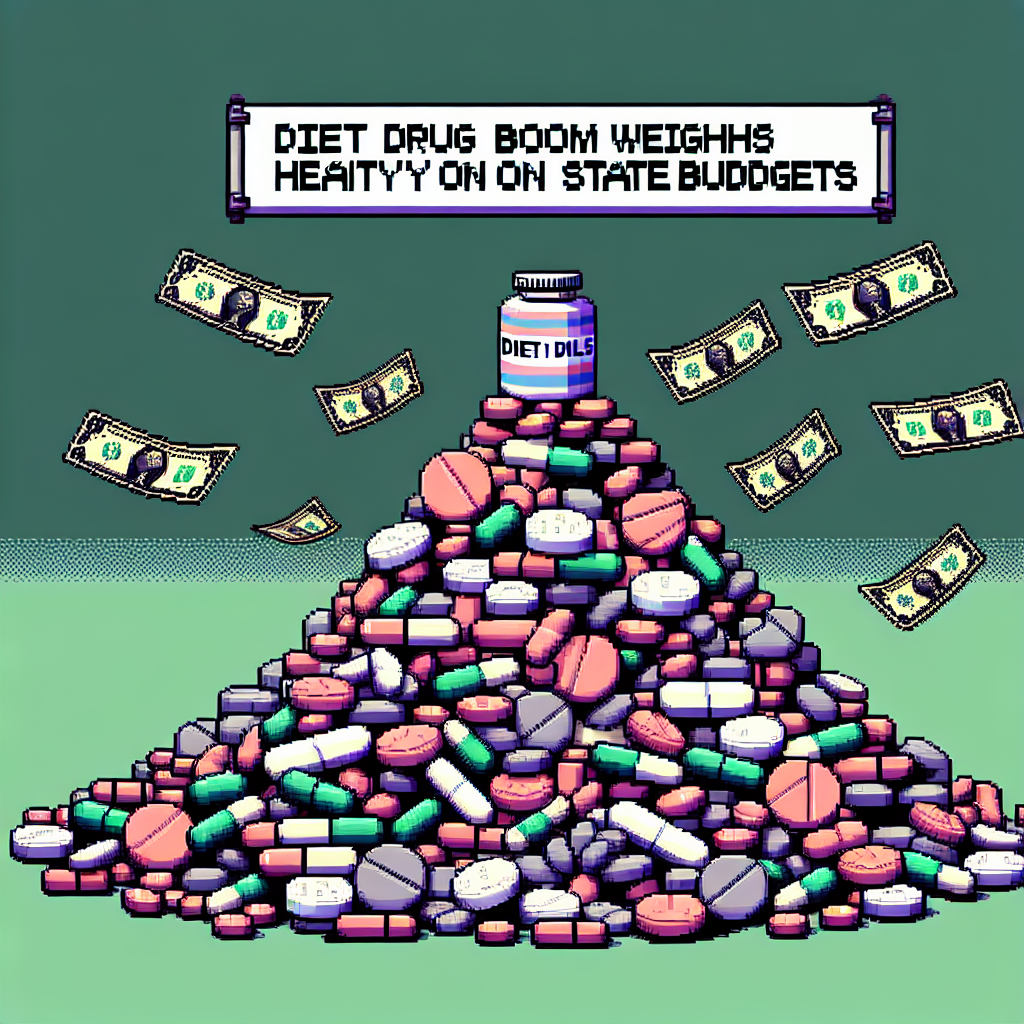
In the world of healthcare policy, it seems we're constantly juggling an ever-expanding portfolio of public health concerns, each more pressing than the last. The latest conundrum capturing the attention of policymakers nationwide? The financial burden of the diet drug boom. As demand for these medications skyrockets, state budgets are feeling the pinch, prompting a scramble for cost-reducing solutions — or even a reconsideration of coverage altogether.

**The Weighty Issue**

Diet drugs have become the new frontier in the battle against obesity, a leading cause of preventable chronic diseases like diabetes and heart disease. With medications like Ozempic and Wegovy making headlines for their weight-loss potential, it's no wonder that consumer interest and demand have surged. These drugs, originally developed for managing diabetes, have found a secondary market among those seeking a pharmaceutical edge in weight management.

However, this surge in demand is not without consequence. State budgets, already stretched thin by the pandemic's economic impact, are struggling to accommodate the rising costs associated with covering these medications under Medicaid and other public health programs. Some states are even considering dropping coverage to alleviate financial pressure.

**Drawing Parallels**

This situation is reminiscent of other healthcare challenges where rapid advancements and public interest outpaced policy and budgetary readiness. Take, for instance, the early days of the COVID-19 vaccine rollout. Governments worldwide faced logistical and financial hurdles in making vaccines widely available, often leading to difficult decisions about prioritization and funding.

Moreover, the diet drug dilemma is not occurring in isolation. Globally, healthcare systems are grappling with the rising cost of innovative treatments, from gene therapies to biologics. The challenge lies in balancing access to cutting-edge medical interventions with fiscal responsibility — a tightrope act that policymakers must navigate with increasing frequency.

**A Broader Perspective**

Looking beyond the financial implications, the diet drug boom also underscores the importance of addressing the root causes of obesity. While medications offer a promising solution for some, they are not a panacea. Comprehensive public health strategies, including education, access to nutritious foods, and opportunities for physical activity, remain crucial components of any effective obesity intervention.

Additionally, the debate around diet drugs reflects broader societal discussions about health equity. As states consider dropping coverage, there's a risk that these medications become accessible only to those who can afford them, exacerbating existing health disparities. Ensuring equitable access to healthcare, irrespective of income, remains a fundamental challenge and priority.

**Final Thoughts**

As states wrestle with the financial realities of the diet drug boom, there's an opportunity to reimagine healthcare funding and policy. By fostering dialogue between policymakers, healthcare providers, and the communities they serve, innovative solutions can emerge that balance cost with care.

In the end, the goal is not just to manage budgets but to promote healthier populations. By addressing both the symptoms and the causes of obesity, we can work towards a future where the benefits of medical advancements are shared by all, without leaving state budgets in the red.

Read more about AI in Business

Read more about Latest Sports Trends

Read more about Technology Innovations