Hormel Recalls Chicken Over Metal | Analysis by Brian Moineau

Hormel’s Massive Chicken Recall: What You Need to Know

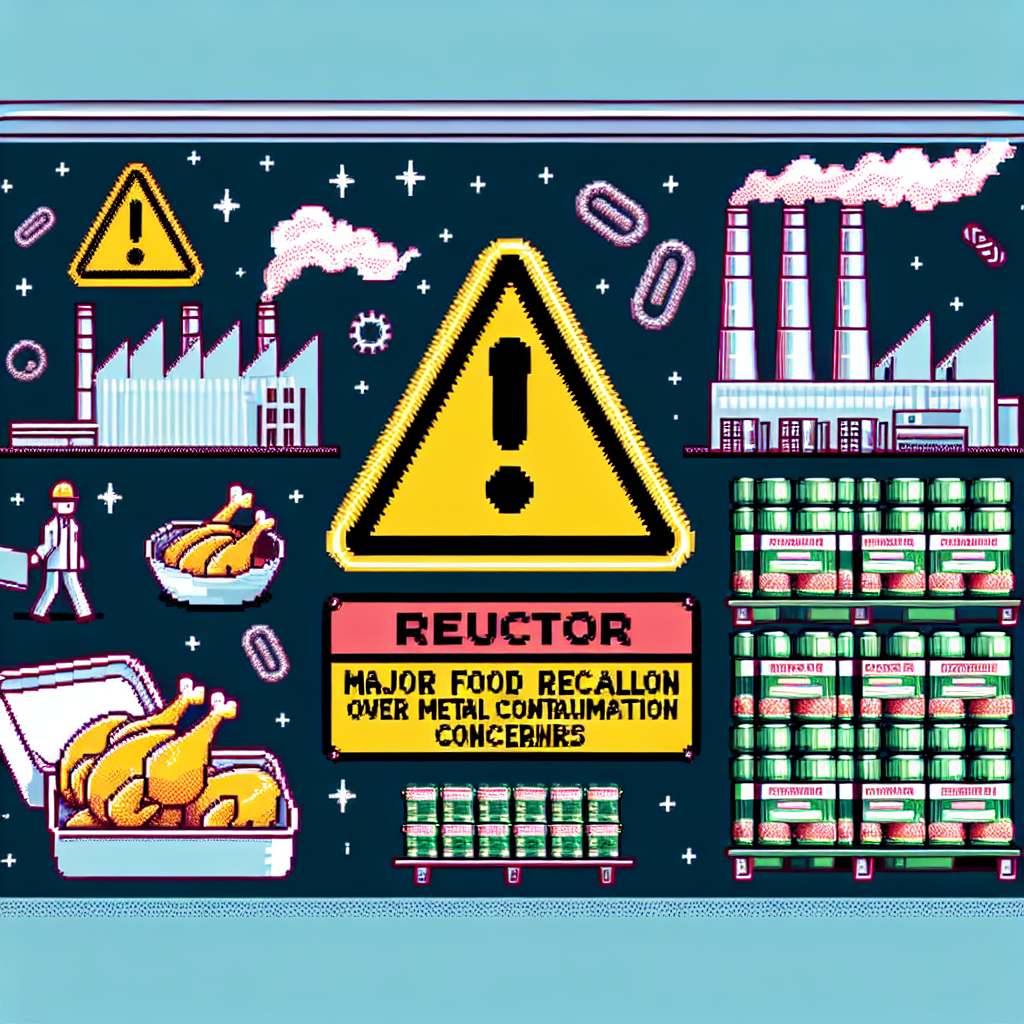
Imagine sitting down to enjoy a meal, only to discover a piece of metal lurking in your food. This unsettling reality has recently struck many consumers, as Hormel Foods—one of the largest food companies in the United States—has announced a recall of nearly 5 million pounds of ready-to-eat frozen chicken products due to concerns over metal contamination. Let’s dig into the details of this significant recall, its implications, and what you can do to stay informed and safe.

Understanding the Recall

Hormel’s recall, which was made public on a Saturday, comes after several complaints from consumers who reported finding metal pieces in their chicken products. This kind of contamination is not only alarming but raises serious questions about food safety protocols and quality control in the food industry. The specific products involved include various frozen chicken items sold under Hormel's brand, which are often staples in many households.

This incident is not only a hiccup for Hormel but also reflects a broader issue within the food industry—ensuring that the food we eat is safe and free from contaminants. Such recalls aren’t just about corporate responsibility; they are about consumer trust and public health.

Hormel has stated that these products were distributed across various states and that they are taking immediate action to ensure that all affected items are removed from store shelves. They are urging consumers who may have purchased these products to check their freezers and discard any items that fall under the recall.

Key Takeaways

- Scope of the Recall: Nearly 5 million pounds of ready-to-eat frozen chicken products are being recalled due to potential metal contamination. - Consumer Safety: Hormel is urging consumers to check their freezers and dispose of any affected products to avoid health risks. - Quality Control Concerns: This incident raises important questions about food safety protocols within the food industry. - Company Response: Hormel is actively working to resolve the issue and has committed to enhancing their safety measures. - Stay Informed: Consumers should remain vigilant and monitor announcements from food companies regarding recalls and safety issues.

Conclusion: A Call for Vigilance

As consumers, we often trust that the food we purchase is safe to eat, but incidents like Hormel’s chicken recall serve as a sobering reminder of the importance of vigilance. It’s crucial to stay informed about food recalls and to be proactive about checking the products we bring into our homes. While Hormel is taking steps to address this issue, we all have a role to play in ensuring our food safety.

So, the next time you reach for that frozen chicken in your freezer, take a moment to double-check the packaging and make sure it’s not part of any recall. Let’s keep our kitchens safe and our meals enjoyable!

Sources

- NBC News: [Hormel is recalling 5 million pounds of ready-to-eat frozen chicken over metal concerns](https://www.nbcnews.com/news/us-news/hormel-recalling-5-million-pounds-ready-eat-frozen-chicken-metal-concerns-rcna116189)

By staying informed and taking simple precautions, we can help ensure that our meals are both delicious and safe.

Waymos Robotaxi Incident Raises Safety | Analysis by Brian Moineau

Waymo’s Robotaxi Incident: A Wake-Up Call for Autonomous Driving Safety

Imagine stepping out of your home, hailing a ride, and watching as a sleek robotaxi pulls up to whisk you away—all without a human driver at the wheel. This is the future that companies like Waymo are working hard to create. However, recent events have cast a shadow on this vision. Earlier this month, in Atlanta, Georgia, a Waymo robotaxi was observed driving around a stopped school bus, igniting concerns about the safety and reliability of autonomous vehicles.

Background on Waymo’s Journey

Waymo, a subsidiary of Alphabet Inc., has been a pioneer in the autonomous vehicle space for years. With extensive testing and a fleet of robotaxis operating in select cities, the company has touted the safety and efficiency of its self-driving technology. However, as with any innovative technology, there are growing pains. The incident involving the robotaxi and the school bus raises critical questions about the current state of autonomous driving technology and the regulatory frameworks that govern it.

In the aftermath of the incident, Waymo quickly responded by updating the software in its vehicles. This swift action demonstrates the company’s commitment to addressing potential issues, but it also highlights the challenges that come with integrating cutting-edge technology into everyday life.

Regulators Take Notice

Following the incident, regulators have stepped in to investigate. The scrutiny from governing bodies is a necessary part of ensuring that autonomous vehicles operate safely in public spaces. As these vehicles become more prevalent, it’s vital that they adhere to strict safety standards, especially when it comes to scenarios like navigating around school buses, which are often filled with children.

Waymo’s incident is not an isolated case but part of a broader conversation about the maturity of autonomous driving technology. With more companies entering the space, the need for clear regulations and safety protocols has never been more pressing.

Key Takeaways

Regulatory Scrutiny: The incident has prompted regulators to investigate Waymo’s practices, emphasizing the need for oversight in the autonomous vehicle sector. – Software Updates: Waymo has already rolled out a software update to address the issue, showcasing the importance of continuous improvements in technology. – Public Safety Concerns: The event raises valid concerns about the safety of autonomous vehicles, particularly in scenarios involving vulnerable road users like schoolchildren. – Industry Implications: As more autonomous vehicles hit the roads, incidents like this will shape public perception and regulatory measures that govern their operations. – Future of Autonomous Driving: This incident serves as a reminder that while the future of transportation is promising, it comes with responsibilities that need unwavering attention.

Concluding Reflection

The Waymo robotaxi incident is more than just a blip on the radar; it’s a critical moment in the evolution of autonomous driving technology. As we push toward a future where self-driving vehicles become the norm, we must prioritize safety and accountability. The consequences of overlooking these elements can be dire, not just for the companies involved but for society as a whole. Moving forward, we need to foster a collaborative environment where innovation and safety go hand in hand, ensuring that our roads are safe for everyone.

Sources

– TechCrunch: [Regulators probe Waymo after its robotaxi drove around a stopped school bus](https://techcrunch.com/2023/10/15/waymo-robotaxi-school-bus/)

By staying informed and engaged in discussions around autonomous vehicle safety, we can help shape a future that not only embraces innovation but also safeguards our communities.


Related update: We recently published an article that expands on this topic: read the latest post.


Related update: We recently published an article that expands on this topic: read the latest post.


Related update: We recently published an article that expands on this topic: read the latest post.


Related update: We recently published an article that expands on this topic: read the latest post.