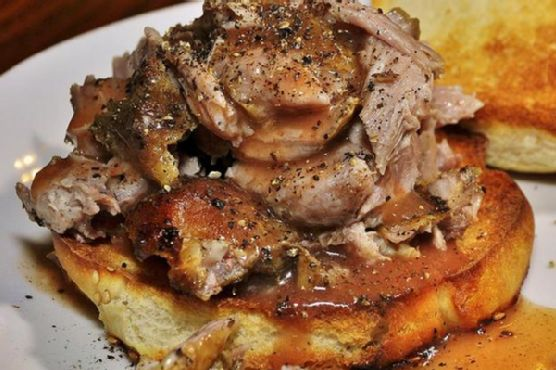
North Carolina-Style BBQ Pulled Pork | Made by Meaghan Moineau

North Carolina-Style BBQ Pulled Pork

Intro

Welcome to a delightful culinary journey to the heart of North Carolina with our authentic BBQ Pulled Pork recipe. I remember summer afternoons at my grandmother’s house, where the aroma of slow-cooked pork would waft through the air as we played outside. This dish was the centerpiece of our family gatherings, bringing everyone together with its rich flavors and tender texture. Now, I’m thrilled to share this cherished recipe with you, so you can create your own memories around the table.

Why You’ll Love It

This North Carolina-Style BBQ Pulled Pork is a true crowd-pleaser. It’s a perfect blend of tangy, savory, and sweet flavors, with a hint of smokiness that takes it over the top. Whether you’re hosting a backyard barbecue, a family dinner, or just craving something comforting, this dish is incredibly versatile and sure to satisfy. Plus, it’s easy to make, allowing you to enjoy the company of your loved ones while the oven does most of the work.

Ingredients

  • 8 cups apple cider vinegar
  • 1 boneless pork shoulder (about 5 pounds)
  • 1/4 cup dark firmly-packed brown sugar
  • 1/4 cup butter, melted
  • 1 tablespoon celery salt
  • 1 tablespoon dry mustard
  • 1 tablespoon garlic salt
  • 1 tablespoon black ground pepper
  • 1 cup ketchup
  • 1/4 cup light brown sugar
  • 2 tablespoons liquid hickory smoke
  • 1 tablespoon onion powder
  • 1 tablespoon crushed red pepper flakes
  • 2 tablespoons salt
  • 1 cup water

Instructions

  1. In a small bowl, mix together paprika, light brown sugar, celery salt, garlic salt, dry mustard, black pepper, onion powder, and salt.
  2. Season the entire pork roast with the spice mixture and cover it. Let it rest overnight in the refrigerator to absorb the flavors.
  3. Preheat your oven to 325°F (165°C).
  4. Place the seasoned pork roast in a large, disposable aluminum roasting pan.
  5. In a small bowl, combine the melted butter and liquid hickory smoke to create the basting marinade.
  6. Pour the basting marinade over the pork and cover the pan with aluminum foil.
  7. Cook the pork for approximately 4 1/2 hours or until the meat becomes tender enough to pull apart. Turn the pork every hour and baste it every 30 minutes. Alternatively, cook the pork over white hot coals, covered, for 3-3 1/2 hours, basting and turning frequently with the marinade.
  8. Transfer the pork roast to a cutting board and drain the excess juices from the pan.
  9. Slice the pork roast and pull apart the meat, trimming any fat. Place the shredded pork back into the roasting pan.
  10. Prepare the BBQ sauce by mixing together the cider vinegar, water, ketchup, dark brown sugar, salt, and red pepper flakes in a large bowl.
  11. Pour the BBQ sauce over the pulled pork, stirring to ensure all the meat is covered. Cover with aluminum foil.
  12. Place the pulled pork back into the oven (still at 325°F) or grill and cook for 1 1/2 hours, stirring the pork and sauce every 30 minutes.

Tips

For best results, make sure to let the pork marinate overnight. This allows the spices to penetrate deeply, enhancing the flavor of the meat. When pulling the pork, be patient and gentle to ensure it remains juicy and tender. If you’re cooking on a grill, maintain a consistent temperature to avoid overcooking.

Variations & Substitutions

Feel free to get creative with this recipe! You can substitute the pork shoulder with a pork butt if preferred. For a spicier kick, add more red pepper flakes or a dash of hot sauce to the BBQ sauce. If you don’t have apple cider vinegar on hand, white vinegar can be used as a substitute. For a smoky flavor without liquid smoke, try grilling the pork over wood chips.

Storage

Store any leftover pulled pork in an airtight container in the refrigerator for up to 4 days. It can also be frozen for up to 3 months. To reheat, gently warm it in the oven or on the stovetop, adding a splash of water or extra BBQ sauce to keep it moist.

FAQ

Can I make this recipe in a slow cooker?

Absolutely! To adapt this recipe for a slow cooker, follow the same steps for seasoning the pork and making the sauce. Place the seasoned pork in the slow cooker, pour the sauce over it, and cook on low for 8-10 hours or until the pork is tender and falls apart easily.

How do I know when the pork is fully cooked?

The pork is done when it reaches an internal temperature of 195°F to 205°F and easily pulls apart with a fork. If using a meat thermometer, insert it into the thickest part of the pork for an accurate reading.

What should I serve with BBQ pulled pork?

BBQ pulled pork pairs wonderfully with classic sides like coleslaw, cornbread, baked beans, or potato salad. For a lighter option, serve it with a fresh green salad or roasted vegetables.

Nutrition

This North Carolina-Style BBQ Pulled Pork is high in protein and provides a satisfying meal. Keep in mind that portion sizes and sides will affect the overall nutritional value. For specific dietary concerns, consider using leaner cuts of pork or modifying the sugar content in the sauce.

Conclusion

Our North Carolina-Style BBQ Pulled Pork is a must-try for anyone who loves a good barbecue. With its rich flavors and tender texture, it’s a dish that brings people together, creating lasting memories around the table. Whether you’re a seasoned cook or a beginner, this recipe is straightforward and rewarding. So gather your loved ones, fire up the oven or grill, and enjoy this delicious taste of North Carolina tradition.

Related update: North Carolina-Style BBQ Pulled Pork

Related update: Easy Pork Chops on Stuffing
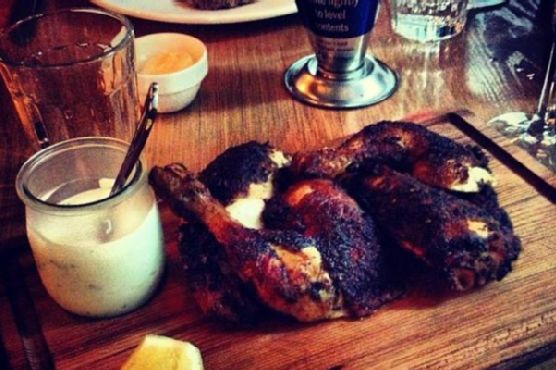
Blackened Cajun Chicken | Made by Meaghan Moineau

Blackened Cajun Chicken Recipe

Intro

There’s a certain magic in the air when the sun sets and the grill is fired up, filling the backyard with inviting aromas. Growing up, my family would gather around the grill during warm summer evenings, eagerly anticipating the sizzle of my grandmother’s famous Blackened Cajun Chicken. She had a way of turning simple ingredients into a feast for the senses, and her recipe has been a treasured heirloom, passed down through generations. Today, I’m thrilled to share this delightful dish with you, blending rich spices and succulent chicken into a symphony of flavors that will transport you to the heart of Louisiana.

Why You’ll Love It

This Blackened Cajun Chicken is a culinary gem that promises to captivate your taste buds. Here’s why you’ll fall in love with it:

  • Flavor Explosion: A harmonious blend of spices creates a bold, smoky flavor profile that is both spicy and savory.
  • Easy to Prepare: With minimal prep time and straightforward instructions, it’s perfect for both weeknight dinners and special occasions.
  • Healthy Option: Grilling the chicken ensures a lean, protein-rich meal that’s packed with nutrients.
  • Versatile: This dish pairs well with various sides, from salads to roasted vegetables, making it a versatile addition to your meal repertoire.

Ingredients

  • 2 bay leaves
  • 1 tablespoon black pepper
  • 2 tablespoons brown sugar
  • 1 tablespoon cayenne pepper
  • 1 tablespoon dried rosemary
  • 1 tablespoon dried thyme
  • 1 tablespoon dry mustard
  • 1 tablespoon garlic powder
  • 1 tablespoon ground cumin
  • 1 tablespoon onion powder
  • 2 tablespoons paprika
  • 1 tablespoon salt
  • 2 whole chickens

Instructions

  1. In a bowl, combine the bay leaves, black pepper, brown sugar, cayenne pepper, dried rosemary, dried thyme, dry mustard, garlic powder, ground cumin, onion powder, paprika, and salt to create your seasoning mix.
  2. Rub half of the seasoning mixture onto the chickens, ensuring even coverage.
  3. Place the seasoned chickens in a 13- by 9- by 2-inch baking pan. Cover and refrigerate overnight to allow the flavors to meld.
  4. When ready to cook, preheat your grill to medium heat.
  5. Grill the chickens, covered, over medium coals. Turn the chickens once during cooking.
  6. Grill for 30 to 45 minutes or until the juices run clear and the chicken is cooked through.
  7. Let the chicken rest for a few minutes before carving and serving.

Tips

For the best results, allow the chicken to marinate overnight. This will help the spices penetrate the meat, resulting in a more flavorful dish. If you’re short on time, even a few hours of marinating can make a noticeable difference. Additionally, using a meat thermometer can ensure your chicken is perfectly cooked, with an internal temperature of 165°F (75°C).

Variations & Substitutions

This recipe is a great base for experimentation. If you prefer a milder flavor, reduce the amount of cayenne pepper. Alternatively, if you’re a heat seeker, feel free to add extra! For a smoky twist, consider using smoked paprika in place of regular paprika. You can also substitute chicken breasts or thighs if you prefer them over whole chickens; just adjust the grilling time accordingly.

Storage

Leftover Blackened Cajun Chicken can be stored in an airtight container in the refrigerator for up to 3 days. To reheat, place the chicken in a preheated oven at 350°F (175°C) until warmed through. This dish also freezes well; just ensure it’s wrapped tightly before placing it in the freezer. It can be stored frozen for up to 3 months.

FAQ

Can I cook this chicken in the oven instead of on the grill?

Absolutely! If you don’t have access to a grill or prefer to use your oven, you can bake the chicken at 375°F (190°C) for about 50-60 minutes. Be sure to use a meat thermometer to ensure it’s cooked through.

What sides pair well with Blackened Cajun Chicken?

This dish pairs beautifully with a variety of sides. Consider serving it with classic Southern sides like coleslaw, cornbread, or dirty rice. For a lighter option, a fresh garden salad or grilled vegetables would complement the chicken nicely.

Can I make this recipe spicier?

Yes, you can easily adjust the heat level to suit your taste. Increase the amount of cayenne pepper or add a pinch of crushed red pepper flakes for extra spice. Remember, it’s always best to start with a little and add more as desired!

Nutrition

This recipe yields 4 servings, and each serving is a great source of protein. The seasoning blend is low in calories, with the majority of nutritional content coming from the chicken itself. For those monitoring their intake, this dish is high in protein while being relatively low in carbohydrates and fats, making it a balanced meal option.

Conclusion

Blackened Cajun Chicken is more than just a dish; it’s a nostalgic journey to the heart of Southern cuisine, bringing warmth, flavor, and a touch of spice to your table. Whether you’re hosting a backyard barbecue or simply looking for an exciting new recipe to try, this dish is sure to be a hit. I hope this recipe brings as much joy to your home as it has to mine. Happy cooking!

Related update: Blackened Cajun Chicken

Related update: Creamy Vegan Butternut Squash Mac and Cheese

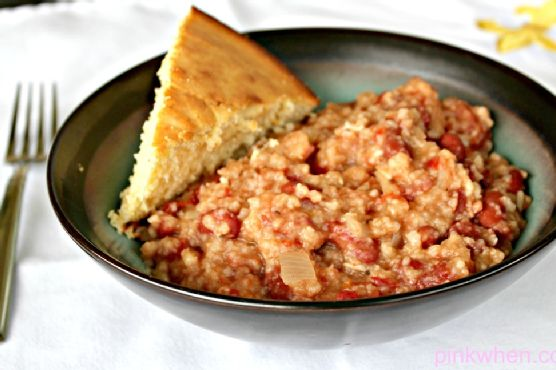
Slow Cooker Red Beans and Rice | Made by Meaghan Moineau

Slow Cooker Red Beans and Rice

Intro

There’s something incredibly comforting about a pot of slow-cooked red beans and rice simmering away, filling your home with tantalizing aromas. This dish takes me back to my childhood, spent in the vibrant kitchens of my grandmother’s house in the South. She would often prepare this hearty meal on Sundays, letting it cook slowly as we went about our day. By evening, we’d gather around her large wooden table, eager to dig into the savory goodness before us. The recipe I’m sharing today is inspired by those cherished memories, but with a convenient twist for the modern cook—a slow cooker!

Why You’ll Love It

This Slow Cooker Red Beans and Rice recipe is not just delicious, it’s also incredibly easy to make. Here are a few reasons why you’ll fall head over heels for this dish:

  • Effortless Preparation: Simply add all ingredients to your slow cooker and let it do its magic.
  • Rich, Savory Flavors: The combination of spices, sausage, and red beans creates a depth of flavor that is both comforting and satisfying.
  • Perfect for Busy Days: With minimal prep and the ability to cook all day, it’s an ideal choice for busy weeknights or lazy weekends.
  • Budget-Friendly: Utilizing pantry staples and affordable ingredients, this dish is kind to your wallet.
  • Family Favorite: The comforting flavors are a hit with kids and adults alike.

Ingredients

  • Ancho chili powder
  • Bay leaves
  • Butter
  • Canned red beans
  • Diced canned tomatoes
  • Cayenne pepper
  • Red onion
  • Rice
  • Sausage
  • Water
  • White pepper

Instructions

  1. Place all of your ingredients into the slow cooker and stir to mix everything well.
  2. Allow to cook all day on low for 6 hours (if with rice), or longer if needed without rice.
  3. Serve with cornbread and enjoy! (I like to take a whole piece and mix it up really well, YUM!)

Tips

  • Soak Your Beans: If you’re using dried beans instead of canned, be sure to soak them overnight before adding them to the slow cooker to ensure they cook fully.
  • Spice Levels: Adjust the cayenne pepper to suit your heat preference. Start with a pinch and add more if you like it spicy.
  • Use Good Quality Sausage: This will greatly enhance the flavor of the dish. Consider using smoked sausage for an extra depth of flavor.

Variations & Substitutions

This recipe is wonderfully adaptable. Here are some variations and substitutions you can try:

  • Vegetarian Option: Skip the sausage and add more vegetables like bell peppers and zucchini.
  • Different Beans: While red beans are traditional, you can use black beans or kidney beans for a different twist.
  • Spice Mix: Experiment with adding smoked paprika or cumin for a smoky flavor profile.
  • Grains Variety: Substitute rice with quinoa or farro for a different texture and added nutrients.

Storage

This dish makes great leftovers! Here’s how you can store it:

  • Refrigerate: Store in an airtight container in the fridge for up to 4 days.
  • Freeze: Portion into freezer-safe bags or containers and freeze for up to 3 months. Thaw in the refrigerator overnight before reheating.
  • Reheat: Warm on the stovetop over medium heat, stirring occasionally, until heated through. You can also reheat in the microwave in 1-minute intervals, stirring in between.

FAQ

Can I make this dish on the stovetop instead of a slow cooker?

Yes, absolutely! To prepare on the stovetop, sauté the onion and sausage in butter until the onion is translucent. Add the remaining ingredients and simmer on low heat for about 1-2 hours, stirring occasionally, until the beans are tender.

What kind of sausage works best for this recipe?

Smoked sausage is a great choice for this recipe as it adds a wonderful smoky flavor. Andouille sausage is traditional and particularly delicious, but you can use any spicy or mild sausage you prefer.

Can I add more vegetables to this recipe?

Definitely! This recipe is very flexible, and adding more vegetables like bell peppers, celery, or carrots can enhance the flavor and nutrition.

Nutrition

While I don’t have the exact nutritional breakdown for this dish, it’s worth noting that red beans are a great source of protein and fiber, and using whole grain rice can boost the fiber content even more. Just be mindful of the sodium content if you’re using canned beans and tomatoes. Balancing with fresh ingredients where possible is always a good idea!

Conclusion

Slow Cooker Red Beans and Rice is a warm, comforting, and flavorful dish that’s perfect for any day of the week. Whether you’re reminiscing about Southern roots or simply looking for an easy and delicious meal, this recipe is sure to satisfy. With its rich flavors and simple preparation, it’s a dish that brings people together, just like it did in my grandmother’s kitchen. Give it a try, and let me know how it brings warmth and happiness to your table!

Related update: Slow Cooker Red Beans and Rice

Related update: Mummy Meatballs with Spaghetti

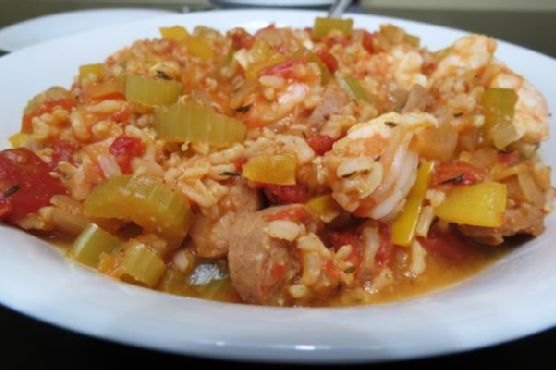
Jambalaya Stew | Made by Meaghan Moineau

Jambalaya Stew

Intro

There’s something magical about a hearty bowl of Jambalaya Stew that instantly transports me back to my grandmother’s warm, bustling kitchen. Growing up, I spent countless Sunday afternoons at her house, enveloped in the comforting aromas of her cooking. Her Jambalaya was always the star of the show, a rich blend of spices and flavors that brought the whole family together. It was a dish that whispered stories of cultural heritage, love, and tradition. Today, I’m thrilled to share my version of this classic dish with you, hoping it brings as much warmth and joy to your table as it has to mine.

Why You’ll Love It

This Jambalaya Stew is a delightful symphony of flavors and textures that will make your taste buds dance with joy. It’s a one-pot wonder that’s perfect for any occasion, whether you’re hosting a casual family dinner or a festive gathering with friends. The stew is packed with vibrant vegetables, succulent shrimp, and flavorful sausage, all simmering in a savory broth that’s seasoned to perfection. Plus, it’s incredibly easy to make and highly adaptable to suit your taste preferences. Trust me, one spoonful and you’ll be hooked!

Ingredients

  • 2 cooked Italian sweet chicken sausage links, sliced
  • 1 can (14.5 oz) diced tomatoes
  • 1 onion, chopped
  • 1 yellow bell pepper, chopped
  • 1 green bell pepper, chopped
  • 2 stalks celery, chopped
  • 4 cups low sodium chicken broth
  • 1 cup brown rice
  • 3 cloves garlic, minced
  • 2 teaspoons Cajun seasoning
  • 1 tablespoon hot sauce (or to taste)
  • 1 teaspoon dried oregano
  • 1 teaspoon dried thyme
  • 1 pound raw shrimp, peeled and deveined

Instructions

  1. Add all ingredients except the shrimp to a large pot on the stove.
  2. Mix thoroughly to combine all flavors and ingredients.
  3. Bring the mixture to a boil over medium-high heat.
  4. Reduce heat to medium-low, cover, and let it simmer.
  5. Cook for about 35 minutes, or until the vegetables are tender and the rice is fluffy.
  6. Add the shrimp to the pot and re-cover.
  7. Continue to cook for another 6 minutes, or until the shrimp are tender and cooked through.
  8. If desired, season with additional salt, black pepper, and hot sauce to taste.
  9. Serve hot and enjoy!

Tips

For the best results, use fresh, high-quality shrimp and sausage. You can also prepare the vegetables ahead of time to make the cooking process even smoother. If you prefer a spicier stew, feel free to increase the amount of Cajun seasoning or hot sauce. Don’t forget to taste and adjust the seasonings before serving!

Variations & Substitutions

This recipe is wonderfully versatile. If you’re not a fan of shrimp, you can substitute it with chicken or add extra sausage for a heartier dish. You can also switch up the vegetables based on what you have on hand; zucchini or carrots would make excellent additions. For a vegetarian version, simply omit the shrimp and sausage and use vegetable broth instead of chicken broth. The beauty of Jambalaya is that it welcomes creativity and personal touches.

Storage

Leftovers can be stored in an airtight container in the refrigerator for up to 3 days. To reheat, simply warm the stew in a pot over medium heat until heated through. If you plan to freeze the stew, it’s best to do so without the shrimp, as they can become rubbery when reheated. Freeze the stew in a sturdy container for up to 3 months and add fresh shrimp when you’re ready to serve.

FAQ

Can I make this recipe ahead of time?

Yes, you can prepare the Jambalaya Stew ahead of time! Cook it as directed, then cool and store it in the refrigerator. Reheat on the stove just before serving. It’s a great make-ahead meal for busy weeknights or meal prep.

What should I serve with Jambalaya Stew?

Jambalaya Stew is a complete meal on its own, but you can serve it with a side of crusty bread or a simple green salad for a balanced meal. Cornbread or garlic bread also pair wonderfully with the stew.

Nutrition

While I don’t have exact nutritional information, this Jambalaya Stew is packed with protein from the shrimp and sausage, fiber from the vegetables and brown rice, and a host of vitamins and minerals. It’s a wholesome, satisfying dish that can fit into a balanced diet.

Conclusion

Jambalaya Stew is more than just a meal; it’s a celebration of flavors and a nod to cherished culinary traditions. Whether you’re new to cooking or a seasoned chef, this recipe is sure to become a favorite in your household. So gather your ingredients, invite your loved ones over, and dive into a bowl of warmth and comfort. Here’s to creating delicious memories one spoonful at a time!

Related update: Jambalaya Stew

Related update: Beef, Poblano & Cheese Tamales

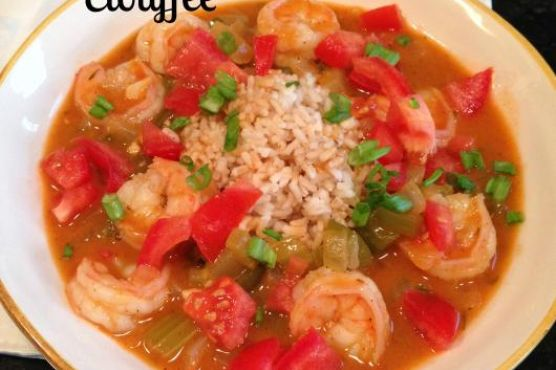
Mardi Gras Shrimp Étouffée | Made by Meaghan Moineau

Mardi Gras Shrimp Étouffée

Intro

The vibrant celebration of Mardi Gras has always held a special place in my heart. Growing up in Louisiana, the anticipation of the parades, the music, and the lively colors filled the air with excitement. Yet, what truly made the experience unforgettable was gathering around the table with my family to enjoy a warm, hearty bowl of Shrimp Étouffée. The aroma of the simmering roux, mingling with the fresh seafood and spices, was enough to bring everyone into the kitchen, eagerly awaiting their first bite. Today, I’m thrilled to share this cherished recipe with you, hoping it brings the same joy and warmth to your home as it has to mine.

Why You’ll Love It

This Shrimp Étouffée is a celebration in a bowl. It combines the rich flavors of the Gulf Coast with a touch of spice, creating a dish that is both comforting and exciting. Whether you’re looking to bring a taste of Mardi Gras into your kitchen or simply want a cozy meal to share with loved ones, this recipe is sure to become a favorite. The silky roux, the succulent shrimp, and the aromatic vegetables come together harmoniously, offering a culinary experience that is both satisfying and delightful.

Ingredients

  • 1/2 cup butter
  • 1/2 cup flour
  • 2 green bell peppers, diced
  • 3 celery stalks, diced
  • 1 large yellow onion, diced
  • 3 garlic cloves, minced
  • 1 teaspoon dried thyme
  • 2 tablespoons tomato paste
  • 1 tablespoon Worcestershire sauce
  • 1 tablespoon creole seasoning
  • 4 cups chicken broth
  • 1 pound shrimp, peeled and deveined
  • 1 tablespoon butter
  • 2 scallions, sliced
  • 1 fresh tomato, diced
  • Cooked rice, for serving

Instructions

  1. Heat up a heavy pot over low heat. Add in the butter and cook for about 10-12 minutes until it turns a light golden brown. Stir occasionally to prevent burning.
  2. Whisk in the flour until smooth and continue cooking over low heat for about 8 minutes. The mixture should resemble a slightly loose peanut butter when ready.
  3. Add in the diced bell peppers, celery, and onion. Stir to coat the veggies with the roux and cook for another 10-15 minutes until the vegetables are softened.
  4. Stir in the minced garlic and dried thyme, cooking for about a minute until the garlic is fragrant.
  5. Add the tomato paste, Worcestershire sauce, creole seasoning, and chicken broth. Simmer on low for 30-40 minutes, stirring occasionally, until the sauce is slightly thickened.
  6. Stir in the shrimp, turn off the heat, and cover the pot with a lid. Allow the shrimp to cook in the residual heat for about 5-8 minutes, or until cooked through.
  7. Stir in a tablespoon of butter just before serving.
  8. Serve the Shrimp Étouffée over cooked rice and garnish with sliced scallions and fresh diced tomato.

Tips

Creating the perfect roux is key to this dish, so be patient and keep the heat low to avoid burning. Stir consistently and take your time. If you’re new to making roux, consider practicing with smaller batches to build confidence. Additionally, fresh ingredients make a difference, so opt for fresh shrimp and vegetables when possible.

Variations & Substitutions

If you’re looking to mix things up, consider using crab or crawfish instead of shrimp for a different take on this classic dish. For a spicier kick, add some cayenne pepper or hot sauce to taste. If you’re unable to find creole seasoning, you can make your own by combining paprika, garlic powder, onion powder, black pepper, white pepper, cayenne pepper, dried oregano, and dried thyme.

Storage

Store any leftovers in an airtight container in the refrigerator for up to 3 days. To reheat, warm gently on the stove over low heat, adding a splash of chicken broth if needed to loosen the sauce. Unfortunately, this dish doesn’t freeze well due to the delicate texture of the shrimp, so it’s best enjoyed fresh.

FAQ

Can I make this dish ahead of time?

Yes, you can prepare the sauce ahead of time and store it in the refrigerator. When ready to serve, simply reheat the sauce and add the shrimp just before serving to ensure they’re perfectly cooked.

Is this recipe gluten-free?

As written, this recipe is not gluten-free due to the flour used in the roux. However, you can substitute the flour with a gluten-free alternative such as rice flour or a gluten-free all-purpose blend to make it suitable for a gluten-free diet.

Nutrition

This Shrimp Étouffée is a hearty dish that’s rich in flavor and nutrients. While exact nutritional values can vary depending on the specific ingredients used, it is a good source of protein from the shrimp and vitamins from the vegetables. For those watching their calorie intake, consider reducing the amount of butter or serving it over cauliflower rice for a lighter option.

Conclusion

There’s something truly magical about gathering around the table to enjoy a dish that’s as rich in history and culture as it is in flavor. This Mardi Gras Shrimp Étouffée is more than just a meal; it’s an experience, a piece of New Orleans brought to life in your kitchen. Whether you’re celebrating Mardi Gras or simply craving a taste of the South, I hope this recipe brings joy and warmth to your home, just as it has to mine for many years. Bon appétit!

Related update: Mardi Gras Shrimp Étouffée

Related update: Soy Ginger Glazed Sea Scallops With Stir Fry Vegetables

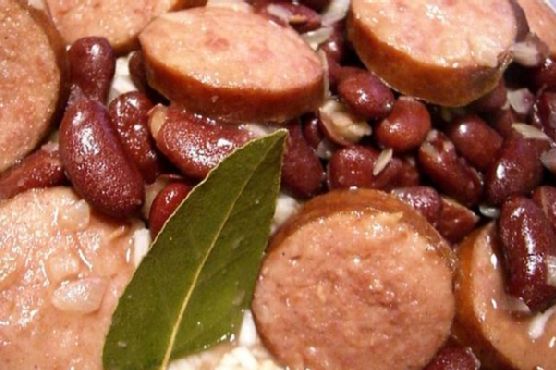
New Orleans Red Beans and Rice with Andouille Sausage | Made by Meaghan Moineau

New Orleans Red Beans and Rice with Andouille Sausage | Made by Meaghan Moineau

Title: Savoring Tradition: The Heartwarming Comfort of New Orleans Red Beans and Rice with Andouille Sausage
Description: Dive into the rich culinary heritage of New Orleans with our classic Red Beans and Rice recipe featuring smoked Andouille sausage. This flavorful main dish, steeped in tradition and bursting with Southern charm, is a delightful way to bring the warmth of Louisiana into your home. With a nostalgic family story and step-by-step instructions, you'll be transported to a cozy kitchen filled with laughter and love. Rated 6/10 in difficulty, this dish is perfect for those looking to explore the vibrant flavors of Creole cuisine.

---


A Taste of New Orleans: Red Beans and Rice with Andouille Sausage

When it comes to soul food, few dishes capture the essence of New Orleans quite like Red Beans and Rice with Andouille Sausage. This hearty main dish, with its roots deeply embedded in Creole culture, is a testament to the culinary artistry of the Crescent City. Every bite is a melody of flavors, harmonizing the smoky richness of Andouille sausage with the earthy goodness of red kidney beans, all embraced by a creamy, seasoned gravy.


Ingredients:

- Smoked Andouille sausage


- Bay leaves


- Bell pepper


- Canola oil


- Diced celery


- Creole seasoning


- Garlic


- Onion


- Red dried kidney beans


- Salt and pepper


- Smoked ham hock


- Tabasco sauce


- Dried thyme leaves


- White long-grain rice


- Worcestershire sauce


Instructions:
1. Soak the Beans: Begin by soaking the red kidney beans overnight in cool water. This step is crucial for achieving the perfect texture.
2. Cook the Beans: The next day, drain the beans and add fresh water to cover them in a Dutch oven. Bring to a boil, then simmer over medium-high heat for 45-60 minutes until they are tender but not falling apart. Drain and set aside.
3. Sauté the Vegetables: In a skillet, heat canola oil and sauté the onions, celery, and bell pepper until translucent, about 8-10 minutes. Add garlic and continue to sauté for an additional 2 minutes.
4. Combine and Season: Add the sautéed vegetables to the beans along with the ham hock, Andouille sausage, bay leaves, Creole seasoning, salt, pepper, Tabasco sauce, dried thyme, and Worcestershire sauce. Pour in just enough water to cover the mixture.
5. Simmer to Perfection: Bring the mixture to a boil, then reduce heat to a low simmer. Allow it to cook for at least 2 hours, preferably 3, until the gravy becomes creamy. Stir occasionally, ensuring the mixture doesn't burn or stick to the pot.
6. Adjust the Consistency: If the gravy isn't creamy enough, mash some of the beans and return them to the pot. Remember, it's not considered cheating—it's culinary magic!
7. Serve and Enjoy: Once the beans reach the desired consistency, serve them over a bed of fluffy white long-grain rice.
A Nostalgic Family Memory:

Growing up, Sundays were a time for family gatherings at my grandmother's house, where the air was always filled with the mouthwatering aroma of her famous Red Beans and Rice. I remember sitting at the kitchen table, watching her expertly slice the Andouille sausage and sprinkle just the right amount of Creole seasoning into the pot. Her hands, seasoned with years of culinary wisdom, moved with a grace that I admired deeply.


As the beans simmered, she would share stories of her own childhood in New Orleans, painting vivid pictures of Mardi Gras parades and jazz-filled streets. Those afternoons were filled with laughter and the comforting warmth of family, memories etched into my heart with every spoonful of her delicious creation.


Difficulty Rating: 6/10
Classification: Main Dish

This recipe is a celebration of flavors and tradition, perfect for family dinners or special occasions. With its moderate difficulty level, it's a great opportunity to explore the vibrant world of Creole cuisine while creating lasting memories in your own kitchen. So put on some jazz, grab your apron, and let this New Orleans classic transport you to a place where food and family intertwine in the most beautiful way.

Read more about Appetizers

Read more about Main Dishes

Read more about Desserts