Chocolate recall escalated to highest risk level by FDA, sold in 9 states including Ohio – Fox 28 | Analysis by Brian Moineau

Chocolate recall escalated to highest risk level by FDA, sold in 9 states including Ohio - Fox 28 | Analysis by Brian Moineau

**Chocolate Lovers, Beware: The Sweet Delight Takes a Bitter Turn**

In a world where chocolate is often considered the ultimate comfort food, a recent development has left chocoholics in nine states, including Ohio, in a bittersweet dilemma. The FDA has elevated the recall of certain Cal Yee Farms chocolate products to a Class 1 status, meaning the risk level is at its highest. This escalation underscores the seriousness of the situation, as Class 1 recalls are issued when there is a reasonable probability that the use of or exposure to a violative product will cause serious adverse health consequences or death.

While the specifics of what prompted this recall remain under wraps, it serves as a stark reminder of the importance of food safety and the rigorous processes involved in ensuring that what we consume is safe. Food recalls, particularly those reaching a Class 1 status, are not just about pulling products off shelves; they are about protecting public health and maintaining trust in food systems.

This isn't the first time food safety has made headlines this year. In a parallel event, the Jif peanut butter recall earlier this year had consumers on edge, as the beloved spread was linked to a salmonella outbreak affecting numerous states. Such incidents highlight the fragility of our food supply chain and the critical role that regulatory bodies like the FDA play in safeguarding public health.

The recall of Cal Yee Farms chocolate products is a small chapter in a larger narrative about food safety and consumer trust. It reminds us of the meticulous journey our food takes from farm to table and the myriad checks in place to ensure it arrives safely. Yet, despite these measures, recalls still happen, and when they do, they ripple across industries, affecting businesses and consumers alike.

On a lighter note, this chocolate recall might serve as a gentle nudge for us to explore other delightful treats. Perhaps it's time to diversify our dessert portfolio and explore the wonders of pastries, fresh fruit, or even venture into the world of artisanal candies. After all, variety is the spice of life, and who knows, you might find a new favorite indulgence!

As we navigate these culinary challenges, it's crucial to stay informed and vigilant. For chocolate enthusiasts, this recall is a temporary setback, but one that emphasizes the importance of food safety. In the meantime, let's celebrate the unsung heroes behind the scenes—those who work tirelessly to ensure our food is safe and our plates are full.

**Final Thought:** While this recall might have put a damper on our chocolate cravings, it's a testament to the systems in place to protect us. As consumers, our responsibility is to stay informed and make safe choices. So, here's to a future where every bite of chocolate—or any food, for that matter—is as safe as it is delicious.

Read more about AI in Business

Read more about Latest Sports Trends

Read more about Technology Innovations

Researchers just discovered an entirely new class of life living inside humans – BGR

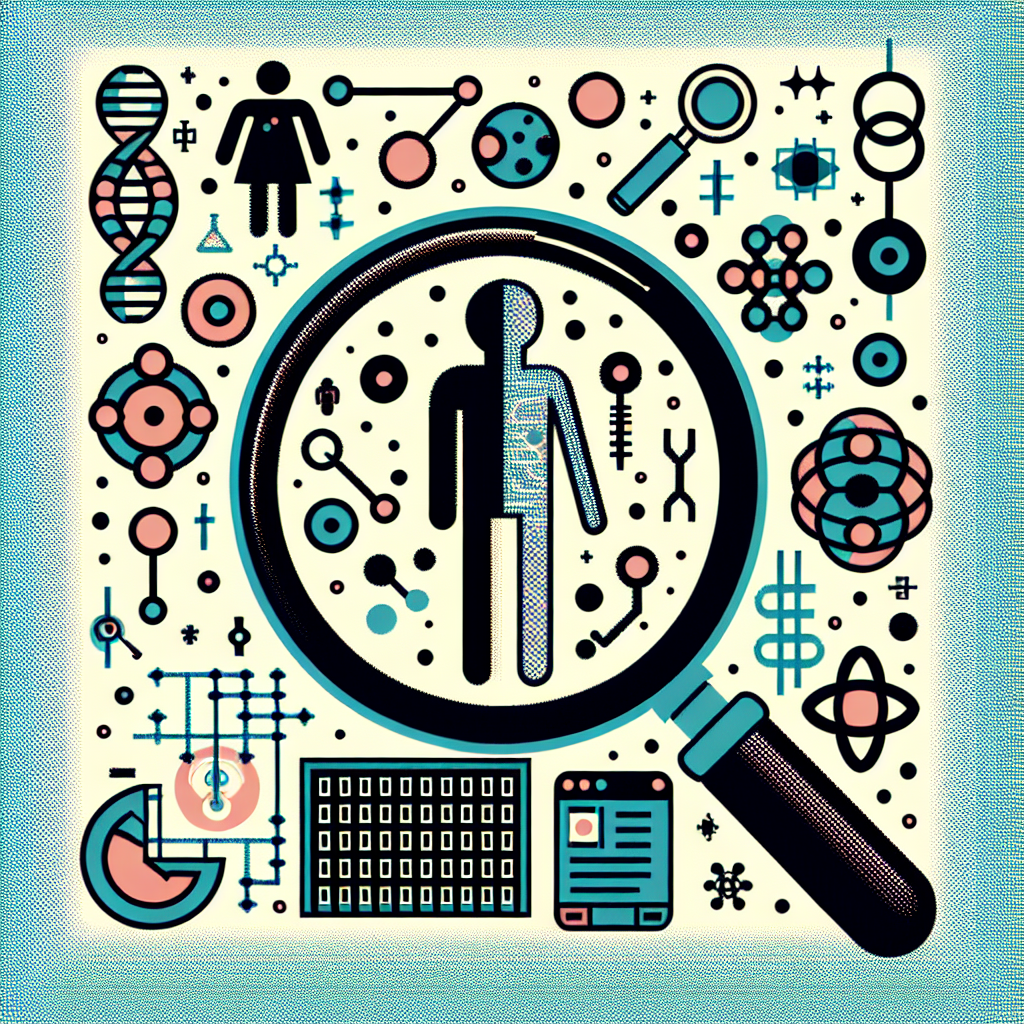
### A Microscopic Discovery: The New Class of Life Living Inside Us

In the ever-evolving world of science, researchers have once again delved into the great unknown and emerged with news that could reshape our understanding of the human body. According to a recent article on BGR, scientists have discovered an entirely new class of life residing within us. This fascinating revelation underscores the complexity and mystery that our bodies continue to harbor, even in an age where technology seems to have mapped every conceivable frontier.

#### The Microscopic World: More Than Meets the Eye

The newly discovered entities bear a striking resemblance to viruses, which are notorious for their ability to infiltrate and commandeer cellular machinery. Yet, these new life forms are distinct, representing a class all their own. This discovery could have profound implications for medicine and biology, potentially leading to novel therapies or even reshaping our understanding of what constitutes life.

The human body is already known to host a myriad of microscopic inhabitants, collectively known as the microbiome. This community of bacteria, fungi, and viruses plays a crucial role in our health and well-being, influencing everything from digestion to mood. The addition of this new class of life to the roster of our internal ecosystem raises questions about what other hidden players might be influencing our health.

#### Connecting the Dots: Life in Unexpected Places

The discovery comes at a time when the scientific community is making strides in understanding extreme forms of life. For instance, NASA's search for extraterrestrial life often focuses on extreme environments on Earth, such as hydrothermal vents and acidic lakes, where life has adapted in remarkable ways. These findings remind us that life is not only incredibly adaptable but also surprisingly intricate, often eluding our grasp until technology advances enough to reveal it.

In the broader context, this discovery aligns with a growing trend of uncovering hidden complexities in seemingly simple systems. From quantum computing revealing new possibilities in the digital realm to the intricate networks of fungal mycelium undergirding forest ecosystems, we're constantly reminded that the world is more complex than it appears at first glance.

#### Implications for the Future

The implications of this discovery are manifold. In medicine, understanding how these new life forms interact with our bodies could lead to breakthroughs in treating diseases or even harnessing them for beneficial purposes. Researchers may find parallels in how viruses are used in gene therapy, where they are engineered to deliver therapeutic genes to specific cells.

Moreover, this discovery prompts a reevaluation of the boundaries of life itself. It challenges the traditional definitions and pushes the envelope on what constitutes a living organism. As scientists continue to explore these microscopic marvels, we might find that our definition of life is more fluid than previously thought.

#### Final Thoughts

In a world where headlines are often dominated by the latest tech gadgets or geopolitical tensions, it's refreshing to be reminded of the wonders of the natural world and the infinite mysteries it holds. The discovery of a new class of life within our own bodies serves as a humbling reminder of how much we still have to learn, not just about the universe around us, but about ourselves.

As we continue to uncover the layers of life, let's keep our sense of wonder intact. After all, the pursuit of knowledge is not just about answers but also about embracing the questions that lead us to new horizons. Here's to the microscopic pioneers quietly making history from within!

New glowing molecule, invented by AI, would have taken 500 million years to evolve in nature, scientists say – Livescience.com

In the world of science, there are constant breakthroughs and discoveries that push the boundaries of what we thought was possible. One such recent development comes in the form of a new glowing molecule that was invented by artificial intelligence. According to scientists, this molecule would have taken a staggering 500 million years to evolve in nature - a mind-boggling timescale that truly highlights the power of AI.

The idea that a computer program could come up with a molecule that would take half a billion years to evolve naturally is both fascinating and slightly daunting. It really makes you wonder about the potential of AI and what other incredible feats it may be capable of achieving in the future. It's like nature on steroids, creating things that would never have been possible through traditional evolutionary processes.

This breakthrough also raises questions about the role of technology in our lives and how it is shaping the world around us. With AI becoming more advanced every day, it's exciting to think about the possibilities that lie ahead. From healthcare to environmental conservation, the applications of AI are endless and could revolutionize the way we approach various challenges.

In a world where innovation is key, it's important to stay curious and open-minded about the potential of technology. Who knows what other marvels AI could bring to light in the coming years? The possibilities are truly endless, and the only way to find out is to keep pushing the boundaries of what we know and exploring the unknown.

So, next time you see a glowing molecule created by AI, just remember that it would have taken nature 500 million years to come up with it. And in the grand scheme of things, that's a pretty impressive feat. Let's embrace the power of technology and see where it takes us next.