Tesla’s Robotaxi Claims: A Closer Look at Reality vs. Hype
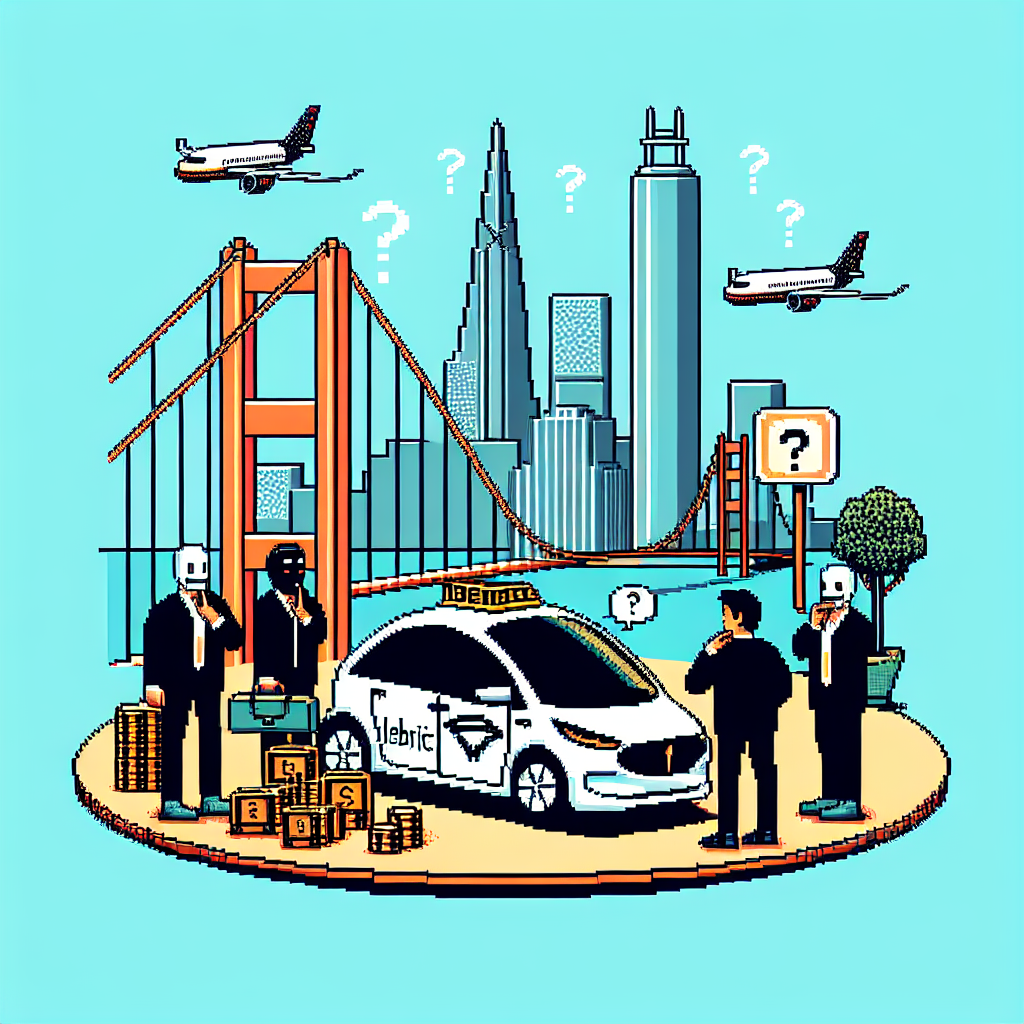
Tesla has always been a company that thrives on innovation and bold claims. From electric vehicles that redefine what it means to drive, to promises of autonomous driving that seem to leap straight out of a sci-fi movie, the company has consistently pushed the envelope. But recent reports suggest that Tesla’s latest claim—launching a ride-hailing service in San Francisco using Robotaxi technology—might be more smoke and mirrors than actual reality. Let’s dive into what’s really going on.
Context: The Rise and Hype of Autonomous Driving
The concept of autonomous vehicles has captured the imagination of consumers and investors alike for years now. Companies like Tesla, Waymo, and Uber have been racing to develop self-driving technology, each claiming to be on the verge of a breakthrough. Tesla, led by the charismatic Elon Musk, has often touted its Full Self-Driving (FSD) capabilities, claiming that its cars are just a software update away from full autonomy.
However, the reality is far less clear-cut. While Tesla has made strides in developing its FSD technology, it is still classified as a Level 2 driver-assistance system. This means that, despite its impressive capabilities, human intervention is still necessary. The recent claim about launching a Robotaxi service in San Francisco has raised eyebrows, as many experts point out that Tesla has yet to roll out fully autonomous taxis anywhere in California.
What’s the Real Story Behind Tesla’s Robotaxi Claims?
In a recent article by Electrek, it was reported that Tesla is attempting to create an illusion for investors, suggesting that it has already launched a ride-hailing service powered by its Robotaxi technology. The truth is, there are significant regulatory and technological hurdles that stand in the way of such a service becoming a reality. California has stringent regulations for autonomous vehicles, and Tesla’s current offerings do not meet the requirements for fully autonomous operation.
Furthermore, the competition in the autonomous vehicle space is fierce. Companies like Waymo and Cruise are already testing their self-driving services in limited areas, but they face the same hurdles as Tesla. This makes it imperative for Tesla to clarify its position and capabilities—especially as it seeks further investment and market share.
Key Takeaways
– Misleading Claims: Tesla’s announcement about a Robotaxi service may not reflect the current state of its technology and regulatory approval. – Current Technology Level: As of now, Tesla’s Full Self-Driving is classified as Level 2, requiring human oversight. – Regulatory Hurdles: California’s strict regulations on autonomous vehicles make it challenging for companies to launch fully autonomous ride-hailing services. – Investor Caution: Potential investors should approach Tesla’s claims with a discerning eye, as the realities of autonomous technology are still evolving. – Competition is Fierce: Other companies in the autonomous vehicle space, like Waymo and Cruise, are also navigating the complexities of regulations and technology.
Conclusion: A Call for Transparency
As exciting as the prospect of Robotaxis is, it’s essential for companies like Tesla to maintain honesty and transparency in their communications. Misleading claims can erode trust among consumers and investors alike. While the dream of fully autonomous vehicles is still alive, we must ground our expectations in the current realities of technology and regulation. As we navigate this rapidly changing landscape, let’s keep our eyes on the road ahead—both literally and figuratively.
Sources
– “Tesla is trying to deceive investors into thinking it has San Francisco Robotaxis – Electrek.” Electrek. [link](https://electrek.co/2023/10/19/tesla-trying-deceive-investors-sf-robotaxis/) – “The Truth About Tesla’s Full Self-Driving.” MotorTrend. [link](https://www.motortrend.com/news/tesla-full-self-driving-truth/)
By understanding the nuances of Tesla’s claims and the broader context of autonomous vehicle technology, we can appreciate the potential while remaining cautious of the hype.
Related update: We recently published an article that expands on this topic: read the latest post.
Related update: We recently published an article that expands on this topic: read the latest post.
Related update: We recently published an article that expands on this topic: read the latest post.