Arsenal Blow Lead in Stunning Wolves Draw | Analysis by Brian Moineau

When a Two-Goal Cushion Isn’t Enough: Wolves 2-2 Arsenal and the Title Squeeze

Arsenal arrived at Molineux on February 18, 2026, seemingly in control. Two early blows — Bukayo Saka’s crisp header in the fifth minute and Piero Hincapié’s first goal for the club — had the Gunners cruising toward a crucial three points and, temporarily, a seven-point lead at the top of the Premier League. Instead, they left with a flat feeling and a 2-2 draw after Hugo Bueno’s thunderbolt and a stoppage-time finish from 19-year-old Tom Edozie. What looked like control turned into damage limitation — and the title race suddenly felt a lot more fragile.

Why this result matters

  • It denied Arsenal the chance to open a comfortable gap at the top (they were eyeing a seven-point cushion).
  • It showcased issues that have crept into Arsenal’s season: late-game concentration, defensive calm under pressure, and a tetchy mentality when the margin is small.
  • For Wolves, rock-bottom at the time, this was a galvanizing point — a reminder that league position isn’t destiny and that momentum can flip quickly.

The game in three acts

  • Early control (0–60 minutes)

    • Arsenal’s opener was textbook: quick transition, Declan Rice’s cross, Bukayo Saka’s finish. The early goal set the tone and seemed to allow Mikel Arteta’s side to settle into possession-based control.
    • Hincapié’s second, just after the hour mark, looked to put the result beyond doubt — a composed finish that rewarded Arsenal’s probing play.
  • The momentum swing

    • Hugo Bueno’s strike (61') was a reminder that football is cruelly episodic. A brilliant, swerving left-foot curler from distance suddenly made the game competitive and injected belief into a Wolves side that had been coiled for moments like this.
  • Stoppage-time drama

    • Tom Edozie’s debut goal — a scrappy, opportunistic finish compounded by a defensive mix-up — completed a sensational turnaround. Wolves celebrated like title-chasers; Arsenal left stunned.

Tactical reading: where it went wrong for Arsenal

  • Game management lapse

    • After going 2-0 up, Arsenal’s tempo and focus dipped. Instead of steadying the ship through controlled possession and smart restarts, the team allowed Wolves to find rhythm quickly after the pull-back.
  • Defensive vulnerability to resets and second balls

    • Wolves’ goals came from moments that punished slack moments and loose positioning rather than high-quality sustained attacks. Arsenal looked susceptible to set-piece transitions and rebounds in the box.
  • Substitution choices and timing

    • The game underlined the fine margins of substitutions: a hurried change following a head injury and a late reshuffle coincided with the chaos that led to the equaliser. Fine margins in personnel and timing turned costly.

The title picture: ripple effects

  • Points are points: a draw instead of three feels like two lost points. In a title fight, squandered advantages compound quickly.
  • Psychological swing: instead of tightening the race, Arsenal handed rivals fresh belief. Manchester City (and any chasing sides) now know the leaders can wobble.
  • Momentum matters as much as math: late-season runs are often decided by composure in moments like the 94th minute. Arsenal’s results in the coming fixtures will reveal whether this was an anomaly or the start of a trend.

Players and moments to remember

  • Bukayo Saka: a perfect early finish and a reminder of his importance in decisive moments.
  • Piero Hincapié: his first for the club gave Arsenal breathing room and signaled his offensive threat from defense.
  • Hugo Bueno: a contender for “goal of the game” — a 61st-minute strike that changed the tempo.
  • Tom Edozie: dream debut timing. The kind of late impact that lifts teams and twists title narratives.

What this shows about Arsenal’s growth curve

Arsenal have built a young, dynamic side that pressures opponents and plays with clear identity. But identity alone doesn’t conquer tight end-of-season tests. The Molineux draw is an instructive snapshot: top teams need not just creative structure but also game management, match-wearing discipline, and the cold-blooded ability to close out games. This draw should sharpen, not shatter, their focus — provided the squad and staff treat it as a learning moment rather than a repeatable script.

Closing thoughts

Football is a long story told in many short paragraphs — this was one of those dramatic asides. Arsenal’s result at Wolves doesn’t doom their title chances, but it does remind us how quickly narrative can swing. For Arsenal, the immediate task is clear: translate identity into iron-clad results under pressure. For Wolves, the lesson is to believe — and to keep producing those moments where the game decides to tilt.

Sources


Related update: We recently published an article that expands on this topic: read the latest post.
Related update: We recently published an article that expands on this topic: read the latest post.

Relive Arsenal’s 90-Minute Brighton Win | Analysis by Brian Moineau

Watch the full 90 minutes: Arsenal’s win over Brighton replayed and why it matters

There’s something quietly addictive about watching a full match replay — the little patterns, the substitutions that change momentum, the missed chances that keep you gritting your teeth. Arsenal’s recent 2-1 victory over Brighton at the Emirates is one of those games worth soaking up in full. If you missed it live or just want to relive the tension from start to finish, the club has published the full 90 minutes — and it’s a great way to understand how Arteta’s team are shaping up this season.

What to look for in the full match replay

  • Team shape and control
    • Early passages show Arsenal’s intent to dominate possession and pin Brighton back through quick transitions and wide overloads.
  • Key moments that decided the match
    • Martin Ødegaard’s opener and a second-half own goal that ultimately separated the sides are best appreciated in context — the build-up play, pressing triggers and delivery into the box.
  • Defensive resilience and goalkeeper saves
    • Arsenal’s defending under pressure late on and the intervention from David Raya highlight how small margins mattered.
  • Substitute impact and game management
    • Watching substitutions unfold in real time reveals how Arteta managed the game clock and personnel to close out the win.

Why this match matters for Arsenal’s season

  • Momentum and league position
    • The win pushed Arsenal back to the top of the Premier League table, reinforcing their title credentials and providing a confidence boost at a demanding stage of the campaign. (See match coverage.) (reuters.com)
  • Squad depth and resilience
    • With injuries and hectic scheduling, full-match replays let you see which squad players can step up and how the core starters are coping when forced to do more of the heavy lifting. (arsenal.com)
  • Tactical lessons
    • Watching every minute helps fans and analysts spot recurring patterns — pressing triggers, how Arsenal create overloads on the flanks, and how they deal with counter-attacks — which are often lost in highlights packages.

Highlights that don’t feel like highlights when you watch them live

  • Ødegaard’s finish
    • The strike that opened the scoring is cleaner and more clinical when you see the space he was afforded and the movement that created it.
  • The own goal off a corner
    • An own goal can feel like a fluke on replay, but the replay shows the pressure from the corner routine and why Brighton’s defender ended up turning it into his own net.
  • Brighton’s late reply
    • Diego Gómez’s goal and the tense final minutes are best appreciated in sequence — how Arsenal reacted, what chances Brighton worked and how the tempo shifted.

A fan’s checklist for watching the replay

  • Watch the opening 15 minutes twice: first for general flow, then to study movement and pressing.
  • Note player combinations (e.g., Saka/Ødegaard interplay) in different phases: build-up, final third, and transition.
  • Time substitutions and their immediate effects — who changes the rhythm?
  • Observe set-piece defending and attacking: corners and free-kicks often decide tight games.

Things the replay quietly confirms

  • Arsenal’s attacking ideas are producing chances consistently, but finishing still requires ruthlessness.
  • Defensive discipline matters: small lapses invite Brighton’s dangerous counters.
  • Game management from the bench is evolving; substitutes are becoming a strategic tool, not just fresh legs.

A few takeaways from watching everything

  • Winning tight games is a hallmark of title contenders; Arsenal showed the composure to do that here.
  • Individual quality (like Ødegaard) plus collective structure (pressing, set-piece routines) makes the difference.
  • Full-match replays remain one of the best learning tools for fans who want more than highlight reels.

Final thoughts

If you want to really understand how Arsenal are building their season, skip the 30-second clips for 90 minutes of context. The full replay doesn’t just show the goals — it reveals the patterns, the stresses and the little moments of craft that add up to a result. Whether you’re studying tactics or just savouring the feels of a home win, press play and enjoy the kind of granular storytelling only a full match replay can provide.

Sources


Related update: We recently published an article that expands on this topic: read the latest post.


Related update: We recently published an article that expands on this topic: read the latest post.

Ekitike’s Red Card: Games Hell Miss | Analysis by Brian Moineau

The Liverpool Games Hugo Ekitike Will Miss After ‘Stupid’ Red Card

Football is often described as a game of passion, but sometimes that passion can lead to reckless decisions that have serious consequences for players and teams alike. This is particularly true for Hugo Ekitike, whose recent red card in a match has left both fans and his coach, Arne Slot, fuming. As Ekitike faces suspension, we’re diving into the impact of his actions, the upcoming games he will miss, and what this means for Liverpool’s season.

Context: The Incident and Its Fallout

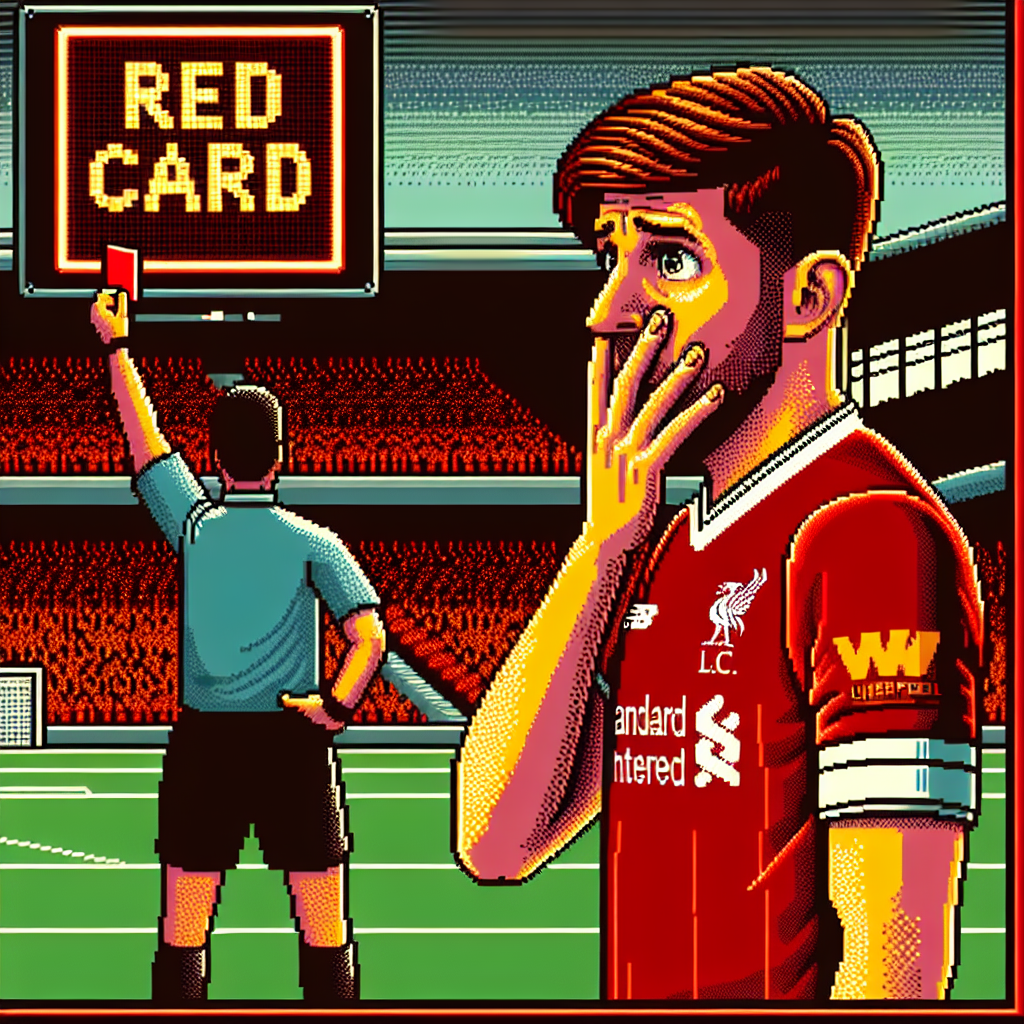
In a recent match, Hugo Ekitike received a red card that has been characterized as “stupid” by his manager, Arne Slot. Ekitike’s dismissal came at a crucial point in the game, turning the tide against his team and leaving them to fight an uphill battle without one of their key players. This incident not only puts a dent in Ekitike’s personal ambitions but also significantly affects Liverpool’s tactical setup in the upcoming fixtures.

The red card was not just a moment of madness; it was a culmination of frustration that bubbled over, affecting the player’s judgment. Managers often emphasize the importance of discipline on the field, and Ekitike’s rash decision serves as a reminder of how quickly a situation can spiral out of control. His absence will be felt, especially in the next matches where every point counts.

The Upcoming Matches Ekitike Will Miss

With the red card comes a suspension, and for Ekitike, that means missing several critical matches against formidable opponents. Here’s what to expect:

1. Match against Manchester United: A heated rivalry where Liverpool will miss Ekitike’s attacking prowess. 2. Fixture against Chelsea: Another pivotal match that could determine their standing in the league. 3. Game against Arsenal: Facing one of the top teams without a key player is never easy, and Liverpool will need to strategize accordingly. 4. Next Cup Fixture: Any aspirations for cup success could be impacted without Ekitike’s contributions.

Key Takeaways

Discipline is Key: Ekitike’s red card highlights the importance of maintaining composure under pressure, especially in high-stakes matches. – Impact on Team Dynamics: His absence will force Liverpool to reevaluate their strategies and lineup, potentially affecting overall performance. – Player Accountability: Managers like Arne Slot are vocal about player conduct, emphasizing that decisions on the pitch can have lasting consequences. – Upcoming Challenges: Liverpool faces a tough schedule without Ekitike, making every match a critical test of their depth and resilience.

Conclusion: Learning from Mistakes

As football fans, we often find ourselves at the edge of our seats, reveling in the highs and lows of the game. Hugo Ekitike’s recent red card serves as a cautionary tale for players and teams alike. It reminds us that the passion that fuels the game can also lead to costly mistakes. As Liverpool prepares for the upcoming matches without him, one can only hope that Ekitike reflects on this experience and returns with renewed focus and determination.

Sources

– “The Liverpool Games Hugo Ekitike Will Miss After ‘Stupid’ Red Card – Sports Illustrated”

In today’s fast-paced world of football, every decision matters, and players must learn to harness their passion wisely. Let’s keep our fingers crossed for Ekitike’s return, hopefully wiser and more composed.


Related update: We recently published an article that expands on this topic: read the latest post.


Related update: We recently published an article that expands on this topic: read the latest post.