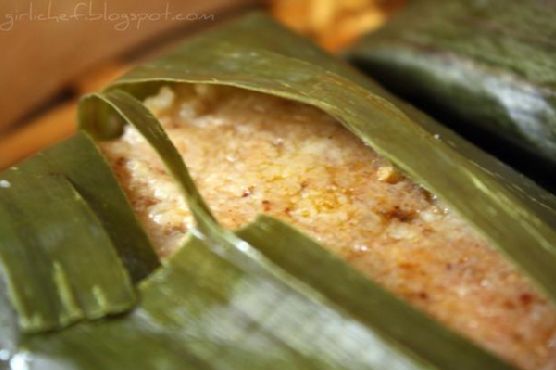
Siew Mai | Made by Meaghan Moineau

Siew Mai Recipe: A Delightful Dim Sum Treat

Intro

Growing up, weekends meant one thing: dim sum with the family. We would gather around a bustling table, eagerly awaiting the arrival of steaming baskets of our favorite dumplings. Among them, Siew Mai was always a standout. These flavorful pork dumplings, adorned with vibrant toppings, were a family favorite. Now, I’m excited to share this treasured recipe with you, bringing the joy of dim sum into your home.

Why You’ll Love It

Siew Mai, also known as Shumai, offers a delightful combination of flavors and textures that will captivate your taste buds. The juicy pork filling, coupled with the subtle crunch of water chestnuts and a burst of umami from mushrooms, creates a harmonious blend. Whether you’re a dim sum aficionado or a first-timer, these dumplings are sure to become a beloved addition to your culinary repertoire.

Ingredients

  • Wonton wrappers
  • 700g fatty pork
  • 2 tablespoons corn starch
  • 1 teaspoon salt
  • 1 teaspoon white ground pepper
  • 1/2 teaspoon sugar
  • 1 teaspoon Worcestershire sauce or Maggie Seasoning Sauce
  • 2 tablespoons Shaoxing Huatiao wine
  • 2 tablespoons sesame oil
  • 80g canned water chestnuts
  • 4 large Chinese mushrooms
  • 1 small carrot
  • Cooked whole shrimp
  • Raw glutinous rice
  • Shallots
  • Ginger
  • Cooking oil
  • Dried shrimps
  • Cooked dried scallops
  • Light soy sauce
  • Oyster sauce
  • 2 lap cheongs (Chinese sausages)
  • Water

Instructions

  1. To prepare the pork filling, mince 700g of pork and place it in a large mixing bowl. Add 2 tablespoons of corn starch, 1 teaspoon of salt, 1 teaspoon of white ground pepper, 1/2 teaspoon of sugar, 1 teaspoon of Worcestershire sauce, 2 tablespoons of Shaoxing Huatiao wine, and 2 tablespoons of sesame oil.
  2. Roughly chop 80g of water chestnuts and 4 large Chinese mushrooms into fine pieces. Add them to the pork mixture and mix well to combine.
  3. Finely dice a small carrot. Set aside the pork mixture and diced carrots for garnishing.
  4. For the glutinous rice filling, soak 2 lap cheongs in boiling water until the skin separates. Remove the skin and dice the meat.
  5. In a large saucepan, pan-fry the diced lap cheong until golden red. Follow instructions to prepare the glutinous rice as per Glutinous Rice in Lotus Leaf. Add fried lap cheong pieces and set aside to cool.
  6. To wrap the dumplings, place a wonton wrapper on a flat surface. Add a teaspoon of filling in the center, wet the edges with water, and fold the wrapper around the filling tightly.
  7. Top each pork Siew Mai with a shrimp and diced carrot. Add more lap cheong pieces to the glutinous rice Siew Mai if desired.
  8. Place dumplings in a steamer lined with baking paper. Steam over boiling water for 14-15 minutes or until cooked. Serve hot.

Tips

For the best texture, ensure that the pork is fatty, as this keeps the dumplings juicy. When wrapping, make sure the dumplings are tightly sealed to prevent them from falling apart during steaming.

Variations & Substitutions

If you prefer a different protein, ground chicken or turkey can be used instead of pork. For a vegetarian option, substitute the meat filling with a mixture of finely chopped vegetables like cabbage, mushrooms, and tofu. Feel free to experiment with different toppings, such as salmon roe or salted egg yolk, to enhance the visual appeal and taste.

Storage

Uncooked Siew Mai can be frozen for up to three months. To prevent them from sticking, dust a container with flour before placing the dumplings inside. When ready to serve, steam directly from the freezer for an additional 2-3 minutes.

FAQ

Can I make Siew Mai ahead of time?

Yes, you can prepare the fillings a day in advance and store them in the refrigerator. Assemble the dumplings just before steaming for the freshest taste.

What can I serve with Siew Mai?

Siew Mai pairs beautifully with a variety of dipping sauces, such as soy sauce, chili oil, or a simple vinegar and ginger dip. Serve them alongside other dim sum favorites for a complete meal.

Is there a gluten-free option?

To make this recipe gluten-free, use gluten-free wonton wrappers and replace soy sauce with a gluten-free alternative. Ensure all other ingredients are verified gluten-free.

Nutrition

While exact nutrition will vary based on specific ingredients and quantities used, Siew Mai is generally a good source of protein and provides essential vitamins and minerals from the vegetables and shrimp. For a healthier option, use lean pork or substitute with chicken.

Conclusion

Siew Mai is more than just a dumpling; it’s a celebration of flavors and a connection to cherished memories of family gatherings. Whether you’re reminiscing about past dim sum experiences or creating new ones, this recipe is sure to bring warmth and joy to your table. Happy cooking!

Related update: Siew Mai

Related update: Baked Rigatoni
Siew Mai | Made by Meaghan Moineau

Siew Mai: A Delightful Dim Sum Classic

Intro

Growing up, dim sum Sundays were a cherished tradition in my family. We would gather around a bustling table, eagerly anticipating the arrival of steaming bamboo baskets filled with an assortment of dumplings. Among my favorites was siew mai, a delectable pork and shrimp dumpling that quickly won my heart with its savory filling and delightful textures. Today, I’m excited to share my family’s recipe for siew mai, a dish that brings back fond memories and continues to be a beloved part of our dining experience.

Why You’ll Love It

Siew mai is a timeless dish that has captivated taste buds for generations. Here’s why you’ll love making and eating these delicious dumplings:

  • Flavorful Filling: The combination of pork, shrimp, and Chinese sausages creates a savory and satisfying flavor profile.
  • Texture Delight: The tender pork is complemented by the crunch of water chestnuts and the chewy texture of glutinous rice.
  • Customizable: Easily adapt the recipe to suit your taste preferences with variations and substitutions.
  • Perfect for Sharing: These bite-sized delights are perfect for gatherings and will surely impress your guests.

Ingredients

  • Wonton wrappers
  • 700g fatty pork
  • 2 tablespoons corn starch
  • 1 teaspoon salt
  • 1 teaspoon white ground pepper
  • 1/2 teaspoon sugar
  • 1 teaspoon Worcestershire sauce or Maggie Seasoning Sauce
  • 2 tablespoons Shaoxing Huatiao wine
  • 2 tablespoons sesame oil
  • 80g canned water chestnuts
  • 4 large Chinese mushrooms
  • Cooked whole shrimp
  • Carrot
  • 2 lap cheongs (Chinese sausages)
  • Raw glutinous rice
  • Shallots
  • Ginger
  • Cooking oil
  • Dried shrimps
  • Cooked dried scallops
  • Light soy sauce
  • Oyster sauce

Instructions

  1. To prepare the pork filling, mince 700g of pork and place it in a large mixing bowl.
  2. Add 2 tablespoons of corn starch, 1 teaspoon of salt, 1 teaspoon of ground white pepper, 1/2 teaspoon of sugar, 1 teaspoon of Worcestershire sauce, 2 tablespoons of Shaoxing Huatiao wine, and 2 tablespoons of sesame oil. Mix well.
  3. Roughly chop 80g of canned water chestnuts and 4 large Chinese mushrooms into fine pieces. Add to the pork mixture and combine thoroughly.
  4. Finely dice a small carrot to garnish the siew mai later. Set aside.
  5. For the glutinous rice filling, soak 2 lap cheongs in boiling water until the skin separates. Remove the skin and dice the sausages.
  6. In a large saucepan over medium-high heat, pan fry the diced lap cheong until they are golden. Follow the instructions for glutinous rice preparation and stir-fry until fragrant. Add the fried lap cheong pieces and set aside to cool.
  7. Prepare the wonton wrappers by placing a sheet on a flat surface. Place a teaspoon of filling in the center of each wrapper.
  8. Dampen your finger with water and wet the edges of the wonton wrapper. Gather the wrapper around the filling and squeeze gently to seal.
  9. Top each pork siew mai with a shrimp and garnish with chopped carrot.
  10. Place the dumplings in a steamer lined with perforated baking paper. Steam over boiling water for 14-15 minutes or until cooked through.
  11. Serve hot, or freeze uncooked dumplings for later use.

Tips

To ensure the best results when making siew mai, keep these tips in mind:

  • Keep it Tight: Make sure the dumplings are tightly wrapped to prevent them from falling apart while steaming.
  • Use Fresh Ingredients: Fresh shrimp and quality pork make a significant difference in taste.
  • Steam Properly: Ensure steam can circulate by cutting holes in the baking paper lining the steamer.

Variations & Substitutions

Feel free to experiment with these variations to suit your preferences:

  • Vegetarian Siew Mai: Replace meat with chopped vegetables such as mushrooms, carrots, and bamboo shoots.
  • Spicy Twist: Add a dash of chili oil or finely chopped fresh chili for a spicy kick.
  • Flavor Enhancers: Add a touch of grated ginger or garlic for additional depth of flavor.

Storage

Siew mai is best enjoyed fresh, but if you have leftovers, store them in an airtight container in the refrigerator for up to 2 days. To freeze uncooked siew mai, place them on a baking sheet lined with parchment paper, freeze until solid, and then transfer to a freezer-safe container. They can be steamed directly from frozen.

FAQ

Can I make siew mai without shrimp?

Yes, you can omit the shrimp if desired. The pork filling is flavorful enough on its own, or you could increase the amount of pork or add other ingredients like mushrooms for added texture and taste.

What can I use instead of wonton wrappers?

If you don’t have wonton wrappers, you can use dumpling wrappers or even make your own from scratch using flour and water. The texture may vary slightly, but they’ll still be delicious.

Nutrition

While exact nutritional values can vary, siew mai is a protein-rich dish thanks to the pork and shrimp. The inclusion of vegetables like mushrooms and water chestnuts adds fiber and vitamins. Opt for leaner pork cuts to reduce fat content if desired.

Conclusion

Siew mai is more than just a dish; it’s a culinary tradition that brings people together. Whether you’re enjoying it as part of a dim sum spread or making it the star of your meal, siew mai is sure to delight with its savory flavors and satisfying textures. I hope this recipe brings joy to your kitchen and adds a touch of nostalgia to your dining table. Happy cooking!

Related update: Siew Mai

Related update: Red, White, and Blue Fruit Salsa

Related update: Lamb Tagine Stew

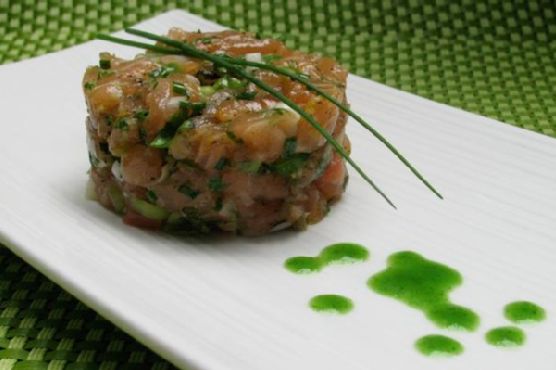
Jade Buddha Salmon Tartare | Made by Meaghan Moineau

Jade Buddha Salmon Tartare | Made by Meaghan Moineau

Title: A Taste of Serenity: Crafting the Perfect Jade Buddha Salmon Tartare
Description: Dive into the serene flavors of the Jade Buddha Salmon Tartare, a dish that blends the freshness of the sea with the vibrant zest of Asian herbs and spices. Discover a cherished family memory that makes this recipe not just a meal, but a journey through time.

---


There’s something inherently calming about the ritual of preparing a dish that has been passed down through generations. The Jade Buddha Salmon Tartare is one such recipe in my family, a tapestry of flavors woven together with love, history, and a touch of nostalgia.


Growing up, my grandmother’s kitchen was a place of wonder. A symphony of aromas would greet you at the door, promising both comfort and adventure. Among her many culinary masterpieces, the Jade Buddha Salmon Tartare held a special place. Its preparation was reserved for moments that called for celebration or reflection, occasions when the family would gather around the table, sharing stories and laughter.


The tartare’s ingredients are a harmonious blend of the ocean’s bounty and the garden’s freshest herbs. Diced salmon serves as the star, its soft, rich texture complemented by the sharpness of green onion and chives. Cilantro and Thai basil bring an unexpected depth, while the ginger adds a whisper of warmth. The dish is tied together with a kick of green habanero sauce, playing off the subtle heat of the chile, and seasoned to perfection with salt and pepper. A gentle coat of olive oil ensures a luxurious finish.


Ingredients:

- Diced salmon


- Green onion


- Chives


- Cilantro


- Thai basil


- Ginger


- Lime zest


- Lime juice


- Rice vinegar


- Green habanero sauce and chile


- Salt and pepper


- Olive oil to coat


Instructions:

1. Combine all ingredients except for the lime juice and rice vinegar in a mixing bowl.


2. Chill the mixture for 30 minutes to allow the flavors to meld.


3. Just before serving, add lime juice and rice vinegar, adjusting to taste.


4. Serve immediately for a refreshing, vibrant experience.


Difficulty: 5/10
Classification: Appetizer

The first time I attempted to recreate this dish on my own, I was a wide-eyed teenager eager to connect with my heritage. My grandmother stood beside me, her hands deftly guiding mine as we worked. “Cooking is about feeling, not just following,” she’d say, as she taught me to trust my instincts with seasoning and balance.


To this day, the act of preparing Jade Buddha Salmon Tartare transports me back to those cherished afternoons, fingers sticky with lime juice and the air buzzing with the vibrancy of fresh herbs. This dish is more than a recipe; it’s a bridge to the past, a reminder of the enduring legacy of family traditions.


Whether you’re serving this tartare as a sophisticated appetizer for a dinner party or enjoying it in a quiet moment of solitude, allow it to be more than just a meal. Let it be a meditation on flavor, memory, and the simple joys of cooking from the heart.

Read more about Appetizers

Read more about Main Dishes

Read more about Desserts

Siew Mai | Made by Meaghan Moineau

Siew Mai | Made by Meaghan Moineau

Title: "Savor the Tradition: Crafting Authentic Siew Mai at Home"
Description:

Journey into the heart of Asian cuisine with our detailed guide to making authentic Siew Mai. Discover the blend of succulent pork, fragrant glutinous rice, and traditional Chinese flavors that make this dish a cherished family favorite. Infused with a personal story and rated for difficulty, this recipe will guide you in creating an appetizer that’s sure to impress.


---


Savor the Tradition: Crafting Authentic Siew Mai at Home

In the world of dim sum, Siew Mai holds a special place. These delicate dumplings, with their tender pork filling and aromatic glutinous rice, are a staple in Cantonese cuisine and beloved by many. Today, I invite you to dive into the art of making Siew Mai from scratch — a journey filled with rich flavors and nostalgic family memories.


Ingredients:

*For the Pork Filling:*


- Wonton wrappers


- 700g minced fatty pork


- 2 tablespoons corn starch


- 1 teaspoon salt


- 1 teaspoon white ground pepper


- 1/2 teaspoon sugar


- 1 teaspoon Worcestershire sauce or Maggie Seasoning Sauce


- 2 tablespoons Shaoxing Huatiao wine


- 2 tablespoons sesame oil


- 80g canned water chestnuts, finely chopped


- 4 large Chinese mushrooms, finely chopped


- Carrot, finely diced for garnish


- Cooked whole shrimp


*For the Glutinous Rice Filling:*


- Raw glutinous rice, prepared as per instructions (see link to Glutinous Rice in Lotus Leaf)


- 2 lap cheongs (Chinese sausages)


- Shallots


- Ginger


- Cooking oil


- Dried shrimps


- Cooked dried scallops


- Mushrooms


- Water


- Light soy sauce


- Oyster sauce


- White ground pepper


Instructions:
1. Preparing the Pork Filling:

Start by mincing 700g of fatty pork and place it in a large mixing bowl. Add corn starch, salt, white ground pepper, sugar, Worcestershire sauce, Shaoxing Huatiao wine, and sesame oil.


Next, roughly chop the water chestnuts and Chinese mushrooms before adding them to the pork mixture. Mix all ingredients well to combine. Set aside the mixture along with the finely diced carrot for garnish.


2. Preparing the Glutinous Rice Filling:

Soak the lap cheongs in boiling water until the skin separates. Remove the skin, dice the sausages, and pan fry until golden. Prepare the glutinous rice as per the instructions detailed in the Glutinous Rice in Lotus Leaf recipe. Once ready, combine with the fried lap cheong pieces and set aside to cool.


3. Assembling the Dumplings:

Lay a wonton wrapper flat and place a teaspoon of the pork or glutinous rice filling in the center. Wet the edges of the wrapper and gather it around the filling, squeezing gently to form a tight dumpling. Top each pork Siew Mai with a whole shrimp and some carrot for a pop of color. For the glutinous rice Siew Mai, add extra lap cheong pieces on top if desired.


Arrange the dumplings in a steamer lined with baking paper, ensuring steam can circulate through small holes. Steam over boiling water for 14-15 minutes until cooked through.


4. Serving and Storage:

Serve the dumplings hot. Uncooked dumplings can be frozen for future enjoyment. Simply dust them with flour to prevent sticking before storage.


A Family Memory:

Every Sunday morning, my family would gather at my grandmother’s house, the air filled with the aroma of steaming Siew Mai. My grandmother, with her deft hands, would teach us the art of folding dumplings, her stories interwoven with each precise fold. It was more than just cooking; it was a lesson in tradition and love. These moments, rich with laughter and shared stories, are forever etched in my mind, making Siew Mai more than a dish, but a cherished family tradition.


Difficulty Level: 7/10
Classification: Appetizer

Creating Siew Mai is a rewarding endeavor that brings both flavor and tradition to your table. Whether you're a novice or a seasoned cook, this dish will challenge your culinary skills while offering a taste of cherished Asian heritage. Enjoy crafting these delicious dumplings and creating memories of your own.

Read more about Appetizers

Read more about Main Dishes

Read more about Desserts

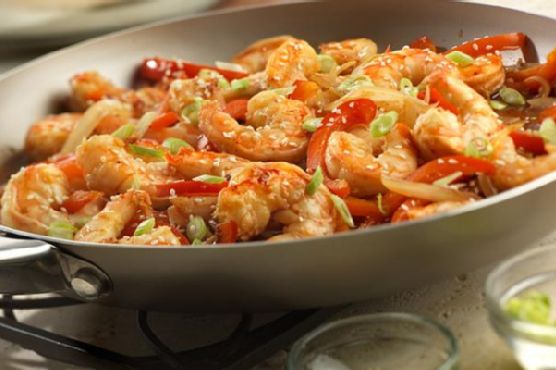
Asian Shrimp Stir-Fry | Made by Meaghan Moineau

Asian Shrimp Stir-Fry | Made by Meaghan Moineau

Sizzling Asian Shrimp Stir-Fry: A Family Favorite with a Nostalgic Twist


Description

Dive into the vibrant flavors of Asia with our Asian Shrimp Stir-Fry. This quick and easy dish combines succulent shrimp with colorful vegetables, all wrapped in a savory sauce that bursts with umami. Perfect for busy weeknights, this stir-fry is not only a feast for the taste buds but also a walk down memory lane. Rated 4 out of 10 in difficulty, it's an ideal main dish that will have your family asking for seconds.

A Trip Down Memory Lane

Growing up, Sunday dinners at my grandmother's house were a cherished tradition. The aroma of sizzling garlic and ginger wafting through the air was our signal to gather around the kitchen, eagerly anticipating the culinary magic that was about to unfold. My grandmother, with her well-worn apron and twinkling eyes, would expertly toss shrimp and vibrant vegetables in her trusty skillet, weaving love and laughter into every dish she made.

Her Asian Shrimp Stir-Fry was always the star of the meal. The sound of the shrimp hitting the hot pan was like music, a rhythmic reminder of the warmth and comfort of family gatherings. As we sat around the table, sharing stories and savoring each bite, the stir-fry became more than just a dish; it was a vessel of connection, binding generations together with its rich flavors and cherished memories.


Ingredients


- 2 tablespoons canola oil


- 1 pound shrimp, peeled and deveined


- 1 red bell pepper, thinly sliced


- 1 yellow onion, thinly sliced


- 3 cloves garlic, minced


- 1 tablespoon fresh ginger root, grated


- 1/2 teaspoon crushed red pepper


- 1/4 cup flavor concentrated seafood broth


- 2 tablespoons soy sauce


- 1 teaspoon sugar


- 1 tablespoon water


- 1 teaspoon sesame oil


- 1 tablespoon sesame seeds


- 2 green onions, sliced


Instructions


1. Prepare the Skillet:

Heat the canola oil in a 12-inch skillet over medium-high heat. Once the oil is hot, add the shrimp and stir-fry for 3 minutes, or until they are cooked through and pink. Remove the shrimp from the skillet and set aside.


2. Sauté the Vegetables:

Add the red bell pepper and yellow onion to the same skillet. Stir-fry for 2 minutes, or until the vegetables are tender-crisp yet vibrant.


3. Infuse with Flavor:

Add the minced garlic, grated ginger root, and crushed red pepper to the skillet. Stir-fry for 30 seconds, allowing the fragrant aromas to permeate the kitchen.


4. Combine and Simmer:

Return the shrimp to the skillet. Stir in the concentrated seafood broth, soy sauce, sugar, and water. Cook for 1 minute, ensuring the mixture is hot and well-incorporated.


5. Finish with Flair:

Remove the skillet from the heat and stir in the sesame oil for a nutty finish. Sprinkle the shrimp mixture with sesame seeds and sliced green onions for garnish.


A Dish to Remember

This Asian Shrimp Stir-Fry is more than just a meal; it's a cherished family memory, reimagined. With its bright colors and rich flavors, it captures the essence of those Sunday dinners, inviting you to create your own memories around the table. Whether you're cooking for family or friends, this dish promises to bring joy, warmth, and a touch of nostalgia to your dining experience.

Difficulty: 4/10

Classification: Main Dish


So why not gather your loved ones, roll up your sleeves, and recreate this beloved family favorite? After all, the best meals are those shared with the ones you cherish most.

Read more about Appetizers

Read more about Main Dishes

Read more about Desserts

Salmon In Banana Leaf | Made by Meaghan Moineau

Salmon In Banana Leaf | Made by Meaghan Moineau

# Discover the Exquisite Flavors of Salmon in Banana Leaf


## A Culinary Journey Wrapped in Tradition


In the world of gastronomy, few experiences can match the delicate balance of flavors and textures found in a perfectly cooked dish. Today, we're diving into the vibrant and aromatic world of **Salmon in Banana Leaf**. This recipe not only tantalizes the taste buds but also evokes cherished memories of family gatherings and culinary adventures.


### Ingredients that Tell a Story


- Banana leaves


- Cinnamon


- Fennel seed


- Fish sauce


- Garlic


- Ginger


- Peach preserves


- Red chiles


- Rice


- Rice wine vinegar


- Salmon steaks


- Scallions


- Sesame oil


- Soy sauce


- Star anise


- Tahini


- Vegetable oil


### A Nostalgic Culinary Memory


Growing up, our family kitchen was always bustling with activity and delightful aromas. One of my fondest memories is watching my grandmother prepare Salmon in Banana Leaf for our annual summer reunion. As the youngest, I was given the important task of gathering fresh banana leaves from the garden—a task I took on with great pride.


As the salmon marinated, my grandmother would weave stories of her childhood, sharing tales of her own family's gatherings filled with laughter and the clinking of chopsticks. The process of wrapping the salmon in banana leaves, a skill she passed down through generations, felt like a rite of passage. The anticipation built as the fragrant parcels were steamed to perfection, creating an unforgettable sensory experience.


### Step-by-Step Instructions


1. **Marinate the Salmon:** Begin by mixing the marinade ingredients (cinnamon, fennel seed, fish sauce, garlic, ginger, peach preserves, red chiles, rice wine vinegar, soy sauce, sesame oil, star anise, and tahini) in a large bag or container. Add the salmon steaks and refrigerate for at least 30 minutes, or up to 2 hours for maximum flavor infusion.


2. **Prepare the Scented Rice Powder:** While the salmon is marinating, combine rice, fennel seed, and star anise in a spice grinder. Pulse until coarsely ground, leaving some larger crumbles for texture.


3. **Wrap the Salmon:** Remove salmon from the marinade, discarding the excess. Coat each piece with the scented rice powder. Lay banana leaves flat, placing one salmon fillet in the center of each. Fold the leaves over the salmon, creating a neatly wrapped package.


4. **Steam the Salmon:** Place the banana leaf packages in a steamer basket over boiling water. Steam for 10-13 minutes until the salmon is cooked through.


5. **Serve and Enjoy:** Carefully make a slit in the banana leaves to reveal the succulent salmon inside. Serve alongside Chinese noodles, corn, and the remaining marinade as a dipping sauce.


### A Dish with Depth


**Difficulty:** 6/10


**Classification:** Main Dish


Crafting Salmon in Banana Leaf is a culinary adventure that brings together a symphony of flavors and textures. The aromatic blend of spices and the subtle sweetness of peach preserves create a dish that is both exotic and comforting. It's a recipe that transforms a simple meal into an experience, one that is perfect for impressing guests or simply enjoying a quiet evening at home.


### The Legacy of Flavor


As you savor each bite of this delightful dish, take a moment to reflect on the memories that food can evoke. Whether it's a family tradition or a new culinary endeavor, Salmon in Banana Leaf promises to be a recipe that you'll return to time and time again. So gather your ingredients, embrace the process, and let the flavors transport you to a place of nostalgia and joy.

Read more about Appetizers

Read more about Main Dishes

Read more about Desserts