Auto groups lobby Trump administration against parts tariffs in rare unified message – CNBC | Analysis by Brian Moineau

Auto groups lobby Trump administration against parts tariffs in rare unified message - CNBC | Analysis by Brian Moineau

Title: The Auto Industry's Unusual Alliance: When Competitors Rally for a Common Cause

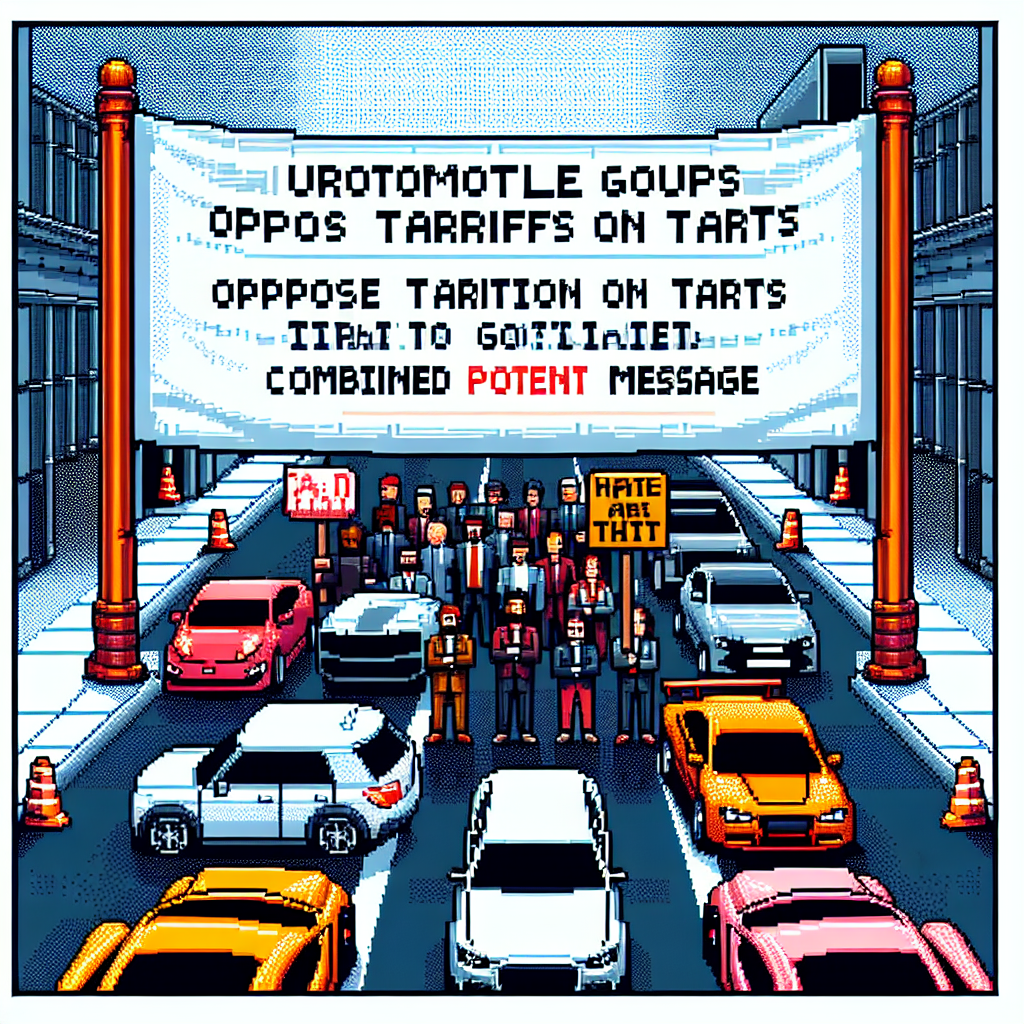
In a rare show of unity, automotive giants and their allies have come together to send a loud and clear message to the Trump administration: tariffs on auto parts could spell trouble for U.S. automotive production. It’s not every day you see franchised dealers, suppliers, and nearly all major automakers singing the same tune, but these are no ordinary times.

Driving in the Same Lane

The proposed tariffs have driven these industry titans to form an alliance typically reserved for the racetrack rather than the boardroom. Facing the prospect of increased costs that could stifle innovation and lead to higher prices for consumers, the industry has collectively decided that enough is enough.

It's reminiscent of the time when Ford and General Motors, despite their fierce rivalry, joined forces during World War II to support the war effort. Today, it seems that the enemy is the potential economic fallout from tariffs, which could disrupt supply chains and increase production costs, ultimately driving vehicle prices higher and putting American jobs at risk.

A Global Perspective

The auto industry isn't just a domestic affair; it's a global network intricately woven together. The imposition of tariffs could lead to retaliatory measures from other countries, echoing the trade tensions we've seen in recent years. For instance, the trade war between the U.S. and China taught us that tit-for-tat tariffs can have widespread repercussions, from agricultural products to technology.

Furthermore, the auto industry is undergoing a transformative era with the rise of electric vehicles (EVs) and autonomous driving technology. Companies are investing billions in a race to dominate the future of transportation. Tariffs could slow down these advancements by diverting resources away from innovation and into dealing with increased costs.

Lessons from the Past

Historically, tariffs have been a double-edged sword. The Smoot-Hawley Tariff Act of 1930, for example, was intended to protect American industries during the Great Depression but instead contributed to a global economic downturn. While it's important to protect domestic industries, history has shown that isolationist policies can backfire, leading to unintended consequences.

Connecting the Dots

As the world grapples with challenges like climate change and the transition to renewable energy, the automotive industry plays a crucial role in reducing carbon emissions. The imposition of tariffs could hinder progress in this area, as companies may find it more difficult to invest in cleaner technologies.

Moreover, the global pandemic has already disrupted supply chains, highlighting the need for resilience and cooperation. Just as the world came together to develop vaccines and address COVID-19, the auto industry is demonstrating that collaboration is key to overcoming challenges.

Final Thoughts

The unified stance of the auto industry against parts tariffs is a testament to the power of collaboration in the face of adversity. It serves as a reminder that sometimes, even fierce competitors must come together to safeguard their collective future. As we navigate an ever-changing global landscape, the lessons learned from this alliance could serve as a blueprint for other industries facing similar challenges.

In the end, whether it's on the production line or the global stage, cooperation and open dialogue are essential for steering the world toward a prosperous and sustainable future. As the auto industry shifts gears, one thing is clear: together, they are stronger, and their message is one we should all heed.

Read more about AI in Business
Read more about Latest Sports Trends

Read more about Technology Innovations

Trump finds unexpected ally in auto union leader over tariffs – CNBC | Analysis by Brian Moineau

Trump finds unexpected ally in auto union leader over tariffs - CNBC | Analysis by Brian Moineau

Title: Bridging the Political Chasm: Trump and UAW's Unlikely Tariff Tango

In a plot twist worthy of a Hollywood script, former President Donald Trump has found an unexpected ally in United Auto Workers (UAW) President Shawn Fain. The topic bringing these two unlikely partners together? Tariffs. Specifically, the 25% levies on automobiles and supporting parts that have been a hallmark of Trump's trade policies.

# From Rivalry to Rendezvous


To understand the significance of this alignment, we need to consider the broader tapestry of U.S. economic and political dynamics. Historically, labor unions like the UAW have leaned towards more left-leaning policies, often clashing with conservative agendas. So, when Shawn Fain, a staunch advocate for workers' rights, steps into the ring in support of Trump's tariffs, it raises eyebrows and questions alike.

This alliance is not just about shaking hands across the aisle; it represents a complex dance of interests. For Fain, the tariffs promise a boost to American manufacturing by making imported vehicles more expensive compared to their domestic counterparts. It's a strategy aimed at reviving the American auto industry and safeguarding union jobs from the relentless tide of globalization.

# The Global Ripple Effect


While this domestic drama unfolds, the world stage is not untouched. Similar patterns can be observed globally as countries grapple with balancing protectionist strategies and free trade. Take, for instance, the European Union's own struggles with tariffs in response to the U.S.'s moves, revealing a fragile web of international trade relations.

Moreover, this development in the auto sector coincides with a broader shift in global economies towards sustainability and innovation. As the industry pivots towards electric vehicles (EVs), tariffs could potentially redefine the competitive landscape. Companies like Tesla and Rivian are already capitalizing on this transition, and the tariffs may further accelerate the push for a stronger domestic EV market.

# A Closer Look at the Players


Delving deeper into the personas involved, Donald Trump is no stranger to controversy. Known for his bold and often polarizing tactics, his imposition of tariffs has been both lauded as a strategic move to bolster American industries and criticized as a catalyst for trade wars. His tenure saw a reimagining of foreign trade policies, often steering them towards a "America First" doctrine.

On the other side, Shawn Fain represents the voice of the workers. His tenure as UAW President has been marked by a commitment to protecting jobs and improving conditions for auto workers. By aligning with Trump on this issue, Fain is not just making a political statement but is also recalibrating the union's strategy to ensure its survival in a rapidly changing economic landscape.

# Final Thoughts


In the grand theater of politics and economics, alliances are as fluid as they are unpredictable. The unexpected partnership between Trump and Fain over auto tariffs is a testament to the complexities of modern-day policymaking. It serves as a reminder that common goals can often transcend ideological divides, bringing together the most unlikely of allies.

As the dust settles, the real question remains: will these tariffs achieve their intended effect of revitalizing American manufacturing, or will they merely serve as another chapter in the ever-evolving saga of global trade tensions? Only time will tell, but one thing is certain—where there's a wheel, there's a way.

Read more about AI in Business

Read more about Latest Sports Trends

Read more about Technology Innovations