Arch Mannings Concussion: Texas Footballs | Analysis by Brian Moineau

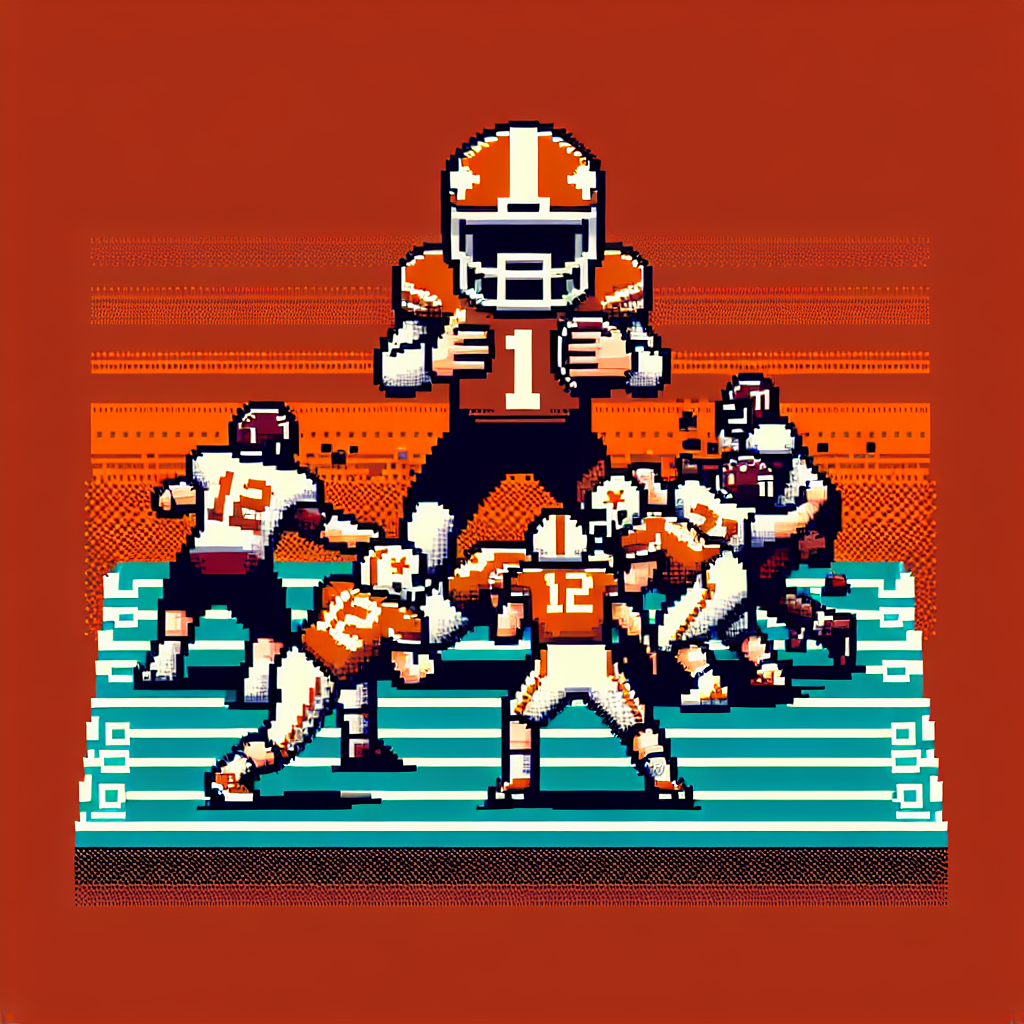
Arch Manning’s Concussion: What It Means for Texas Football and the Upcoming Matchup

As college football fans, we live for the adrenaline, the rivalries, and the unpredictable twists that each game can bring. Yet, sometimes the stakes can overshadow the thrill, especially when a young star like Arch Manning faces a serious setback. Recent reports indicate that the Texas quarterback suffered a concussion during the game against Mississippi State, raising concerns about his availability for next week’s critical matchup against the Commodores.

The Context: Arch Manning’s Rise and the Texas Team Dynamic

Arch Manning, the highly-touted freshman quarterback, has been a focal point of Texas football since he stepped onto the field. With a family legacy that includes NFL greats, expectations were sky-high for the young quarterback. His performances this season had shown promise, showcasing his potential to lead the Longhorns back to glory. However, injuries can be a harsh reality in sports, and this latest incident serves as a stark reminder of the physical toll of the game.

In the recent game against Mississippi State, Manning took a hit that left him sidelined. Concussions have become a pressing issue in football, with increased awareness around player safety. As the season progresses, maintaining the health of key players is crucial not only for individual performance but also for the team’s overall success.

The Texas Longhorns have shown resilience this season, but losing Manning, even temporarily, could shake the foundation they’ve built. The upcoming match against Vanderbilt is pivotal, and the team will need to navigate this challenge carefully, weighing the importance of player safety against the urgency of competitive success.

Key Takeaways

Arch Manning’s Injury: Reports confirm that Manning suffered a concussion during the game against Mississippi State, putting his availability for next week’s game in jeopardy.

Impact on Texas Football: If Manning is sidelined, the Longhorns will have to rely on backup quarterbacks, which could significantly affect their offensive strategy and performance against Vanderbilt.

Concussion Awareness: This incident underscores the ongoing conversation around player safety in college football, emphasizing the need for thorough protocols and recovery time.

Looking Ahead: The Longhorns will need to adapt quickly, as their next game against Vanderbilt is crucial for maintaining momentum in their season.

Manning’s Future: As a young athlete, Manning’s health and recovery should be prioritized, not just for this season, but for his long-term career.

Concluding Reflection

In the world of college football, the excitement is often coupled with uncertainty. As fans, we rally behind our teams and players, hoping for victories but also understanding the risks involved. Arch Manning’s concussion is a sobering reminder of the physical nature of the sport and the importance of prioritizing player health. As we look forward to the upcoming matchup against Vanderbilt, let’s hope for a swift recovery for Manning and a chance for Texas to keep its aspirations alive.

Sources

– [Burnt Orange Nation: Reports: Texas QB Arch Manning suffered concussion vs. Mississippi State](https://www.burntorangenation.com)

By keeping an eye on player safety and the dynamics of the team, we can appreciate the game’s beauty while advocating for the well-being of its players. Here’s to hoping for a safe return and thrilling games ahead!


Related update: We recently published an article that expands on this topic: read the latest post.


Related update: We recently published an article that expands on this topic: read the latest post.

Soccer Headers Damage Brains Even Without Concussions, Large Study Finds – ScienceAlert | Analysis by Brian Moineau

Soccer Headers Damage Brains Even Without Concussions, Large Study Finds – ScienceAlert | Analysis by Brian Moineau

The Beautiful Game’s Unseen Battle: Soccer Headers and Brain Health

Soccer, affectionately known as “the beautiful game,” captivates millions worldwide with its dynamic play and thrilling moments. Yet, beneath the euphoria of scoring goals and electrifying passes lies a growing concern that has the soccer community—and indeed, the sporting world—thinking twice: the impact of headers on brain health.

Recent findings from a comprehensive study published on ScienceAlert have sparked a dialogue about the potential dangers of heading the ball in soccer, even when concussions are absent. The research highlights how repetitive heading may lead to brain damage, bringing to light a crucial issue that the sport must confront.

The Silent Threat

The study in question scrutinized the long-term effects of heading the ball, indicating that even without immediate concussive symptoms, players might still endure subtle yet significant brain injuries. This revelation is not entirely new but adds weight to a growing body of evidence suggesting that the repeated, seemingly innocuous act of heading could lead to cognitive impairments over time.

The concern isn’t restricted to soccer alone. Other contact sports like American football and rugby have also faced scrutiny over brain injuries. The NFL, for instance, has been embroiled in controversies regarding chronic traumatic encephalopathy (CTE), a condition linked to repeated head traumas. The soccer study mirrors these concerns, pushing the sport’s governing bodies to reconsider current protocols and safety measures.

A Global Conversation

As soccer grapples with these findings, it joins a broader global conversation about athlete safety and long-term health. The dialogue is reminiscent of recent efforts seen in other sports to mitigate risks. For instance, in 2019, the NFL introduced new helmet designs to reduce head injuries. Similarly, the International Rugby Board has implemented stricter regulations on high tackles.

In soccer, there are calls for changes too—youth leagues in the U.S. have already banned headers for players under 11, with restrictions for older children. The English Football Association has issued guidelines to limit heading in training at all levels. These moves aim to safeguard the next generation of players, emphasizing that the well-being of athletes is paramount.

The Way Forward

The study’s findings prompt us to rethink soccer’s future, incorporating science into the sport’s evolution without losing its essence. While the idea of soccer without headers might seem radical, it’s essential to balance tradition with safety.

The conversation should also include education for players, coaches, and medical staff about the risks and signs of brain injury and the importance of reporting symptoms, even if they seem minor. This cultural shift could be pivotal in protecting players.

Final Thoughts

As we ponder these revelations, it’s crucial to embrace a proactive stance on player safety. Soccer has the potential to lead the way for other sports by adopting innovative measures that ensure the game remains beautiful—not just in play, but in its commitment to the health of its players.

Ultimately, the heart of soccer lies in its community—fans, players, and officials united by a shared love for the game. By prioritizing brain health, we can ensure that this beloved sport continues to thrive for generations to come, full of passion, skill, and, above all, safety.

So, the next time you watch a thrilling soccer match and see a player rise to head the ball, remember: behind that moment is a larger conversation about the future of the sport and the well-being of those who play it. Let’s keep the ball rolling, but safely.

Read more about AI in Business

Read more about Latest Sports Trends

Read more about Technology Innovations


Related update: We recently published an article that expands on this topic: read the latest post.