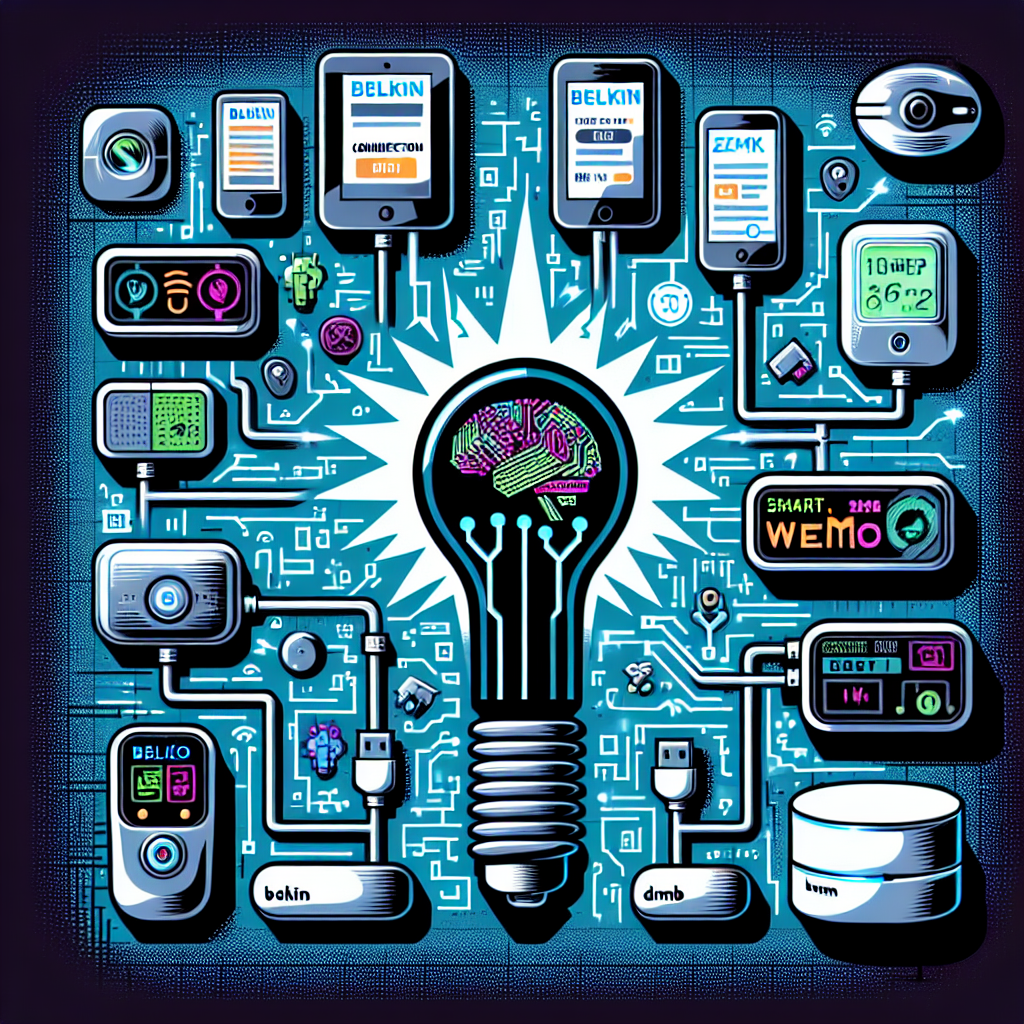
Your Wemo smart devices are about to get dumb as Belkin pulls the plug – ZDNET | Analysis by Brian Moineau

Your Wemo smart devices are about to get dumb as Belkin pulls the plug - ZDNET | Analysis by Brian Moineau

When Smart Devices Lose Their Minds: The Wemo Saga


In a world where our coffee makers remind us of meetings and our lights adjust to our moods, the idea of a "smart" home has transitioned from science fiction to reality. But what happens when our smart gadgets become, well, not so smart? The recent announcement from Belkin, the parent company of Wemo, that they are ending support for nearly all of their smart home devices, has left many users in the lurch. [ZDNet reports](https://www.zdnet.com) on this unexpected turn of events, shedding light on a growing concern in the realm of Internet of Things (IoT) devices.

The Rise and Fall of Wemo


Wemo, once a pioneer in the smart home device market, offered products that allowed users to control their home environment with the touch of a button or the sound of a voice command. From smart plugs and light switches to cameras and dimmers, Wemo was the go-to brand for many tech enthusiasts. However, as technology evolves, so do the demands and expectations of consumers.

Belkin's decision to pull the plug on Wemo support seems to be a response to the rapidly changing landscape of smart home technology. With giants like Google and Amazon dominating the market with their Google Home and Alexa ecosystems, smaller players like Wemo face intense competition. This move by Belkin may be an attempt to refocus resources or pivot their strategy in a tech world that waits for no one.

The Broader Context: When Tech Companies Abandon Ship


Wemo's situation is not isolated. As technology advances at breakneck speed, companies often leave older models and systems behind. Remember when Google decided to phase out its Works with Nest program, leaving many smart home users scrambling to find alternatives? Or when Sonos announced it would stop supporting some of its older speakers, causing an uproar among loyal customers?

These instances highlight a growing issue in the tech industry: the sustainability of smart devices. As more companies push for innovation, the longevity of devices seems to be decreasing. This cycle of constant upgrading not only burdens consumers but also raises concerns about electronic waste and environmental impact.

The Human Side of Smart Tech


While the technical aspects of this story are fascinating, it's important to remember the human side of technology. Many Wemo users have invested time and money into setting up their smart homes. For them, this news is more than just an inconvenience—it's a disruption to their daily routines. It's a reminder that in our quest for convenience, we often become reliant on technology that may not stand the test of time.

This situation also echoes a broader societal trend. As we become more dependent on technology, we must also become more adaptable. Whether it's learning to use a new app, upgrading our devices, or finding alternatives when support ends, adaptability is quickly becoming a necessary skill in our tech-driven world.

Final Thoughts: Adapt and Innovate


The Wemo saga serves as a cautionary tale for both consumers and tech companies. For consumers, it's a reminder to be mindful of the technology we depend on and to prepare for the unexpected. For companies, it's a call to prioritize customer loyalty and consider the long-term impact of their decisions.

In the end, the world of technology is ever-evolving, and with that comes both challenges and opportunities. While it's disappointing to see Wemo devices lose their "smart" capabilities, it's also a chance for innovation and reimagining what the future of smart homes might look like. As we move forward, let's embrace change, learn from the past, and continue to create a future that's not only smart but also sustainable and user-friendly.

Read more about AI in Business
Read more about Latest Sports Trends

Read more about Technology Innovations

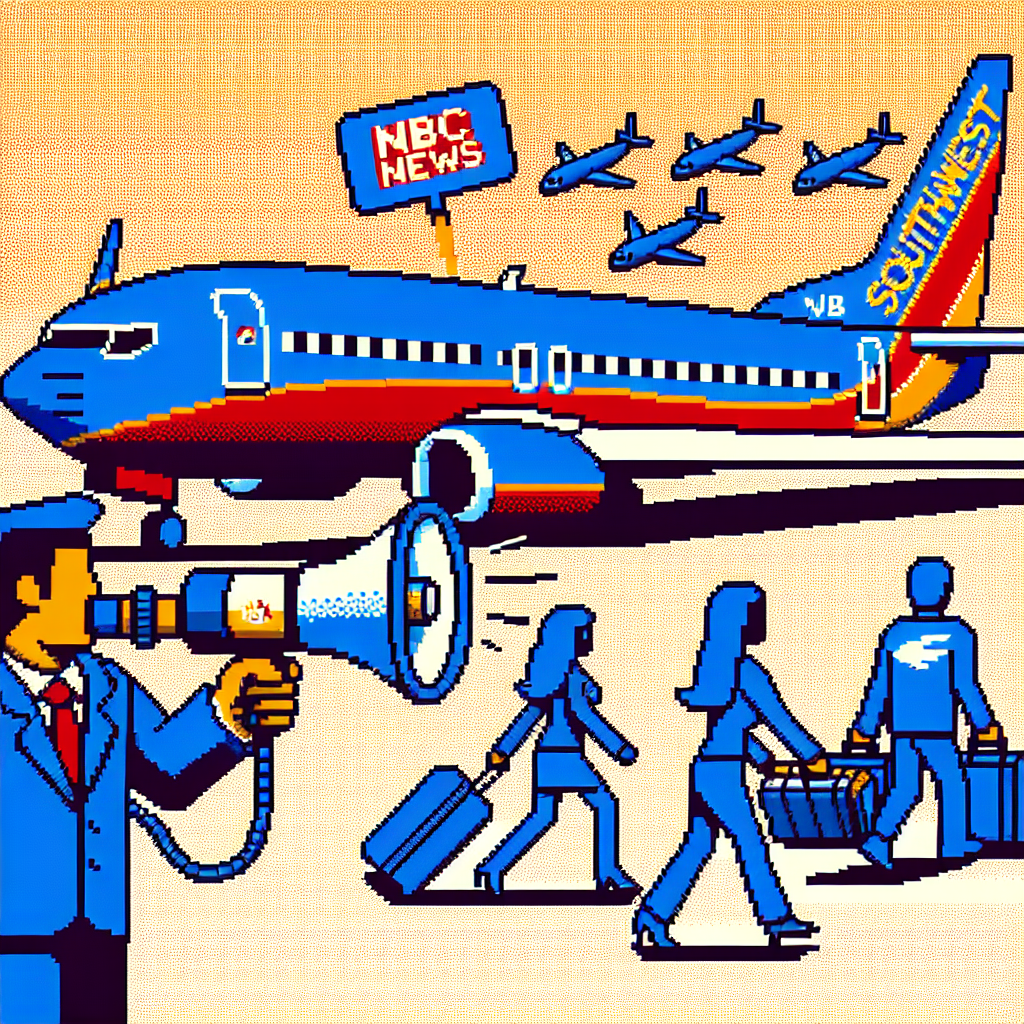
Final boarding call for free bags at Southwest as airline abandons a cherished perk – NBC News | Analysis by Brian Moineau

Final boarding call for free bags at Southwest as airline abandons a cherished perk - NBC News | Analysis by Brian Moineau

Title: Farewell to Free Bags: Southwest Airlines and the End of an Era

In a world where airlines are constantly jostling for competitive advantage, Southwest Airlines has long stood out for its customer-friendly policies. Their most cherished perk, no-fee checked bags, has been a hallmark of their service for decades. However, as the airline industry continues to evolve and adapt to new economic realities, Southwest has made the difficult decision to end this beloved policy. Today marks the last day travelers can book a Southwest flight without incurring fees for checked luggage, signaling the end of an era that many frequent flyers will undoubtedly miss.

For years, Southwest has differentiated itself from competitors by eschewing many of the fees that travelers have come to expect from budget carriers. This approach not only garnered customer loyalty but also established Southwest as a maverick in the industry—a budget airline that didn't act like one. The "Bags Fly Free" policy was a cornerstone of this strategy, providing passengers with a sense of relief and convenience not often found in air travel today.

The decision to abandon free checked bags is reflective of the broader changes sweeping across the airline industry. Rising fuel costs, increased operational expenses, and the need to remain competitive against a backdrop of fluctuating demand have forced airlines to rethink their revenue models. In this context, Southwest's move mirrors similar shifts by other airlines, which have increasingly relied on ancillary fees as a critical revenue stream.

Interestingly, this change at Southwest occurs amidst a broader societal shift towards re-evaluating what "value" means in different contexts. For example, in the world of streaming services, companies like Netflix and Disney+ have steadily increased subscription prices while introducing ad-supported tiers, reflecting a similar need to adapt to changing economic landscapes and consumer expectations.

Moreover, the move away from free checked bags aligns with a growing trend towards personalization and customization in various industries. Just as tech companies are tailoring user experiences based on individual preferences, airlines might begin offering more à la carte services, allowing passengers to pay only for what they value most—be it extra legroom, priority boarding, or, in this case, checked baggage.

While some passengers may lament the loss of free checked bags, it's worth acknowledging Southwest's broader contributions to the airline industry. The company has consistently ranked high in customer satisfaction, thanks in part to its emphasis on friendly service and straightforward pricing. As Southwest makes this transition, it remains committed to maintaining the aspects of its service that customers have come to love, even if it means incrementally adjusting other policies.

As we bid adieu to this era of free bags, travelers may find themselves reflecting on the broader implications of this shift. Much like the recent changes in international travel policies or the ongoing evolution of remote work norms, Southwest's decision underscores a period of transformation that extends beyond any single industry.

In the end, while we may grumble about the new checked bag fees, it's essential to remember that the travel experience is about more than just the cost. It's about the journey, the destinations, and the memories we create along the way. And if Southwest has taught us anything, it's that flying can be a little more fun when you're not nickel-and-dimed at every turn.

So, as you plan your next adventure, take a moment to appreciate the small joys of travel—whether it's a magnificent sunset during takeoff or the thrill of exploring a new city. After all, some things truly are priceless. Happy travels!

Read more about AI in Business

Read more about Latest Sports Trends

Read more about Technology Innovations