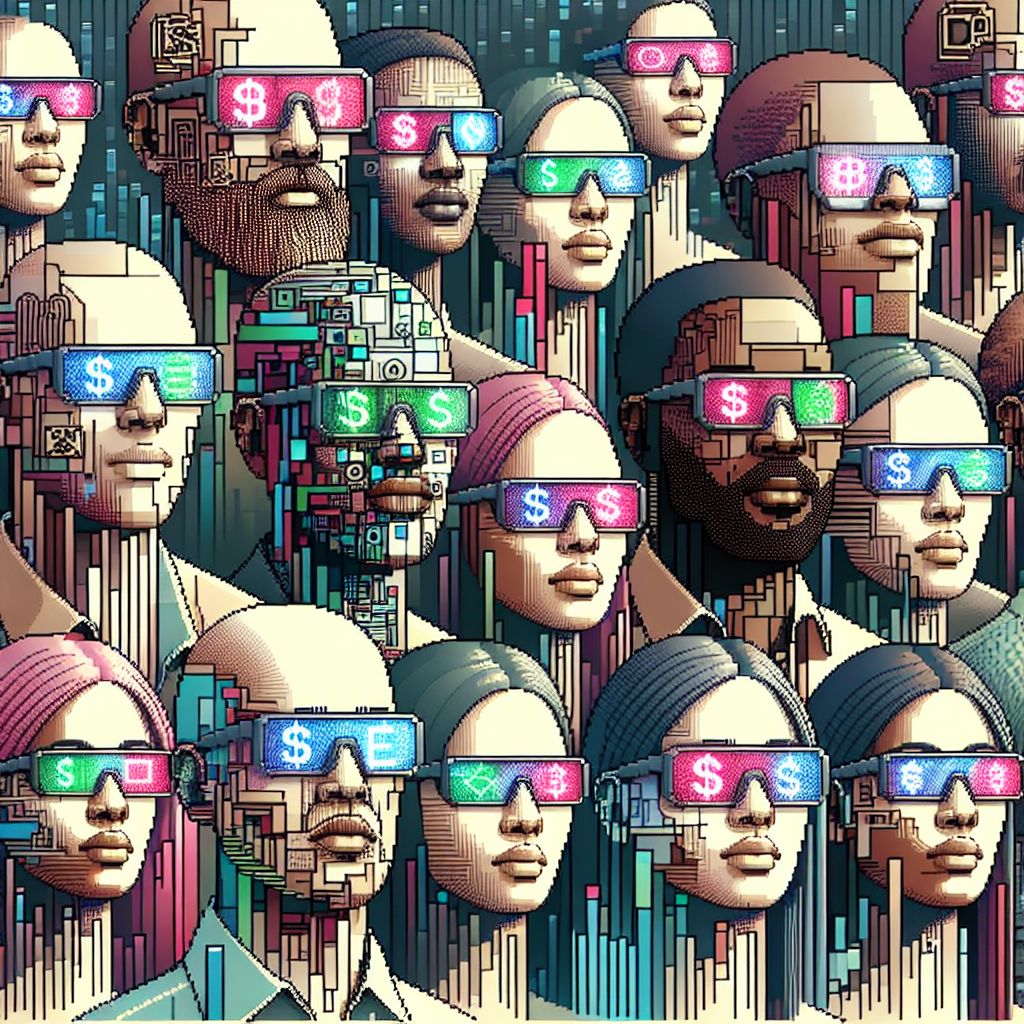
Here come the glassholes, part II - Financial Times | Analysis by Brian Moineau
Title: The Return of the Glassholes: Will Facial Recognition in Smart Glasses Ever Be a Good Look?
Ah, smart glasses. Remember the early 2010s when Google Glass promised to revolutionize how we view the world? Instead, it gifted us a new term - "glassholes" - for those who wore them with a bit too much enthusiasm, often at the expense of social norms. Fast forward to today, and we're on the brink of a sequel, thanks to the latest tech trend: integrating facial recognition into smart glasses.
Silicon Valley's dreamers are once again at the forefront, eagerly pushing the boundaries of what's technologically possible. But will their vision align with societal acceptance? If history has taught us anything, it's that the path from innovation to integration is often fraught with unforeseen twists.
The Tech Temptation
Facial recognition technology is no stranger to controversy. While its applications can be groundbreaking, such as aiding law enforcement or streamlining airport security, it also raises significant privacy concerns. Incorporating it into smart glasses could let users identify strangers on the street, an appeal to some, but a potential invasion of privacy to many others.
Consider the recent pushback against facial recognition in public spaces. Cities like San Francisco and Portland have already enacted bans on its use by government agencies, citing concerns over accuracy, bias, and civil liberties. If public sentiment is any indication, adding this feature to smart glasses may not be as warmly received as some tech enthusiasts hope.
A World Already on Edge
The timing of this innovation is particularly noteworthy. We're living in a world increasingly conscious of privacy, driven by revelations of data breaches and surveillance. The Cambridge Analytica scandal, which revealed how personal data could be weaponized, has made people more protective of their digital footprints.
Moreover, the COVID-19 pandemic has accelerated our dependence on technology, while simultaneously highlighting the importance of personal space and privacy. As we navigate this new normal, the idea of being constantly watched, even if just through a pair of glasses, might not sit well with the public.
Echoes of Innovation
This isn't the first time tech has faced resistance before eventual acceptance. The smartphone, now an indispensable part of daily life, was once met with skepticism. However, those devices offered clear, immediate benefits that outweighed privacy concerns for most users. Smart glasses with facial recognition, on the other hand, are yet to make a compelling case for how they will enhance, rather than intrude upon, our lives.
The Broader Implications
Beyond privacy, there's the question of social etiquette. How will society adapt to a world where anyone can know your name with a glance? The potential for misuse is high, from unwanted advances to more sinister applications like stalking or doxing.
Interestingly, this debate parallels discussions in other tech domains. Take, for example, the rise of AI-driven customer service bots. While they promise efficiency, they also risk depersonalizing interactions. Similarly, smart glasses must balance innovation with the human element, ensuring they serve rather than disrupt society.
Final Thoughts
As we stand on the precipice of another potential technological leap, it's crucial to remember that just because we can do something doesn't mean we should. The allure of smart glasses with facial recognition is undeniable, yet we must tread cautiously. Society must have a say in how this technology is developed and deployed.
In the end, perhaps the most significant lesson from the "glassholes" saga is that technology should enhance human interaction, not replace it. If smart glasses can find that balance, they might just avoid the pitfalls of their predecessors. Otherwise, we might find ourselves peering into a future where the promise of connectivity comes at the cost of our privacy.
Read more about AI in Business