When the Auction Feels Rigged: Paramount’s Blistering Charge Against Warner Bros. Discovery
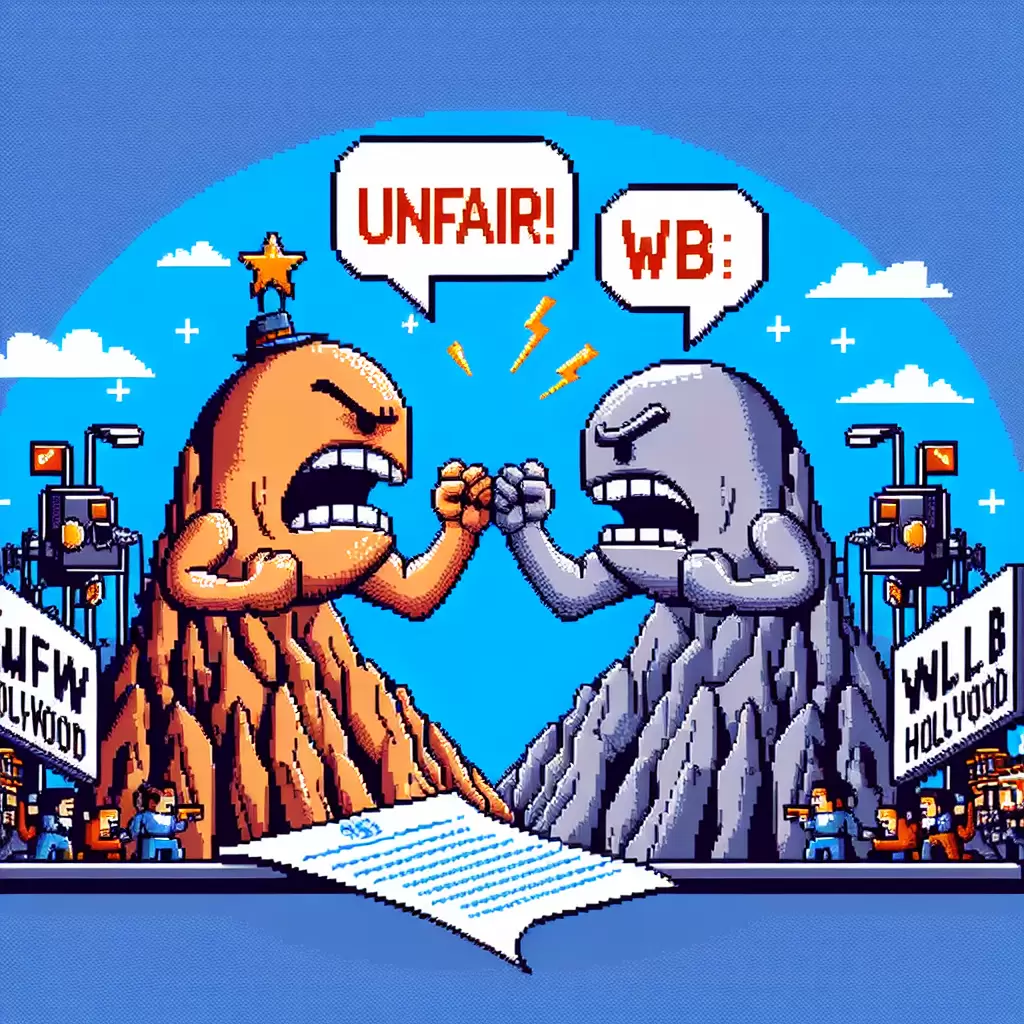
The air in Hollywood smells faintly of scorched popcorn and boardroom fireworks. In a high-stakes auction for Warner Bros. Discovery’s prized studio and streaming assets, Paramount — led by David Ellison’s Paramount Skydance — fired off a blistering letter accusing WBD’s sale process of being “tilted” and unfair, singling out Netflix as the apparent favored suitor. The accusation isn’t just corporate chest-thumping; it challenges the integrity of one of the biggest media transactions of the decade and raises questions about how contests for cultural crown jewels are run. (au.variety.com)
Why this matters right now
- The sale involves iconic IP (Warner Bros. film franchises and HBO content), deep strategic implications for streaming competition, and potential regulatory scrutiny.
- Paramount is the only bidder offering to buy the entire company; Netflix and Comcast targeted primarily the studio and streaming assets — a material difference in offer scope.
- Paramount’s charge goes beyond price: it alleges management conflicts of interest, pre-determined outcomes, and preferential treatment that could undermine shareholder duty and competitive fairness. (au.variety.com)
The arc of events (quick background)
- Warner Bros. Discovery announced a process to solicit offers for its studio and streaming assets after strategic reviews and shareholder pressure.
- Multiple bidders emerged, with Paramount Skydance proposing an all-cash offer for the entire company, and Netflix and Comcast focused on the studio/streaming pieces.
- On December 3–4, 2025, Paramount’s lawyers sent a letter to WBD CEO David Zaslav asserting the auction had been “tainted” and urging the formation of an independent special committee to steer a fair process. WBD acknowledged receipt and defended the process. (au.variety.com)
The key points Paramount raised
- The process appeared “tilted” toward a single bidder, notably Netflix, driven by management “chemistry” and enthusiasm for that outcome. (au.variety.com)
- Alleged amendments to employment arrangements and possible post-transaction incentives created conflicts that could bias decision-making. (au.variety.com)
- Paramount emphasized that its bid for the whole company would be more likely to survive regulatory review than a Netflix deal focused only on studios and streaming, and argued shareholders deserved a truly impartial auction. (fortune.com)
What supporters and skeptics will say
- Supporters of Paramount’s stance:
- Fair process matters as much as price — procedural integrity protects shareholder value and prevents cozy deals behind closed doors.
- A full-company bid should be evaluated on its own merits, especially if it better preserves vertical integration and long-term competitive dynamics. (latimes.com)
- Skeptics will note:
- Boards routinely weigh operative fit, risk, and likelihood of regulatory approval; preferring a cleaner, mostly-cash deal for studio and streaming assets isn’t automatically nefarious.
- Saying management “prefers” one bidder can conflate personal enthusiasm with fiduciary assessments about which offer is most likely to close and create value. (reuters.com)
The broader stakes for Hollywood and consumers
- Market concentration: If Netflix acquires Warner Bros. studios and HBO content, the streaming landscape compresses further around a global player with a vast content library — raising antitrust eyebrows. (theguardian.com)
- Creative ecosystems: Studio ownership changes can reshape greenlights, theatrical windows, and how franchises are stewarded — decisions that ripple into production jobs and global distribution strategies.
- Shareholder precedent: How WBD handles this will be watched by other boards and bidders — a perceived compromise in process could chill future deal competition or invite more aggressive legal challenges.
Three takeaways worth bookmarking
- Process can be as important as price: Allegations of procedural unfairness can derail or delay deals even when the headline numbers are big. (au.variety.com)
- Scope matters: An all-in acquisition offer carries different regulatory and strategic calculus than carve-outs for studios and streaming. (fortune.com)
- The optics of “chemistry” and executive incentives are real: Boards must document independent decisions to avoid accusations that outcomes were preordained. (au.variety.com)
My take
This fight reads like a modern Hollywood thriller: huge stakes, larger-than-life brands, and the kind of behind-the-scenes maneuvers investors and creatives will debate for years. Paramount’s letter is a blunt instrument — it’s designed both to defend a competitive bid and to force procedural transparency. Even if WBD believes Netflix’s offer is objectively superior, the board now faces a reputational and legal risk if it can’t demonstrate a documented, disinterested evaluation. In short: winning the auction won’t be the end of the story — proving the auction was fair might be just as important. (au.variety.com)
Final thoughts
Auctions for cultural empires are messy and emotional because they touch franchises people grew up with and powerful public brands. Whether this turns into litigation, regulatory review, or a negotiated close, the episode underscores something simple: in media M&A, what looks like a business decision quickly becomes a story about power, stewardship, and the future of storytelling itself.
Sources
-
Paramount Skydance Alleges Warner Bros. Discovery Sales Process ‘Has Been Tainted’ That Favor Netflix Bid — Variety.
https://au.variety.com/2025/biz/news/paramount-skydance-warner-bros-discovery-sale-tainted-management-conflicts-netflix-bid-30660/ (au.variety.com) -
Paramount calls Warner Bros. sale ‘tainted’ in letter to CEO — Fortune.
https://fortune.com/2025/12/04/paramount-warner-brothers-discovery-bidding-netflix-tained-sale-process-letter-zaslav/ (fortune.com) -
Netflix in exclusive talks for Warner Bros Discovery studio, streaming assets — Reuters.
https://www.reuters.com/business/media-telecom/paramount-accuses-warner-bros-discovery-unfair-sale-process-cnbc-reports-2025-12-04/ (reuters.com) -
Paramount blasts Warner Bros. Discovery as auction nears contentious end — Los Angeles Times.
https://www.latimes.com/entertainment-arts/business/story/2025-12-04/paramount-blasts-warner-bros-discovery-as-auction-nears-contentious-end (latimes.com) -
Netflix agrees to buy Warner Bros Discovery studio and streaming business in $83bn deal — The Guardian.
https://www.theguardian.com/business/2025/dec/05/netflix-frontrunner-warner-bros-discovery-streaming-and-studio-sale (theguardian.com)
Related update: We recently published an article that expands on this topic: read the latest post.