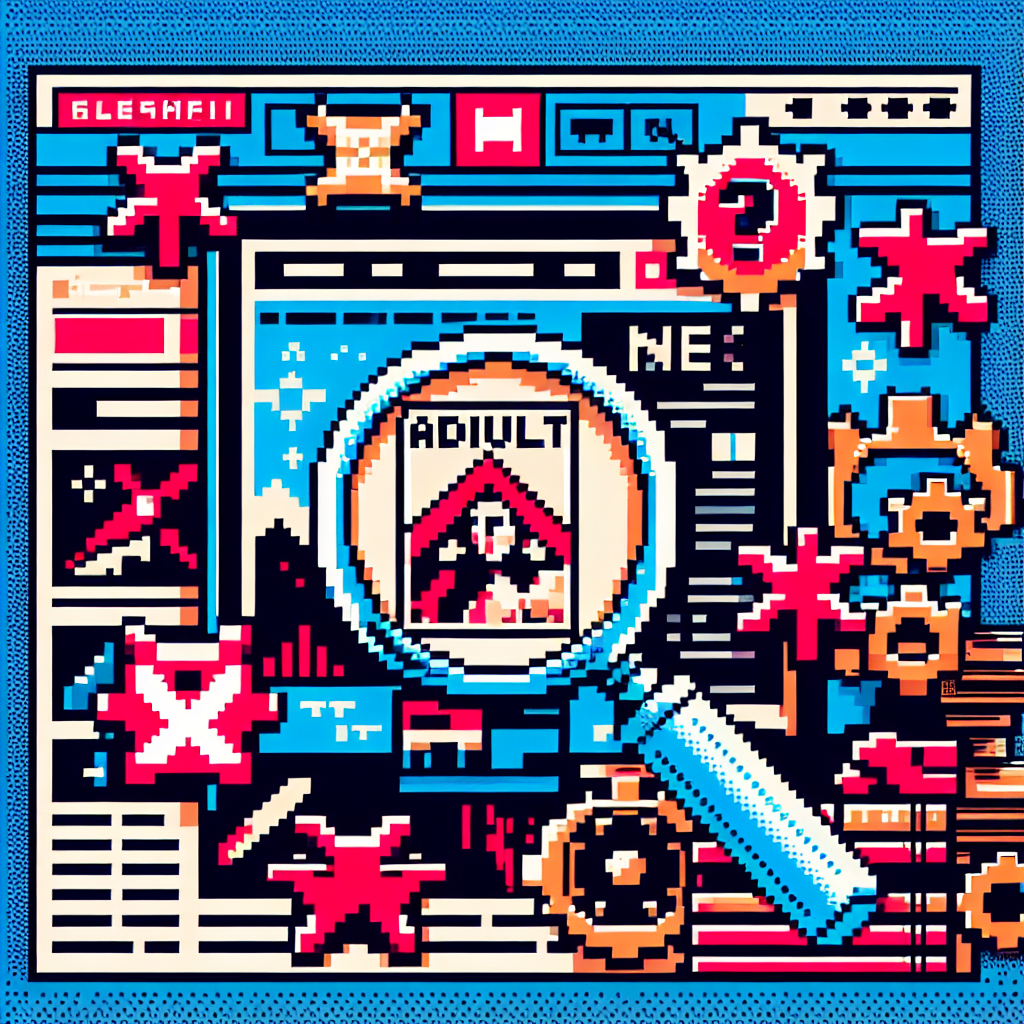
Itch.io is the latest marketplace to crack down on adult games – TechCrunch | Analysis by Brian Moineau

Itch.io is the latest marketplace to crack down on adult games - TechCrunch | Analysis by Brian Moineau

Title: Navigating the Digital Playground: Itch.io's Crackdown on Adult Games

In a world where digital marketplaces are more crowded than ever, indie game platform Itch.io has made a bold move by "deindexing" adult and not-safe-for-work (NSFW) games from its browse and search pages. This decision is stirring the pot, reigniting discussions about content moderation, digital freedom, and the fine line between censorship and community standards.

The Move Towards Moderation

Itch.io, known for its eclectic array of indie games, has long been a haven for developers who want to express creativity without the constraints imposed by larger platforms like Steam or the Epic Games Store. The decision to deindex adult content is a significant shift for Itch.io, which has previously prided itself on its open marketplace approach. This change raises questions about what prompted the shift. Is it pressure from payment processors, a need to align with broader societal standards, or an attempt to curate a more family-friendly space?

A Broader Trend in Digital Spaces

Itch.io's decision is not happening in a vacuum. There's a broader trend of digital platforms reevaluating their content policies. For instance, OnlyFans made headlines in 2021 when it announced plans to ban sexually explicit content, only to reverse the decision after backlash from creators and users. Similarly, Tumblr's 2018 ban on adult content led to a significant drop in user engagement, illustrating the delicate balance platforms must maintain between content moderation and user satisfaction.

Implications for Indie Developers

For indie developers, Itch.io's move could mean a loss of visibility and revenue. Many developers rely on the platform's browsing features to reach new audiences. With adult games pushed to the fringes, developers may need to rethink their distribution strategies or find new platforms that welcome their content. This shift also invites a larger conversation about the spaces available for adult content in the digital marketplace. Is there a need for a new platform specifically tailored to adult indie games, or should existing platforms adapt to be more inclusive?

Connections to the Creative World

The conversation around content moderation isn't just limited to gaming. The art world, too, grapples with similar issues. Platforms like Instagram and Facebook have faced criticism for their content moderation policies, especially concerning artistic nudity. These platforms often walk a tightrope between adhering to community guidelines and respecting artistic expression. The parallels between these industries highlight a universal struggle in the digital age: finding the balance between creative freedom and community standards.

Final Thoughts

Itch.io's decision to deindex adult games is a reminder of the ongoing tug-of-war between content creators and platform policies. While the move aims to create a more navigable marketplace, it also underscores the need for clear, fair guidelines that respect both creators and consumers. As digital spaces continue to evolve, the challenge remains: how to foster an environment that celebrates creativity while maintaining a sense of community and respect. As we watch these developments unfold, one thing is clear: the conversation about content moderation is far from over, and its impact on creators and consumers alike will be felt for years to come.

Read more about AI in Business

Read more about Latest Sports Trends

Read more about Technology Innovations

The battle over real estate listings is getting ugly. Homebuyers are stuck in the middle. – Business Insider | Analysis by Brian Moineau

The battle over real estate listings is getting ugly. Homebuyers are stuck in the middle. - Business Insider | Analysis by Brian Moineau

The Real Estate Rumble: Zillow vs. Compass and the Homebuyers Caught in the Crossfire

In the fast-paced world of real estate, where properties are bought and sold at the speed of light, a new battleground has emerged. On one side, we have Zillow, the digital titan known for revolutionizing how we search for homes. On the other, Compass, the mega-brokerage that's been snapping up market share like it's on a shopping spree. The latest skirmish? A tug-of-war over where real estate agents can list homes for sale, leaving homebuyers stuck in the middle of this high-stakes wrestling match.

Zillow, once just a website with a quirky name, has grown into a giant in the real estate industry. It's the place where many start their home-buying journey, scrolling through endless listings and dreaming of their next abode. Compass, on the other hand, has made headlines with its aggressive expansion and innovative tech-driven approach, aiming to redefine the brokerage business.

This battle is not just about real estate listings; it's about control and, ultimately, the future of how we buy and sell homes. Zillow's move to become a brokerage itself has changed the rules of the game, putting it in direct competition with traditional brokerages like Compass. This shift is causing ripples throughout the industry, as agents and homebuyers navigate the new landscape.

But what does this mean for the average homebuyer? Imagine you're trying to find your dream home. You log onto Zillow, but wait, some listings are missing. You check Compass, and it's the same story. It's like trying to watch your favorite show, only to find it's split across multiple streaming services. Frustrating, right?

This isn't just a real estate issue; it's a digital age dilemma. Think about the streaming wars between Netflix, Disney+, and Amazon Prime. Consumers want content, but they don't want to subscribe to a dozen services to get it. Similarly, homebuyers want comprehensive access to listings without having to hop between platforms.

In a broader context, this real estate tussle reflects the growing pains of a digital revolution. Industries across the board are grappling with similar issues—whether it's media companies battling for content exclusivity or tech giants vying for our screen time. The underlying theme is the same: control over the digital marketplace.

As this saga unfolds, it's a reminder of how technology is reshaping industries and challenging traditional norms. The real estate sector is no different, as it balances innovation with accessibility. For homebuyers, the key is to stay informed and leverage all available resources, whether it's a trusted agent or multiple listing platforms.

In the end, while Zillow and Compass duke it out, the real winner could be the homebuyer who navigates these waters with savvy and patience. As with any good drama, there are bound to be twists and turns. But one thing is clear: the future of real estate will be anything but boring.

So next time you're scrolling through listings, take a moment to appreciate the digital dance happening behind the scenes—and perhaps take comfort in knowing that, like any epic rivalry, this too shall pass, leaving a transformed landscape in its wake.

Read more about AI in Business

Read more about Latest Sports Trends

Read more about Technology Innovations