PayPals Earnings Boosted by OpenAI Deal | Analysis by Brian Moineau

PayPal Stock Soars on Earnings and Exciting New OpenAI Partnership

In the ever-evolving landscape of fintech, few stories command attention like that of PayPal. Recently, the payments giant reported a stellar earnings report that sent its stock soaring, but it wasn’t just the numbers that caught the market’s eye. The announcement of a groundbreaking partnership with OpenAI’s ChatGPT has investors buzzing with excitement about what this means for the future of e-commerce. Let’s unpack the details and explore what this partnership could mean for both companies and consumers alike.

The Context: PayPal’s Recent Performance

PayPal has been navigating a challenging market, with increased competition and changing consumer behaviors. However, its latest earnings report revealed stronger-than-expected growth, showcasing resilience in a turbulent environment. The company reported a significant increase in active accounts, and revenue growth that exceeded analysts’ expectations. This positive momentum laid the groundwork for the announcement of its collaboration with OpenAI.

The partnership with OpenAI introduces ChatGPT into the e-commerce sphere, aiming to enhance the online shopping experience. As consumers increasingly turn to digital channels, integrating AI into payment processes could streamline transactions and improve customer service—an exciting prospect for both PayPal and its users.

What This Partnership Means for E-Commerce

The integration of OpenAI’s ChatGPT into PayPal’s offerings could revolutionize the way businesses and customers interact. Here are a few potential impacts:

1. Enhanced Customer Support: ChatGPT can handle customer inquiries in real-time, potentially reducing wait times and improving user satisfaction.

2. Personalized Shopping Experiences: AI can analyze user behavior and preferences, allowing for tailored recommendations that could lead to higher conversion rates.

3. Streamlined Transactions: With natural language processing capabilities, ChatGPT can simplify the payment process, making it easier for consumers to complete purchases.

4. Data-Driven Insights: The partnership can generate valuable insights from consumer interactions, helping businesses refine their marketing strategies and offerings.

5. Increased Market Competitiveness: By leveraging AI technology, PayPal may gain an edge over competitors, positioning itself as a leader in the fintech space.

Key Takeaways

Strong Earnings Report: PayPal’s latest financial results exceeded expectations, showcasing the company’s resilience. – Partnership with OpenAI: The collaboration aims to integrate ChatGPT into PayPal’s e-commerce platform, enhancing user experiences. – Potential for AI-Driven Innovations: From customer support to personalized shopping experiences, the partnership could drive significant advancements in online payments. – Market Impact: This move positions PayPal favorably in a competitive market, potentially attracting new users and retaining existing ones. – Future of E-Commerce: The integration of AI may redefine how businesses engage with customers, shaping the future of digital transactions.

Concluding Reflection

As PayPal takes bold steps into the future with its partnership with OpenAI, it opens the door to numerous possibilities in the world of e-commerce. This collaboration not only highlights the growing importance of AI in everyday transactions but also signifies a shift towards a more personalized and efficient shopping experience. For investors and consumers alike, this is a space to watch closely as the landscape of digital payments continues to evolve.

Sources

– “PayPal Stock Soars On Earnings, New OpenAI Partnership” – Investor’s Business Daily. [https://www.investors.com](https://www.investors.com)

By keeping an eye on these developments, we can better understand how technology is reshaping the payment landscape and what it means for the future of online shopping.


Related update: We recently published an article that expands on this topic: read the latest post.

Related update: We recently published an article that expands on this topic: read the latest post.

Square Earnings, Revenue, Key Metrics Miss In Q1. Payment Firm Lowers 2025 Guidance. – Investor’s Business Daily | Analysis by Brian Moineau

Square Earnings, Revenue, Key Metrics Miss In Q1. Payment Firm Lowers 2025 Guidance. - Investor's Business Daily | Analysis by Brian Moineau

A Rocky Start for Square: Navigating the Choppy Waters of Q1 Earnings


In the world of finance, a company’s earnings report can be akin to a blockbuster movie release. Investors wait with bated breath, analysts sharpen their pencils, and the market collectively holds its breath. The latest release from Square, the payments firm now known as Block, was met with quite a plot twist — a plunge in stock price following their Q1 earnings and revenue report that missed Wall Street estimates, alongside a lowered fiscal 2025 guidance.

A Slightly Bumpy Ride

Square has long been a darling of the fintech world, celebrated for its innovative approach to digital payments and its ability to empower small businesses. However, even the most visionary companies encounter turbulence. Block's recent earnings report, which revealed a less-than-stellar performance in the first quarter, sent shockwaves through the financial community.

The company’s revenue and earnings for Q1 fell short of expectations, leading to a swift reaction in the stock market with a significant drop in share prices. The lowered guidance for fiscal year 2025 added another layer of complexity to the narrative. But let’s not hit the panic button just yet. After all, even the best-laid plans can go awry — especially in a post-pandemic world where unpredictability has become the norm.

A Broader Context

To put Block’s situation in perspective, it’s essential to consider the broader economic landscape. The entire technology and financial sectors have been navigating a challenging environment marked by inflationary pressures, fluctuating consumer spending, and the ever-present specter of regulatory scrutiny. These factors have contributed to a notably volatile market, not just for Square but for many companies across the globe.

Interestingly, Block’s challenges come at a time when other sectors are experiencing their own ups and downs. For instance, as Block grapples with its financial forecasts, the automotive industry is facing supply chain disruptions, and the tech industry is battling chip shortages. It’s a reminder that unpredictability is a theme that resonates far beyond the boundaries of a single sector.

Innovating Through Adversity

Despite the current setback, it’s important to remember that Square, or Block, has always been a company that thrives on innovation. Under the leadership of Jack Dorsey, known for his forward-thinking approach and his role in co-founding Twitter, Square has consistently pushed the envelope. Whether it’s venturing into cryptocurrency with its Cash App or exploring decentralized finance, Block is not one to shy away from taking risks.

Moreover, as businesses worldwide adapt to new consumer behaviors and digital payment trends continue to evolve, Block has the opportunity to recalibrate and refine its strategies. The fintech landscape is constantly shifting, and those who adapt quickly can often emerge stronger.

Looking Ahead

So, what does the future hold for Square? While the immediate reaction might be one of concern, there’s a broader narrative to consider. Square is a company built on resilience and innovation, and these qualities will be crucial as it navigates the road ahead. The lowered guidance for 2025 might seem like a setback, but it also reflects a realistic assessment of the challenges and opportunities that lie in wait.

In conclusion, while Square’s Q1 earnings report might have missed the mark, it’s a reminder that business, much like life, is filled with ebbs and flows. The key is to stay the course, adapt to the changing tides, and continue to innovate. After all, as the saying goes, it's not about how many times you fall, but how many times you get back up that truly counts. So, here’s to Block — may it ride the waves of the future with the resilience and creativity it’s known for.

Read more about AI in Business

Read more about Latest Sports Trends

Read more about Technology Innovations

Why is China spending billions to get people to open their wallets? – BBC.com | Analysis by Brian Moineau

Why is China spending billions to get people to open their wallets? - BBC.com | Analysis by Brian Moineau

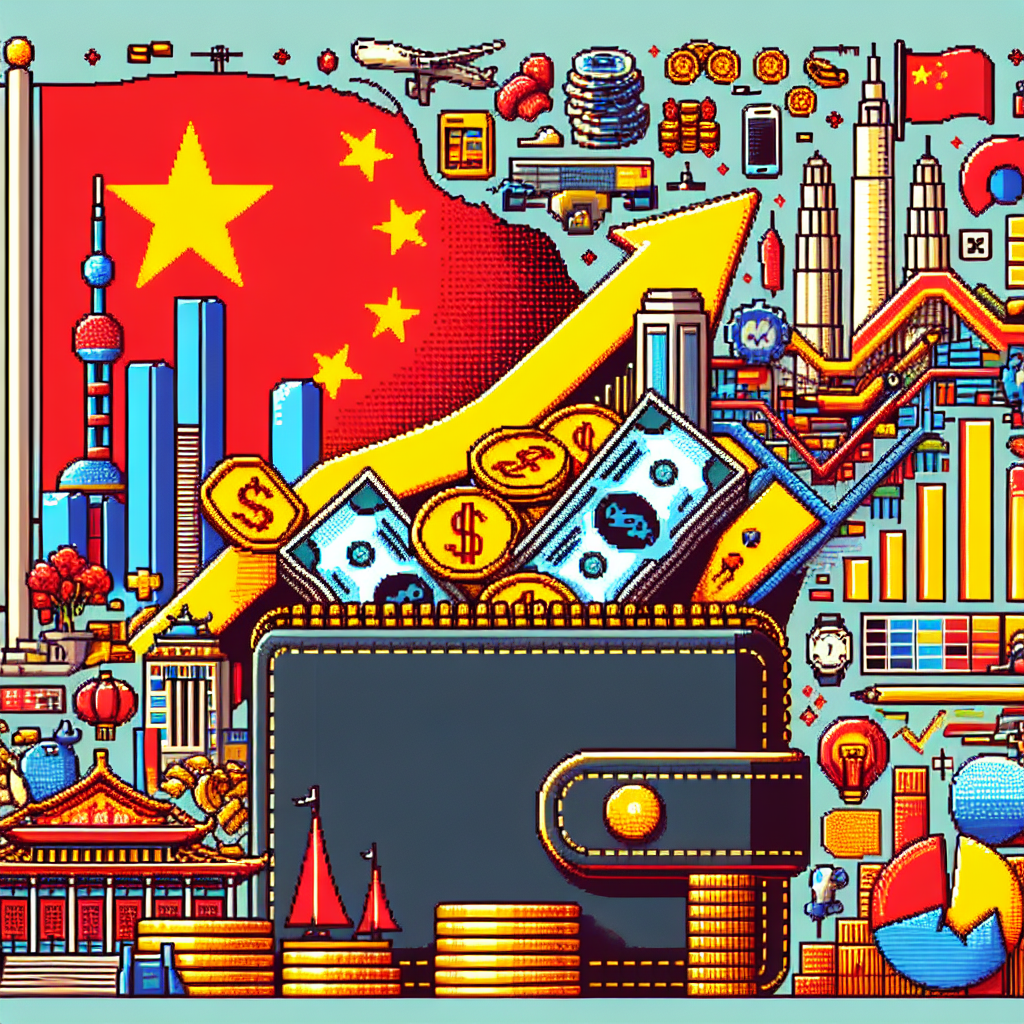
Title: The Great Wallet Awakening: China's Billion-Dollar Bet on Consumer Spending

In an economic landscape that feels more like a suspense thriller than a financial report, China is playing a high-stakes game to awaken the wallets of its citizens. The recent move by Beijing to splash billions in hopes of enticing consumers to spend is a plot twist that has captured the attention of economists and armchair analysts alike. But why is the world’s second-largest economy pulling out all the stops to get people to open their wallets?

For starters, Beijing is banking on the idea that better wages and enticing discounts can stave off more severe economic woes. The Chinese government is essentially putting its chips on consumer spending as a means to stimulate growth and avoid a potential downturn. Think of it as a grand economic pep rally, with the government as the cheerleader and consumers as the team that needs a morale boost.

China’s strategy isn't exactly unprecedented. Many countries have employed similar tactics in hopes of jumpstarting sluggish economies. Take, for instance, the United States during the COVID-19 pandemic, where stimulus checks were sent out to encourage spending and keep the economy afloat. Similarly, Japan has often relied on government spending and incentives to navigate its own economic challenges.

However, China's situation is unique in several ways. With a population of over 1.4 billion, the potential for consumer spending is enormous. Yet, the challenge lies in overcoming a cautious consumer mindset, heightened by economic uncertainties and a culture that traditionally values saving. There's a delicate balance to be struck between encouraging spending and avoiding the risk of inflation or increased debt among citizens.

The global context adds additional layers to this narrative. As inflation continues to challenge economies worldwide, China's approach could offer lessons or warnings to other nations grappling with similar dilemmas. For example, in Europe, where inflation rates have been a hot topic, policymakers may watch China's experiment closely, considering similar strategies to entice spending while keeping inflation in check.

Moreover, technology and e-commerce play a critical role in this spending push. Digital marketplaces and cashless payments have made it easier than ever for consumers to spend, and China is no exception. Companies like Alibaba and JD.com are at the forefront, offering promotions and sales that mirror Western phenomena like Black Friday or Cyber Monday. This digital dimension not only reflects changing consumer habits but also highlights the potential for tech to drive economic recovery.

Yet, there’s a human element to this economic equation that can’t be ignored. The average Chinese consumer, much like anyone around the globe, is influenced by emotions, perceptions of stability, and broader societal trends. While economic incentives can certainly encourage spending, long-term consumer confidence is built on a foundation of trust in the economy, job security, and an optimistic outlook for the future.

In the grand scheme of things, China's billion-dollar bet on consumer spending is a fascinating experiment. It emphasizes the critical role of consumer psychology in economic policy and highlights the interconnected nature of today's global economies. As we watch this storyline unfold, it’s worth considering how similar strategies might play out elsewhere and what they mean for our own spending habits.

Final Thought: Will Beijing's strategy pay off? Only time will tell. But one thing’s for sure: in the theater of global economics, China’s attempt to turn its consumers into the heroes of its financial narrative is a performance worth watching. Whether it's a drama, a comedy, or a triumph, we'll have to wait and see. In the meantime, it’s a reminder of the power of the consumer and the lengths to which governments will go to keep economies thriving.

Read more about AI in Business

Read more about Latest Sports Trends

Read more about Technology Innovations