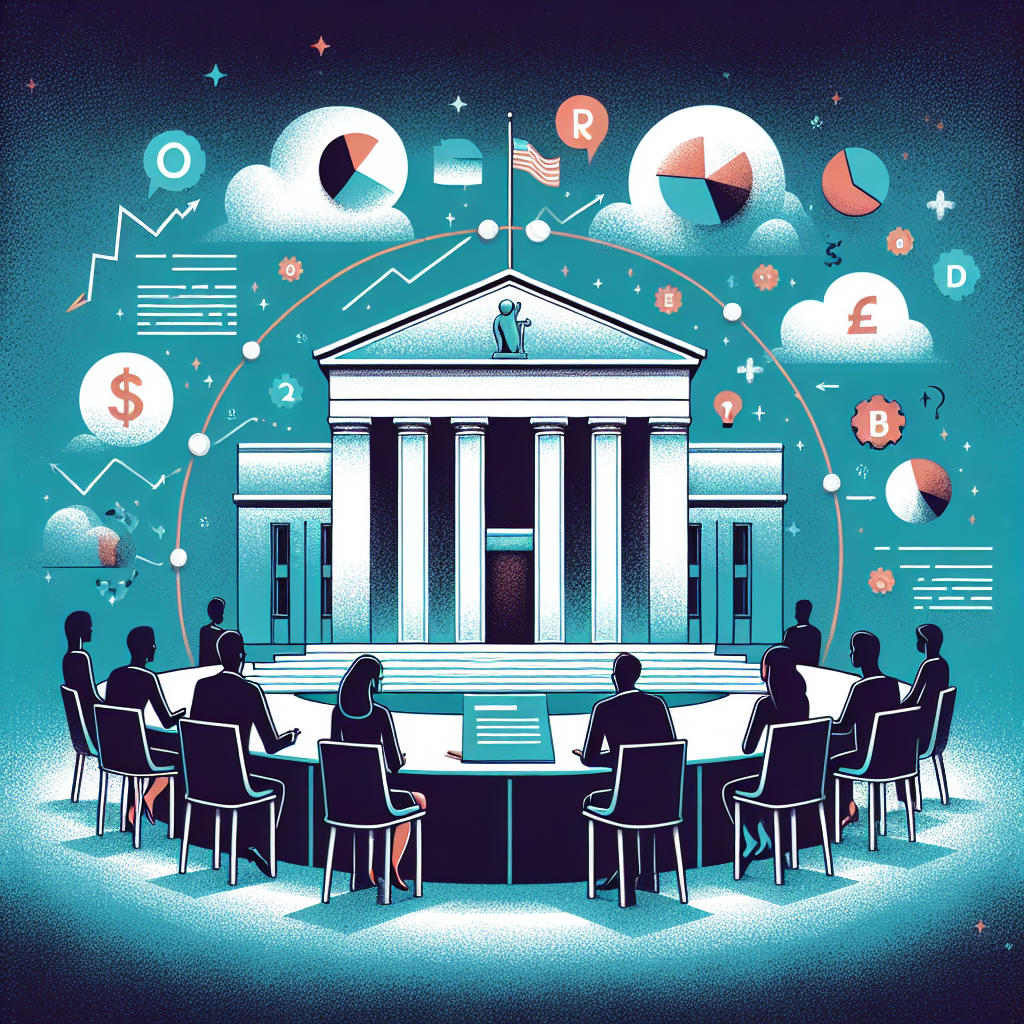
The Fed’s New Focus: Rethinking Long-Term | Analysis by Brian Moineau

The Fed’s Evolving Mandate: A Look Beyond the Dual Focus

In the ever-shifting landscape of U.S. monetary policy, it seems the Federal Reserve is navigating uncharted waters. Recent discussions led by Jerome Powell and Stephen Miran have brought to light the notion that the Fed may not just be focused on its traditional dual mandate of maximum employment and stable prices. Instead, they hinted at a third goal: managing long-term interest rates. This conversation opens up a wealth of questions about the future of our economy and the direction of monetary policy.

The Traditional Mandate: A Quick Overview

For decades, the Federal Reserve has operated under a dual mandate. This means that its primary objectives are to promote maximum employment and ensure price stability. However, as inflation has surged and the economic landscape has evolved, some experts argue that the Fed needs to broaden its focus. The recent discussions underscore the idea that long-term interest rates deserve more attention in shaping monetary policy.

Context: The Changing Economic Landscape

In the wake of the pandemic, the economy has experienced unprecedented volatility. Supply chain disruptions, workforce shortages, and rising energy prices have all contributed to inflation rates that many experts have not seen in decades. As central bankers like Powell and Miran grapple with these challenges, it’s clear that a narrow focus on employment and inflation may no longer suffice.

Moreover, the long-term interest rate rule—essentially a guideline that outlines how interest rates should be adjusted based on economic conditions—has seemingly slipped from the radar. This oversight could have significant implications for how the Fed approaches its policies moving forward.

Key Takeaways

Broader Focus Needed: Experts are advocating for a more comprehensive approach to monetary policy that includes long-term interest rates.

Inflation Concerns: The ongoing inflation crisis is pushing the Fed to reconsider its dual mandate and explore additional goals.

Long-Term Interest Rates: There’s a growing recognition that managing long-term interest rates is crucial for sustainable economic health.

Policy Implications: The Fed’s evolving focus could lead to changes in how monetary policy is implemented, impacting everything from loans to savings rates.

Economic Stability: A well-rounded approach could help ensure greater economic stability in the face of future uncertainties.

Concluding Reflection

As the Federal Reserve navigates these complex economic waters, the conversation around its mandate is more crucial than ever. Acknowledging the importance of long-term interest rates could be a game-changer for monetary policy, potentially leading to more stable economic conditions. While change can be intimidating, it’s often necessary for growth. The Fed’s ability to adapt to new challenges may ultimately determine the strength and resilience of the U.S. economy.

Sources

– “The Fed doesn’t have a ‘dual’ mandate—Jerome Powell and Stephen Miran are talking about the third.” Fortune. [Fortune Article](https://fortune.com/2023/10/05/fed-dual-mandate-jerome-powell-stephen-miran-third-mandate-interest-rates/)

By shifting our focus from a dual mandate to a broader understanding of economic dynamics, we can better prepare for the future. As we reflect on these discussions, it’s clear that the path to economic stability may require a more nuanced approach than we’ve previously considered.


Related update: We recently published an article that expands on this topic: read the latest post.

Related update: We recently published an article that expands on this topic: read the latest post.

Earnings Season Is Going Really Well. Don’t Overthink It. – Barron’s | Analysis by Brian Moineau

Earnings Season Is Going Really Well. Don’t Overthink It. - Barron's | Analysis by Brian Moineau

Sunny Side Up: Earnings Season and the Art of Not Overthinking

In the world of business, where numbers dance and market trends are dissected like fine art, the latest earnings season has brought a breath of fresh air. According to Barron's, it's been going really well. The advice? Don't overthink it. This might seem counterintuitive in a space where analysis is king, but sometimes the best approach is to appreciate the good news at face value.

The Earnings Season Symphony

Earnings season is like the quarterly report card for businesses. Companies unveil their financial results, and investors gauge the health of these corporate giants. This time around, the results have been notably positive. From tech behemoths to retail giants, many companies are exceeding expectations. It's like watching a symphony where every instrument hits the right note.

The positive performance isn't confined to one sector. Technology companies, which are often the darlings of Wall Street, have reported robust numbers. With innovation continuing to drive growth, it's not surprising to see tech firms leading the charge. For instance, giants like Apple and Microsoft have shown resilience, underscoring the enduring demand for their products and services.

A Broader Economic Canvas

The positive earnings reports are not happening in a vacuum. The global economic landscape is also presenting a more optimistic picture. Inflation rates, which have been a concern for consumers and businesses alike, are showing signs of stabilizing in many parts of the world. This can be partly attributed to central banks' strategic moves to control inflation without stifling growth.

Meanwhile, consumer confidence is on the rise. As pandemic fears continue to recede, people are more willing to spend, travel, and invest. This uptick in consumer activity is a boon for businesses across various sectors, from travel to retail.

Connecting the Dots

The current earnings season is a testament to the resilience and adaptability of businesses. But it's also a reflection of broader trends and shifts. For example, the surge in remote work has fueled demand for tech products and digital services, a trend that companies have capitalized on.

Moreover, the focus on sustainability and ethical business practices is becoming more pronounced. Companies that are aligning themselves with these values are not only winning consumer trust but are also seeing it reflected in their financial performance. This shift is mirrored in global initiatives like the Paris Agreement, which aims to foster a more sustainable future.

A Lighthearted Perspective

In the spirit of not overthinking, let's take a moment to appreciate the good news. It's easy to get caught up in the minutiae and potential pitfalls of market trends, but sometimes the best strategy is to take a step back and enjoy the view. Remember, even in the business world, not every silver lining needs a cloud.

Final Thoughts

As we navigate through this earnings season, let's embrace the positive momentum. While challenges will inevitably arise, the current landscape offers a reminder of the resilience and potential of businesses globally. So, here's to the companies hitting their stride and the investors enjoying the ride. After all, in the grand tapestry of business, sometimes it's okay to take a moment, smile, and not overthink it.

Read more about AI in Business

Read more about Latest Sports Trends

Read more about Technology Innovations

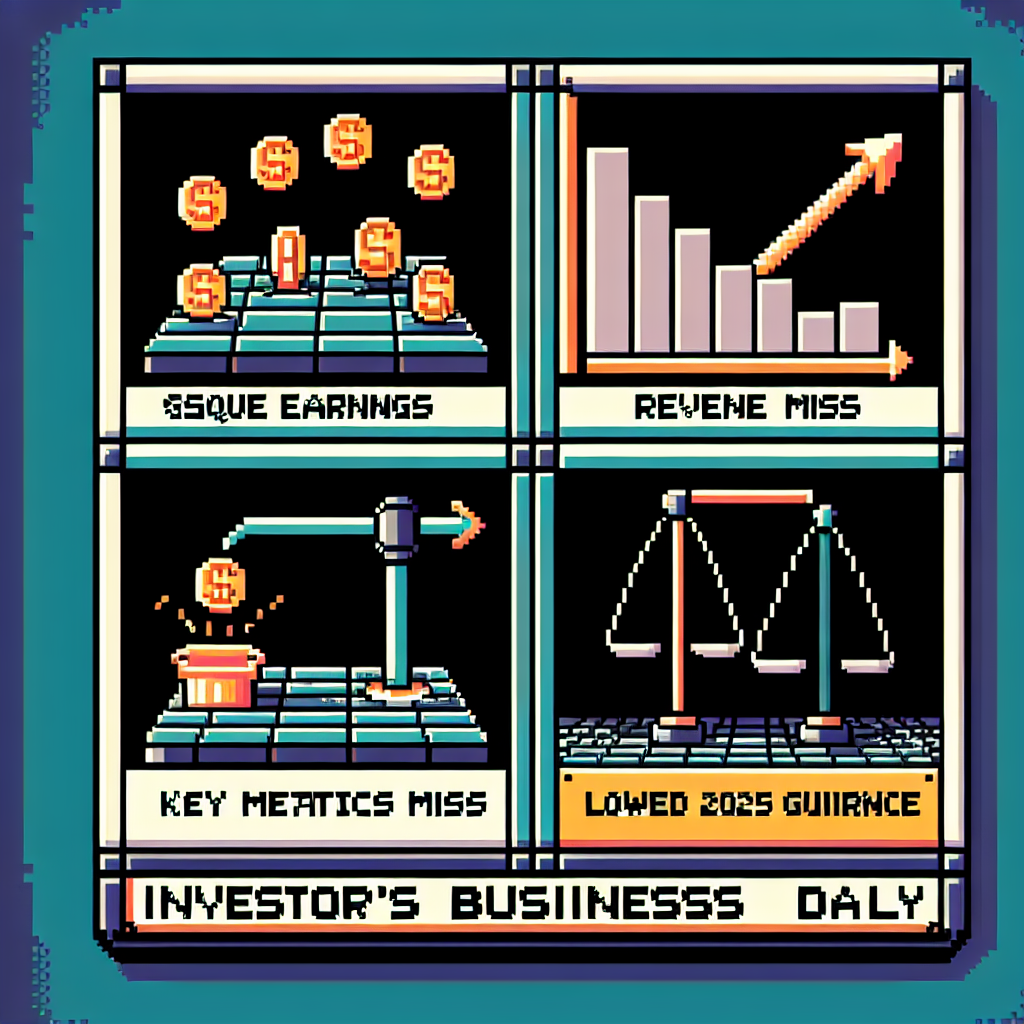
Square Earnings, Revenue, Key Metrics Miss In Q1. Payment Firm Lowers 2025 Guidance. – Investor’s Business Daily | Analysis by Brian Moineau

Square Earnings, Revenue, Key Metrics Miss In Q1. Payment Firm Lowers 2025 Guidance. - Investor's Business Daily | Analysis by Brian Moineau

A Rocky Start for Square: Navigating the Choppy Waters of Q1 Earnings


In the world of finance, a company’s earnings report can be akin to a blockbuster movie release. Investors wait with bated breath, analysts sharpen their pencils, and the market collectively holds its breath. The latest release from Square, the payments firm now known as Block, was met with quite a plot twist — a plunge in stock price following their Q1 earnings and revenue report that missed Wall Street estimates, alongside a lowered fiscal 2025 guidance.

A Slightly Bumpy Ride

Square has long been a darling of the fintech world, celebrated for its innovative approach to digital payments and its ability to empower small businesses. However, even the most visionary companies encounter turbulence. Block's recent earnings report, which revealed a less-than-stellar performance in the first quarter, sent shockwaves through the financial community.

The company’s revenue and earnings for Q1 fell short of expectations, leading to a swift reaction in the stock market with a significant drop in share prices. The lowered guidance for fiscal year 2025 added another layer of complexity to the narrative. But let’s not hit the panic button just yet. After all, even the best-laid plans can go awry — especially in a post-pandemic world where unpredictability has become the norm.

A Broader Context

To put Block’s situation in perspective, it’s essential to consider the broader economic landscape. The entire technology and financial sectors have been navigating a challenging environment marked by inflationary pressures, fluctuating consumer spending, and the ever-present specter of regulatory scrutiny. These factors have contributed to a notably volatile market, not just for Square but for many companies across the globe.

Interestingly, Block’s challenges come at a time when other sectors are experiencing their own ups and downs. For instance, as Block grapples with its financial forecasts, the automotive industry is facing supply chain disruptions, and the tech industry is battling chip shortages. It’s a reminder that unpredictability is a theme that resonates far beyond the boundaries of a single sector.

Innovating Through Adversity

Despite the current setback, it’s important to remember that Square, or Block, has always been a company that thrives on innovation. Under the leadership of Jack Dorsey, known for his forward-thinking approach and his role in co-founding Twitter, Square has consistently pushed the envelope. Whether it’s venturing into cryptocurrency with its Cash App or exploring decentralized finance, Block is not one to shy away from taking risks.

Moreover, as businesses worldwide adapt to new consumer behaviors and digital payment trends continue to evolve, Block has the opportunity to recalibrate and refine its strategies. The fintech landscape is constantly shifting, and those who adapt quickly can often emerge stronger.

Looking Ahead

So, what does the future hold for Square? While the immediate reaction might be one of concern, there’s a broader narrative to consider. Square is a company built on resilience and innovation, and these qualities will be crucial as it navigates the road ahead. The lowered guidance for 2025 might seem like a setback, but it also reflects a realistic assessment of the challenges and opportunities that lie in wait.

In conclusion, while Square’s Q1 earnings report might have missed the mark, it’s a reminder that business, much like life, is filled with ebbs and flows. The key is to stay the course, adapt to the changing tides, and continue to innovate. After all, as the saying goes, it's not about how many times you fall, but how many times you get back up that truly counts. So, here’s to Block — may it ride the waves of the future with the resilience and creativity it’s known for.

Read more about AI in Business

Read more about Latest Sports Trends

Read more about Technology Innovations