Shutdown Grounds Flights, Strains Economy | Analysis by Brian Moineau

The weekend of scratched plans: Why hundreds of U.S. flights were canceled during the government shutdown

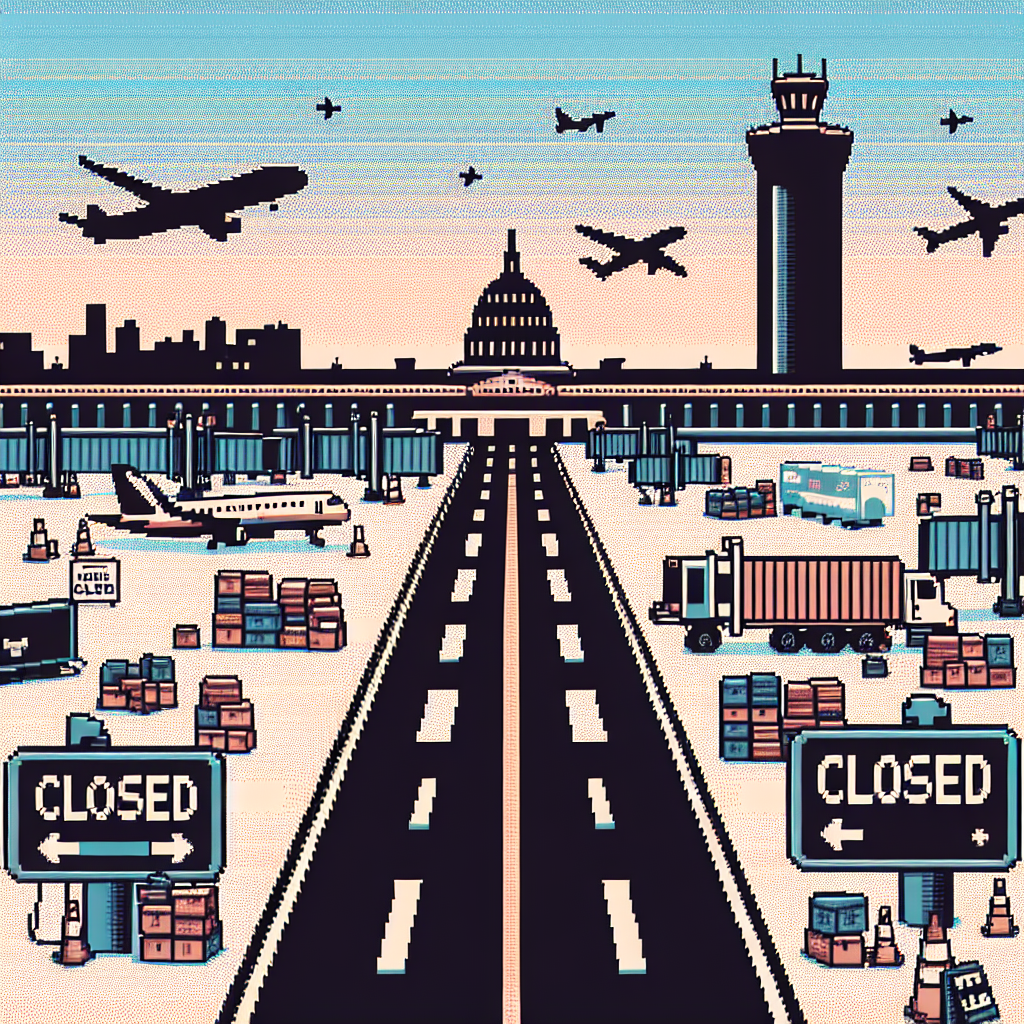
It started like many travel headaches — a delayed text from an airline and a half-empty boarding gate — but this weekend’s cancellations felt bigger, stranger and more structural. Across dozens of the nation’s busiest hubs, airlines removed hundreds (and then thousands) of scheduled departures as federal airspace managers throttled traffic amid a federal government shutdown. For travelers, freight customers and local businesses, the ripple effects were immediate. For policy wonks and industry insiders, the move underscored how fragile a tightly timed system becomes when essential workers aren’t getting paid.

What happened — the short version

  • The Federal Aviation Administration directed a staged reduction of flights at 40 high‑volume U.S. airports, beginning with smaller cuts and moving toward a 10% slowdown at those hubs if the shutdown persisted. (apnews.com)
  • Airlines canceled more than 1,000 flights on the first full day of the FAA reductions and again on the second day, according to flight-tracking services and media reports. The cuts were concentrated at major airports such as Atlanta, Chicago, Dallas, Denver, Los Angeles and Newark. (apnews.com)
  • The FAA said the reductions were intended to relieve pressure on air traffic controllers, many of whom have been working without pay and were showing signs of strain. Transportation Department officials pointed to safety‑related trends (incursions, spacing and fatigue concerns) as part of the rationale. (abcnews.go.com)

Why the FAA and airlines took this step

  • Safety margin: Air traffic control is a tightly choreographed operation. As controllers missed shifts, worked unpaid overtime or took second jobs, the FAA judged that a reduction in traffic at the busiest airports was necessary to preserve safe spacing and reduce workload spikes. (abcnews.go.com)
  • Predictability and resource management: Rather than a chaotic scramble the FAA set phased percentage targets (starting lower, then scaling up) that let airlines plan which flights to cut and how to rebook passengers. That approach reduces overnight chaos but still forces inconvenient cancellations. (apnews.com)
  • Protecting system resilience: The agency framed the move as temporary triage — aimed at keeping the system functional if the labor strain continued — but it also served as a warning that deeper, longer shutdown impacts could cascade into more severe disruptions. (washingtonpost.com)

Who felt it the most

  • Leisure travelers with tight itineraries and connecting flights were hit hard first; some rebooked quickly, others had to scramble for hotels or alternate routes. (pbs.org)
  • Regional and short-haul routes tended to take the brunt of cuts as carriers prioritized longer domestic and international service. That meant smaller cities and secondary markets saw disproportionate impact. (apnews.com)
  • Freight and supply chains: Major air cargo hubs reported strain, and analysts warned of knock-on effects for shipments ahead of busy retail periods. Local businesses that rely on just-in-time deliveries could see costs or delays rise. (apnews.com)

Practical advice for travelers (what to do if your flight is affected)

  • Check flight status directly with your airline and FlightAware or similar trackers; airlines have been auto‑rebooking many passengers and offering refunds for canceled trips. (pbs.org)
  • Consider flexibility: If your schedule allows, look for later rebookings, alternate airports nearby, or land‑and‑drive options — rental demand spiked in some markets as travelers switched to road trips. (apnews.com)
  • Prepare for added time and cost: Last‑minute hotels, rental cars and alternate transportation can add expense. Keep receipts and documentation — refunds or reimbursements may be available depending on carrier policy and your travel insurance. (pbs.org)

Broader implications

  • Labor, morale and safety: The shutdown put a spotlight on the human side of aviation operations. Controllers working long unpaid hours raised both morale and safety concerns; the FAA’s reduction was as much about preventing system overload as it was about immediate cancellations. (abcnews.go.com)
  • Economic spillovers: If reductions continue into key travel periods, the effects could cascade into tourism, holiday travel, retail and shipping — a reminder that government gridlock can quickly translate into real economic friction. (apnews.com)
  • Policy and accountability: The episode may lead to renewed calls for contingency measures that protect pay for essential workers during funding gaps, or for legislative fixes that prevent essential‑worker furloughs from being an instrument of negotiation. (washingtonpost.com)

Quick checklist before heading to the airport

  • Check your airline’s status and emails or texts for automatic rebooking notices. (pbs.org)
  • Know refund rules: some airlines offered refunds even on nonrefundable tickets while the reductions were underway. (apnews.com)
  • Have backup options: alternate airports, different days, or ground travel routes mapped out. (apnews.com)

Final thoughts

Air travel runs on timing, trust and layers of redundancy. When one layer — the payroll and well‑being of the people who manage our skyways — gets stretched to a breaking point, the whole system can’t just keep going as usual. The FAA’s phased cuts were a blunt instrument designed to protect safety and predictability, but they also exposed how quickly everyday travel can become fragile when policy stalemates affect frontline workers. For travelers it was an unwelcome reminder: monitor flights closely, expect the unexpected, and pack a little more patience.

Sources


Related update: We recently published an article that expands on this topic: read the latest post.
Flight Attendant Weighs in on Video of Man Vaping in Plane Bathroom – TODAY.com | Analysis by Brian Moineau

Flight Attendant Weighs in on Video of Man Vaping in Plane Bathroom - TODAY.com | Analysis by Brian Moineau

Up in Smoke: The Airplane Vaping Saga


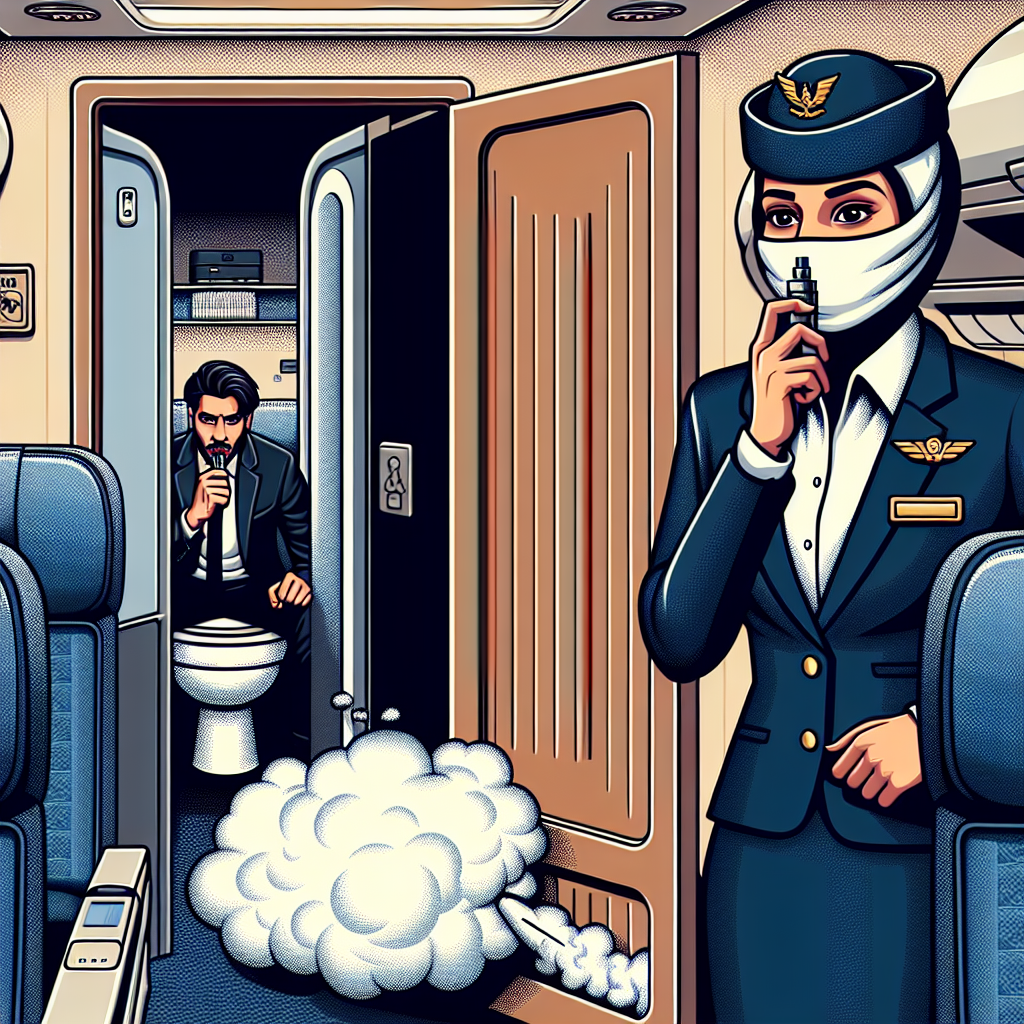
In a world where the skies are vast and air safety is paramount, there are still those moments when rules are bent, nudged, or outright flouted. Recently, on an American Airlines flight, a passenger by the name of Kobe Peter “Twoey King” Nguyen found himself in a not-so-luxurious spotlight. The reason? Vaping in the plane’s bathroom.

The Incident: A Smoky Affair


A video circulating online shows Nguyen engaging in a heated exchange with flight attendants after being caught vaping mid-flight. The cabin crew, as expected, were far from amused, and it's not hard to imagine why. Vaping on a plane isn't just against airline policy; it's a safety concern. Airplanes are essentially pressurized metal tubes hurtling through the sky, and anything that can potentially compromise safety is a big no-no.

A flight attendant who witnessed the scene later explained that the situation was handled following standard procedures. The crew had to ensure the safety of all passengers, and that meant enforcing the no-smoking (or vaping) rule strictly.

Vaping: A Global Perspective


This incident isn't just an isolated case of flouting rules. It ties into the broader discussion about vaping regulations, which have been tightened in various parts of the world. For instance, in Australia, vaping laws are stringent, requiring prescriptions for nicotine vapes, while in the UK, public health officials have advocated for vaping as a tool to quit smoking but with controls.

The skies have their own sets of rules and regulations, and for good reason. The Federal Aviation Administration (FAA) in the United States has clear guidelines prohibiting smoking and vaping on flights. The reasons are simple: fire hazards and the potential for health issues among passengers, especially those with respiratory sensitivities.

The People Behind the Clouds


Nguyen, or "Twoey King" as he's known, is now unwittingly part of a growing list of individuals who've learned the hard way that some rules aren't meant to be broken. While incidents like this can often lead to fines or bans from airlines, they also serve as a reminder of the need for personal responsibility in shared spaces.

Flight attendants, often the unsung heroes of the skies, have to manage not only the safety protocols but also the comfort and well-being of all passengers. Their job is not just about serving drinks and snacks; it's about ensuring that everyone arrives safely at their destination, even if it means confronting uncomfortable situations.

A Broader Connection: Air Travel and Behavior


Nguyen’s case is a microcosm of the larger issue of passenger behavior on flights. With air travel rebounding post-pandemic, there's been a noticeable uptick in unruly passengers. The International Air Transport Association (IATA) has reported increased incidents of disruptive behavior, ranging from mask disputes to physical altercations. This stresses the importance of clear communication and firmer penalties for those who choose to ignore the rules.

Final Thoughts: Flying with Consideration


As we continue to navigate the skies, it's essential to remember that air travel is a privilege that comes with responsibilities. Whether it's vaping, adhering to safety instructions, or simply being courteous to fellow passengers and crew, each of us plays a part in ensuring a safe and pleasant journey.

For Nguyen, this incident might be a momentary lapse in judgment, but it serves as a valuable lesson for all travelers. The next time you board a flight, remember: the rules are there for a reason, and a little consideration can go a long way in keeping the friendly skies just that—friendly.

Read more about AI in Business

Read more about Latest Sports Trends

Read more about Technology Innovations

Shocking plunge by Southwest flight from Southern California was to avoid another aircraft – KHON2 | Analysis by Brian Moineau

Shocking plunge by Southwest flight from Southern California was to avoid another aircraft - KHON2 | Analysis by Brian Moineau

Title: Navigating the Friendly Skies: A Heart-Pounding Plunge and the Art of Aerial Evasion

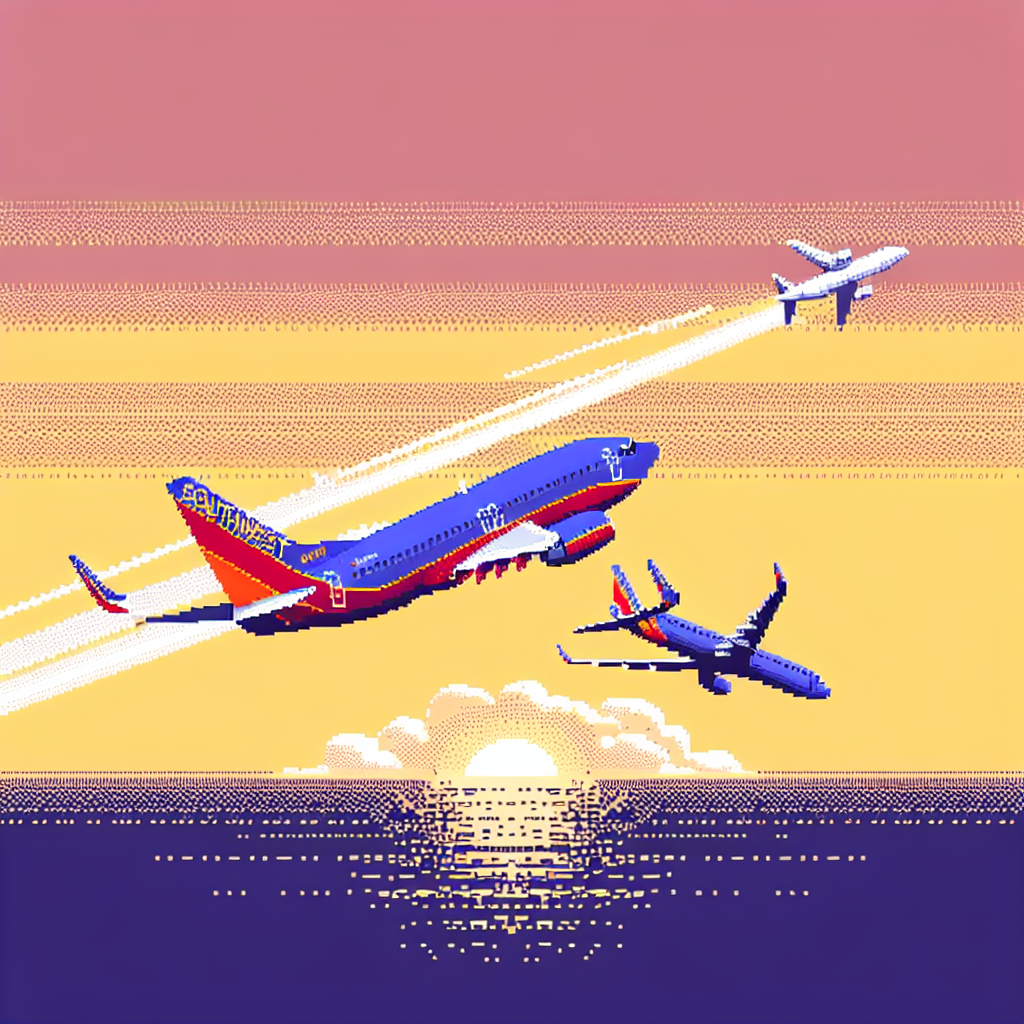
In a world where the everyday hustle and bustle often turns mundane, sometimes life throws a curveball—or in this case, a dramatic plunge—that jolts us into awareness. Recently, passengers aboard a Southwest Airlines flight from Southern California experienced just that, a heart-stopping descent to avoid a potential mid-air collision. As the Boeing 737 jet dropped hundreds of feet in mere seconds, it was a stark reminder of both the marvels and the perils of modern aviation.

When Skies Get Unfriendly: A Close Call Over Las Vegas

The incident unfolded as the aircraft was nearing its final destination, Las Vegas—a city synonymous with high stakes and adrenaline. But this time, the thrill wasn’t on the Strip. As the pilot informed passengers, the rapid descent was a maneuver to avert an oncoming aircraft. While the specifics remain under investigation, this event highlights the intricate ballet of air traffic control and pilot expertise that keeps millions of travelers safe each day.

A Glimpse Behind the Cockpit Curtain

Pilots, often seen as the stoic figures behind the cockpit door, are no strangers to handling pressure. This incident serves as a testament to their training and quick thinking. The Federal Aviation Administration (FAA) mandates rigorous training protocols to prepare pilots for such scenarios, ensuring that even when skies turn turbulent, those at the helm are equipped to navigate with precision.

Connecting the Dots: Aviation Safety in Perspective

This near-miss brings to mind other significant advancements and challenges in aviation safety. It echoes the ongoing commitment of organizations like the FAA and International Air Transport Association (IATA) to enhance safety measures and technology. Recent developments, such as the implementation of new collision-avoidance systems and improved air traffic management, are part of a global effort to minimize incidents like this.

From the Skies to the Streets: Parallels in Safety and Innovation

While aviation grapples with its unique set of challenges, parallels can be drawn to the automotive industry. The push for self-driving cars and advanced driver-assistance systems mirrors the aviation industry's quest for safer, more efficient travel. Both sectors are navigating the delicate balance between embracing innovation and ensuring safety, a dance that requires precision, foresight, and collaboration.

Final Thoughts: The Unseen Heroes of the Skies

As passengers disembarked safely in Las Vegas, likely with a newfound appreciation for solid ground, it's worth acknowledging the unsung heroes of aviation—the pilots, air traffic controllers, and engineers who work tirelessly behind the scenes. Their expertise and commitment ensure that, even when faced with the unexpected, the journey continues safely.

In a world where news of miraculous landings and close calls can quickly become just another headline, this incident serves as a reminder of the complexity and wonder of flight. As we look to the future, with advancements in technology and evolving safety protocols, one thing remains constant: the sky, vast and unpredictable, will always be a frontier of human ingenuity and courage.

Read more about AI in Business

Read more about Latest Sports Trends

Read more about Technology Innovations