NBA Games Postponed as Storm Grounds | Analysis by Brian Moineau

Snowed Out: When the NBA Hits the Brakes Because Mother Nature Shows Up

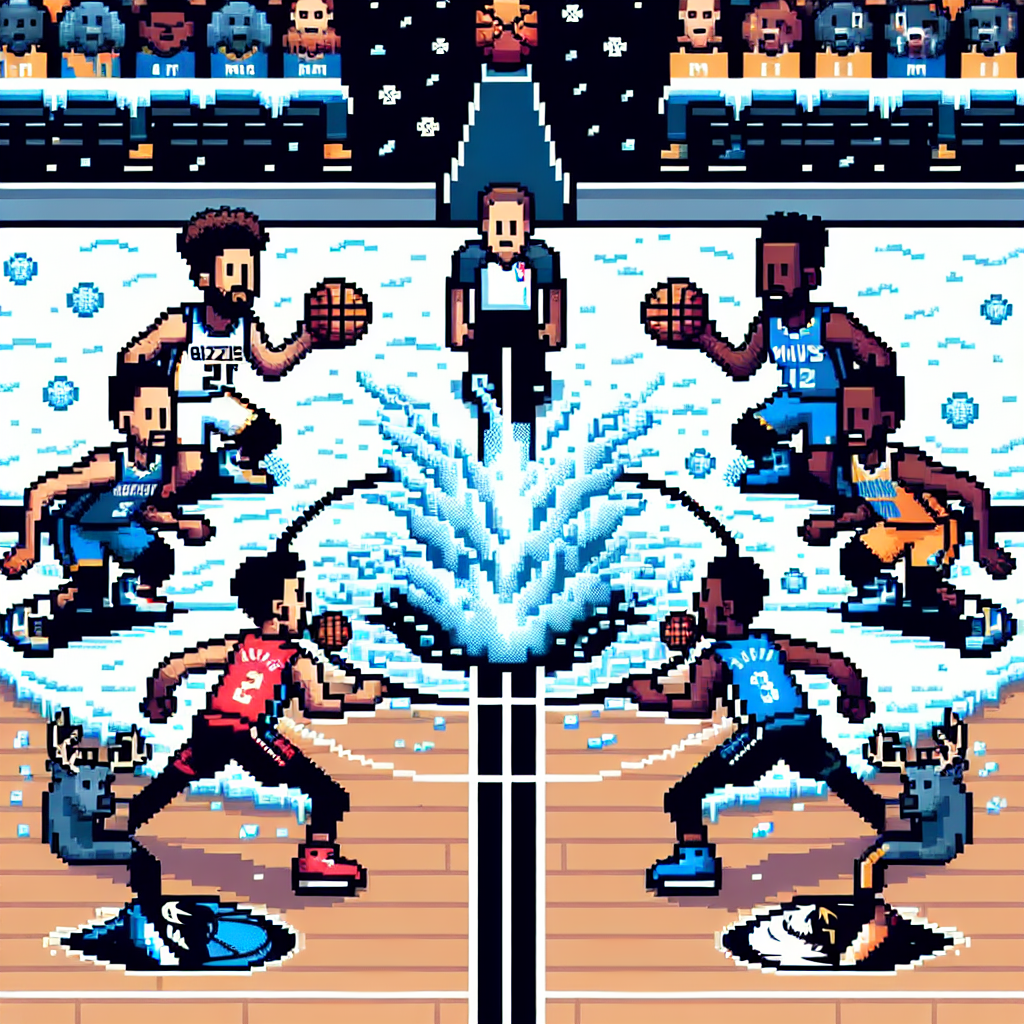
There’s something oddly humbling about a city full of jumbo screens and flight crews pausing because of snow. On January 25, 2026, the NBA postponed two games — Denver vs. Memphis and Dallas vs. Milwaukee — as a massive winter storm made travel unsafe across large swaths of the country. The league, teams and fans all had to reckon with a simple fact: some things are bigger than a game.

What happened (the short version)

  • On January 25, 2026, the Denver Nuggets at Memphis Grizzlies game scheduled for FedExForum was postponed due to inclement weather in the Memphis area. The decision came less than three hours before tipoff after snow, sleet and freezing rain made conditions hazardous. (abcnews.go.com)
  • The Dallas Mavericks’ trip to Milwaukee for a Sunday-night matchup with the Bucks was also postponed after the Mavericks were unable to complete flights to Milwaukee — despite two attempts — because of the storm and related travel issues. No reschedule dates were announced immediately. (cbssports.com)

Why this matters beyond the box score

  • Travel and safety come first: Professional sports operate on tight schedules and expensive logistics, but the league’s decision underscores that player/staff safety and public safety still override TV windows and ticket sales.
  • Scheduling ripple effects: Postponements create logistical headaches. Finding mutually available dates on two busy team calendars — particularly late in the season when back-to-backs and arena availability matter — is rarely simple.
  • Competitive fairness and rhythm: Teams build routines around game flow. Sudden cancellations can give one team an unexpected rest day or disrupt momentum, which matters in tight playoff races.
  • Fan experience and local economies: Last-minute postponements hit ticket holders, arena staff, local vendors and travel-dependent fans who planned around those games.

Scenes and logistics to imagine

  • In Memphis, both teams and the officiating crew had already arrived. For fans who’d made plans for a Sunday night outing, the postponement was abrupt but clearly grounded in safety given the wintry mix and refreeze risk on roadways. (abcnews.go.com)
  • In Milwaukee, the picture was different: the Mavericks tried twice to make the trip but couldn’t due to flight and de-icing or other operational issues. When teams can’t physically get to the arena, there’s no safe way to carry on with a professional game. (cbssports.com)

A few practical questions fans ask (and brief answers)

  • Will the games be rescheduled soon?
    • The league typically looks for an open date that fits both teams’ schedules and arena availability. Because schedules are crowded, especially late in January and February, it may take a while. The NBA announced the postponements and said reschedule dates would be announced later. (nba.com)
  • What about broadcast and ticket refunds?
    • Standard practice: broadcasters adjust programming and teams provide ticket exchange/refund options or reissue tickets for the rescheduled date. Check team and league communications for official details once reschedules are set. (Teams and the NBA handle these logistics directly.)
  • Could postponements affect playoff seeding or rust for star players?
    • Yes. Even minor disruptions can shift rest cycles and rehabilitation timelines. Coaches and staff must juggle minutes and workloads accordingly.

Broader context: weather, travel, and modern sports

Weather has always been an unpredictable opponent. But modern professional sports leagues run interdependent operations — charter flights, arena crews, broadcast windows and fans’ travel plans — that magnify the effects of any disruption. When a storm like the one on January 25, 2026, forces cancellations, it reveals how tightly choreographed the season is and how many moving parts depend on clear skies and open highways. (theguardian.com)

Key points to remember

  • Safety first: League officials postponed the games because travel and local conditions were unsafe.
  • Logistics follow: Rescheduling is complicated and may not happen immediately.
  • Everyone feels it: Teams, broadcasters, arena workers and fans all face consequences when weather intervenes.
  • It’s part of the game’s human element: Even the most high-tech sports world is still subject to nature.

My take

There’s an odd, almost democratic humility in seeing the NBA — a multibillion-dollar enterprise with meticulously planned travel — pause for snow. It’s a reminder that the game is played inside a larger world where safety, infrastructure and community well-being matter more than a perfectly timed TV slot. Fans disappointed by a canceled night can still appreciate that the decision likely prevented unsafe driving, stranded travelers, or worse. The league, teams and supporters all lose a planned moment of shared excitement, but they gain something more durable: the sensible prioritization of people over programming.

Sources

(For the most up-to-date reschedule information, check official team or NBA announcements on their websites or social feeds.)


Related update: We recently published an article that expands on this topic: read the latest post.

Related update: We recently published an article that expands on this topic: read the latest post.


Related update: We recently published an article that expands on this topic: read the latest post.

MLB Gameday: Padres 4, Dodgers 5 Final Score (08/17/2025) – MLB.com | Analysis by Brian Moineau

MLB Gameday: Padres 4, Dodgers 5 Final Score (08/17/2025) - MLB.com | Analysis by Brian Moineau

Title: A Day at the Ballpark: Padres vs. Dodgers - A Classic Showdown in the City of Angels

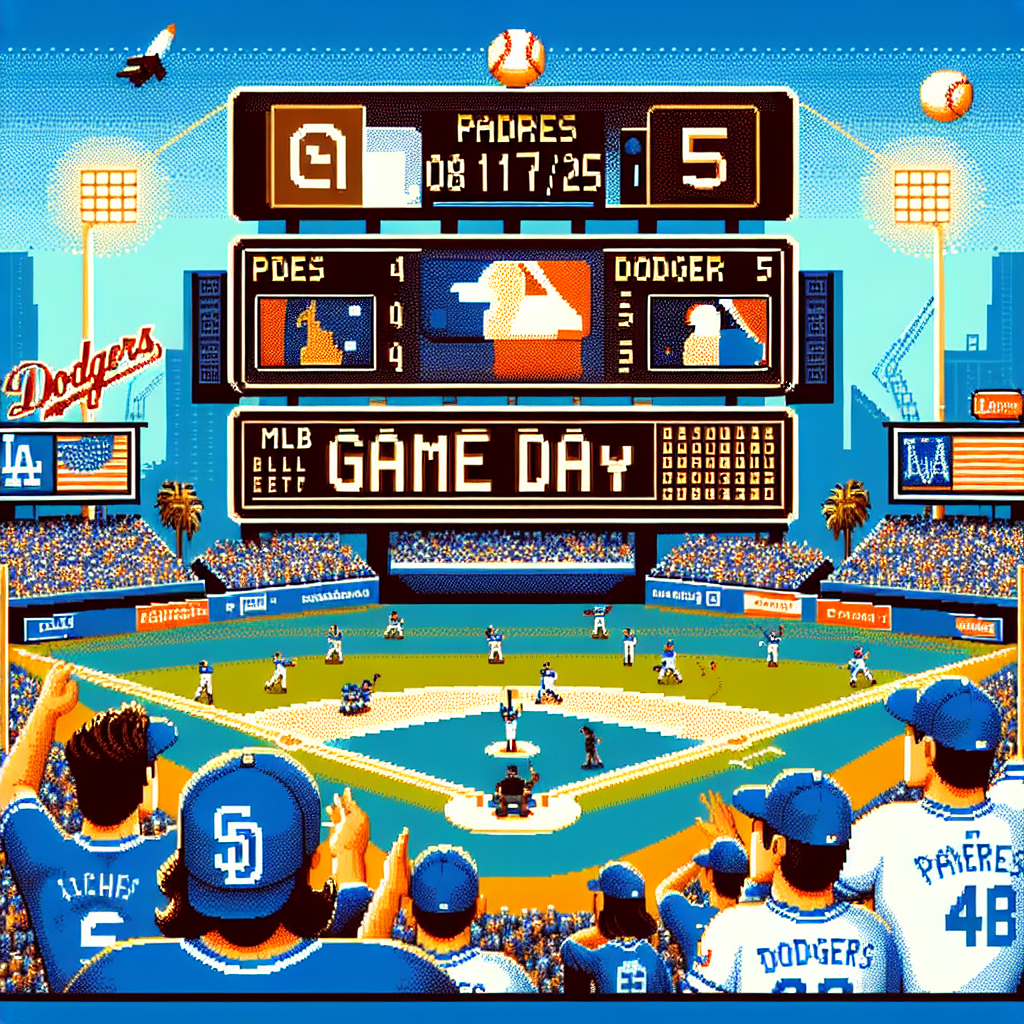
Ah, the sweet sounds of summer: the crack of the bat, the cheer of the crowd, and the hushed anticipation before the pitch. On August 17, 2025, fans at Dodger Stadium were treated to an electrifying matchup between the San Diego Padres and the Los Angeles Dodgers. With a final score of 5-4, the Dodgers managed to edge out the Padres, adding another chapter to their storied rivalry.

This game wasn't just about the score; it was a narrative woven with tension, strategy, and a little bit of drama. The Dodgers have long been a powerhouse in Major League Baseball, with a history of success and a fan base that spans the globe. On the other hand, the Padres, the underdogs with a fighting spirit, have been steadily rising, challenging the old guard with every swing of the bat.

The Padres vs. Dodgers matchup is more than just a game; it's a spectacle. It's about two teams that embody the spirit of their cities. Los Angeles, with its glitz and glamour, and San Diego, with its laid-back, never-say-die attitude, make for a clash that's as much about culture as it is about baseball.

In this game, the Dodgers' victory was hard-fought. The Padres, led by their charismatic manager, Chavo "Chavito" Martinez, put up a relentless fight. Martinez, who took over the Padres' reins in 2023, has been instrumental in injecting energy and hope into the franchise. His leadership style, a mix of old-school wisdom and modern analytics, has been pivotal in the Padres' recent successes.

The game also saw standout performances from key players. For the Dodgers, veteran pitcher Julio Urías proved once again why he's a cornerstone of their rotation. His command on the mound, mixed with an uncanny ability to get out of tight spots, was a highlight of the evening. On the Padres' side, young slugger Juan Soto showcased his prowess, driving in crucial runs and reminding everyone why he's one of the most exciting talents in baseball today.

Beyond the game, this matchup reflects broader trends in the world of sports and beyond. In recent years, we've seen a shift towards embracing youthful talent and innovation, both on and off the field. Teams are investing in young players, new technologies, and data analytics to gain a competitive edge. This mirrors trends in other industries, where innovation and adaptability have become key to success.

Moreover, the game was a reminder of sports' power to bring people together. In a world often divided by politics, economics, and ideologies, sports remain a unifying force. Fans from different walks of life, united by their love for the game, come together to cheer, jeer, and share in the highs and lows of their favorite teams.

As we reflect on this game, it's clear that baseball is more than just America's pastime; it's a dynamic, evolving sport that continues to capture hearts and imaginations. Whether you're a die-hard Dodgers fan or rooting for the Padres, there's no denying the excitement and passion that games like these bring.

In the end, whether you're in the upper decks or watching from home, the thrill of a close game, the camaraderie among fans, and the timeless beauty of baseball are what truly make it special. As the season progresses, we can only anticipate more such thrilling encounters that keep us on the edge of our seats.

Final Thoughts: As the Dodgers and Padres continue their seasons, this game serves as a reminder of the unpredictable nature of baseball. It's a sport where, on any given day, anything can happen, and that's precisely what keeps us coming back for more. Whether you're in it for the stats, the stories, or the sheer love of the game, baseball is a ride that's always worth taking.

Read more about AI in Business

Read more about Latest Sports Trends

Read more about Technology Innovations

Skull Session: Fox Sports’ Michael Mulvihill Says He Sympathizes With Ohio State Fans, Texas AD Chris Del Co – Eleven Warriors | Analysis by Brian Moineau

Skull Session: Fox Sports’ Michael Mulvihill Says He Sympathizes With Ohio State Fans, Texas AD Chris Del Co - Eleven Warriors | Analysis by Brian Moineau

Sympathy for the Buckeyes and the Bananas Budget in Texas: A Lighthearted Look at College Sports Drama


Ah, college sports—where the passion is palpable, the rivalries are eternal, and the drama is as unpredictable as a last-second Hail Mary. If you’ve tuned into the latest chatter, you might have come across Fox Sports' Michael Mulvihill expressing his sympathy for Ohio State fans and Texas Athletic Director Chris Del Conte denouncing claims about a $40 million roster cost as "bananas." Let’s dive into this intriguing mix of empathy and incredulity.

Ohio State Fans: A Cycle of Hope and Heartbreak


First, let’s talk about Ohio State. Known for its powerhouse football program, Ohio State has a fan base that lives and breathes Buckeye football. It’s no wonder Michael Mulvihill feels for these fans, who experience a rollercoaster of emotions each season. The Buckeyes have a storied history, with numerous Big Ten titles and national championships to their name. But with great success comes great expectation, and that can be a heavy burden.

This sympathy isn’t just about wins and losses on the field; it’s about the emotional investment fans pour into their team. College football isn’t just a game in Ohio; it’s a tradition, a community bond, and a way of life. Mulvihill’s sentiments echo the broader experience of sports fans who, year after year, invest their hopes in their teams, only to experience the heartbreak that sports inevitably bring. In that way, Buckeye fans are a lot like Cubs fans pre-2016—always waiting for that next big win to come.

Texas and the "Bananas" Budget


Meanwhile, deep in the heart of Texas, Chris Del Conte is shaking his head at the idea that the Longhorns’ roster costs $40 million. It’s a figure that seems more fitting for a Hollywood blockbuster than a college football team. Calling the reports "bananas" is Del Conte’s way of dismissing what he sees as an inflated narrative.

This isn’t the first time a college sports budget has raised eyebrows. The economics of college sports are famously opaque, with booster donations, TV deals, and merchandising all contributing to a complex financial picture. Yet, as eye-popping as $40 million sounds, it’s a reminder of the high stakes and high costs in the world of college athletics.

The broader context here is the ongoing debate about money in college sports. As NIL (Name, Image, Likeness) deals become more prevalent, the financial landscape is shifting dramatically. Players who once received only scholarships can now earn from endorsements, adding another layer to the financial discussion.

Beyond the Gridiron: Connecting the Dots


On a lighter note, these stories remind us that the world of sports often reflects broader societal themes. The sympathy for Ohio State fans mirrors the universal experience of hope amid uncertainty—a sentiment that resonates far beyond the confines of a football stadium. Similarly, the Texas budget debate highlights discussions about value and spending that are relevant in many sectors, from education to entertainment.

In a world increasingly driven by data and dollars, these stories bring a human touch to the numbers, reminding us that sports are ultimately about people—fans, players, and administrators—all navigating their own journeys.

Final Thoughts


As we navigate another thrilling college football season, let’s remember the passion that drives fans and the financial realities that shape the sport. Whether you’re a Buckeye experiencing the highs and lows of fandom or a Longhorn chuckling at "bananas" budget rumors, there’s a shared love for the game at the heart of it all.

In the end, college sports are a testament to the power of community and the joy of competition. So, here’s to the fans, the teams, and the stories that make each season unforgettable. Now, let’s get back to the game and enjoy the ride!

Read more about AI in Business

Read more about Latest Sports Trends

Read more about Technology Innovations