Drive‑Thru Violence Shakes Fast‑Food | Analysis by Brian Moineau

A chaotic night at Wendy’s: what the Ewing Township drive-thru video tells us about public safety and fast-food flashpoints

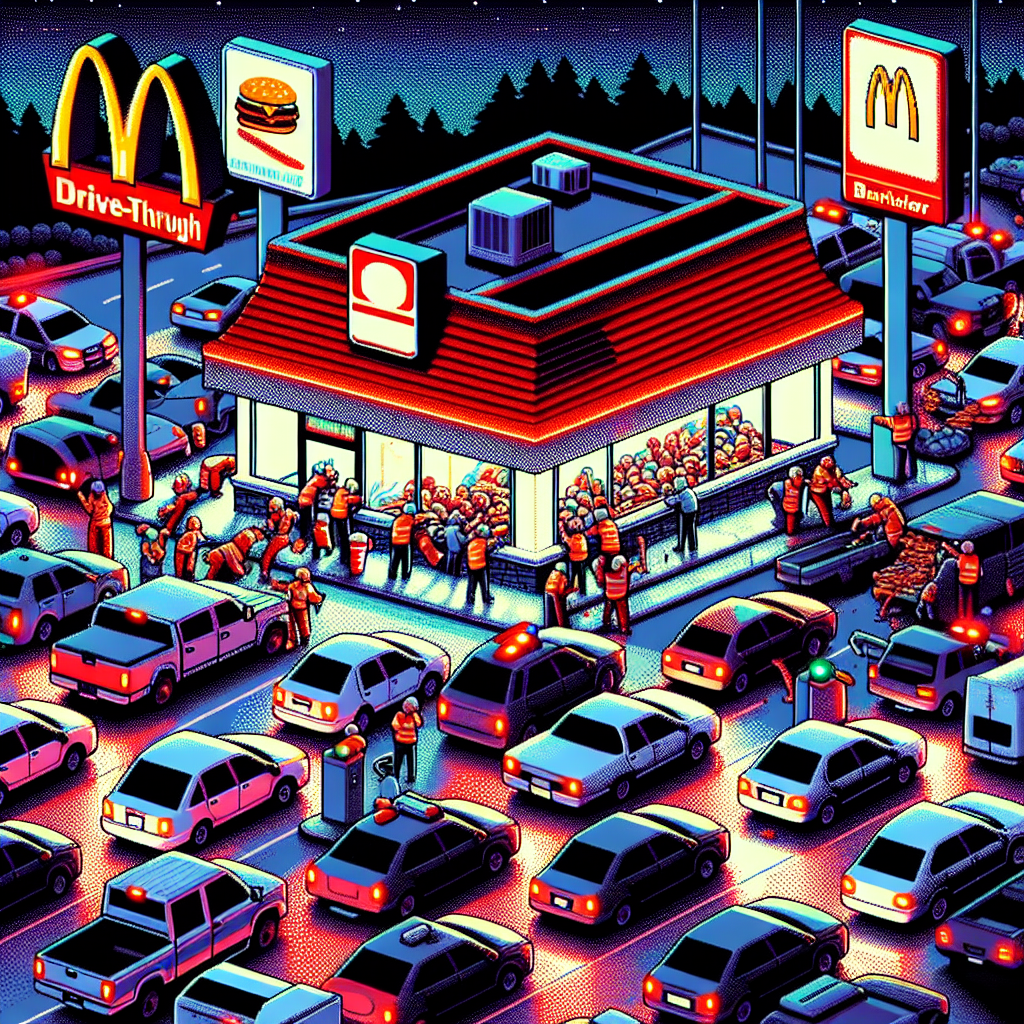
A viral video of violence at a Wendy’s drive-thru in Ewing Township, New Jersey, landed in people’s feeds and raised the same uneasy question: how did a late-night trip for fries and a Frosty turn into breaking windows and attempted assaults? The footage — and the police account that followed — feel like a snapshot of broader tensions playing out in public, commercial and late-night spaces.

What happened (the essentials)

  • Date and place: The incident occurred in the early hours of February 21, 2026, at the Wendy’s on the 1700 block of Olden Avenue in Ewing Township, New Jersey.
  • Who: Police identified three people from Trenton — 23-year-old Honesty Harrison, 18-year-old Saniyah Brittingham and 19-year-old Leah Williford Stevens.
  • Police account: Investigators say the trio damaged property inside the restaurant and attempted to assault employees with various items just before 3 a.m. Two of the suspects face burglary, criminal mischief and unlawful possession of a weapon charges; the third faces burglary and criminal mischief charges. Two turned themselves in; police were asking the public for help locating the third. (Published February 28, 2026). (6abc.com)

Why the video resonated

  • Violence in plain sight: Fast-food restaurants are public, highly visible spaces. Surveillance and phone video make it easy for incidents to spread quickly, sparking community alarm and online debate.
  • Late-night dynamics: After-hours shifts, reduced staffing, and customers under stress (fatigue, alcohol, conflict) can create conditions where small disputes escalate. The Wendy’s video taps into a pattern we’ve unfortunately seen in other fast-food altercations across the country. (cbsnews.com)
  • Emotional response: Viewers don’t only react to the specific actors in the clip — they react to the vulnerability of workers and the breakdown of ordinary civility where people expect quick service and little drama.

Broader context and patterns

  • Not an isolated phenomenon: Incidents at drive-thrus and fast-food locations — from assaults to robberies to crashes into buildings — recur in local news. Those stories highlight vulnerabilities: 24/7 operations, limited security presence late at night, and the physical layout of drive-thrus that can funnel conflict into tight spaces. (cbsnews.com)
  • Worker safety as a policy issue: The footage revives policy questions about protection for frontline employees — from better lighting and barriers to panic buttons, clearer late-night staffing protocols, and collaboration with local police.
  • Social-media ripple effects: Viral video can accelerate investigations (public IDs, tips) but also inflame speculation. Responsible reporting and community restraint help ensure investigations proceed fairly.

What to watch next

  • Legal outcomes: Charges listed in early reports may change as prosecutors review evidence and surveillance is formally entered into court records. Expect updates from local law enforcement and county prosecutors. (6abc.com)
  • Business and community response: Restaurants often respond with temporary closures, revised opening hours, or added security measures after violent incidents. Community leaders may call for interventions to address root causes (youth outreach, mental health supports, curfews).
  • The missing suspect: As of the report, one person had not been located; public tips to police were encouraged. That kind of public lead can be decisive in fast-moving local investigations. (6abc.com)

What this means for customers and workers

  • For customers: Keep interactions calm, especially late at night. If you witness violence, prioritize safety — get to a safe place, call 911, and preserve video only for law enforcement if you're asked to share it.
  • For workers: If your workplace lacks emergency procedures, raise the issue with management. Small protections — training on de-escalation, clear lockup procedures, access to a manager or dispatcher — can make a big difference.
  • For businesses: Reassess late-night staffing, lighting, camera coverage, and partnerships with local police. Investing in safety is both a moral and a business imperative.

Key takeaways

  • The February 21, 2026 Wendy’s incident in Ewing Township shows how quickly late-night disagreements can escalate into property damage and attempted assaults. (6abc.com)
  • Fast-food locations remain vulnerable because of hours of operation, limited security, and layouts that concentrate conflict. (cbsnews.com)
  • Video can spur rapid public reaction and aid investigations, but it also requires careful handling to avoid rushed judgments and misinformation.

My take

The clip is jarring, partly because it strips away the mundane expectation of a frictionless, anonymous late-night purchase. It’s a reminder that public safety and civility depend on small systems — sensible operating policies, visible deterrents, and community supports — not just individual good behavior. Protecting workers and customers doesn’t require grand gestures; it requires practical, often inexpensive steps plus clear communication and community cooperation.

Sources

$20 Fast‑Food Wage: Hype vs. Reality | Analysis by Brian Moineau

How a $20 fast‑food wage became a political punchline — and what the data actually shows

Who doesn’t love a good one‑liner? When former President Trump said California’s $20-per-hour fast‑food minimum wage was “hurting businesses,” the quote fit neatly into a familiar story: big wage hike → shuttered restaurants → unhappy voters. But real life, as usual, refuses to be tidy. The first year after California’s sectoral wage increase has produced a muddled mix of headlines, studies and anecdotes — and the truth sits somewhere in the middle.

What happened and why it mattered

  • In September 2023 California passed AB 1228, creating a Fast Food Council and setting a $20 minimum wage for fast‑food workers at chains with 60+ locations nationwide, effective April 1, 2024. (gov.ca.gov)
  • The policy targeted roughly half a million workers and was one of the largest sector‑specific wage hikes in recent U.S. history.
  • Opponents warned of rapid price inflation, job losses, reduced hours and store closures. Supporters argued workers needed a living wage and that higher pay could reduce turnover and boost consumer demand.

Headlines vs. data: why simple answers don’t fit

Political rhetoric loves certainty, but economists use careful comparisons. Since April 2024 the evidence has been mixed:

  • Studies and analyses finding minimal negative effects:

    • Research from UC Berkeley’s Institute for Research on Labor and Employment and related teams report that wages rose substantially, employment held steady, and menu price impacts were modest (single‑digit percent increases for typical items). These studies emphasize higher worker earnings without detectable job losses in the fast‑food sector. (irle.berkeley.edu)
    • Other academic teams (Harvard Kennedy School / UCSF) reached similar conclusions about pay gains and limited staffing impacts. (gov.ca.gov)
  • Studies and analyses finding measurable job declines:

    • Working papers using Bureau of Labor Statistics payroll data (Quarterly Census of Employment and Wages) — and critiques from policy groups like the Cato Institute — estimate a small but nontrivial reduction in fast‑food employment in California relative to other states, translating into thousands of jobs potentially lost or displaced. These analyses point to a 2–4% differential decline in sector employment in the year after the law passed. (nber.org)
  • Industry and media snapshots added color (and noise):

    • Chains and franchisee groups announced price increases and operational changes; some local closures and staffing adjustments were reported in the press and by trade groups. At the same time, state officials pointed to jobs data showing growth in fast‑food employment in some months. Media outlets highlighted both anecdotes of closures and studies showing limited harm. (cnbc.com)

The upshot: different data sources, time frames, and methods yield different estimates. Short‑run payroll snapshots can show dips that later rebound; survey‑based and restaurant‑level pricing studies can miss informal shifts (delivery volume, operating hours, mix of part‑time vs full‑time). Context, timing and research design matter.

Four reasons the debate stayed messy

  • The policy was sectoral and targeted. It applied only to large chains (60+ locations), leaving many small restaurants out of scope — which complicates comparisons and “one‑size” conclusions. (gov.ca.gov)
  • Timing and price pass‑through. Chains can respond by raising prices, squeezing profits, automating, or changing franchise decisions. Price increases were modest on average per some studies, but consumer behavior and foot traffic patterns varied across markets. (irle.berkeley.edu)
  • Geographic and local wage baselines differ. Many California cities already had higher local wages, so the bite of a statewide $20 floor varied by city and region. (cnbc.com)
  • Data source differences. Administrative payroll counts, operator surveys, foot‑traffic trackers and economist regressions each capture different slices of reality. Survey respondents tend to report the most painful anecdotes; large administrative datasets smooth over firm‑level churn but can lag. (nber.org)

What the evidence implies for workers, employers and voters

  • Workers: Many fast‑food employees saw meaningful pay bumps. For low‑paid workers, a reliable raise can improve household finances and reduce turnover — which itself can save restaurants hiring and training costs. Several academic teams documented substantial wage gains. (irle.berkeley.edu)
  • Employers: Large national chains and well‑capitalized operators can typically absorb or pass through costs more easily than small franchisees and mom‑and‑pop operators. Some franchisees reported tightening margins or operational shifts. Franchise structure therefore matters for who feels the pain. (cnbc.com)
  • Consumers: Menu prices rose in many places but, according to some detailed price studies, by relatively modest amounts for common items. Still, for price‑sensitive customers, even small increases can change visit frequency over time. (irle.berkeley.edu)
  • Policy makers: The California experiment shows that sectoral wage rules are feasible and politically potent — but also that they require monitoring, local nuance and careful evaluation to spot unintended consequences.

What to watch next

  • Updated employment and payroll reports for 2024–2025 (BLS QCEW, state employment dashboards).
  • Fast‑food council adjustments: the law created a Fast Food Council that can change wage floors going forward — any upward tweaks will reignite debates. (gov.ca.gov)
  • New peer‑reviewed studies that reconcile firm‑level evidence with state administrative data. The early literature includes conflicting working papers; later, more refined analyses will matter for policy learning. (nber.org)

Key points to remember

  • Big, immediate headlines are tempting, but the empirical record is mixed — some rigorous studies find little harm to employment, others find modest job declines.
  • The distribution of effects matters: workers gained wages, while some operators (especially small franchisees) faced higher costs and operational strain.
  • Policy design (who is covered, how enforcement works, and whether wages are phased or sudden) shapes outcomes as much as headline wage numbers do.

My take

Policies that push wages up for low‑paid workers deserve scrutiny, not sloganeering. California’s $20 experiment shows that meaningful wage increases can lift paychecks without catastrophic collapse — but they are not costless. The right takeaway is pragmatic: expect tradeoffs, design for local differences, measure outcomes rigorously, and be ready to adjust. Political one‑liners make for headlines; careful evidence makes for better policy.

Sources


Related update: We recently published an article that expands on this topic: read the latest post.


Related update: We recently published an article that expands on this topic: read the latest post.

Subway hires former Burger King executive as its new CEO – Yahoo Finance | Analysis by Brian Moineau

Subway hires former Burger King executive as its new CEO - Yahoo Finance | Analysis by Brian Moineau

Title: A New Chapter for Subway: The Fast Food Shuffle and What It Means for Your Sandwich

In the ever-evolving world of fast food, change is not just inevitable; it's essential. Subway, the Miami-based sandwich giant, is making waves by announcing Jonathan Fitzpatrick as its new CEO. Fitzpatrick, a seasoned executive with a rich history at Burger King, is set to bring a fresh perspective—and perhaps a whiff of flame-grilled innovation—to the sandwich chain.

From Whoppers to Footlongs: A Strategic Move

Jonathan Fitzpatrick is no stranger to fast food royalty, having honed his leadership skills at Burger King, a brand known for its bold flavors and even bolder marketing. His transition from flipping Whoppers to crafting footlongs is a fascinating shuffle in the fast-food hierarchy. With this move, Subway is not just swapping CEOs; it's signaling a desire to revitalize its brand and perhaps spice up its menu.

But why Fitzpatrick? His tenure at Burger King saw a rejuvenation of the brand, focusing on customer experience and innovative menu items—remember the Impossible Whopper? It was a game-changer in the fast-food industry, paving the way for plant-based options to become mainstream. Fitzpatrick's knack for tapping into consumer trends and his experience with global operations could be precisely what Subway needs to regain its footing in a competitive market.

The Fast Food Game of Thrones

Subway's decision to bring in Fitzpatrick is not happening in a vacuum. The fast-food industry is currently a hotbed of strategic shifts. Recently, McDonald's has been experimenting with AI-driven drive-thrus, while Taco Bell continues to innovate with its digital-only stores. Even smaller chains like Chipotle are diving into the tech pool with their “Chipotlanes” and a focus on digital orders. It's a Game of Thrones scenario where brands must adapt or risk being left behind.

Subway, once a leader in the healthy fast-food segment, has faced challenges in recent years with store closures and competition from newer, fast-casual eateries like Sweetgreen and Panera Bread. Fitzpatrick's appointment could signify a pivot towards a more dynamic business model that embraces both traditional offerings and modern consumer demands.

Fitzpatrick's Flavor Forecast

Will we see a Subway Impossible Meatball Sub? Or perhaps a spicy new marketing campaign that brings a touch of Burger King's sass? Only time will tell. What’s clear, however, is that Fitzpatrick’s leadership will likely focus on revitalizing Subway’s brand identity, enhancing customer experience, and possibly expanding its digital footprint.

Fitzpatrick's journey from Burger King to Subway also speaks to a broader trend of cross-pollination in the business world, where leaders bring diverse experiences to new domains, blending traditional expertise with innovative ideas. It's this kind of leadership that can drive change and foster growth in times of disruption.

Final Thoughts: A Sandwich Renaissance?

As Subway embarks on this new chapter under Fitzpatrick's leadership, there's a sense of cautious optimism. The fast-food landscape is ripe for innovation, and Subway's willingness to bring in fresh leadership could herald a new era for the brand. Whether you're a loyal Subway enthusiast or a curious onlooker, it's worth keeping an eye on how this strategic move unfolds. After all, the next big thing in fast food might just be your favorite new sandwich.

So, here's to Jonathan Fitzpatrick—a leader with a knack for flavor and a penchant for reinvention. May your Subway experience be ever more delicious and digitally savvy!

Read more about AI in Business

Read more about Latest Sports Trends

Read more about Technology Innovations

Buy now, pay later for fast food: Flexible spending option or a gamble? – WCPO 9 Cincinnati | Analysis by Brian Moineau

Buy now, pay later for fast food: Flexible spending option or a gamble? - WCPO 9 Cincinnati | Analysis by Brian Moineau

Title: Fast Food on Layaway? The Curious Case of Buy Now, Pay Later in the World of Burgers and Fries

In a world where convenience is king, the "buy now, pay later" (BNPL) trend is marching boldly into realms previously uncharted—fast food. Yes, you read that right. Thanks to platforms like DoorDash, you can now finance your impulse Big Mac and fries. But is this financial flexibility or a fast track to fiscal folly?

The Rise of BNPL: A Modern-Day Layaway

The concept of buy now, pay later isn't new. It's a modern twist on the old layaway plans our grandparents might have used to buy holiday gifts. However, its digital evolution has made it more accessible than ever. With the click of a button, consumers can defer payments on everything from sneakers to, now, fast food. The appeal is undeniable: instant gratification without immediate financial impact.

Fast Food Financing: A Smart Move?

While spreading out payments for big-ticket items like electronics or furniture might seem sensible, applying the same strategy to a $10 meal raises eyebrows. Proponents argue that BNPL offers valuable flexibility, especially in tough economic times. For someone short on cash, the ability to enjoy a meal without upfront payment can be a relief.

However, critics caution that this convenience can mask deeper financial pitfalls. Fast food isn’t a luxury; it's often a necessity. If someone needs to finance a meal, it might indicate broader financial instability. The risk is that BNPL could encourage spending beyond one’s means, leading to a cycle of debt over something as ephemeral as a burger.

Global Financial Trends: A Reflection

BNPL's expansion into fast food mirrors a broader global trend of micro-financing everyday expenses. With inflation on the rise and wages stagnating in many parts of the world, people are looking for ways to stretch their dollars further. According to a [2021 survey by Ascent](https://www.fool.com/the-ascent/research/buy-now-pay-later-statistics/), 36% of U.S. consumers used a BNPL service, with millennials making up the largest group of users. This shift highlights a growing reliance on credit-like services, even for daily needs.

The Domino Effect: More Than Just Pizza

Interestingly, DoorDash isn’t alone in this culinary credit experiment. Other delivery services and even some chain restaurants are exploring similar options, seeing BNPL as a way to boost sales and customer loyalty. But, as with any financial product, the devil is in the details. Late fees, interest rates, and the potential for overuse are real concerns.

A Lighter Side?

On a lighter note, the idea of financing fast food does add an amusing twist to our financial lexicon. Imagine explaining to your future self that your credit score took a hit because you just had to have that extra side of guacamole!

Final Thoughts

While BNPL for fast food might sound like the ultimate in indulgent convenience, it serves as a microcosm of contemporary financial challenges. As with any financial tool, the key lies in responsible use. For those considering this option, it’s crucial to weigh the short-term benefits against potential long-term consequences. After all, the true cost of a meal should be satisfaction, not regret.

In a world where you can finance French fries, let’s remember that the healthiest financial diets are often about balance and moderation. Happy munching, everyone!

Read more about AI in Business

Read more about Latest Sports Trends

Read more about Technology Innovations