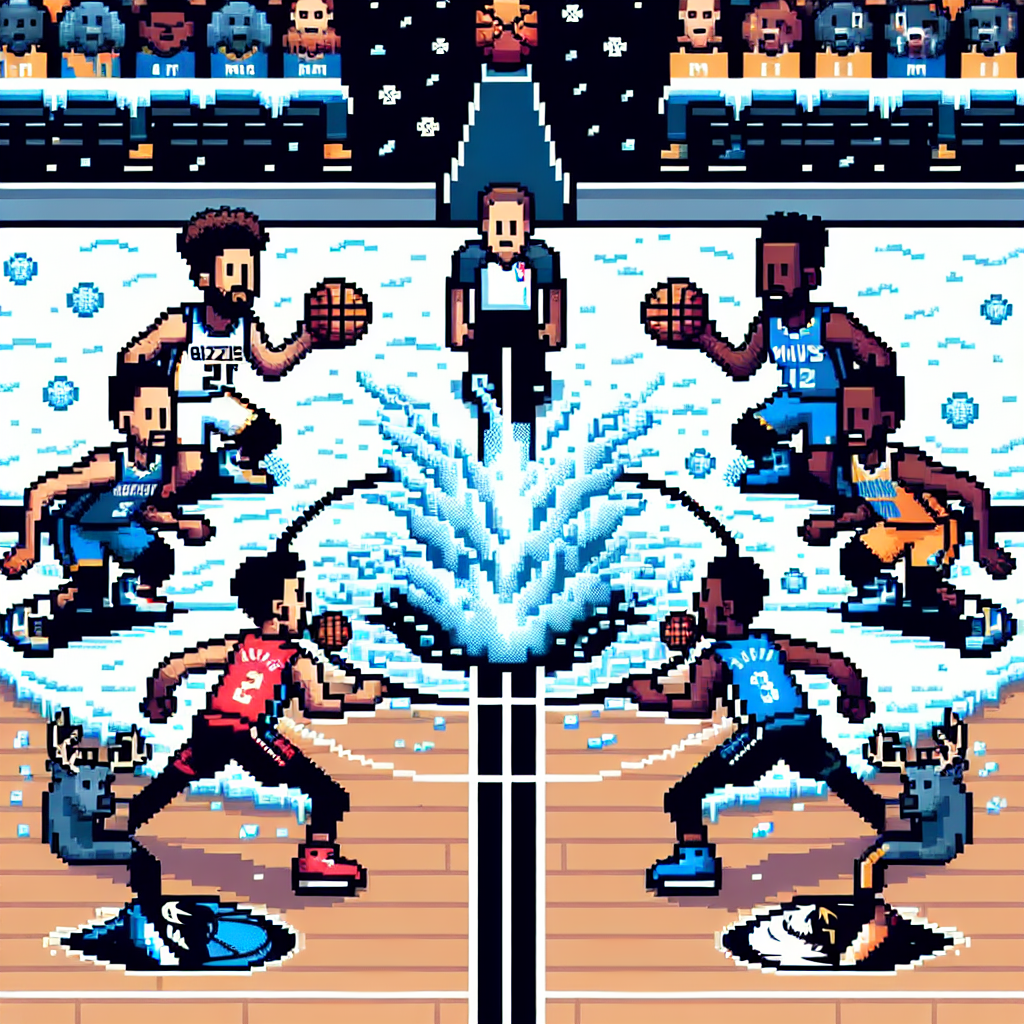
Snowed Out: When the NBA Hits the Brakes Because Mother Nature Shows Up
There’s something oddly humbling about a city full of jumbo screens and flight crews pausing because of snow. On January 25, 2026, the NBA postponed two games — Denver vs. Memphis and Dallas vs. Milwaukee — as a massive winter storm made travel unsafe across large swaths of the country. The league, teams and fans all had to reckon with a simple fact: some things are bigger than a game.
What happened (the short version)
- On January 25, 2026, the Denver Nuggets at Memphis Grizzlies game scheduled for FedExForum was postponed due to inclement weather in the Memphis area. The decision came less than three hours before tipoff after snow, sleet and freezing rain made conditions hazardous. (abcnews.go.com)
- The Dallas Mavericks’ trip to Milwaukee for a Sunday-night matchup with the Bucks was also postponed after the Mavericks were unable to complete flights to Milwaukee — despite two attempts — because of the storm and related travel issues. No reschedule dates were announced immediately. (cbssports.com)
Why this matters beyond the box score
- Travel and safety come first: Professional sports operate on tight schedules and expensive logistics, but the league’s decision underscores that player/staff safety and public safety still override TV windows and ticket sales.
- Scheduling ripple effects: Postponements create logistical headaches. Finding mutually available dates on two busy team calendars — particularly late in the season when back-to-backs and arena availability matter — is rarely simple.
- Competitive fairness and rhythm: Teams build routines around game flow. Sudden cancellations can give one team an unexpected rest day or disrupt momentum, which matters in tight playoff races.
- Fan experience and local economies: Last-minute postponements hit ticket holders, arena staff, local vendors and travel-dependent fans who planned around those games.
Scenes and logistics to imagine
- In Memphis, both teams and the officiating crew had already arrived. For fans who’d made plans for a Sunday night outing, the postponement was abrupt but clearly grounded in safety given the wintry mix and refreeze risk on roadways. (abcnews.go.com)
- In Milwaukee, the picture was different: the Mavericks tried twice to make the trip but couldn’t due to flight and de-icing or other operational issues. When teams can’t physically get to the arena, there’s no safe way to carry on with a professional game. (cbssports.com)
A few practical questions fans ask (and brief answers)
- Will the games be rescheduled soon?
- The league typically looks for an open date that fits both teams’ schedules and arena availability. Because schedules are crowded, especially late in January and February, it may take a while. The NBA announced the postponements and said reschedule dates would be announced later. (nba.com)
- What about broadcast and ticket refunds?
- Standard practice: broadcasters adjust programming and teams provide ticket exchange/refund options or reissue tickets for the rescheduled date. Check team and league communications for official details once reschedules are set. (Teams and the NBA handle these logistics directly.)
- Could postponements affect playoff seeding or rust for star players?
- Yes. Even minor disruptions can shift rest cycles and rehabilitation timelines. Coaches and staff must juggle minutes and workloads accordingly.
Broader context: weather, travel, and modern sports
Weather has always been an unpredictable opponent. But modern professional sports leagues run interdependent operations — charter flights, arena crews, broadcast windows and fans’ travel plans — that magnify the effects of any disruption. When a storm like the one on January 25, 2026, forces cancellations, it reveals how tightly choreographed the season is and how many moving parts depend on clear skies and open highways. (theguardian.com)
Key points to remember
- Safety first: League officials postponed the games because travel and local conditions were unsafe.
- Logistics follow: Rescheduling is complicated and may not happen immediately.
- Everyone feels it: Teams, broadcasters, arena workers and fans all face consequences when weather intervenes.
- It’s part of the game’s human element: Even the most high-tech sports world is still subject to nature.
My take
There’s an odd, almost democratic humility in seeing the NBA — a multibillion-dollar enterprise with meticulously planned travel — pause for snow. It’s a reminder that the game is played inside a larger world where safety, infrastructure and community well-being matter more than a perfectly timed TV slot. Fans disappointed by a canceled night can still appreciate that the decision likely prevented unsafe driving, stranded travelers, or worse. The league, teams and supporters all lose a planned moment of shared excitement, but they gain something more durable: the sensible prioritization of people over programming.
Sources
-
NBA: "Nuggets-Grizzlies game postponed." (Official NBA announcement).
https://www.nba.com/news/nuggets-grizzlies-game-postponed. (nba.com) -
Associated Press via ABC News: "NBA postpones Grizzlies-Nuggets game because of the winter storm." (January 25, 2026).
https://abcnews.go.com/Sports/wireStory/nba-postpones-grizzlies-nuggets-game-winter-storm-129546665. (abcnews.go.com) -
ESPN: "NBA postpones Nuggets-Grizzlies, Mavs-Bucks due to winter storm." (January 25, 2026).
https://www.espn.com/espn/story/_/id/47726156/nba-postpones-grizzlies-nuggets-game-due-winter-storm. (espn.com) -
The Guardian: "More than 1 million power outages as deadly Winter Storm Fern pummels eastern US — as it happened." (January 25, 2026).
https://www.theguardian.com/us-news/live/2026/jan/25/winter-snow-storm-weather-latest-updates. (theguardian.com)
(For the most up-to-date reschedule information, check official team or NBA announcements on their websites or social feeds.)
Related update: We recently published an article that expands on this topic: read the latest post.
Related update: We recently published an article that expands on this topic: read the latest post.
Related update: We recently published an article that expands on this topic: read the latest post.