Valve CEO Gabe Newell’s Neuralink competitor is expecting its first brain chip this year – The Verge | Analysis by Brian Moineau

Valve CEO Gabe Newell’s Neuralink competitor is expecting its first brain chip this year - The Verge | Analysis by Brian Moineau

Title: Gaming Meets Neuroscience: Gabe Newell's Ambitious Leap into the Brain Chip Arena

In a world where gaming and technology often intertwine, few figures stand as prominently as Gabe Newell, the visionary CEO of Valve Corporation. Known for revolutionizing the gaming industry with platforms like Steam, Newell is now setting his sights on an entirely new frontier: brain-computer interfaces. His company, Starfish Neuroscience, is reportedly preparing to unveil its first brain chip later this year, positioning itself as a competitor to Elon Musk's Neuralink. But what exactly does this mean for both the tech world and the gaming industry as we know it?

Gabe Newell: A Visionary Beyond Gaming


Gabe Newell's journey from a Harvard dropout to one of the most influential figures in gaming is nothing short of extraordinary. After a successful stint at Microsoft, Newell co-founded Valve Corporation, and the company has since become synonymous with innovation in gaming. With titles like "Half-Life" and "Portal," Valve has consistently pushed the boundaries of what games can be. Yet, Newell's ambitions clearly extend beyond virtual landscapes.

With Starfish Neuroscience, Newell aims to make science fiction a reality by directly interfacing brains with computers. This venture isn't just a side project; it represents a potential paradigm shift in how humans interact with technology. It's reminiscent of the leaps in human-computer interaction we've seen from the likes of Apple's Steve Jobs or Microsoft's Bill Gates.

Brain Chips: The Next Big Frontier


The concept of brain-computer interfaces (BCIs) isn't new. Researchers have been exploring this field for decades, and we've seen significant advances in medical applications, particularly for individuals with mobility impairments. However, the potential applications of BCIs extend far beyond healthcare. Imagine a world where gaming becomes a fully immersive experience where the player's thoughts and emotions directly influence the game. This could be the future that Newell is envisioning.

Starfish Neuroscience's brain chip is expected to rival Neuralink, which has made headlines for its ambitious goals and high-profile demonstrations. While Musk's company focuses on medical applications and augmenting human intelligence, Newell's gaming background could bring a unique perspective to the table, potentially integrating BCIs into entertainment and everyday tech applications.

A World of Possibilities and Challenges


While the potential of brain chips is exciting, it's also fraught with ethical and practical challenges. Privacy concerns loom large. If our thoughts can be read by machines, who controls that data? Similarly, the implications of such technology on mental health and societal norms are vast and largely unexplored.

In addition, the timing of Starfish's announcement is noteworthy, as it coincides with a global surge in AI innovation. From OpenAI's advancements in natural language processing to robotics breakthroughs, we are living in an era defined by rapid technological evolution. Newell's entry into the brain chip arena is yet another testament to this trend.

Final Thoughts: A Game Changer?


Gabe Newell's journey from transforming the gaming industry to potentially transforming human-computer interaction is an exciting narrative. While we await the release of Starfish Neuroscience's first brain chip, it's clear that this development could have profound implications. Whether it's creating new gaming experiences or addressing complex medical challenges, the possibilities are endless.

As we stand on the brink of this new technological era, it's essential to approach these innovations with both enthusiasm and caution. After all, the future of brain-computer interfaces will not only redefine technology but also the very fabric of human experience. And if history has taught us anything, it's that visionaries like Gabe Newell often have a way of making the seemingly impossible a reality.

Read more about AI in Business
Read more about Latest Sports Trends

Read more about Technology Innovations

Half-Life 3 is just the hot exclusive Valve needs to propel SteamOS past Windows – Ars Technica | Analysis by Brian Moineau

Half-Life 3 is just the hot exclusive Valve needs to propel SteamOS past Windows - Ars Technica | Analysis by Brian Moineau

**Title: Could Half-Life 3 Be the Game-Changer for SteamOS?**

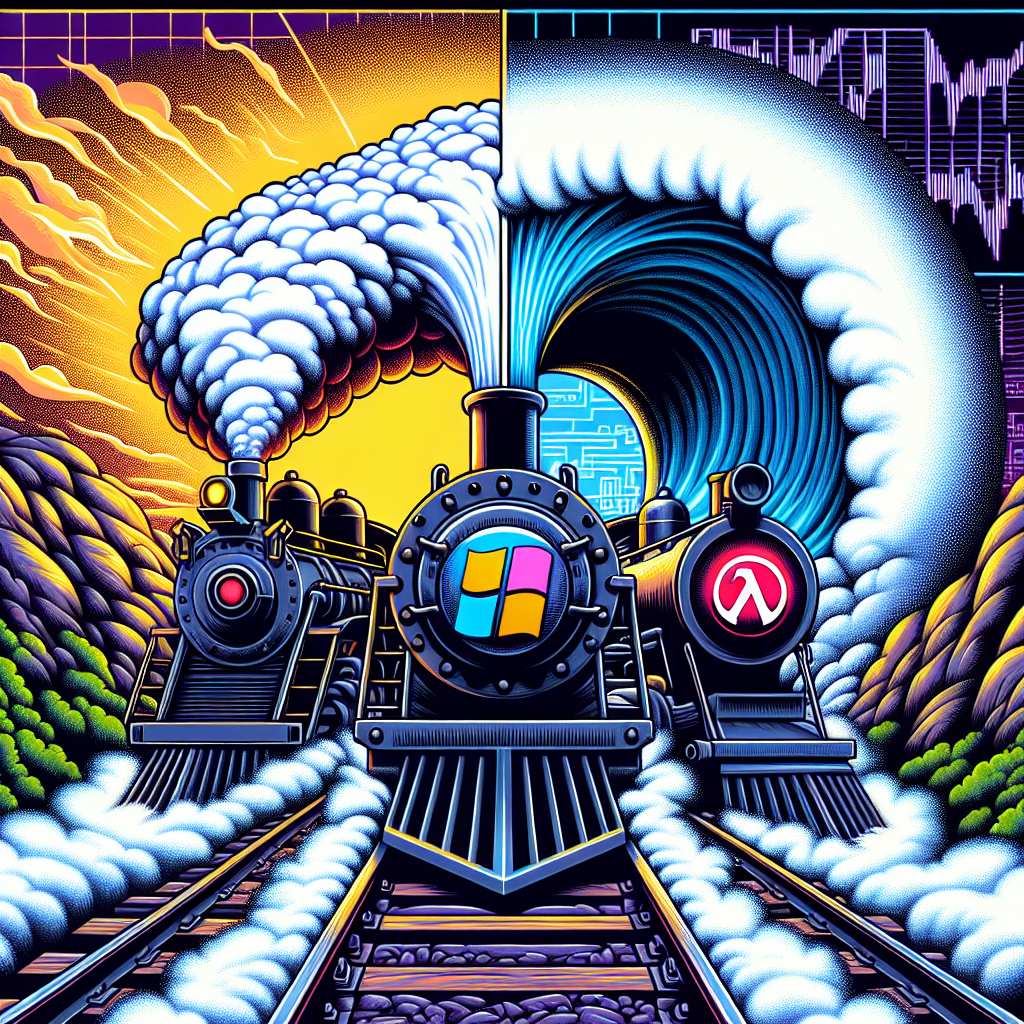
Ah, the elusive Half-Life 3. For years, it has been the holy grail of gaming—a mythical entity whispered about in hushed tones and wild Reddit theories. The recent buzz, as sparked by an article on Ars Technica, suggests that Half-Life 3 could be the exclusive title Valve needs to push SteamOS past the dominance of Windows in the PC gaming world. Let's delve into why this could be a pivotal moment for both Valve and gamers alike.

**Half-Life: A Legacy of Innovation**

To understand the possible impact of Half-Life 3, we must first appreciate the legacy of its predecessors. Half-Life 2, released in 2004, wasn't just a game; it was a technological marvel that set new standards in storytelling and physics-based gameplay. It was also instrumental in the success of Steam, Valve's digital distribution platform. At the time, Steam was a novel concept, and the allure of Half-Life 2 helped it gain traction among gamers.

Fast forward to today, and Valve is looking at a similar opportunity with SteamOS. As a Linux-based operating system, SteamOS has the potential to untether gamers from the Windows ecosystem. However, it needs a killer app to make the leap—and what better candidate than Half-Life 3?

**The Landscape of PC Gaming**

The world of PC gaming has evolved dramatically. Windows remains the dominant platform, but there's a growing interest in alternatives like Linux, driven by concerns over privacy, customization, and open-source software. SteamOS aims to capitalize on these trends, offering a tailored gaming experience without the baggage of a traditional OS.

Valve isn't the only player thinking outside the Windows box. Recent developments, like the rise of cloud gaming platforms such as Google Stadia and NVIDIA GeForce Now, show that gamers are open to new ways of accessing their favorite titles. The success of these platforms demonstrates a willingness to embrace change, which could bode well for SteamOS if it can deliver a seamless experience with compelling content.

**Valve: The Innovator**

Valve has always been at the forefront of gaming innovation. From the creation of Steam to the introduction of VR with the Index headset, the company isn't afraid to push boundaries. Gabe Newell, Valve's enigmatic co-founder and managing director, has been a driving force behind these initiatives. Known for his forward-thinking approach and penchant for secrecy, Newell has often hinted at exciting projects in the works, keeping the gaming community on its toes.

Valve's pursuit of hardware innovation is evident in the Steam Deck, a handheld gaming device that runs on SteamOS. The Deck aims to bring PC gaming on the go, blurring the lines between console and PC experiences. A title like Half-Life 3 could showcase the potential of the Steam Deck, making it an even more attractive option for gamers.

**A Global Shift in Gaming**

The potential release of Half-Life 3 on SteamOS could also align with broader global trends. With environmental concerns rising, the gaming industry is exploring ways to reduce its carbon footprint. Linux-based systems like SteamOS are known for their energy efficiency, offering a greener alternative to traditional setups.

Moreover, the ongoing chip shortages and supply chain disruptions have highlighted the need for diverse hardware options. SteamOS's compatibility with a wide range of devices could provide gamers with more flexibility in uncertain times.

**Final Thoughts**

While the release of Half-Life 3 remains speculative, its potential impact on SteamOS and the gaming industry could be monumental. By leveraging the legacy of an iconic franchise, Valve has the opportunity to redefine PC gaming and provide a viable alternative to Windows. In a world eager for innovation and change, Half-Life 3 might just be the catalyst we need.

As we await any official confirmation or announcement, one thing is certain: the mere mention of Half-Life 3 continues to ignite excitement and hope among gamers worldwide. Whether it becomes the game-changer for SteamOS remains to be seen, but the journey promises to be an exciting one. Stay tuned, and keep your fingers crossed!

Read more about AI in Business

Read more about Latest Sports Trends

Read more about Technology Innovations