Microsoft, OpenAI, and a US Teachers’ Union Are Hatching a Plan to ‘Bring AI into the Classroom’ – WIRED | Analysis by Brian Moineau

Microsoft, OpenAI, and a US Teachers’ Union Are Hatching a Plan to ‘Bring AI into the Classroom’ - WIRED | Analysis by Brian Moineau

Title: Bridging the AI Gap: Bringing Artificial Intelligence to the Classroom

In an era where artificial intelligence (AI) is reshaping industries, economies, and even our daily lives, it's no surprise that education is the next frontier for this transformative technology. A recent article from WIRED highlights an intriguing development in this space: Microsoft, OpenAI, and the American Federation of Teachers have joined forces to create the National Academy for AI Instruction. This initiative aims to equip educators across the United States with the knowledge and tools they need to integrate AI into their teaching practices.

A New Era for Education

The notion of incorporating AI into education isn't just about using high-tech gadgets in the classroom; it's about fundamentally rethinking how we teach and learn. AI can personalize learning experiences, providing students with tailored educational pathways that align with their individual strengths and weaknesses. This personalization could potentially bridge the gap for students who are often left behind in traditional educational settings.

Moreover, AI can automate administrative tasks, allowing teachers to focus more on teaching and less on paperwork. According to a study by McKinsey, teachers spend about 20-40% of their time on activities that could be automated. By freeing up this time, educators can engage more deeply with students, fostering a more interactive and dynamic classroom environment.

Global Connections and Collaborations

This initiative isn't happening in a vacuum. Globally, there is a growing recognition of the need to integrate AI into education systems. Countries like Singapore and Finland are already leading the way, embedding AI into their national curricula to prepare students for a future where AI literacy will be as crucial as traditional literacy.

In the United States, the collaboration between tech giants like Microsoft and organizations like OpenAI represents a significant step forward. OpenAI, known for its groundbreaking work with models like GPT-3, has always positioned AI as a tool for broader societal benefit. This partnership could serve as a model for other countries looking to modernize their education systems.

The Role of Educators

Central to this initiative is empowering teachers. The National Academy for AI Instruction is set to provide educators with the necessary training and resources to confidently bring AI into their classrooms. This is crucial because teachers are the linchpins of any educational reform. By equipping them with the tools and understanding of AI, we ensure that they can guide their students through an increasingly complex world.

Interestingly, this initiative coincides with a broader trend of upskilling in various industries. As AI becomes more prevalent, there's a growing need for workers across sectors to understand and interact with AI technologies. Education is no different, and this initiative could help ensure that the next generation is better prepared for the AI-driven future.

Looking Ahead

The potential of AI in education is vast, but it doesn't come without challenges. Issues around data privacy, algorithmic bias, and the digital divide must be addressed to ensure equitable access to AI-enhanced education. Yet, the collaboration between Microsoft, OpenAI, and the American Federation of Teachers offers a promising blueprint for how these challenges might be navigated.

As we stand on the cusp of this new educational era, it's imperative that stakeholders—educators, technologists, policymakers, and students—work together. By doing so, we can harness the power of AI not just to enhance education, but to transform it into a more inclusive, dynamic, and effective system.

In the words of Satya Nadella, CEO of Microsoft, "AI is the defining technology of our times, and we must ensure that it is used responsibly and equitably." As we bring AI into the classroom, this sentiment will be more important than ever.

Final Thought

AI in education is not just about the technology—it's about creating a future where learning is more accessible, engaging, and effective for all. As we embark on this journey, we must remain vigilant, ensuring that the benefits of AI are shared broadly and equitably. The classroom of tomorrow is taking shape today, and it's up to us to shape it wisely.

Read more about AI in Business
Read more about Latest Sports Trends

Read more about Technology Innovations

Global supervolcano threat rises as scientists sound the alarm – The Brighter Side of News | Analysis by Brian Moineau

Global supervolcano threat rises as scientists sound the alarm - The Brighter Side of News | Analysis by Brian Moineau

Title: Embracing the Fiery Giants: A Light-Hearted Look at the Looming Supervolcano Threat

---

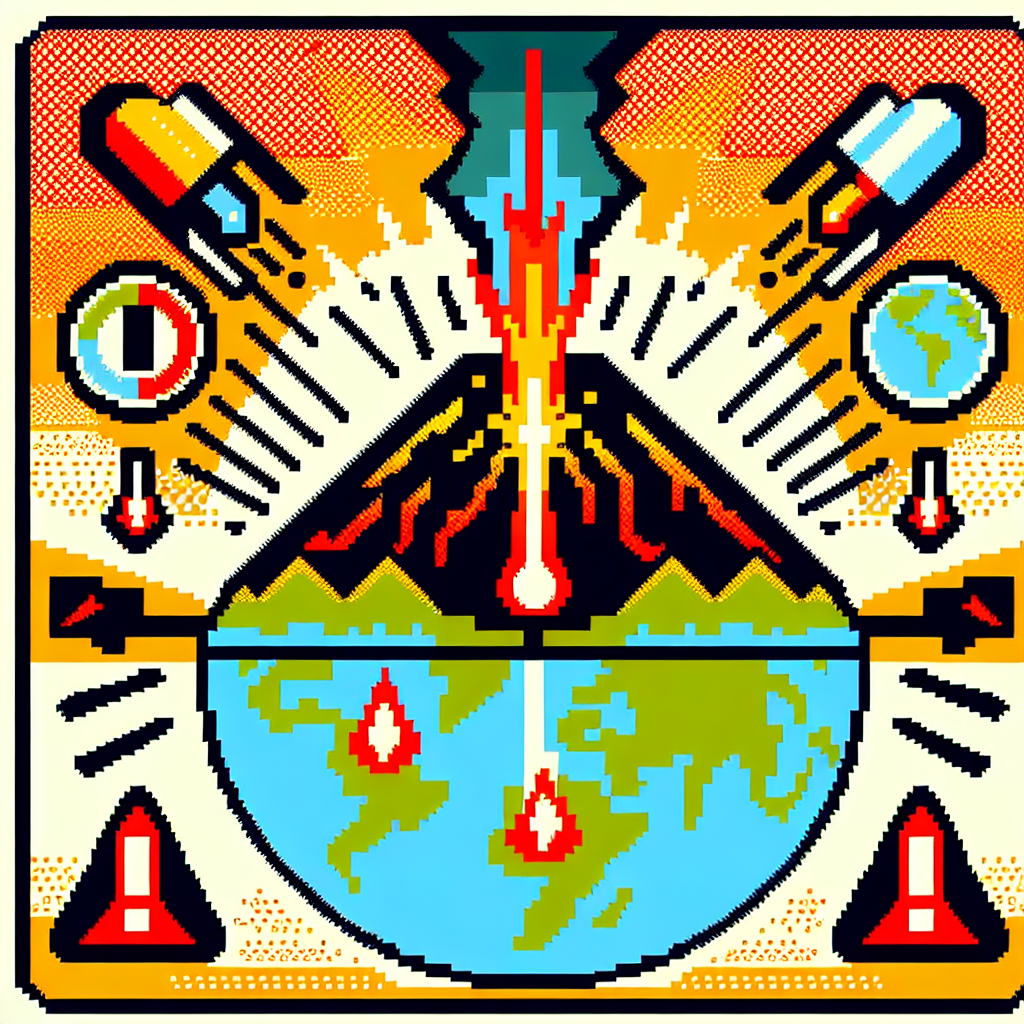
In a world where climate change, pandemics, and economic uncertainties dominate headlines, it's easy to overlook another potential threat bubbling beneath our feet: supervolcanoes. Yes, these fiery giants, capable of ejecting over 1,000 cubic kilometers of material in a single explosive event, are flexing their muscles, and scientists are sounding the alarm. But before you start packing your bags for Mars, let's take a moment to appreciate the lighter side of our planet's most dramatic performers.

Supervolcanoes, much like the rock stars of the geological world, have a flair for the dramatic. Unlike their smaller, more predictable counterparts, supervolcanoes operate on their own mysterious schedules. They are the ultimate "go big or go home" entities, and while their potential for destruction is significant, they also remind us of the incredible power and dynamism of our planet.

The Science of Supervolcanoes: A Class of Their Own

To put things into perspective, consider that the 1980 eruption of Mount St. Helens in Washington was a veritable firecracker compared to a supervolcano. Supervolcanoes, such as the infamous Yellowstone caldera, have the capability to alter climates and create ash blankets that can cover continents. While this sounds terrifying, it's important to remember that these events are exceedingly rare, occurring perhaps once every 100,000 years.

A Global Connection

In a world where natural disasters know no borders, the study of supervolcanoes is a global endeavor. From the Taupo Volcano in New Zealand to the Aira Caldera in Japan, these geological wonders are scattered across the globe, reminding us that while we may be divided by oceans and continents, we are united by the forces of nature.

Interestingly, the attention given to supervolcanoes is not unlike the global conversation around climate change. Both require international collaboration, innovative research, and a healthy dose of respect for the planet we call home. As scientists work to better understand these titans, the broader public is invited to engage with the conversation, fostering a sense of unity and shared responsibility.

A Lighter Look: The Supervolcano's Silver Lining

While the potential for a supervolcano eruption is daunting, there's a silver lining to be found. The study of these geological phenomena has led to advancements in technology, such as improved monitoring systems and predictive models. These tools not only enhance our understanding of supervolcanoes but also improve our ability to respond to a wide range of natural disasters.

Moreover, the sheer scale and power of supervolcanoes can serve as a humbling reminder of our place in the universe. In an age where human ingenuity often takes center stage, it's refreshing to acknowledge that Mother Nature still holds a few cards up her sleeve.

Final Thoughts: Embracing the Wonder

As we continue to learn about and prepare for the possibility of a supervolcano eruption, it's important to maintain a balanced perspective. Yes, the threat is real, but it's also a testament to the awe-inspiring complexity of our planet. By embracing the wonder of supervolcanoes, we can foster a deeper appreciation for the natural world and our role within it.

In the end, supervolcanoes remind us of life's unpredictability and the importance of resilience. While we can't control these fiery giants, we can control how we respond to the challenges they present. So, let's keep our sense of humor, stay informed, and continue to marvel at the wonders that lie beneath our feet.

For those interested in diving deeper into the subject, check out the latest research from [The Brighter Side of News](https://www.thebrighterside.news) and other scientific publications. After all, knowledge is the best tool we have in preparing for whatever Mother Nature throws our way.

Read more about AI in Business

Read more about Latest Sports Trends

Read more about Technology Innovations