
Djokovic Steals Spotlight as Melbourne | Analysis by Brian Moineau

A slow burn that ignited: Djokovic steals the show as Melbourne readies a blockbuster finish

The lights had been low on drama for much of this year's Australian Open, until one long night changed the feel of the tournament. Two marathon semis, a medical-timeout controversy and Novak Djokovic reminding everyone why he is still the storybook headline maker — suddenly Melbourne is buzzing again.

This felt like a tournament that teased and withheld. Then, on Day 13, the stakes, the spectacle and the raw emotion arrived all at once.

What happened (the highlights)

  • Carlos Alcaraz survived an epic five-set war with Alexander Zverev — a 5-hour, 27-minute classic — to reach his first Australian Open final. The match was dramatic not just for the tennis but for a contentious medical timeout when Alcaraz appeared to cramp. (theguardian.com)
  • A few hours later Novak Djokovic produced a performance that stole headlines, toppling Jannik Sinner in a late-night thriller and preserving his bid for a record 25th Grand Slam. The Serbian's fight, craft and late-evening flourish turned a slow tournament into something compelling. (au.sports.yahoo.com)

Why this night mattered

  • Momentum swing: Through most of the second week the event had been, by many accounts, underpowered — top players cruising, few classic matches. That changed with back-to-back epics that transformed the narrative from "slow start" to "final-week fireworks." (au.sports.yahoo.com)
  • Generations colliding: The looming Djokovic–Alcaraz final is more than a matchup on paper. It’s an archetypal clash — the enduring supreme champion against the sport’s incandescent young star — and it now carries history-making implications on both sides. (apnews.com)
  • Drama beyond the scoreboard: The controversy over Alcaraz’s medical timeout — Zverev publicly angry that the stoppage for cramp (typically not eligible for timeouts) was allowed — added an edge of debate about rules, discretion and on-court fairness. It’s the kind of subplot that keeps fans talking long after the final is played. (theguardian.com)

The players at the centre

  • Novak Djokovic
    • Age and legacy now part of the headline: at 38 he remains the defining opponent for anyone chasing tennis immortality. His deep-rally defence, serve when it mattered and match-craft late into the night gave Melbourne something spectacular to remember. (au.sports.yahoo.com)
  • Carlos Alcaraz
    • The world No.1 showed grit, athleticism and toughness — but the medical timeout raised eyebrows and headlines. He insists it wasn’t simple cramping and credited the physio’s judgement; critics pointed to rules around cramp and recovery windows. Either way, the performance under physical strain was heroic. (theguardian.com)
  • Alexander Zverev and Jannik Sinner
    • Both pushed huge favourites to the limit. Zverev’s frustration at the timeout decision softened later into respect for the quality of the contest; Sinner’s semifinal showed how margins, grit and Djokovic’s experience can decide outcomes even when raw numbers favour the challenger. (theguardian.com)

A few angles worth watching into the final weekend

  • Physical toll vs. recovery: Both Djokovic and Alcaraz came through brutal semis. Who recovers better between a 5-hour slog and a late-night five-set thriller will be decisive.
  • Rules and officiating debates: The Alcaraz cramp/timeout issue reopened discussion about medical discretion in Grand Slams — how much is the physio/doctor’s call, and should guidelines be clearer to avoid perceptions of favoritism? (theguardian.com)
  • Narrative fuel: A Djokovic win would extend an already staggering record and reinforce his twilight-era dominance; an Alcaraz victory would underline the ascendancy of the next generation and a new chapter in men’s tennis. Both outcomes give fans a clear, dramatic storyline.

Late-night theatre and why tennis still sells it

One thing about tennis: form and script are fragile. A week that looked like it would pass with polite applause suddenly erupted into raw, exhausting drama. Two five-set wars, a rules kerfuffle and Djokovic’s late-night masterclass — that’s the kind of blend that converts casual viewers into obsessed fans. It’s also what the Australian Open needed to reassert its place on the calendar as the season’s emotional ignition point.

My take

This edition of the Australian Open was patient with its drama until it wasn’t — and when it finally arrived, it arrived in spectacular fashion. The controversies matter because they touch a nerve about fairness and transparency in sport; the tennis matters because legends and heirs keep producing moments you simply can’t script. Djokovic reminding the world he can still "steal the show" and Alcaraz surviving in painful, contentious fashion sets up a final that is both emotionally charged and historically significant.

No matter who lifts the trophy, Melbourne’s slow burn became a proper crescendo — and after nights like these, the “Happy Slam” is back to being must-watch.

Quick takeaways

  • The tournament’s second week was quiet for quality until two marathon semis re-energised the event. (au.sports.yahoo.com)
  • Alcaraz’s medical timeout for apparent cramping provoked debate about whether rules were applied correctly and who decides on-court medical interventions. (theguardian.com)
  • Djokovic’s late-night win over Sinner shifted attention back to his quest for a record 25th Grand Slam and set up a high-profile final against Alcaraz. (au.sports.yahoo.com)

Final thoughts

Sport is at its best when the human elements — endurance, decision-making, controversy and sheer brilliance — collide. Melbourne delivered that collision when it mattered most: the semifinals turned the tournament from a steady hum into a roar. Whether you’re team Djokovic, team Alcaraz or just a lover of great matches, expect the final to carry the kind of drama that makes Grand Slams feel essential again.

Sources


Related update: We recently published an article that expands on this topic: read the latest post.
Swiatek’s Rocky Start to Australian Open | Analysis by Brian Moineau

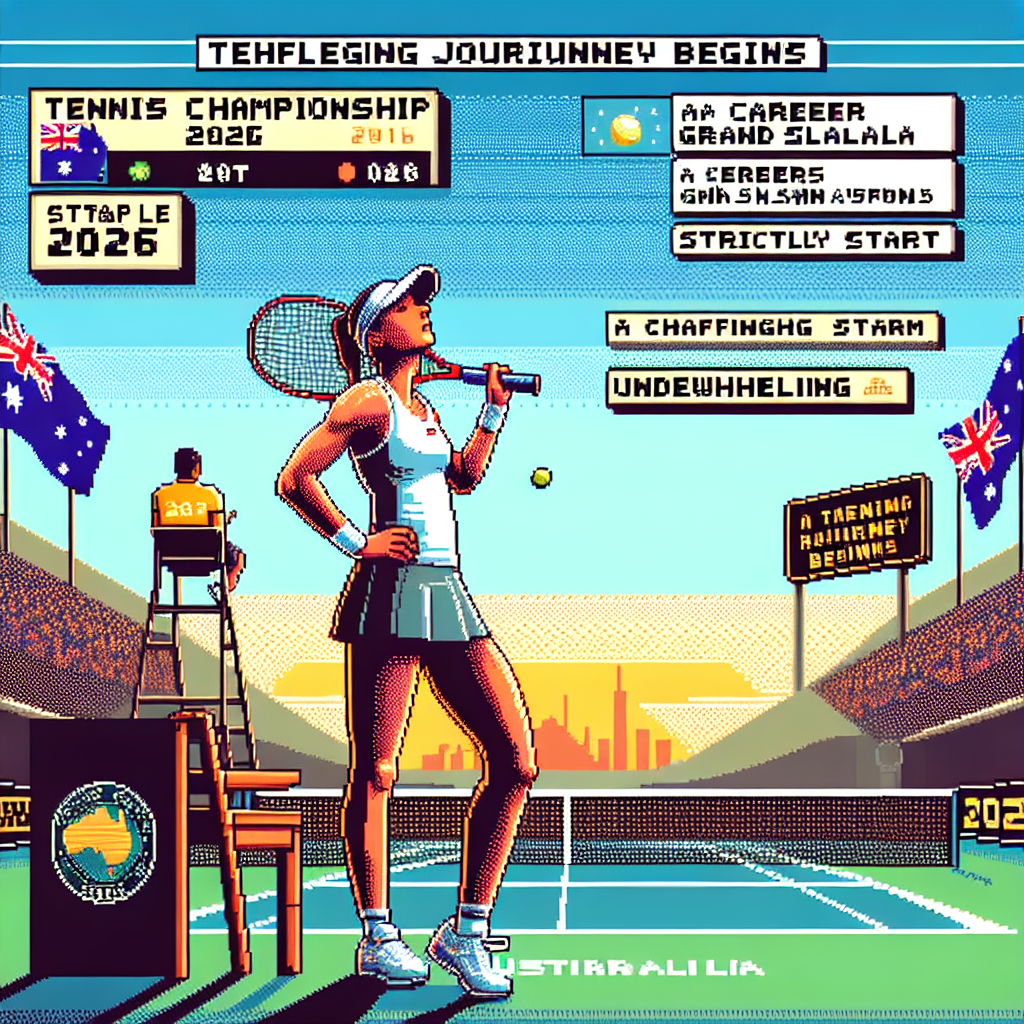
Iga Swiatek’s Melbourne wobble: a career-Grand-Slam bid that started rough, not broken

The first night lights at Rod Laver Arena are rarely kind to favorites who aren’t firing on all cylinders. Iga Swiatek — a player already with six majors on her résumé and the elusive Australian Open waiting to complete a career Grand Slam — survived more than scraped through on Day 2, edging Chinese qualifier Yuan Yue 7-6(5), 6-3 on 19 January 2026. It wasn’t the statement win many expected. But neither was it a collapse. What we saw was a champion reminded that the long road to a title can begin with a bumpy step.

The match, in three telling moments

  • Yuan Yue served for the first set at 5-4 and generally played like someone who belonged on the big stage — aggressive, fearless and extending rallies that exposed Swiatek’s early rust.
  • Swiatek’s backhand came to the rescue at the key moments: a clutch inside-out winner late in the set and decisive winners in the tiebreak kept Yuan from pulling off a shock.
  • After a wobble that included three breaks conceded and a worrying 30+ unforced errors in some reports, Swiatek opened the second set with a 3-0 lead and eventually closed it out — but not without Yuan saving match point and showing grit before finally giving way.

Why this matters beyond a first-round scoreline

  • A career Grand Slam is a rare and heavy objective. Winning Roland-Garros, Wimbledon and the US Open already proves Swiatek’s surface versatility; Melbourne, however, has its own demands — different bounce, climate, and a field where early-season form can vary wildly.
  • The scoreline (7-6, 6-3) masks the effort required. Qualifiers like Yuan often arrive battle-hardened and low-pressure; they can be dangerous early, especially if a top seed hasn’t yet hit match speed.
  • For Swiatek, the match was diagnostic: it revealed issues to tidy up (first-set starts, unforced errors under pressure) but also confirmed strengths to rely on (a heavy, accurate backhand and mental spine in clutch moments).

What the numbers and coverage say

  • Match stats reported across outlets show Swiatek finished with a clear winners count but also an unusually high number of unforced errors for her standards — a classic sign of timing problems more than tactical failure.
  • Multiple reputable reports (WTA, Reuters, AP and others) highlighted the same narrative: a scare in set one, late composure, and plenty to work on for the weeks ahead. The consistent takeaway across these outlets is that Swiatek did what champions do: find a way to win even on an off night. (wtatennis.com)

What fans and pundits are likely thinking

  • Expect patience from the Swiatek camp. She’s beaten top opponents on all surfaces, and an opening match like this at a Grand Slam is not unprecedented even for eventual champions.
  • Opponents will notice vulnerabilities they might try to exploit: early momentum swings, timing against deep hitters, and pressure points when Swiatek is not yet in rhythm.
  • Yet the clinical backhand under pressure and the ability to close out tight moments remind us that Swiatek still has the tools necessary to go deep in Melbourne.

How this shapes the rest of her Australian Open

  • Short term: Swiatek’s second-round draw (Marie Bouzková) offers a chance to sharpen match feet without an immediate return to the furnace of a top-10 heavyweight.
  • Medium term: If she tightens up early-set starts and reduces unforced errors, the rest of the draw should be manageable. If not, Melbourne’s long days and varied opponents could create more slips.
  • Long term: One scrappy match doesn’t rewrite a career — but patterns can. Coaches and analysts will watch whether this was a one-off rustiness or the beginning of a form dip that needs tactical or physical correction.

A few micro-lessons from Rod Laver Arena

  • Qualifiers are dangerous: ranking is context-dependent; match tennis and momentum matter.
  • Big-match composure counts: Swiatek’s backhand and ability to play the big point saved her here.
  • Early-season tournaments can produce deceptive scorelines: close wins can hide problems, and straight-set losses can mask resurgence.

What I’m watching next

  • How Swiatek manages her serve percentage and second-serve points won — improving those would make her much harder to pressure early.
  • Whether she cuts down the unforced errors without sacrificing the winners that define her game.
  • The timing: does she find a groove quickly against Bouzková, or will we see more scratched paint before she really starts firing?

Final thoughts

This was not the masterclass some expected from a player hunting career completeness, but it was a useful reminder: champions don’t always dominate — sometimes they survive and learn. Swiatek left Melbourne with a win and a highlight reel of clutch backhands. More importantly, she left with a to-do list. If she treats this opening night as a reset rather than a warning bell, her grand-slam ambitions remain alive — and perhaps sharper for having weathered the storm.

Sources

(Note: match played 19 January 2026; cited reports published 19–20 January 2026.)


Related update: We recently published an article that expands on this topic: read the latest post.


Related update: We recently published an article that expands on this topic: read the latest post.

Rafael Nadal gets farewell ceremony at French Open, which he won record 14 times – NBC Sports | Analysis by Brian Moineau

Rafael Nadal gets farewell ceremony at French Open, which he won record 14 times - NBC Sports | Analysis by Brian Moineau

Title: A Fond Farewell to the King of Clay: Rafael Nadal's Legacy at the French Open

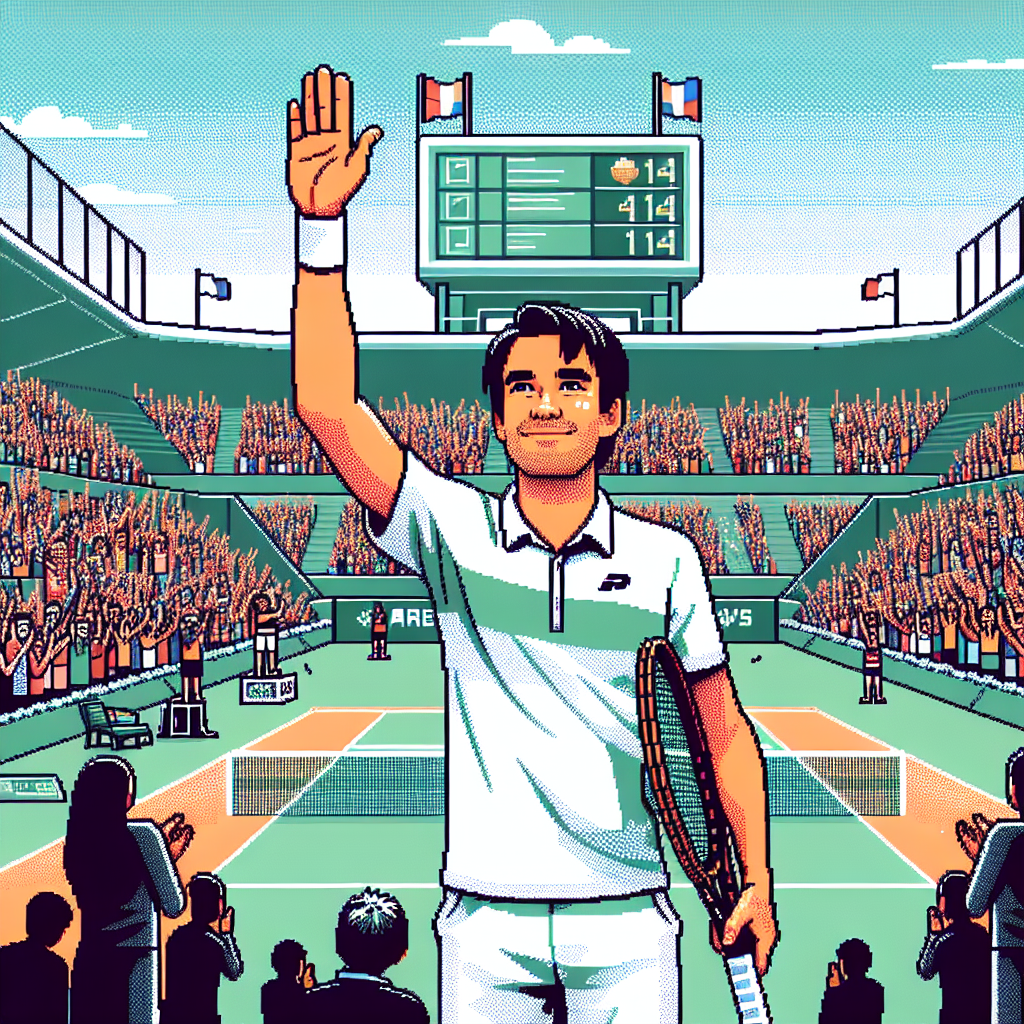
The red clay of Roland Garros has witnessed countless stories of triumph and agony, but none more profound than the saga of Rafael Nadal, affectionately known as the "King of Clay." On Sunday, the legendary Court Philippe-Chatrier, which Nadal has graced with his prowess 14 times, was the stage for a different kind of appearance. Instead of his usual commanding presence with a racket in hand, Nadal was honored by the French Tennis Federation, celebrating an unparalleled career that has become synonymous with the French Open.

A Career Like No Other


Rafael Nadal's journey at the French Open is nothing short of legendary. With 14 titles, he holds the record for the most wins at a single Grand Slam, a testament to his enduring tenacity and unparalleled skill on clay. His dominance is akin to Michael Phelps in the pool or Usain Bolt on the track—an athlete who has not just competed but redefined the sport.

Nadal's style of play—marked by relentless intensity, incredible topspin, and strategic brilliance—has made him a formidable opponent. Beyond his skills, it's his resilience and fighting spirit that have endeared him to fans worldwide. Through injuries and comebacks, Nadal has demonstrated a level of sportsmanship and humility that sets him apart.

A Global Sports Moment


Nadal's farewell ceremony is a reminder of the broader theme of transitions in sports. Recently, we've seen similar moments with Serena Williams at the US Open and Roger Federer at Wimbledon. These athletes have not just been champions but have transcended their sports, becoming global icons. Their retirements symbolize the end of an era, and they leave behind legacies that will inspire future generations.

In a world where change is constant, these stories provide comfort in tradition and excellence. They remind us of the human capacity for greatness and the enduring impact of passion and perseverance.

Connections Beyond Tennis


Nadal's influence extends beyond tennis. He has been a role model for many, demonstrating values like hard work, humility, and the importance of family. His foundation, the Rafa Nadal Foundation, focuses on social work and education for children and youth, emphasizing his commitment to giving back to the community.

In the context of world events, Nadal's career offers a narrative of hope and resilience. In times of uncertainty, such as during the global pandemic, sports figures like Nadal have provided inspiration and an escape. His story is one of overcoming obstacles, which resonates with many who have faced challenges in recent years.

Final Thoughts


Rafael Nadal's farewell ceremony at the French Open is more than a goodbye; it's a celebration of an extraordinary career and the indelible mark he's left on tennis and sports history. As we look to the future, we can only hope for athletes who bring the same passion, resilience, and integrity to their fields.

While the courts of Roland Garros may no longer echo with his victorious roars, Nadal's legacy will forever be etched into their red clay. As fans, we are grateful for the memories and the inspiration—a reminder that greatness is not just in winning but in the journey and impact left behind. Thank you, Rafa, for the memories. Here's to the next chapter.

Read more about AI in Business

Read more about Latest Sports Trends

Read more about Technology Innovations