
Gold Medal Hug: Spotlight on Caregivers | Analysis by Brian Moineau

The hug that changed the narrative: what Elana Meyers Taylor’s embrace of her nanny tells us about caregiving

The image is simple and powerful: Elana Meyers Taylor, gold medal around her neck at the 2026 Winter Olympics, bends down and hugs the woman who helped raise her children while she chased a lifetime dream. The first person she hugged after standing on sport’s highest podium was her nanny. That moment—captured in photos and shared across social media—did more than warm hearts. It pulled a spotlight onto the invisible labor and complex logistics that make elite achievement possible.

Why that hug resonated

  • It interrupts the romantic myth of lone genius and replaces it with a truer story: success is a team sport.
  • It makes visible a caregiver who usually operates offstage, reminding viewers that parenting and elite performance often rely on paid and unpaid support.
  • It humanizes a champion who is also a mother of two children with special needs, showing the emotional and practical stakes behind every training run, flight, and night away from home.

Those reactions aren’t accidental. Commentators, parent advocates, and caregiving experts used the moment to sharpen a conversation that’s been quietly building: when public figures acknowledge their caregiving teams, it can reshape cultural expectations about work, family and who gets credit.

Context: Elana’s story and the caregiving reality

Elana Meyers Taylor’s gold was the culmination of a long career—five Olympics, multiple medals—and a life lived in public and private challenge: managing training, travel, injuries, and parenting two sons who are deaf and require specialized attention. She thanked a wide circle—her husband, her parents, and her nannies—then ran to hug Macy, the nanny who helps care for her children. That photo became shorthand for a larger truth: elite performance often rides on a scaffolding of care. (yahoo.com)

The moment also lands against stark statistics. Care.com’s 2026 Cost of Care Report finds nearly half of U.S. parents say they don’t have enough help, and many families spend roughly 20% of income on child care. The report lays bare the emotional and financial strain of piecing together childcare—something many working parents know intimately. When a world-champion athlete publicly credits her nanny, it validates an experience shared by millions: success frequently depends on paid caregivers and informal village networks. (care.com)

What this moment reveals about caregiving as infrastructure

  • Care is core, not peripheral. From elite sport to corporate leadership, caregiving enables participation and peak performance. Acknowledging that publicly helps destigmatize the practical choices parents make—hiring nannies, relying on relatives, or creating hybrid care plans.
  • Visibility can drive respect. When public figures name caregivers in their victory narratives, they shift how society values caregiving work—encouraging respect, fair wages, and professional recognition rather than secrecy or embarrassment.
  • The gap between gratitude and policy. A hug is symbolic and beautiful; policy change is the structural next step. Families still face unaffordable care, burnout, and career trade-offs. Visibility should be a step toward concrete supports—subsidies, employer benefits, and accessible care options—so gratitude doesn’t remain performative. (care.com)

Cultural ripple effects

  • Normalizing teamwork at home: When athletes and celebrities publicly credit caregivers, it validates building a “village” rather than hiding help. That can reduce shame around paid childcare and encourage parents to ask for the support they need.
  • Elevating caregiver professionalism: Spotlight moments can reframe nannies, family members, and childcare workers as skilled contributors to household stability and professional success—not just “help.”
  • Sparking public conversation: Images from stadiums and podiums travel fast. They can prompt news cycles, op-eds, parenting communities, and policymakers to reexamine caregiving’s social value—and to demand better supports. (yahoo.com)

Practical implications for families and employers

  • For parents: owning your caregiving network publicly (when comfortable and safe) can normalize the reality that no one does it all alone. It also opens conversations with employers about flexible schedules and caregiving benefits.
  • For employers: visible moments like this are a reminder that benefits matter—employer-subsidized childcare, flexible leave, and caregiver resources aren’t perks; they remove barriers that keep talented people from contributing their best.
  • For policymakers: the crisis in care is measurable and costly. Reports show measurable economic harm when caregiving is under-resourced; policy responses (tax credits, expanded subsidies, investment in childcare infrastructure) would reduce that drag. (care.com)

Takeaways worth keeping

  • Public gratitude matters—it humanizes success and makes caregiving visible.
  • Visibility alone isn’t enough; it should fuel respect, better pay and real policy fixes.
  • Caregiving is infrastructure: when it’s stable and affordable, more people can pursue demanding careers, including in sport and other high-performance fields.

My take

That hug on the podium was more than a touching image; it was a quiet rebuke to cultural stories that equate success with singular sacrifice. Elana Meyers Taylor’s embrace acknowledged a truth many parents live: achievement usually rests on a web of relationships, labor, and love. Let that image do more than make us feel good—let it nudge us toward practical change that honors and sustains the caregivers who make so much possible.

Sources


Related update: We recently published an article that expands on this topic: read the latest post.

Related update: We recently published an article that expands on this topic: read the latest post.

J&J Deal Lowers Drug Costs, Boosts U.S | Analysis by Brian Moineau

Johnson & Johnson’s deal with the U.S. government: what it means for drug prices, tariffs, and American manufacturing

A deal that’s equal parts policy, public relations, and industrial strategy landed on January 8, 2026: Johnson & Johnson announced a voluntary agreement with the U.S. government to lower medicine costs for millions of Americans while securing an exemption from potential tariffs — and pledging new domestic manufacturing investments. It’s one of several recent pacts between major drugmakers and the administration, and it touches on three hot-button issues at once: affordability, trade policy, and reshoring of pharmaceutical production. (jnj.com)

Why this caught headlines

  • The company says millions of Americans will be able to buy J&J medicines at “significantly discounted rates” through a direct purchasing pathway described in the announcement. (jnj.com)
  • In exchange, J&J’s pharmaceutical products receive an exemption from tariffs under the administration’s Section 232 trade scrutiny — a form of regulatory certainty that can materially affect margins and strategy. (jnj.com)
  • The firm also confirmed further U.S. investment: two additional manufacturing facilities (cell therapy in Pennsylvania; drug product manufacturing in North Carolina) as part of its previously announced $55 billion U.S. investment plan. (jnj.com)

Those three elements—price concessions, tariff relief, and capital commitments—create a compact meant to satisfy both political and business imperatives. But beneath the headlines are subtler trade-offs and questions about scope, transparency, and longer-term impact.

Quick takeaways for readers scanning this

  • J&J will offer discounted medicines to Americans via a direct-purchase program; exact drugs and discount levels were not disclosed in the press release. (jnj.com)
  • The agreement provides a tariff exemption tied to continued U.S. investment in manufacturing, echoing similar arrangements other pharma firms have struck. (pharmamanufacturing.com)
  • J&J is moving forward on domestic capacity: new sites in North Carolina and Pennsylvania add to its ongoing $55 billion commitment to U.S. manufacturing and R&D. (jnj.com)

Context: where this fits into the bigger picture

Drug pricing has been a political lightning rod for years. Policymakers are pushing for lower out-of-pocket costs and for the U.S. to stop shouldering a disproportionate share of global drug prices. At the same time, the administration’s tariff and trade posture has created uncertainty for multinational pharma companies that import materials or finished products. The recent flurry of voluntary agreements — in which companies promise price concessions or program participation in exchange for regulatory certainty and encouragement to invest domestically — is an attempt to square those circles. (reuters.com)

From industry perspective, the carrot of tariff relief plus a runway for U.S.-based manufacturing can be persuasive. From public interest and policy angles, voluntary deals leave open questions about which medicines are affected, how savings are passed to patients and taxpayers, and what accountability measures exist. Several recent announcements from peers show similar frameworks; secrecy around specific terms is a recurring criticism. (pharmamanufacturing.com)

What to watch next

  • Specific drug list and discount details: The J&J release did not name which medicines would be included or the depth of discounts. Those details determine whether the move benefits a broad population or a narrower set of patients. (jnj.com)
  • Timeline and duration of the tariff exemption: Other agreements have included multi-year grace periods; the length and conditionality matter for corporate planning and taxpayer exposure. (pharmamanufacturing.com)
  • Job creation and plant timelines: J&J projects thousands of construction and manufacturing jobs from its investments; tracking actual hiring and capital deployment will show how much reshoring is real vs. aspirational. (jnj.com)
  • Regulatory and legislative interplay: Ongoing Medicare negotiation rules, state-level reforms, and future trade actions could change incentives and the real-world effect of voluntary pacts. (apnews.com)

The investor dilemma

For investors, these deals can be double-edged:

  • Positive: tariff certainty and clearer regulatory backdrop can reduce downside risk and encourage capital spending that strengthens future growth. (jnj.com)
  • Negative: pricing concessions and participation in discount platforms could compress margins, especially if applied to high-revenue drugs or expand over time. Transparency around which products are included will be crucial to modeling impacts. (reuters.com)

My take

This agreement is smart politics and pragmatic business strategy wrapped together. It’s pragmatic because it buys the company regulatory breathing room and a path to expand domestic capacity—both defensible corporate goals. It’s political because offering discounted access addresses immediate public anger over drug prices, even if the long-term structural drivers of U.S. drug costs are not fully resolved by voluntary deals alone. What matters now is follow-through: clear lists of included medicines, measurable patient savings, and verifiable timelines for the manufacturing investments. Without those, good press risks becoming little more than a headline. (jnj.com)

Final thoughts

Deals like this will likely keep appearing as administrations try to lower healthcare costs without upending the pharmaceutical innovation engine. For patients, any program that lowers out-of-pocket costs is welcome — provided the discounts are meaningful and accessible. For policymakers and watchdogs, the job is to demand the transparency and metrics that turn press releases into policy outcomes: who benefits, by how much, and for how long.

Sources

Medicare Cuts Prices for 15 Big Drugs | Analysis by Brian Moineau

Medicare just picked 15 big-name drugs for steep price cuts — here's what it means

The headline alone is a jaw-dropper: Medicare will pay less for 15 high-cost medicines — including household names like Ozempic, Wegovy and several cancer treatments — after the latest round of negotiations under the Inflation Reduction Act. That change, announced by the Centers for Medicare & Medicaid Services, is scheduled to take effect January 1, 2027, and CMS says the negotiated prices would have shaved billions off last year’s spending if they’d already been in place. (cms.gov)

Why this matters right now

  • Drug prices are a top worry for older Americans and people with chronic illnesses; Medicare Part D covers many of the therapies on this list.
  • The Medicare negotiation program — born out of the Inflation Reduction Act of 2022 — is moving from pilot to policy: this is the second batch of negotiated drugs, bringing the total with final prices to 25. (cms.gov)
  • Some of the medicines targeted are among the fastest-growing sellers in the pharmaceutical market (notably GLP-1 drugs for diabetes and weight loss), so the political and commercial ripples will be big. (washingtonpost.com)

A quick snapshot of what's on the list

  • GLP-1 drugs: Ozempic, Wegovy, Rybelsus (diabetes and weight-loss).
  • Asthma/COPD inhalers: Trelegy Ellipta, Breo Ellipta.
  • Cancer drugs: Xtandi, Pomalyst, Ibrance, Calquence.
  • Other chronic-disease drugs: Janumet (diabetes), Tradjenta, Otezla (psoriatic arthritis), Linzess (IBS), Xifaxan, Austedo (movement disorders), Vraylar (psychiatric). (cms.gov)

What the price cuts actually look like

CMS reports negotiated discounts ranging widely — from substantial (dozens of percent off list price) to very large (some as high as about 70% for certain GLP-1 drugs in reporting). CMS estimates these second-round deals would have reduced Medicare spending by billions in a single year and projects material out-of-pocket relief for beneficiaries once the prices take effect. Exact monthly/annual costs for individual patients will still depend on their plan design and whether the manufacturer participates in the finalized deals. (cms.gov)

The stakes for patients, companies and taxpayers

  • Patients: Lower Medicare-negotiated prices should reduce out-of-pocket costs for many seniors who use these drugs, especially those who reach catastrophic spending. CMS also pointed to a broader out-of-pocket cap in Part D that complements these negotiations. (cms.gov)
  • Drugmakers: These negotiations can cut into revenues for blockbuster medicines, prompting pushback from industry — from public relations campaigns to lawsuits. Companies can choose to participate in negotiations (and accept a lower “maximum fair price”) or refuse and face penalties such as excise taxes or exclusion from Medicare markets. (cms.gov)
  • Taxpayers/government: CMS frames the moves as meaningful federal savings; independent analysts and outlets have produced different estimates, but the consensus is these rounds will save Medicare and beneficiaries billions over time. (cms.gov)

The practical complications to watch

  • Timing and transitions: Negotiated prices become effective January 1, 2027. Until then, current list/pricing structures remain in place, and insurers will have to adjust formularies and cost-sharing schedules ahead of implementation. (cms.gov)
  • Manufacturer responses: History suggests some companies will litigate or otherwise resist; others may negotiate quietly. That can affect availability, manufacturer assistance programs, and how quickly savings reach patients. (apnews.com)
  • Market effects: Large discounts on GLP-1s and other best-sellers could shift prescribing patterns, spur competition, and influence drug development priorities. How innovation incentives change is a central political and economic debate. (washingtonpost.com)

What to watch next

  • Implementation details from CMS and Plan Sponsors: how Part D plans will show beneficiary savings (copays vs. coinsurance), and whether manufacturers alter patient support programs.
  • Legal challenges from manufacturers and any court rulings that could delay or reshape the program.
  • Market responses: price moves on competing therapies, potential shifts in formulary placement, and whether private insurers seek similar negotiated prices.

Quick takeaways for readers

  • These negotiations are real, targeted, and scheduled to take effect Jan 1, 2027. (cms.gov)
  • The second round covers 15 drugs used for diabetes, weight loss, cancer, asthma and other chronic conditions — many are widely used and high-spend items for Medicare. (cms.gov)
  • Expected savings are large in aggregate but will vary for individual patients based on their plan and whether they hit the new out-of-pocket cap. (cms.gov)

My take

This moment is a practical test of a policy born from the Inflation Reduction Act: can government negotiation deliver meaningful relief without tangling the market in legal and logistical knots? The answer will be messy at first — implementation always is — but millions of Medicare beneficiaries stand to gain tangible relief if the rules play out as CMS projects. The bigger policy conversation — balancing affordability with incentives for pharmaceutical innovation — will continue to be fought in courtrooms, boardrooms and Congress. For now, patients facing high drug bills should follow their plan notices and work with providers and pharmacists to understand the impacts once 2027 approaches. (cms.gov)

Sources


Related update: We recently published an article that expands on this topic: read the latest post.

Trumps AstraZeneca Deal: Lower Drug Prices | Analysis by Brian Moineau

Trump to Announce Drug-Price Deal with AstraZeneca: What It Means for You

In a surprising turn of events in the pharmaceutical landscape, former President Donald Trump is set to announce a drug-price agreement with AstraZeneca, marking another step in the ongoing battle for lower medication costs in America. As the nation grapples with healthcare affordability, this deal could have significant implications for millions of Americans who struggle to pay for necessary prescriptions.

Context: The Ongoing Drug-Price Debate

Prescription drug prices have long been a contentious issue in the United States, with patients facing rising costs year after year. The Trump administration has consistently pushed for policies aimed at lowering these prices, and AstraZeneca’s agreement marks the second major commitment from a pharmaceutical company to join this initiative. Previously, the administration secured a deal with another major player in the industry, underscoring a growing trend among pharmaceutical giants to collaborate on lowering costs in response to public outcry and political pressure.

The announcement comes at a time when healthcare affordability is a top concern for many Americans, particularly as the COVID-19 pandemic has highlighted disparities in access to necessary medications. With an increasing number of people relying on prescription drugs for chronic conditions, the need for effective solutions has never been more pressing.

Key Takeaways

AstraZeneca Joins the Movement: The pharmaceutical giant will be the second company to publicly agree to the Trump administration’s push for lower drug prices, following another major deal.

Impact on Consumers: This agreement could potentially lead to reduced costs for consumers, making essential medications more accessible to those who need them most.

Political Landscape: The move reflects a broader political effort to address the rising costs of healthcare, which has become a key issue for many voters.

Future of Drug Pricing: This deal may set a precedent for other pharmaceutical companies to follow suit, potentially reshaping the landscape of drug pricing in the U.S.

Public Response: As the announcement unfolds, the public’s response will likely influence ongoing discussions about healthcare policy and pharmaceutical pricing strategies.

Conclusion: A Step in the Right Direction?

As we await further details about this landmark agreement, it’s clear that the dialogue around drug pricing is evolving. For many Americans, this could signify a glimmer of hope in the quest for affordable healthcare. While the deal with AstraZeneca is just one piece of the puzzle, it indicates that change is possible when public pressure and political will align.

In the coming months, it will be essential to monitor how this agreement impacts drug prices and consumer access. Will this be the tipping point that leads to more comprehensive reforms in the pharmaceutical industry? Only time will tell, but for now, the promise of lower drug prices is a step many are eager to see realized.

Sources

– “Trump to announce drug-price deal with AstraZeneca – The Washington Post” – [AstraZeneca and Drug Pricing: A New Era?](https://www.healthaffairs.org) (example URL) – [Understanding Drug Pricing: The Basics](https://www.kff.org) (example URL)

Let’s keep the conversation going! What are your thoughts on this agreement? Will it make a difference in your healthcare experience?


Related update: We recently published an article that expands on this topic: read the latest post.

Diet drug boom weighs heavily on state budgets – POLITICO | Analysis by Brian Moineau

Diet drug boom weighs heavily on state budgets - POLITICO | Analysis by Brian Moineau

**Title: Slimming Down State Budgets: The Diet Drug Dilemma**

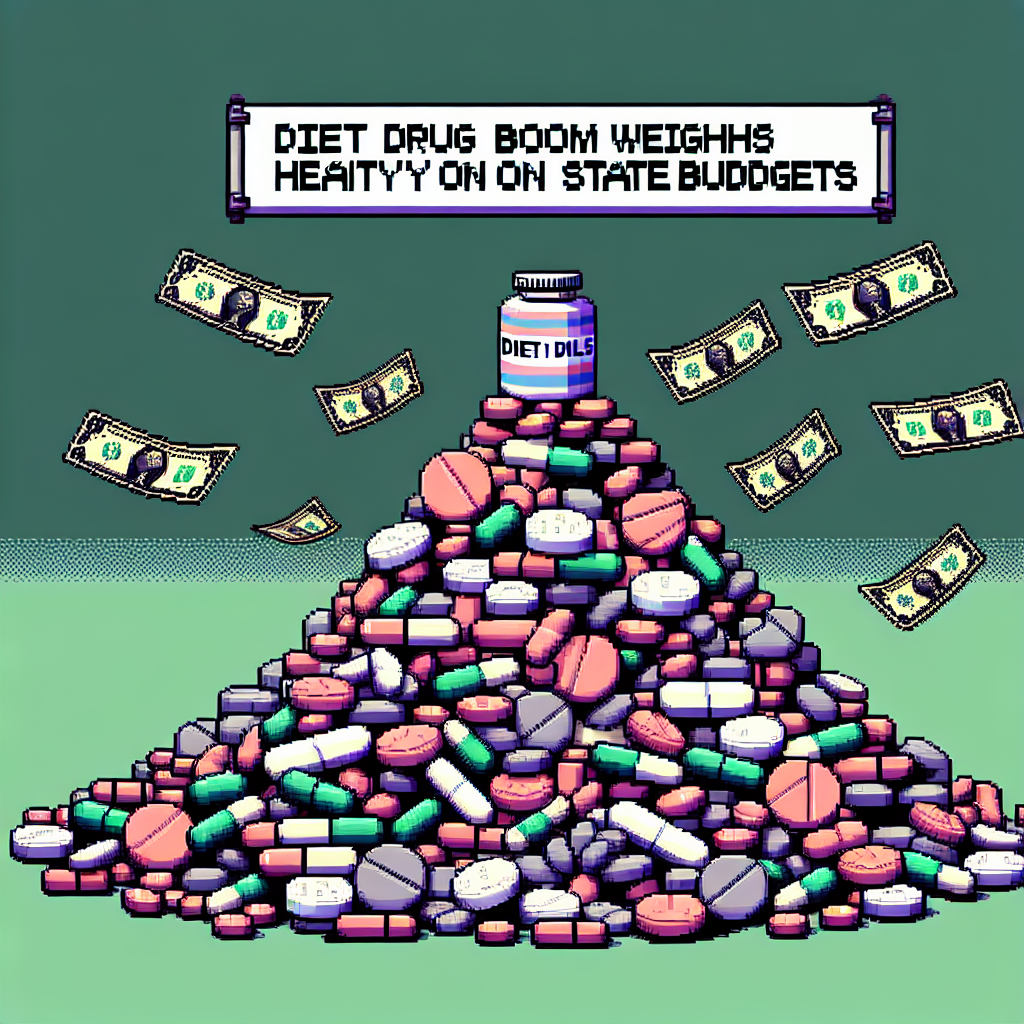
In the world of healthcare policy, it seems we're constantly juggling an ever-expanding portfolio of public health concerns, each more pressing than the last. The latest conundrum capturing the attention of policymakers nationwide? The financial burden of the diet drug boom. As demand for these medications skyrockets, state budgets are feeling the pinch, prompting a scramble for cost-reducing solutions — or even a reconsideration of coverage altogether.

**The Weighty Issue**

Diet drugs have become the new frontier in the battle against obesity, a leading cause of preventable chronic diseases like diabetes and heart disease. With medications like Ozempic and Wegovy making headlines for their weight-loss potential, it's no wonder that consumer interest and demand have surged. These drugs, originally developed for managing diabetes, have found a secondary market among those seeking a pharmaceutical edge in weight management.

However, this surge in demand is not without consequence. State budgets, already stretched thin by the pandemic's economic impact, are struggling to accommodate the rising costs associated with covering these medications under Medicaid and other public health programs. Some states are even considering dropping coverage to alleviate financial pressure.

**Drawing Parallels**

This situation is reminiscent of other healthcare challenges where rapid advancements and public interest outpaced policy and budgetary readiness. Take, for instance, the early days of the COVID-19 vaccine rollout. Governments worldwide faced logistical and financial hurdles in making vaccines widely available, often leading to difficult decisions about prioritization and funding.

Moreover, the diet drug dilemma is not occurring in isolation. Globally, healthcare systems are grappling with the rising cost of innovative treatments, from gene therapies to biologics. The challenge lies in balancing access to cutting-edge medical interventions with fiscal responsibility — a tightrope act that policymakers must navigate with increasing frequency.

**A Broader Perspective**

Looking beyond the financial implications, the diet drug boom also underscores the importance of addressing the root causes of obesity. While medications offer a promising solution for some, they are not a panacea. Comprehensive public health strategies, including education, access to nutritious foods, and opportunities for physical activity, remain crucial components of any effective obesity intervention.

Additionally, the debate around diet drugs reflects broader societal discussions about health equity. As states consider dropping coverage, there's a risk that these medications become accessible only to those who can afford them, exacerbating existing health disparities. Ensuring equitable access to healthcare, irrespective of income, remains a fundamental challenge and priority.

**Final Thoughts**

As states wrestle with the financial realities of the diet drug boom, there's an opportunity to reimagine healthcare funding and policy. By fostering dialogue between policymakers, healthcare providers, and the communities they serve, innovative solutions can emerge that balance cost with care.

In the end, the goal is not just to manage budgets but to promote healthier populations. By addressing both the symptoms and the causes of obesity, we can work towards a future where the benefits of medical advancements are shared by all, without leaving state budgets in the red.

Read more about AI in Business

Read more about Latest Sports Trends

Read more about Technology Innovations