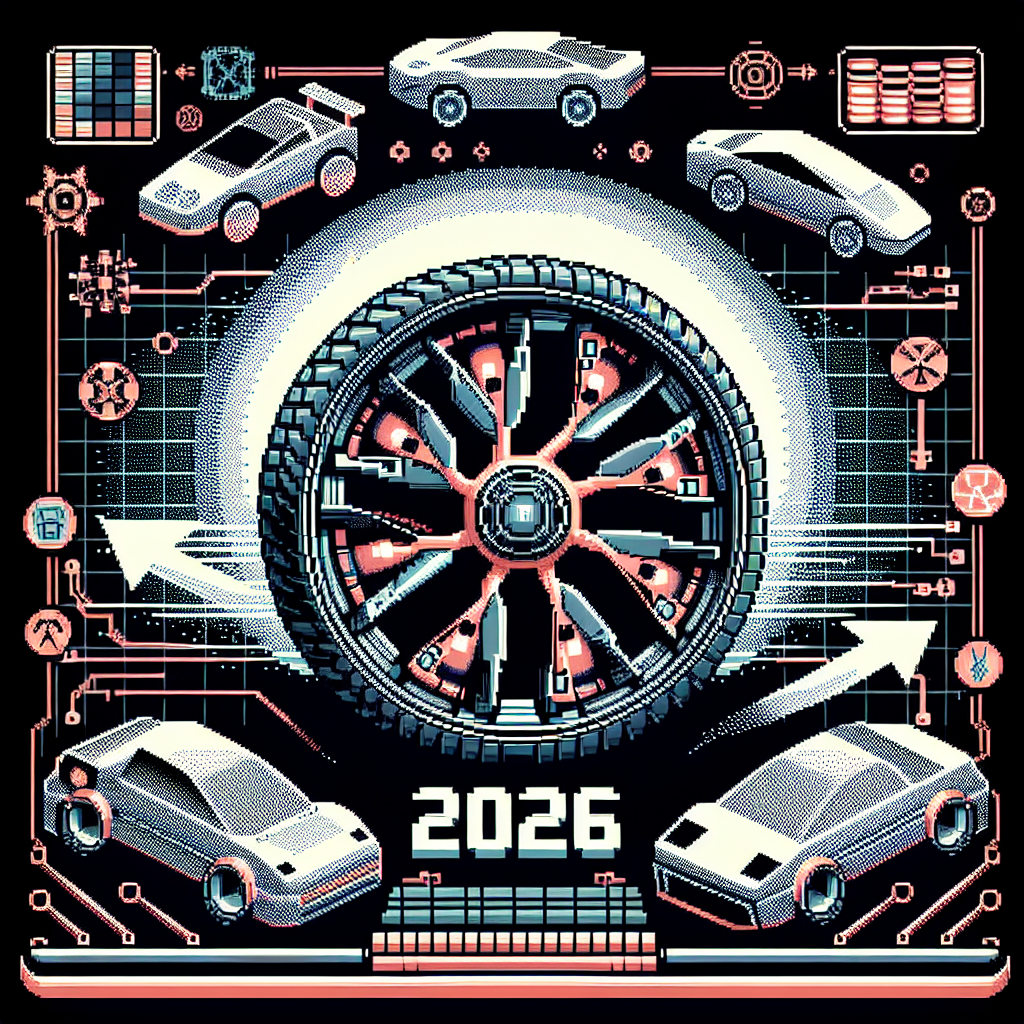
Revolutionizing the Road: In-Wheel Motors and the Future of Electric Vehicles
The automotive landscape is on the verge of a seismic shift, shifting gears from traditional combustion engines to cutting-edge technology that could redefine how we think about cars. Imagine a vehicle where each wheel is powered independently, delivering up to 300 horsepower per wheel—sounds like something out of a sci-fi movie, right? But this is not just a fantasy; it’s the promise of in-wheel motors, spearheaded by innovators like Protean Electric.
The Rise of In-Wheel Motors
In an era where electric vehicles (EVs) are gaining traction, the introduction of in-wheel motors is set to disrupt the status quo. Traditional vehicles rely on complex mechanical systems, including transmissions, to transfer power from the engine to the wheels. In contrast, in-wheel motors eliminate the need for these bulky components, allowing for a more efficient, compact design. This innovation not only streamlines vehicle architecture but also enhances the overall driving experience.
Protean Electric, a pioneer in this technology, has captured attention with the potential to deliver impressive power, torque, and efficiency—all while minimizing weight and maximizing space. Their in-wheel motors could redefine performance metrics for EVs by 2026, promising a new era of automotive engineering.
Why This Matters
As the world pivots toward sustainability, the automotive sector is under immense pressure to innovate. The push for cleaner energy alternatives has led to a surge in electric vehicle adoption, but traditional designs are often encumbered by outdated mechanics. The integration of in-wheel motors aligns with the global imperative for greener solutions while also enhancing vehicle performance.
In addition to performance enhancements, this technology could significantly reduce manufacturing costs and maintenance challenges associated with conventional vehicles. With electric vehicles set to dominate the market, innovations like in-wheel motors could pave the way for a new generation of smarter, more efficient cars.
Key Takeaways
– Power and Performance: In-wheel motors could deliver up to 300 horsepower per wheel, significantly enhancing acceleration and driving dynamics. – Simplicity in Design: By removing the need for traditional transmissions and reducing the number of moving parts, in-wheel motors simplify vehicle architecture. – Sustainability Focus: This technology aligns with the global shift toward electric vehicles, promoting cleaner energy solutions in the automotive industry. – Efficiency Gains: With less weight and a more compact design, in-wheel motors could lead to improved energy efficiency in EVs. – Future Outlook: By 2026, we might see a significant rollout of vehicles equipped with this technology, marking a pivotal moment in automotive history.
A New Era of Driving
As we stand at the crossroads of automotive evolution, in-wheel motors exemplify the innovative spirit that drives the industry forward. While traditional cars have served us well, the future is bright for electric vehicles powered by groundbreaking technologies that promise speed, efficiency, and sustainability.
The road ahead may be filled with challenges, but with advancements like in-wheel motors, the horizon looks promising. Buckle up—this journey is just beginning!
Sources
– “They’re Destroying Traditional Cars”: In-Wheel Motors Eliminate Transmissions While Promising 300 Horsepower Per Wheel By 2026 – Energy Reporters
As we navigate this exciting transformation, it’s essential to stay informed and engaged with the changes shaping the vehicle of tomorrow. What are your thoughts on in-wheel motors? Will they be the key to unlocking the full potential of electric vehicles? Let us know in the comments!
Related update: We recently published an article that expands on this topic: read the latest post.
Related update: We recently published an article that expands on this topic: read the latest post.