Okay, wait, wait…not that much power to the players
Hook: Imagine walking into a store, buying a brand-new console, trading it back immediately, and walking out with more store credit than you paid for it. It sounds like a prank, a movie plot, or something cooked up by internet pirates — but for a few chaotic hours in January 2026, it was very real.
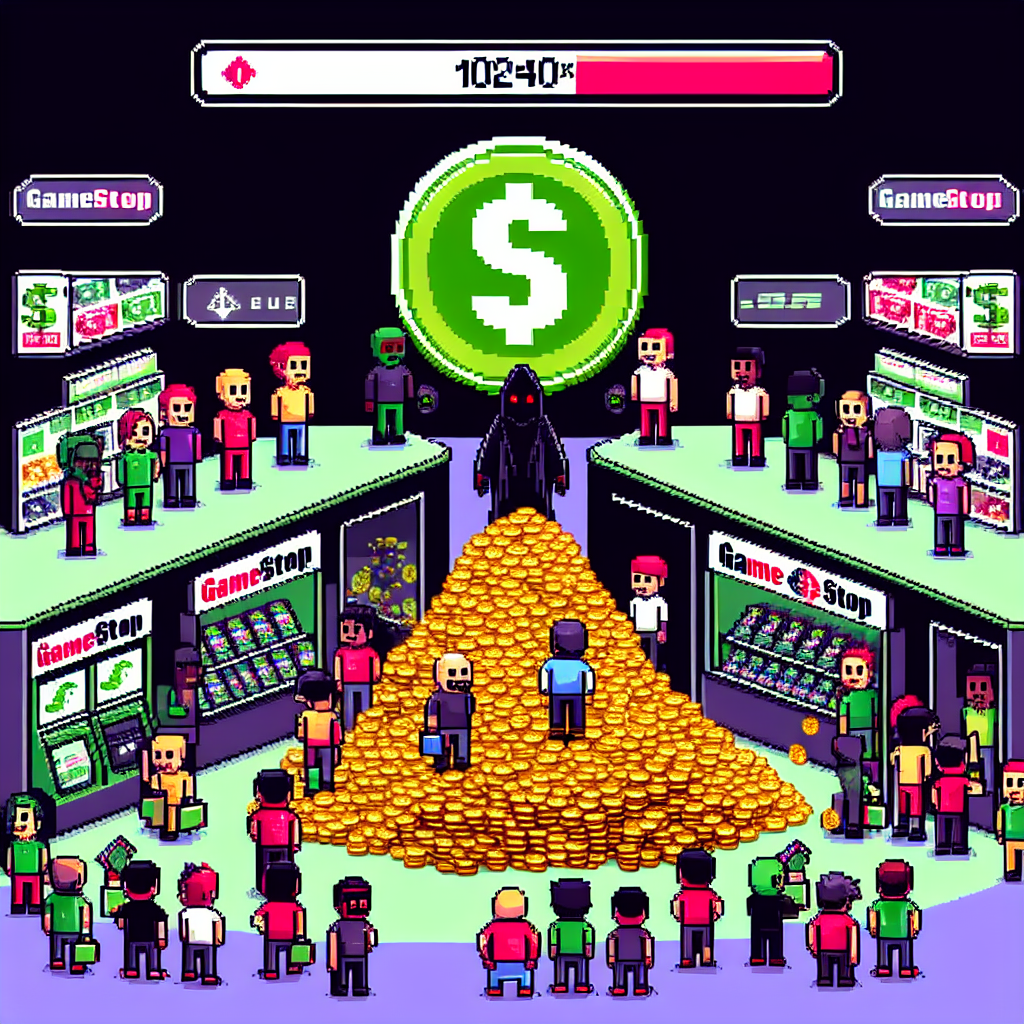
GameStop’s recently patched “infinite money glitch” became the kind of viral moment that makes corporate PR teams sweat and content creators grin. A smaller YouTuber named RJCmedia filmed a simple exploit involving Nintendo’s Switch 2 and a promotional trade-in bonus, and the internet did what it does best: amplified the loophole, turned it into a spectacle, and forced the company to respond faster than a patched video game bug.
How the exploit worked (so we all understand what happened)
- GameStop had a promotion that applied a 25% bonus to trade-in values when a pre-owned item was included.
- RJCmedia bought a Switch 2 for about $414.99, then immediately traded it in alongside a cheap pre-owned game. The promo incorrectly applied in a way that momentarily valued the combined pre-owned trade more than the new retail price.
- That created a window where the trade credit exceeded what was paid, meaning you could buy another Switch 2 with store credit, repeat the process, and compound the credit.
- The creator repeated this across stores, walking away with hundreds of dollars in value, a new console, and a pile of games — until GameStop publicly said it had patched the issue on January 20, 2026.
Why this felt so deliciously chaotic
- It’s the perfect internet cocktail: small creator + obvious financial edge case + a company tone that’s part meme and part corporate. People love seeing a system—especially a big retail system—outsmarted by clever individuals.
- The glitch exposed how brittle promotional logic can be when systems try to handle stacked discounts and odd workflows. Real-world commerce software often assumes rational, intended use; it rarely anticipates someone intentionally “gaming” promotions across transactions.
- There’s schadenfreude too. GameStop has been a cultural meme for years (from trade-ins to GME stock mania). Watching the company get punked briefly felt like a callback to the days when retail felt less buttoned-up and more accidental theater.
Not everything about “power to the players” is positive
- The story reads fun, but these playbooks can harm employees. Store associates had to process unusual trades, decide how to respond, and likely faced pressure from management after the PR hit. Systems that reward creativity in customers can punish frontline workers who must resolve the fallout.
- Exploits like this can collapse quickly into damage: inventory confusion, financial reconciliation headaches, and potential policy changes that hurt normal customers who relied on promotions legitimately.
- There’s an ethical line: documenting a vulnerability and reporting it is one thing; deliberately extracting value until the system breaks is another. The internet loves the clever hustle, but repeated exploitation has real-world costs and can be labeled fraud depending on company policy and local law.
A small lesson in systems design, promotions, and human behavior
- Promotions are rules-coded in software. When you stack rules (base value + percent bonus + pre-owned flags + immediate resale logic), edge cases appear. Retail systems must handle transaction states carefully—especially when “pre-owned” status flips within minutes.
- Companies should run simulated misuse cases, not just happy-path scenarios. The old tech adage applies: users will do things you never expected.
- From a consumer perspective, the incident is a reminder that “good deals” sometimes come from accidents rather than good design. That can be exciting in the short term, but unstable.
Things people were saying (internet reactions)
- Some praised the creator’s ingenuity and the thrill of a “real-life glitch.”
- Others criticized the clip as “ruining” the fun for everyone, since GameStop patched it almost immediately.
- A subset wondered whether the whole episode was a stealth marketing play — GameStop has leaned into meme-culture before — but available evidence (small creator, quick patch) points to an honest exploit that went viral.
What matters in these reactions is how quickly communities frame any corporate slip as either “victory for the little guy” or “irresponsible grifting.” Both narratives are emotionally satisfying, which is why this story took off.
A few practical takeaways
- Don’t expect such glitches to last: major retailers monitor outliers and will patch holes once they spread.
- If you find a promotional anomaly, be mindful of ethics and consequences for store staff.
- For companies: test stacked promotions against adversarial behavior, and make frontline exceptions simple to resolve without dramatic manual overhead.
My take
This was a fun, perfectly modern internet moment: messy, amusing, and briefly empowering. But I’m wary of the romanticism around “beating the system.” Real people—store workers, managers, and other customers—bear the real costs when exploits are scaled. The magic here wasn’t that players had too much power; it was that an imperfect system briefly amplified smart, opportunistic behavior. That’s entertaining to watch, but not a sustainable model for either consumers or businesses.
Sources
-
Kotaku — GameStop Kills 'Infinite Money Glitch' In Wake Of YouTube Video.
https://kotaku.com/infinite-money-glitch-switch-2-gamestop-fixed-patched-used-games-2000661415 -
Tom's Hardware — GameStop patches 'infinite money glitch' for Nintendo Switch 2 trade-in.
https://www.tomshardware.com/video-games/console-gaming/gamestop-patches-infinite-money-glitch-for-the-nintendo-switch-2-crafty-youtuber-trades-usd415-console-in-for-usd472-multiple-times -
Dexerto — GameStop patches IRL infinite money glitch after YouTuber exposes it.
https://www.dexerto.com/gaming/gamestop-patches-irl-infinite-money-glitch-after-youtuber-exposes-it-3307166 -
GoNintendo — GameStop shuts down "infinite money glitch" tied to Switch 2 trade-ins.
https://gonintendo.com/contents/56837-gamestop-shuts-down-infinite-money-glitch-tied-to-switch-2-trade-ins
Related update: We recently published an article that expands on this topic: read the latest post.
Related update: We recently published an article that expands on this topic: read the latest post.