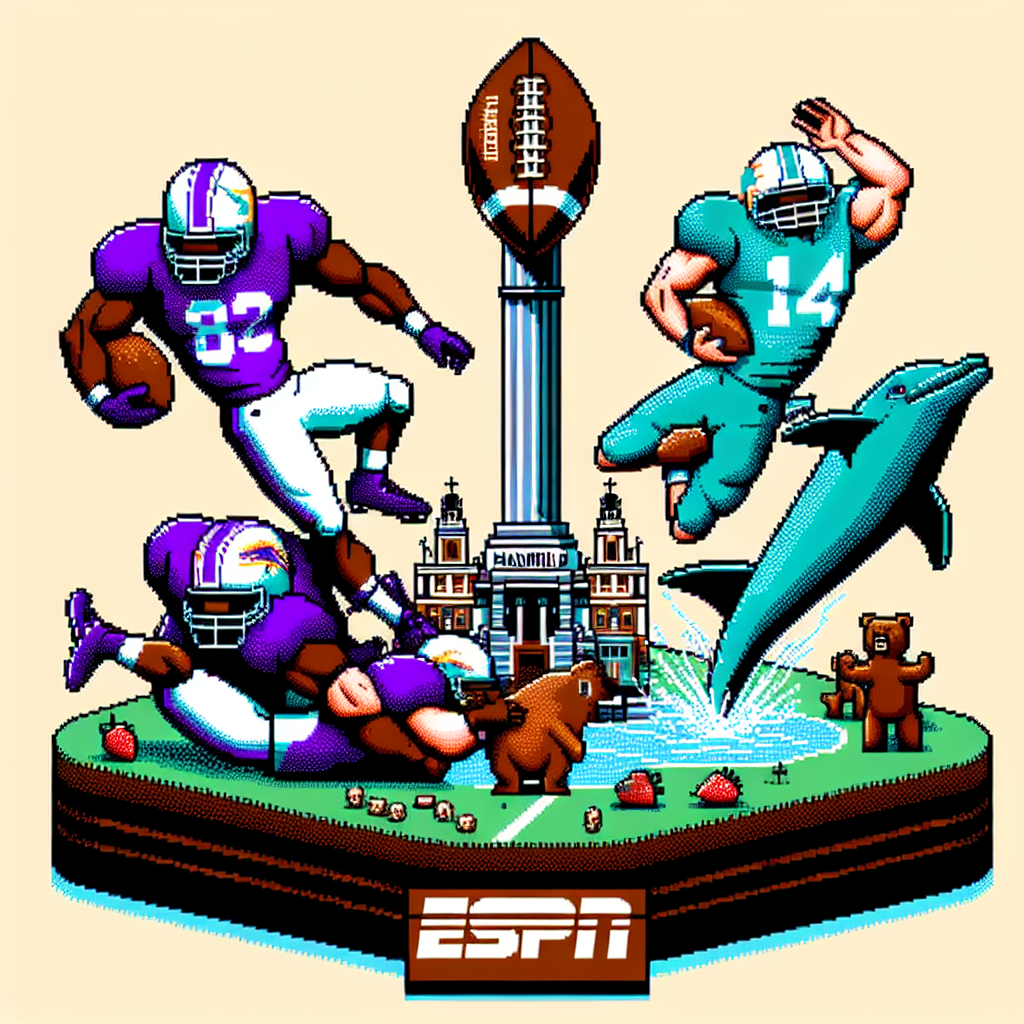
NFL lands in Madrid: a Sunday that felt bigger than a game
The sun was low over the Santiago Bernabéu on a crisp November morning, thousands of fans chanting in Spanish and English, and two teams stepping onto a patch of turf that suddenly felt like the middle of a global experiment. When the Washington Commanders and Miami Dolphins met on Sunday, it wasn’t just Week 11 of the NFL season — it was the league’s first regular-season touchdown in Spain, a deliberate nudge in the NFL’s long-running effort to become truly international.
This wasn’t merely an export of an American spectacle. It was a cultural exchange, a marketing play, and a test run for how NFL game day fits into a city built around soccer. There were team practices at local facilities, community appearances, and obviously — a stadium usually reserved for fútbol reconfigured for helmets and pads. The ritual of pregame chants, tailgates and last-minute play calls felt familiar, and yet everything had a different echo in Madrid.
Why this matters beyond the scoreboard
- The NFL is stretching into a new market. Spain becomes the sixth country (outside the U.S.) to host a regular-season NFL game, following the U.K., Mexico, Germany, Canada and another prior host. That’s not just a stat — it’s the league testing whether its product can grow new, sustainable fanbases and commercial relationships in southern Europe.
- Local context changes the vibe. The Bernabéu is a cathedral of soccer; converting it for American football invites local fans and tourists who might not otherwise get a live NFL experience. That can seed long-term interest and sponsorship opportunities tied to European brands.
- Teams treat international weeks as both culture trips and competitive disruptions. Travel, altered routines, and sightseeing can either loosen a locker room in a positive way or introduce fatigue and distractions. How teams manage that — from practice timing to media obligations — can affect performance.
Scenes from Madrid: more than sightseeing
Pre-game coverage emphasized community engagement as much as film study. The Commanders and Dolphins organized meet-and-greets, youth clinics and public practices — gestures that feel mandatory when bringing a foreign sport into town, but also genuinely smart for local outreach. Players swapped stories with fans, local radio interviewed coaches, and Spanish-language activations were everywhere, from stadium banners to in-arena announcements. The NFL branded it “Únete al show” (Join the show), and Madrid — a city that lives for event spectacle — obliged.
On the field, storylines were intimate and quirky. Marcus Mariota, starting for the Commanders while Jayden Daniels recovered, and Tua Tagovailoa for Miami carry personal narratives that make for great international storytelling. Small connections — like both quarterbacks having ties to Hawaii’s football scene — translate well to human-interest pieces that resonate across cultures.
The operational tightrope: tourism, TV windows, and timing
- Kickoff timing: A 9:30 a.m. ET start is early for U.S. viewers but conveniently aligned with local prime time in Madrid. That tradeoff matters — the NFL wants European crowds without alienating domestic TV revenue.
- Stadium adaptation: Converting the Bernabéu’s pitch layout, locker rooms, sightlines and broadcast rigs takes coordination. The venue’s renovations and global profile helped, but the practicalities are always a challenge when switching sports that expect different sightlines and turf conditions.
- Local activation vs. player focus: Appearances sell the game abroad, but they eat into prep time. Teams must balance commercial and community commitments with ensuring players are rested and ready.
What this trip could mean for the NFL’s Europe strategy
Spain’s inclusion shows the NFL is willing to experiment beyond established markets like London and Frankfurt. Madrid offers:
- A large, passionate sports audience and tourism base.
- A gateway to Spanish-speaking markets and corporate partners across Europe and Latin America.
- New broadcast and streaming partnerships as the league encourages viewers to adopt NFL+ and other products.
If Madrid sells out, produces strong local engagement, and draws European broadcast numbers that validate the window choices, expect the NFL to return — and possibly consider Spain as a periodic host or even a permanent fixture in a rotating international slate.
Highlights and human moments
- Players clutching maps and snapping photos of Madrid’s plazas, as if grateful to be tourists and professionals at once.
- Local fans learning the cadence of NFL chants and bringing a soccer-like intensity to cheering sections.
- Coaches and staff adapting to small but meaningful differences: pregame food options, travel itineraries, and even how to schedule practice times around heat and light.
Those human moments are what turn a stunt into a sustainable event. If players and fans alike walk away remembering more than the final score, the league’s investment pays off.
Takeaways from Madrid
- International games are no longer novelty acts; they’re strategic growth plays for the NFL.
- Successful events marry spectacle with local sensitivity — language, timing, and community programming matter.
- For teams, international weeks are both an opportunity to bond and a risk to routine — how they manage it can influence outcomes.
- Spain’s hosting signals the league’s intent to cultivate fans across southern Europe and Spanish-speaking markets.
My take
Madrid felt like both a kickoff and a conversation. The NFL brought an American institution to a city that knows how to put on a show, and the result was more pleasing than a mere marketing tick box. The real test will be follow-through: return visits, youth programs, broadcast growth, and Spanish-speaking content that sustains interest between games. If the league keeps building respectful local ties — not just stadium promotions — Spain could become a meaningful part of the NFL’s international footprint.
But one game won’t make history permanent. The NFL won’t convert Spain overnight; it’ll take seasons of thoughtful presence. Still, this felt like a good first chapter — loud, colorful, and distinctly Madrid.
Final thoughts
International games are a mirror: they reflect the NFL’s strengths (spectacle, personality, production) and its vulnerabilities (scheduling compromises, cultural distance). Madrid showed those dynamics plainly. If the league continues to learn from each stop — prioritizing local fans, optimizing TV windows, and protecting player prep — these games can evolve from glitzy exhibitions into genuine pillars of global fandom.
Sources
-
Madrid's NFL moment: Commanders, Dolphins kick off NFL's Spain era – ESPN.
https://www.espn.com/nfl/story/_/id/46947605/nfl-madrid-spain-commanders-dolphins-scenes-week-11-2025 -
Washington Commanders-Miami Dolphins from Madrid exclusively on NFL Network – NFL.com.
https://www.nfl.com/news/washington-commanders-miami-dolphins-from-madrid-exclusively-on-nfl-network -
Commanders selected to play the Miami Dolphins in Madrid, Spain – Washington Commanders.
https://www.commanders.com/news/washington-commanders-selected-to-play-the-miami-dolphins-in-madrid-spain -
Dolphins selected to play the Commanders in Madrid – Miami Dolphins.
https://www.miamidolphins.com/news/washington-commanders-selected-to-play-against-miami-dolphins-in-first-nfl-spain-game
Related update: We recently published an article that expands on this topic: read the latest post.
Related update: We recently published an article that expands on this topic: read the latest post.