U.S. International Trade in Goods and Services, July 2025 – Bureau of Economic Analysis (BEA) (.gov) | Analysis by Brian Moineau

U.S. International Trade in Goods and Services, July 2025 - Bureau of Economic Analysis (BEA) (.gov) | Analysis by Brian Moineau

Navigating the Trade Winds: The U.S. Trade Deficit's July 2025 Surge

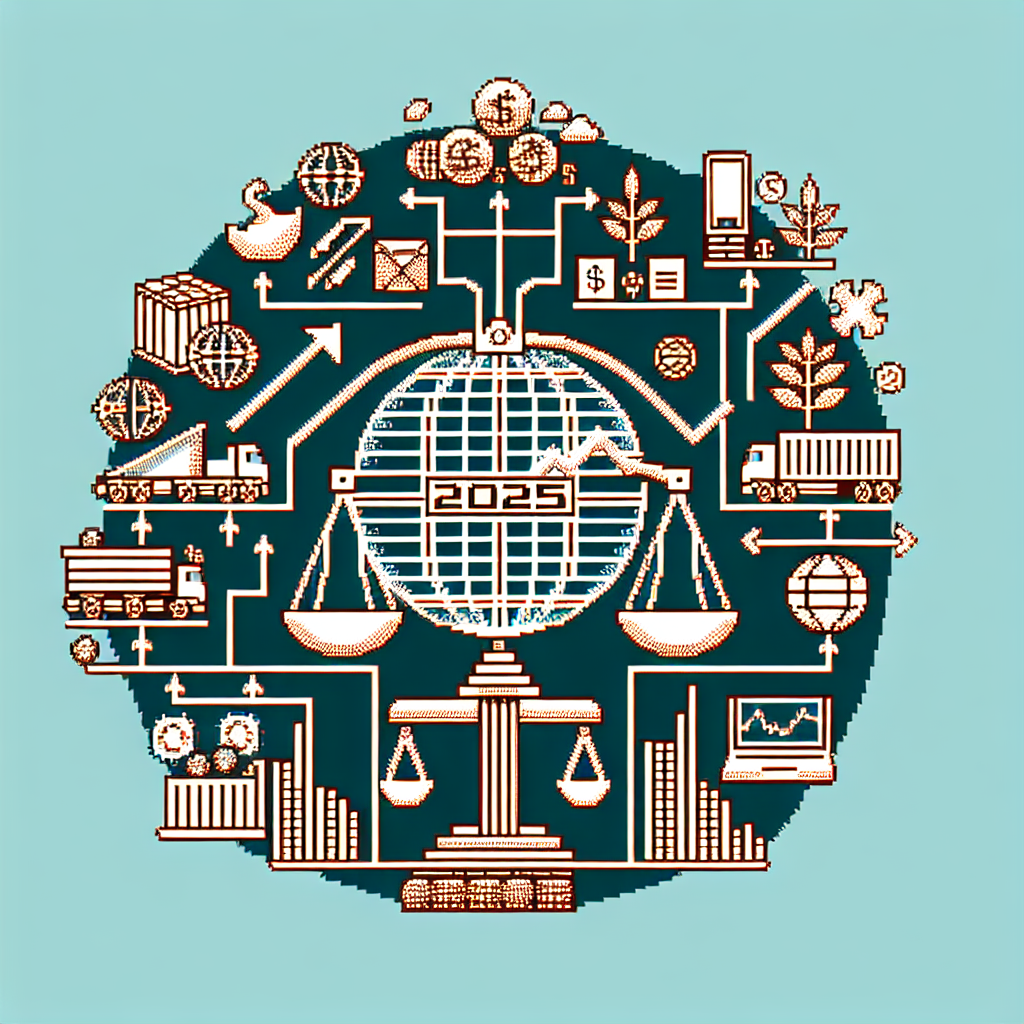
Ah, the ever-evolving dance of international trade! Just when you think you've caught the rhythm, the tune changes, and you're left trying to catch up. That's precisely what happened in July 2025, as reported by the Bureau of Economic Analysis (BEA). The United States' goods and services deficit reached a staggering $78.3 billion, up $19.2 billion from June's revised figure of $59.1 billion. It's a number that has many economists scratching their heads and businesses reassessing their strategies.

The Big Picture


Before you let the numbers get you down, let's take a step back and look at the broader context. The trade deficit isn't just a standalone figure; it's a snapshot of a much larger global economic picture. With the world slowly recovering from the economic disruptions caused by the COVID-19 pandemic, international trade has been on a rollercoaster ride. Supply chains are still adjusting, and consumer demand is in flux.

In July, the increase in the trade deficit was primarily driven by a rise in imports outpacing exports. The U.S. imported more consumer goods, capital goods, and industrial supplies, reflecting a robust domestic demand. Meanwhile, exports did not experience the same level of growth, partly due to ongoing challenges in the global supply chain and varying recovery rates in different parts of the world.

The Global Tapestry


This jump in the trade deficit isn't happening in isolation. It's intertwined with global economic currents. For instance, the European Union, a major trading partner of the U.S., is navigating its own economic challenges, including energy crises and political shifts. These factors can influence the demand for U.S. exports.

In Asia, China, another key player in global trade, is experiencing a complex economic landscape marked by regulatory changes and geopolitical tensions. These dynamics can impact the flow of goods and services to and from the U.S.

The Dollar Dance


Another interesting angle to consider is the role of the U.S. dollar. A stronger dollar makes imports cheaper and exports more expensive, which can widen the trade deficit. In 2025, the dollar has maintained its strength, partly due to the Federal Reserve's monetary policy decisions. This strength, while beneficial for American consumers purchasing foreign goods, challenges U.S. exporters trying to compete in global markets.

Looking Forward


So, what does this all mean for the future of U.S. trade? The trade deficit is a complex beast, influenced by myriad factors beyond just imports and exports. Policies aimed at boosting domestic production, such as incentives for manufacturing and innovation, could help balance the scales. Additionally, diplomatic efforts to stabilize global trade relations are crucial.

On a lighter note, the ebb and flow of the trade deficit can also be seen as a testament to the interconnectedness of our world. It's a reminder that even as nations strive for self-sufficiency, the global marketplace is a shared space where cooperation and competition coexist.

Final Thoughts


As we sail these trade winds, it's essential to remember that numbers like the trade deficit are just one piece of the economic puzzle. They offer insights, yes, but they also prompt deeper questions about how we engage with the world and what strategies we employ to foster sustainable growth.

In the end, whether you're a business leader, policymaker, or curious global citizen, understanding these shifts in trade dynamics is vital. So, let's keep our eyes on the horizon, ready to adapt and thrive in this ever-changing global economy. As the saying goes, the only constant in life—and trade—is change.

Read more about AI in Business
Read more about Latest Sports Trends

Read more about Technology Innovations

Trump’s tariffs may mean Walmart shoppers pay more, his treasury chief acknowledges – AP News | Analysis by Brian Moineau

Trump’s tariffs may mean Walmart shoppers pay more, his treasury chief acknowledges - AP News | Analysis by Brian Moineau

Title: Tariff Tensions at the Checkout: What Trump's Trade Decisions Mean for Walmart Shoppers

In the ever-evolving arena of international trade, it seems that every decision made at the highest levels can ripple down to the most ordinary places—like the aisles of your local Walmart. Recently, Treasury Secretary Scott Bessent acknowledged that the costs of President Donald Trump's tariffs might soon be felt in the pocketbooks of everyday Americans. His conversation with Walmart, the largest U.S. retailer, highlighted a potential increase in prices as these tariffs take hold.

Why Tariffs Matter to Shoppers

Let's break it down. Tariffs are essentially taxes on imported goods. When a country like the U.S. imposes tariffs, it makes those imported goods more expensive. In theory, this should encourage consumers to buy more domestically-produced products. However, in practice, it often means that companies like Walmart might have to pass some of those additional costs on to shoppers. As Bessent pointed out, this is a real possibility as Walmart navigates the financial implications of these trade policies.

Walmart's Global Footprint

Walmart is not just any retailer; it's a global powerhouse with an intricate supply chain that spans the globe. From electronics to groceries, many of the products lining Walmart's shelves are sourced internationally. This means that tariffs on imports from countries like China could hit Walmart particularly hard, affecting everything from the price of avocados to the latest tech gadgets.

A Step Back in Time: Trade Wars and Their Consequences

The notion of using tariffs as a tool for economic strategy is far from new. History has shown us varying results. For instance, the Smoot-Hawley Tariff Act of 1930 is often cited as a contributing factor to the Great Depression. While the context today is different, it serves as a reminder of the potential ramifications of trade wars.

Connecting the Dots: Global Trade Tensions

While Walmart shoppers might be concerned about their grocery bills, the broader implications of these tariffs are being felt worldwide. Countries retaliate with their own tariffs, leading to a domino effect that affects global markets. It's not just about the price of a toy at Walmart; it's about how nations are jockeying for economic advantage in an increasingly interconnected world.

Scott Bessent: The Man Behind the Acknowledgment

Scott Bessent, stepping into the role of Treasury Secretary, brings a wealth of experience from both the public and private sectors. Known for his analytical skills and understanding of complex economic systems, Bessent is no stranger to the challenges of navigating international trade. His acknowledgment of the potential impact on Walmart shoppers shows a pragmatic approach to addressing the economic realities of tariff policies.

Final Thoughts

As we navigate these choppy economic waters, it's crucial to remember the interconnectedness of global trade and local economies. While tariffs may aim to bolster domestic industries, the immediate impact on consumers cannot be ignored. As shoppers, staying informed and adaptable is key. Whether it's choosing to support local businesses or adjusting shopping habits, every choice contributes to the broader economic tapestry.

In the end, it's a reminder that while the decisions made in the corridors of power may seem distant, their effects are as close as the local Walmart checkout line. As we move forward, the balancing act of protecting domestic interests while managing global relationships will continue to define the economic narrative.

Read more about AI in Business

Read more about Latest Sports Trends

Read more about Technology Innovations

Ford and Tesla Are Best-Positioned for Trump’s Car Tariffs. These Companies Are the Worst. – Barron’s | Analysis by Brian Moineau

Ford and Tesla Are Best-Positioned for Trump’s Car Tariffs. These Companies Are the Worst. - Barron's | Analysis by Brian Moineau

Navigating the Tariff Tango: Ford, Tesla, and the Art of Automotive Adaptation

In the ever-evolving world of international trade, tariffs play a complex yet vital role, often acting as both a shield and a sword. Recently, the automotive industry has been thrust into the spotlight, with Ford and Tesla emerging as leaders in navigating the rocky terrain of Trump's car tariffs. But what makes these companies particularly adept, and which players are struggling to keep up?

Ford and Tesla: The Resilient Duo

Ford and Tesla have long been stalwarts of the American automotive industry, each with its unique approach to innovation and market adaptation. Ford, with its century-old legacy, has consistently demonstrated its ability to weather economic storms by leveraging its extensive global supply chain and deep-rooted brand loyalty. Tesla, on the other hand, has carved out its niche with cutting-edge electric vehicles (EVs) and an almost cult-like following.

Their positioning in this tariff tussle is no accident. Ford's extensive manufacturing operations in the U.S. afford it a cushion against import tariffs, while Tesla's focus on vertical integration—manufacturing many of its components in-house—gives it a similar edge.

The Stragglers in the Tariff Maze

While Ford and Tesla are well-positioned, other automotive giants find themselves in less favorable circumstances. Companies heavily reliant on imports for parts and vehicles face the brunt of tariffs. This can lead to increased costs, which may be passed on to consumers or absorbed, impacting profit margins.

Consider the case of European and Asian carmakers with significant production overseas. These companies may find themselves at a disadvantage, scrambling to adjust their supply chains or reconsidering their pricing strategies in the face of increased tariffs.

Global Echoes: A Broader Perspective

The automotive industry's challenges are a microcosm of larger global trade dynamics. The tariff situation echoes the ongoing discussions surrounding the U.S.-China trade war and the European Union's trade policies. These geopolitical tensions highlight the interconnected nature of global economies and the ripple effects of policy changes.

Furthermore, the push towards electric vehicles and sustainable energy is reshaping the industry landscape. As governments worldwide incentivize green technology, companies like Tesla are not only shielded from certain tariffs but are also poised to benefit from supportive policies.

Final Thoughts: Adapting to Change

In a world where change is the only constant, adaptability becomes the currency of success. Ford and Tesla's ability to navigate the complexities of tariffs is a testament to their strategic foresight and operational agility. As the automotive industry continues to evolve, companies must remain nimble, embracing innovation and sustainability to thrive.

In the grand tapestry of global trade, tariffs are but one thread. Yet, for the automotive industry, they serve as a powerful reminder of the importance of resilience, adaptability, and forward-thinking strategy. The road ahead may be fraught with challenges, but for those willing to adapt, the journey promises opportunity and growth.

Read more about AI in Business

Read more about Latest Sports Trends

Read more about Technology Innovations

Hong Kong’s richest man is in hot water over his company’s Panama Canal ports deal – The Associated Press | Analysis by Brian Moineau

Hong Kong’s richest man is in hot water over his company’s Panama Canal ports deal - The Associated Press | Analysis by Brian Moineau

Navigating Choppy Waters: Li Ka-shing, the Panama Canal, and the Geopolitical Ripples

In the latest installment of the high-stakes global chess game known as international business, Hong Kong's legendary tycoon Li Ka-shing finds himself at the epicenter of a geopolitical squall. The news that CK Hutchison Holdings, part of Li's sprawling business empire, decided to sell its Panama Canal port assets to a consortium including U.S. investment firm BlackRock Inc. has apparently ruffled feathers in Beijing. It seems that the decision has stirred the pot in the intricate relationship between China and the global business community.

Li Ka-shing, often hailed as one of the most astute businessmen in Asia, is no stranger to navigating complex waters. Known for his rags-to-riches story, Li's ventures span telecommunications, retail, and real estate, earning him a reputation as Hong Kong’s richest man. His strategic decisions have always been scrutinized, but none perhaps as closely as this latest move involving the strategically significant Panama Canal.

The Panama Canal, a critical artery of global trade, has long been more than just a waterway; it's a geopolitical hotspot. Control over its ports is akin to holding a key to the kingdom of international commerce. The decision to sell these assets to a consortium with American interests might have been seen as a pragmatic business move, but in the world of geopolitics, it's a bit like throwing a stone into a pond: the ripples are inevitable and often unpredictable.

In recent years, the geopolitical landscape has seen increasing tensions between the United States and China. This sale, involving prominent U.S. investment firm BlackRock Inc., adds a layer of complexity to these strained relations. It underscores the delicate balance that businesses like CK Hutchison must maintain in a world where business decisions are often inseparable from political implications.

This scenario is reminiscent of other global business maneuvers where strategic assets have changed hands, often igniting geopolitical debates. Consider the case of Huawei, the Chinese technology giant, whose global expansion has been met with both enthusiasm and apprehension due to underlying political considerations. Similarly, the sale of Panama Canal port assets becomes not just a business transaction but a statement of economic alliances and strategic positioning.

As we observe this unfolding drama, it's crucial to consider the broader context. In the backdrop of this deal is a world grappling with complex issues such as supply chain disruptions, trade wars, and the ever-evolving dynamics of globalization. The Panama Canal is just one piece of the puzzle, but it's a piece that holds significant weight.

Li Ka-shing, with his storied career and a track record of anticipating market trends, likely saw the potential benefits of this sale. However, as with any high-profile business decision, especially one with geopolitical implications, the ripple effects extend beyond the boardroom. For Li, navigating these choppy waters requires not just business acumen but an acute awareness of the shifting tides of global politics.

In conclusion, the sale of CK Hutchison Holdings' Panama Canal port assets is a microcosm of the complex interplay between business decisions and geopolitical realities. It highlights the challenging landscape that global business leaders must navigate, where every move is scrutinized through both economic and political lenses. As the world watches how this narrative unfolds, one can't help but admire Li Ka-shing’s continued ability to steer through the storm, reminding us all that in business, as in life, the journey is as important as the destination.

Read more about AI in Business

Read more about Latest Sports Trends

Read more about Technology Innovations

The stock market won’t crack. Bulls say it’s time for a breakout to new highs. – MarketWatch | Analysis by Brian Moineau

The stock market won’t crack. Bulls say it’s time for a breakout to new highs. - MarketWatch | Analysis by Brian Moineau

**Title: Is the Stock Market on the Brink of a Breakout or Just a Balancing Act?**

In the ever-volatile world of stock markets, the current buzz is about whether we're on the verge of a significant breakout or just teetering on another edge of uncertainty. A recent MarketWatch article highlights this conundrum, where bullish investors are optimistic for new highs, yet strategists caution that periods of high uncertainty rarely lead to sustained breakouts. It's like being on the edge of your seat during a thriller movie, except this time, the stakes are your financial future.

**The Bullish Perspective**

Bulls are typically the market optimists. They see the glass as half full and believe that the market is primed for a breakout. Their optimism is often fueled by indicators like strong corporate earnings, low unemployment rates, or technological advances that promise increased productivity. Recently, the bulls have also been buoyed by hints of stability in geopolitical tensions and the potential for interest rate adjustments by central banks, which could stimulate economic growth.

It's reminiscent of the optimistic spirit seen in other sectors, like the resurgence of vinyl records in the music industry or the unexpected box office success of indie films. Sometimes, a little hope and perseverance can indeed lead to a breakout success.

**The Strategist's Caution**

On the flip side, strategists warn that the market's current state of high uncertainty – driven by factors such as inflation concerns, geopolitical tensions, and mixed economic signals – isn't fertile ground for a sustained breakout. It's important to remember that the stock market is not just about numbers; it's about sentiment, psychology, and sometimes, sheer unpredictability.

This cautious approach is akin to the careful strategies employed by championship-winning sports teams. Take the New England Patriots under Bill Belichick, for instance. Success wasn't just about bold moves but also about cautious, calculated plays that accounted for every variable. In both sports and the stock market, understanding the landscape and preparing for all possibilities can be crucial.

**Connecting the Dots**

In the broader context, this stock market scenario is not unlike the fluctuating dynamics seen in other areas of the world today. Consider the energy sector's roller-coaster with renewable energy's rise juxtaposed against fossil fuel dependency. Or the tech industry's constant flux, where today's innovation could become tomorrow's obsolescence.

Global events, such as climate change initiatives or the ongoing shifts in international trade policies, also play a role in shaping market sentiments. These factors contribute to the high uncertainty that strategists warn about, yet they also offer potential opportunities for those who are prepared.

**Final Thoughts**

As we navigate this intricate dance between optimism and caution, it's essential to stay informed and agile. The stock market, much like life, is unpredictable. While bulls may dream of a breakout, and strategists urge caution, perhaps the key is to find a balance between the two perspectives.

In the end, whether the stock market soars to new heights or maintains its current course, the best strategy might just be to remain adaptable and ready for whatever comes next. After all, in both investing and life, the only constant is change. So, stay curious, stay informed, and remember to enjoy the journey as much as the destination.

Read more about AI in Business

Read more about Latest Sports Trends

Read more about Technology Innovations