
Apple Maps May Soon Feature Targeted Ads | Analysis by Brian Moineau

Are Ads Coming to Apple Maps? What This Means for iOS Users

Imagine you’re navigating through a bustling city, and instead of just finding your way to that trendy new café, you’re also greeted with tailored ads for nearby shops and services. It sounds like something out of a sci-fi movie, but if recent reports are true, this could soon be a reality for Apple Maps users. According to a recent article from TechCrunch, Apple is contemplating introducing ads to its mapping service as early as next year.

The Context Behind Apple’s Advertising Move

Apple Maps has come a long way since its rocky launch in 2012. Initially criticized for its inaccuracies and lack of features, it has gradually evolved into a robust competitor to Google Maps. With features like Look Around and improved navigation, Apple has made significant strides to enhance user experience.

However, as the digital advertising landscape continues to heat up, tech giants are constantly seeking new avenues for revenue. Apple, known for its premium pricing strategy, may view advertising as a way to diversify its income streams, especially within its iOS ecosystem. By integrating ads into Apple Maps, they can provide businesses with a unique opportunity to reach potential customers right where they’re searching for services.

This potential shift aligns with broader trends in the tech industry where ad placements have become commonplace on various platforms. With many companies relying on ad revenue to sustain operations, it’s no surprise that Apple is considering a similar approach.

Key Takeaways

Advertising Integration: Apple Maps may begin displaying ads, potentially starting in 2024, as part of a broader strategy to increase advertising across iOS.

User Experience Concerns: While ads could provide businesses with greater visibility, there are concerns about how this might affect the user experience, particularly in terms of clutter and distraction.

Revenue Diversification: For Apple, introducing ads could help diversify its revenue streams, especially in a climate where many tech companies are exploring new monetization strategies.

Increased Competition: This move could intensify competition between Apple Maps and Google Maps, as both services strive to capture user attention and ad spend.

Business Opportunities: Local businesses may benefit from targeted advertising, reaching consumers when they’re most likely to make purchasing decisions.

Reflecting on the Future of Apple Maps

As we look toward the future, the prospect of ads in Apple Maps raises intriguing questions about how we engage with technology. While ads can enhance business visibility and offer users personalized suggestions, there is a delicate balance to maintain between monetization and user experience. As Apple charts this new course, it will be crucial for them to keep user satisfaction at the forefront. After all, nobody wants to turn their navigation experience into an obstacle course of advertisements.

As we await more details on this potential change, it’s clear that the way we interact with technology—and the role of advertising in that interaction—is evolving. Will Apple hit the sweet spot of providing relevant ads without compromising user experience? Only time will tell.

Sources

– “Ads might be coming to Apple Maps next year” – TechCrunch (https://techcrunch.com/2023/10/12/apple-maps-ads/) – “Apple Maps: A Timeline of Its Evolution” – The Verge (https://www.theverge.com/2023/10/10/apple-maps-evolution-timeline)

By staying informed and engaged on these developments, we can better understand how our digital experiences are shaped—and how we can adapt to the changes ahead.


Related update: We recently published an article that expands on this topic: read the latest post.
Economic Blackout: A day of protest across Western New York – WGRZ.com | Analysis by Brian Moineau

Economic Blackout: A day of protest across Western New York - WGRZ.com | Analysis by Brian Moineau

**Title: Economic Blackout: Power to the People, One Purchase at a Time**

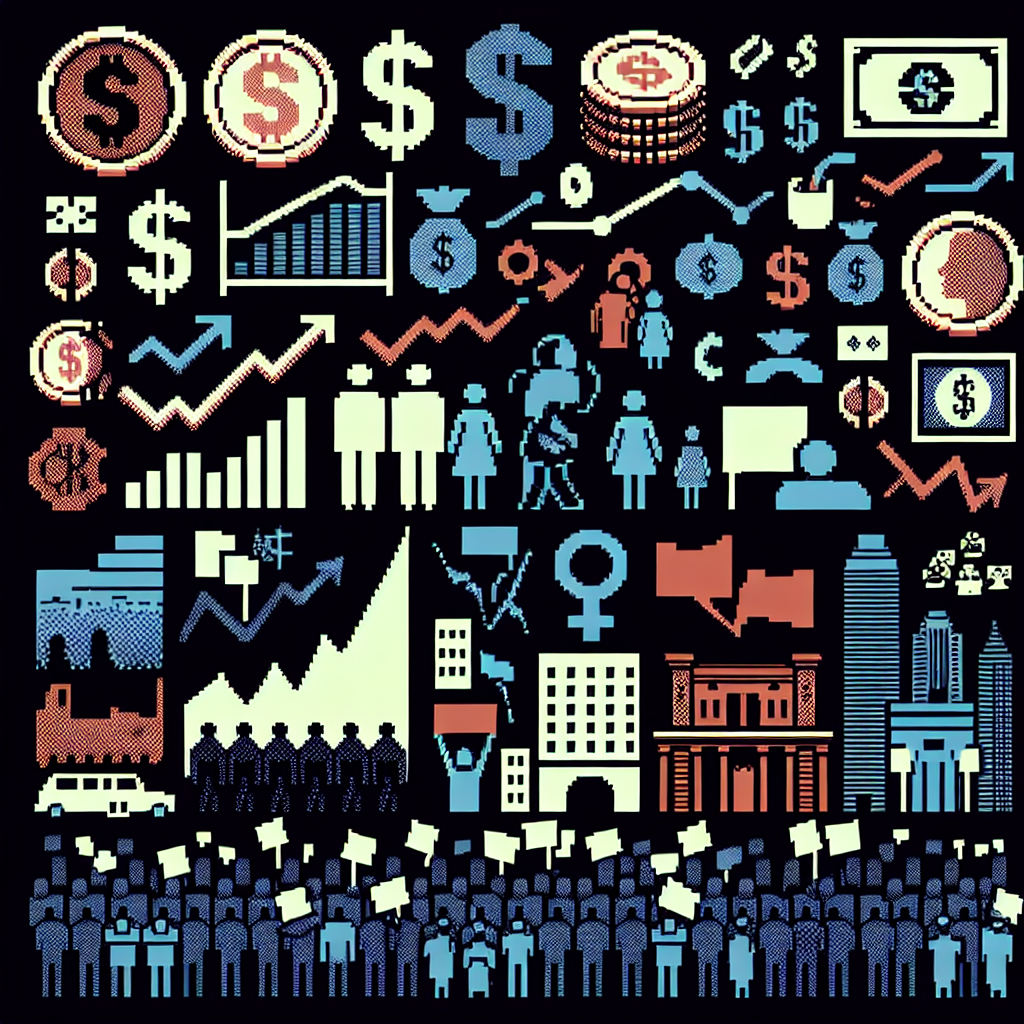
In the heart of Western New York, a quiet yet powerful revolution is brewing. Dubbed "Economic Blackout," this one-day protest calls on citizens to pause their spending at major retailers, urging them instead to focus on essentials or patronize small, local businesses. It's a grassroots movement, born from the idea that every dollar is a vote for the kind of economy we want to build.

So why should you care about a protest in Western New York? Because it's a small part of a much larger global narrative. Across the world, consumers are waking up to the immense power they wield in their wallets. This isn't just about frugality; it's about rethinking capitalism itself.

### The Power of the Wallet

Economic Blackout is more than just a day of financial fasting; it's a statement. By choosing to limit spending at big-box retailers and instead support local businesses, participants are sending a clear message: community matters. This echoes the sentiments of similar movements like "Small Business Saturday," which encourages shopping at local retailers to boost the local economy.

It's a call to action that resonates with many, especially in the wake of the COVID-19 pandemic that saw small businesses struggling to survive. According to the U.S. Small Business Administration, small businesses account for 44% of U.S. economic activity. Yet, they often get outshined by the marketing prowess of retail giants. Economic Blackout aims to level the playing field, if only for a day.

### A Global Perspective

This local protest is reminiscent of broader movements around the world that focus on economic justice and sustainability. Take, for instance, the "Buy Nothing Day," which started in Canada in the early 1990s. It encourages people to abstain from spending for 24 hours to reflect on the effects of consumerism. Similarly, the "Fridays for Future" climate strikes led by Greta Thunberg highlight the environmental impact of unchecked consumption.

These movements share a common thread: the belief that individual actions can collectively lead to systemic change. The Economic Blackout is a microcosm of this idea, emphasizing that change begins at home—or in this case, in the aisles of your local grocery store.

### A Lighthearted Spin

While the concept of an Economic Blackout might sound serious, there's room for some humor and creativity. Imagine the conversations at dinner tables when families explain why they're having homemade pizza instead of delivery, or the newfound appreciation for the quirky items found in local mom-and-pop shops. It's an opportunity to reconnect with our communities and rediscover the charm of local flavors and products.

### Final Thoughts

The Economic Blackout in Western New York is more than just a protest; it's a reminder of the latent power we all possess as consumers. As we face global challenges like climate change and economic inequality, re-evaluating our spending habits can be a step toward a more equitable and sustainable world.

So the next time you reach for your wallet, remember: every purchase is a vote. Make it count. And if you're in Western New York, perhaps take a day to turn off the economic lights and illuminate the local businesses right in your backyard. After all, change often starts with something as simple as choosing where to shop.

Read more about AI in Business

Read more about Latest Sports Trends

Read more about Technology Innovations