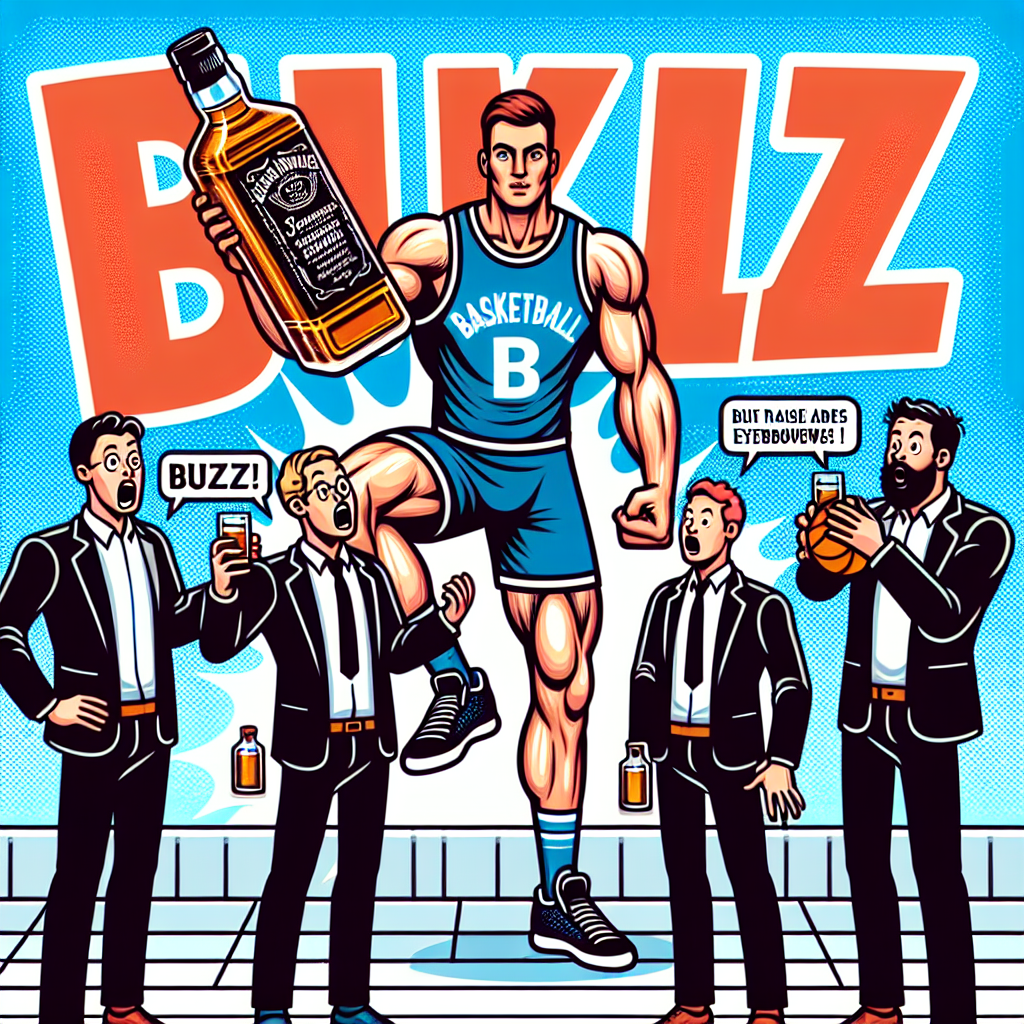
LeBrons Hennessy Ad: Buzz or Controversy? | Analysis by Brian Moineau

LeBron James’ Hennessy Ad: Buzz or Blunder?

When your name is LeBron James, every move you make is scrutinized, celebrated, and sometimes, just a little bit controversial. Recently, the basketball superstar took a bold step into the world of marketing with a new campaign featuring Hennessy, a brand that has long been synonymous with luxury and celebration. While the ad generated a significant amount of buzz, it also raised eyebrows among fans and branding experts alike. So, what exactly happened, and why is this campaign causing such a stir?

The Campaign and Its Context

LeBron’s partnership with Hennessy marks a notable intersection of sports, celebrity, and brand marketing. Hennessy, a name that resonates in the realms of high-end spirits, has often been associated with celebrations, success, and, yes, the hip-hop culture that permeates much of today’s media landscape. LeBron’s involvement with Hennessy isn’t entirely new; he has been seen enjoying the brand on various occasions and has even been linked to it through his extensive network of celebrity friends.

However, this campaign appears to have touched a nerve. While some fans embraced the collaboration as a savvy marketing move that could resonate well with younger audiences, others expressed concern over the implications of promoting alcohol, especially given LeBron’s status as a role model and advocate for health and wellness. Branding experts weighed in, noting that the duality of celebrity endorsements can often lead to mixed messages.

Key Takeaways

Brand Cross-Promotion: LeBron’s campaign with Hennessy highlights the power of celebrity branding, showcasing how collaborations can bridge different markets—sports and luxury spirits, in this case.

Cultural Relevance: The partnership taps into the cultural zeitgeist, particularly within the hip-hop community, where Hennessy has made significant inroads. This relevance can amplify the campaign’s reach among younger demographics.

Mixed Reactions: The ad has sparked debate, with some fans celebrating the bold move while others critique it as irresponsible. This illustrates the fine line brands must walk when leveraging celebrity endorsements.

The Role of Responsibility: With great influence comes great responsibility. LeBron’s status as a role model complicates his relationship with brands like Hennessy, particularly as discussions around alcohol consumption and its implications for youth continue to evolve.

Conversation Starter: Regardless of the opinions surrounding the ad, it has undeniably generated buzz and conversation—an essential goal for any marketing campaign in today’s crowded media landscape.

Conclusion: The Fine Line Between Buzz and Blunder

In the end, LeBron James’ Hennessy ad may just be another example of how the lines between sports, celebrity, and branding continue to blur. While it’s easy to critique the partnership based on individual principles, it’s also essential to recognize that the resulting buzz can often lead to meaningful conversations about responsibility, influence, and modern marketing strategies. As the dust settles, one thing is clear: when it comes to LeBron, there’s never a dull moment!

Sources

– Business Insider: “LeBron James’ Hennessy ad stunt generates buzz, but raises eyebrows among branding experts” [Business Insider](https://www.businessinsider.com/lebron-james-hennessy-ad-stunt-buzz-branding-experts-2023-10)


Related update: We recently published an article that expands on this topic: read the latest post.


Related update: We recently published an article that expands on this topic: read the latest post.


Related update: We recently published an article that expands on this topic: read the latest post.

Google backtracks on plans to deactivate shortened goo.gl links – The Verge | Analysis by Brian Moineau

Google backtracks on plans to deactivate shortened goo.gl links - The Verge | Analysis by Brian Moineau

Google’s U-Turn on goo.gl Links: A Small Victory for the URL Shortening Enthusiasts


In an unexpected yet welcomed turn of events, Google has decided to backtrack on its plans to deactivate its goo.gl URL shortening service, which was initially set to be laid to rest. According to a report from The Verge, if a goo.gl link doesn’t already have a deactivation message, then it will keep functioning as normal. For those who have relied on this service to condense unwieldy URLs into neat, shareable links, this is a minor victory worth celebrating.

The Importance of Short Links in a Long-Winded World


In the fast-paced digital age, where attention spans are as brief as a tweet, the importance of URL shorteners cannot be overstated. These nifty tools help transform convoluted web addresses into sleek, manageable links that are perfect for social media, marketing campaigns, and even graffiti art. While goo.gl might not be as popular today as it once was, overshadowed by services like Bitly and TinyURL, its legacy remains significant. It’s like the comforting old sweater of the internet — reliable, if a bit out of style.

The Broader Picture: Tech Giants and Their U-Turns


Google’s reversal on goo.gl deactivation isn’t an isolated incident. It joins a cohort of tech giant U-turns that have peppered industry news over the past few years. Remember when Microsoft decided to keep Paint alive after a public outcry? Or when Netflix retracted its decision to separate DVD rentals from streaming, following a wave of customer disapproval? These instances reveal a telling trend: tech companies are increasingly responsive to user feedback, understanding that maintaining goodwill is as crucial as any algorithm update.

URL Shorteners and the Social Media Landscape


The decision to keep goo.gl links alive also reflects the evolving nature of social media. In the world of Twitter, where every character counts, short links are more critical than ever. They help users maximize their message while saving precious space. Moreover, they play a fundamental role in tracking engagement, allowing marketers to analyze the effectiveness of their campaigns with precision. In this context, Google’s decision is not just about preserving a tool but about recognizing the ongoing interplay between technology and social media dynamics.

A Nod to Digital Nostalgia


While Google’s latest move may seem small in the grand scheme of technological advancements, it taps into a sense of digital nostalgia. For many, goo.gl was a gateway to the early days of social media, a time when MySpace was still a thing, and Facebook was just starting its global ascent. Preserving goo.gl links is akin to keeping an old photo album in the attic — it’s not just about functionality; it’s about preserving a piece of the internet’s history.

Final Thoughts


In a world where tech changes at a breakneck pace, Google’s decision to keep goo.gl links active serves as a reminder that not all progress requires leaving the past behind. Sometimes, it means recognizing the value in what already exists and allowing it to coexist with the new. As we continue to navigate the ever-evolving digital landscape, let’s not forget the tools that helped pave the way and the importance of listening to the communities that rely on them. So, here’s to goo.gl — may your links remain short and sweet.

Read more about AI in Business

Read more about Latest Sports Trends

Read more about Technology Innovations