
When a Two-Goal Cushion Isn’t Enough: Wolves 2-2 Arsenal and the Title Squeeze
Arsenal arrived at Molineux on February 18, 2026, seemingly in control. Two early blows — Bukayo Saka’s crisp header in the fifth minute and Piero Hincapié’s first goal for the club — had the Gunners cruising toward a crucial three points and, temporarily, a seven-point lead at the top of the Premier League. Instead, they left with a flat feeling and a 2-2 draw after Hugo Bueno’s thunderbolt and a stoppage-time finish from 19-year-old Tom Edozie. What looked like control turned into damage limitation — and the title race suddenly felt a lot more fragile.
Why this result matters
- It denied Arsenal the chance to open a comfortable gap at the top (they were eyeing a seven-point cushion).
- It showcased issues that have crept into Arsenal’s season: late-game concentration, defensive calm under pressure, and a tetchy mentality when the margin is small.
- For Wolves, rock-bottom at the time, this was a galvanizing point — a reminder that league position isn’t destiny and that momentum can flip quickly.
The game in three acts
Tactical reading: where it went wrong for Arsenal
The title picture: ripple effects
- Points are points: a draw instead of three feels like two lost points. In a title fight, squandered advantages compound quickly.
- Psychological swing: instead of tightening the race, Arsenal handed rivals fresh belief. Manchester City (and any chasing sides) now know the leaders can wobble.
- Momentum matters as much as math: late-season runs are often decided by composure in moments like the 94th minute. Arsenal’s results in the coming fixtures will reveal whether this was an anomaly or the start of a trend.
Players and moments to remember
- Bukayo Saka: a perfect early finish and a reminder of his importance in decisive moments.
- Piero Hincapié: his first for the club gave Arsenal breathing room and signaled his offensive threat from defense.
- Hugo Bueno: a contender for “goal of the game” — a 61st-minute strike that changed the tempo.
- Tom Edozie: dream debut timing. The kind of late impact that lifts teams and twists title narratives.
What this shows about Arsenal’s growth curve
Arsenal have built a young, dynamic side that pressures opponents and plays with clear identity. But identity alone doesn’t conquer tight end-of-season tests. The Molineux draw is an instructive snapshot: top teams need not just creative structure but also game management, match-wearing discipline, and the cold-blooded ability to close out games. This draw should sharpen, not shatter, their focus — provided the squad and staff treat it as a learning moment rather than a repeatable script.
Closing thoughts
Football is a long story told in many short paragraphs — this was one of those dramatic asides. Arsenal’s result at Wolves doesn’t doom their title chances, but it does remind us how quickly narrative can swing. For Arsenal, the immediate task is clear: translate identity into iron-clad results under pressure. For Wolves, the lesson is to believe — and to keep producing those moments where the game decides to tilt.
Sources
Related update: We recently published an article that expands on this topic: read the latest post.
Related update: We recently published an article that expands on this topic: read the latest post.
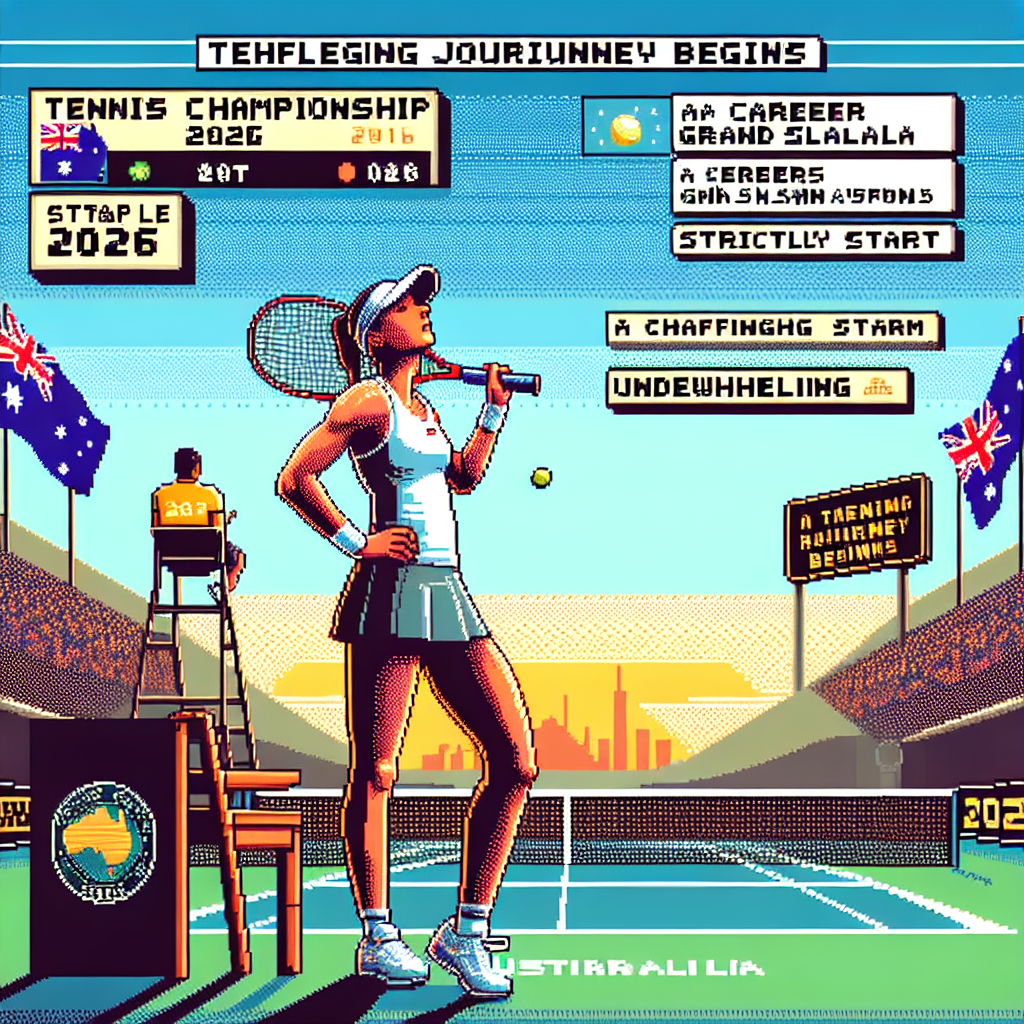
Iga Swiatek’s Melbourne wobble: a career-Grand-Slam bid that started rough, not broken
The first night lights at Rod Laver Arena are rarely kind to favorites who aren’t firing on all cylinders. Iga Swiatek — a player already with six majors on her résumé and the elusive Australian Open waiting to complete a career Grand Slam — survived more than scraped through on Day 2, edging Chinese qualifier Yuan Yue 7-6(5), 6-3 on 19 January 2026. It wasn’t the statement win many expected. But neither was it a collapse. What we saw was a champion reminded that the long road to a title can begin with a bumpy step.
The match, in three telling moments
- Yuan Yue served for the first set at 5-4 and generally played like someone who belonged on the big stage — aggressive, fearless and extending rallies that exposed Swiatek’s early rust.
- Swiatek’s backhand came to the rescue at the key moments: a clutch inside-out winner late in the set and decisive winners in the tiebreak kept Yuan from pulling off a shock.
- After a wobble that included three breaks conceded and a worrying 30+ unforced errors in some reports, Swiatek opened the second set with a 3-0 lead and eventually closed it out — but not without Yuan saving match point and showing grit before finally giving way.
Why this matters beyond a first-round scoreline
- A career Grand Slam is a rare and heavy objective. Winning Roland-Garros, Wimbledon and the US Open already proves Swiatek’s surface versatility; Melbourne, however, has its own demands — different bounce, climate, and a field where early-season form can vary wildly.
- The scoreline (7-6, 6-3) masks the effort required. Qualifiers like Yuan often arrive battle-hardened and low-pressure; they can be dangerous early, especially if a top seed hasn’t yet hit match speed.
- For Swiatek, the match was diagnostic: it revealed issues to tidy up (first-set starts, unforced errors under pressure) but also confirmed strengths to rely on (a heavy, accurate backhand and mental spine in clutch moments).
What the numbers and coverage say
- Match stats reported across outlets show Swiatek finished with a clear winners count but also an unusually high number of unforced errors for her standards — a classic sign of timing problems more than tactical failure.
- Multiple reputable reports (WTA, Reuters, AP and others) highlighted the same narrative: a scare in set one, late composure, and plenty to work on for the weeks ahead. The consistent takeaway across these outlets is that Swiatek did what champions do: find a way to win even on an off night. (wtatennis.com)
What fans and pundits are likely thinking
- Expect patience from the Swiatek camp. She’s beaten top opponents on all surfaces, and an opening match like this at a Grand Slam is not unprecedented even for eventual champions.
- Opponents will notice vulnerabilities they might try to exploit: early momentum swings, timing against deep hitters, and pressure points when Swiatek is not yet in rhythm.
- Yet the clinical backhand under pressure and the ability to close out tight moments remind us that Swiatek still has the tools necessary to go deep in Melbourne.
How this shapes the rest of her Australian Open
- Short term: Swiatek’s second-round draw (Marie Bouzková) offers a chance to sharpen match feet without an immediate return to the furnace of a top-10 heavyweight.
- Medium term: If she tightens up early-set starts and reduces unforced errors, the rest of the draw should be manageable. If not, Melbourne’s long days and varied opponents could create more slips.
- Long term: One scrappy match doesn’t rewrite a career — but patterns can. Coaches and analysts will watch whether this was a one-off rustiness or the beginning of a form dip that needs tactical or physical correction.
A few micro-lessons from Rod Laver Arena
- Qualifiers are dangerous: ranking is context-dependent; match tennis and momentum matter.
- Big-match composure counts: Swiatek’s backhand and ability to play the big point saved her here.
- Early-season tournaments can produce deceptive scorelines: close wins can hide problems, and straight-set losses can mask resurgence.
What I’m watching next
- How Swiatek manages her serve percentage and second-serve points won — improving those would make her much harder to pressure early.
- Whether she cuts down the unforced errors without sacrificing the winners that define her game.
- The timing: does she find a groove quickly against Bouzková, or will we see more scratched paint before she really starts firing?
Final thoughts
This was not the masterclass some expected from a player hunting career completeness, but it was a useful reminder: champions don’t always dominate — sometimes they survive and learn. Swiatek left Melbourne with a win and a highlight reel of clutch backhands. More importantly, she left with a to-do list. If she treats this opening night as a reset rather than a warning bell, her grand-slam ambitions remain alive — and perhaps sharper for having weathered the storm.
Sources
(Note: match played 19 January 2026; cited reports published 19–20 January 2026.)
Related update: We recently published an article that expands on this topic: read the latest post.
Related update: We recently published an article that expands on this topic: read the latest post.
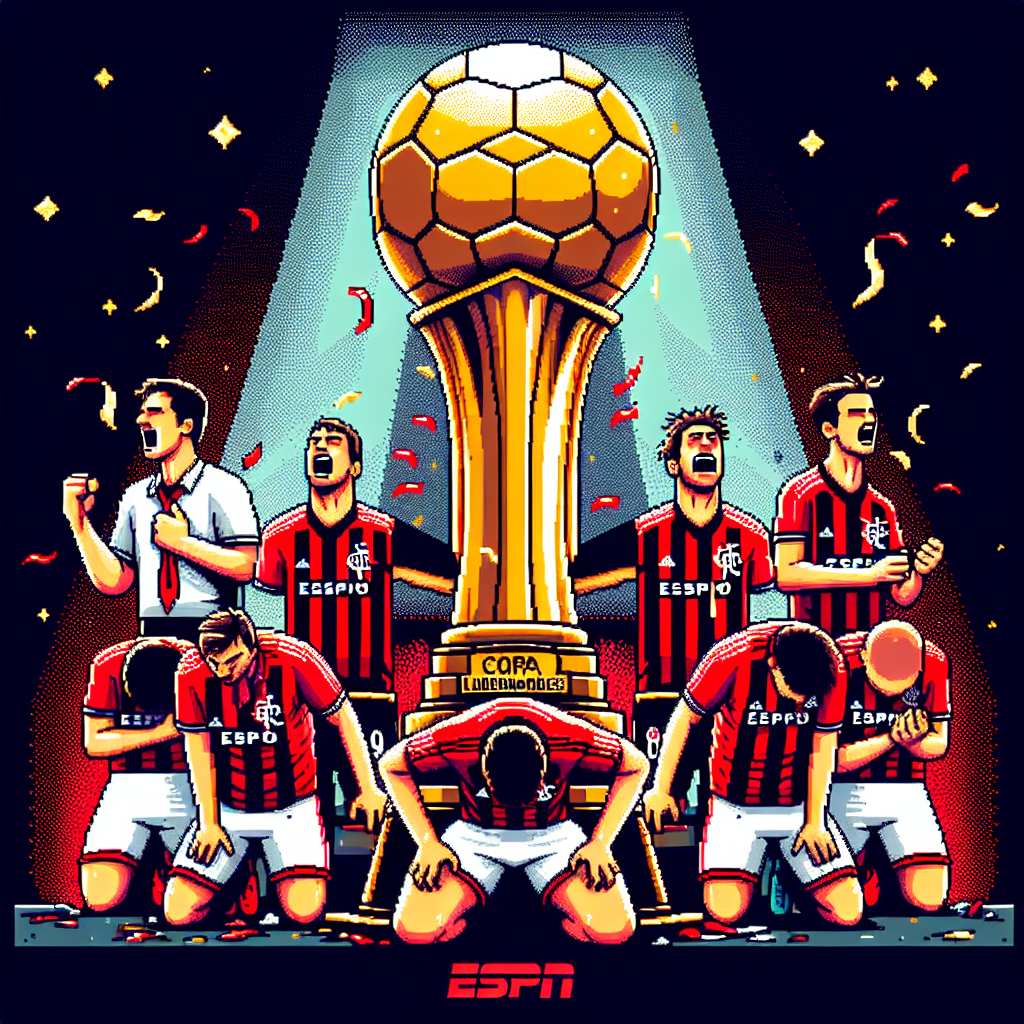
A final of the century — that felt like a slog
There was a promise built into the billing: Flamengo vs Palmeiras, Copa Libertadores final in Lima — football fireworks, raw passion, South America's biggest club prize decided by two of Brazil's best. What we got instead was a war of attrition. Flamengo lifted the trophy after Danilo’s header, but the headlines aren’t just about the winner — they’re about two teams (and a whole league) running on fumes.
Why the game felt tired, not thrilling
- Flamengo and Palmeiras are the elite of Brazilian club football right now — they have carried the Libertadores for years between them. That dominance is impressive, but it comes at a cost: players piling up minutes across club, continental and international windows with barely a pause.
- The final in Lima (a 1–0 win for Flamengo thanks to Danilo’s 67th-minute header) was scrappy: few real chances, plenty of fouls and a sense that both sides were conserving energy rather than risking everything to entertain. The spectacle that some expected — a “final of the century” — never quite arrived. (espn.com)
The scheduling problem in plain English
- Many Flamengo and Palmeiras players were part of national-team squads during recent FIFA windows, then returned to crucial domestic matches almost immediately. Travel, recovery and preparation time evaporated. The result: foggy legs and frayed minds on a neutral pitch in Lima. (espn.com)
- Club success breeds more fixtures: domestic title chases, Libertadores knockout rounds, Super Cups, and the intercontinental calendar (which can send winners to the FIFA Club World Cup or intercontinental friendlies). For the two giants, the season can be a treadmill with barely any breaks. (espn.com)
Moments from the match that screamed fatigue
- The decisive moment itself was a set-piece — a header from a defender — not a flowing, counter-attacking move. Set pieces can win finals, but when open-play chances are scarce, it often signals a midfield that's been ground down. (reuters.com)
- The match saw a high foul count and flashpoints (including a near red-card incident) — classic signs of players stopping the game because they’re not at their sharpest. When reading body language, that added to the feeling this was about survival, not expression. (aljazeera.com)
Bigger picture: what this says about South American football
- Brazil’s clubs have been supremely successful in the Libertadores recently, but dominance masked a structural strain: a calendar that asks too much of the same core of players. The sport’s commercial and sporting incentives (titles, prize money, global exposure) reward success — which then produces the very fixture congestion that saps performance.
- Fans want drama and artistry. Coaches want competitive squads and rotation. Medical teams plead for rest. Right now, the incentives line up to produce more matches and fewer meaningful, high-quality 90 minutes. That tension is the heart of the problem. (espn.com)
What could help (realistically)
- Smarter spacing of international windows and a more player-friendly calendar. That’s easier said than done — FIFA, national associations and confederations need to coordinate, and commercial interests push against calendar reform.
- Deeper squad planning and rotation strategies at clubs, though financial realities mean not every team can stock a high-quality bench.
- Tournament planners could consider timing and travel load when choosing neutral venues and match dates — the spectacle suffers if players are spent before kickoff.
A few quick takeaways
- Flamengo earned the trophy and deserved credit for seeing out the match; Danilo’s header was the decisive moment. (reuters.com)
- The final felt attritional because top Brazilian players are being overused across club, continental and international commitments. (espn.com)
- The pattern of fixture congestion threatens the quality of big matches unless stakeholders — clubs, leagues, confederations and FIFA — take steps to rebalance the calendar. (espn.com)
My take
There’s something poetic about a defender rising to head a trophy-winning goal in a grinding final. But poetry shouldn’t be the default because the rest of the show is spent catching breath. South American club football is richer for having giants like Flamengo and Palmeiras — they bring rivalry, talent and storylines. Still, if we want the Libertadores to be remembered for moments of genius rather than tired resilience, the game needs a little more breathing room. Give the players time, and the spectacle will follow.
Sources
Related update: We recently published an article that expands on this topic: read the latest post.
Related update: We recently published an article that expands on this topic: read the latest post.