OpenAI lawyers question Meta’s role in Elon Musk’s $97B takeover bid – TechCrunch | Analysis by Brian Moineau

OpenAI lawyers question Meta’s role in Elon Musk’s $97B takeover bid - TechCrunch | Analysis by Brian Moineau

Title: The Billion-Dollar Chess Game: Elon Musk, Meta, and the Future of AI

In a world where technology giants are constantly vying for dominance, the latest plot twist involves none other than Elon Musk, Mark Zuckerberg, and OpenAI. According to a recent TechCrunch article, OpenAI has raised eyebrows by questioning Meta's involvement in Elon Musk's audacious $97 billion takeover bid of the ChatGPT-maker. While this might sound like a subplot from a futuristic drama, it's a real-life business maneuver that has captured the attention of tech enthusiasts and skeptics alike.

The Players in the Game

Elon Musk, known for his avant-garde approach to technology and innovation, is no stranger to ambitious projects. From Tesla's electric vehicles to SpaceX's Mars missions, Musk's ventures often seem to defy the bounds of reality. Now, with his sights set on OpenAI, the billionaire seems to be readying himself for yet another leap into the unknown. But why OpenAI? Perhaps it's the allure of artificial intelligence's untapped potential or the strategic advantage of having a hand in shaping the future of AI technologies.

On the other side of this chessboard sits Mark Zuckerberg, CEO of Meta, the company formerly known as Facebook. Zuckerberg's pivot toward the Metaverse has been nothing short of audacious, reflecting his vision of a connected digital universe. But what role does Meta play in Musk's bid for OpenAI? The details remain murky, but the prospect of two tech titans collaborating—or competing—adds an intriguing layer to this unfolding narrative.

Connecting the Dots

This isn't the first time Musk and Zuckerberg have crossed paths. Their past interactions have ranged from polite exchanges to public disagreements, especially around the topics of AI safety and regulation. Musk has been vocal about his concerns regarding AI, famously calling it "our biggest existential threat." He even co-founded OpenAI with the mission of ensuring that artificial intelligence benefits all of humanity. However, he departed the organization in 2018, citing differences in vision.

In contrast, Zuckerberg has maintained a more optimistic stance on AI and its potential to improve lives. Given these differing perspectives, their recent meeting over OpenAI's future is particularly fascinating. Could it signal a new chapter of collaboration, or is it merely another chapter in their ongoing rivalry?

The Bigger Picture

This potential acquisition also raises questions about the broader implications for the tech industry and AI development. As AI continues to evolve, the ethical considerations surrounding its use become more pressing. With companies like OpenAI at the forefront, the pressure is on to ensure that advancements are made responsibly.

Additionally, this development comes at a time when global tech regulations are tightening. The European Union's AI Act and similar initiatives worldwide are attempting to create frameworks that safeguard against the misuse of AI technologies. How Musk's potential acquisition of OpenAI would align with these regulatory efforts remains to be seen.

Final Thoughts

The saga of Elon Musk, Mark Zuckerberg, and OpenAI is a testament to the ever-evolving landscape of technology and its intricate power dynamics. Whether this will lead to a groundbreaking collaboration or fuel further competition, only time will tell. As spectators in this grand game, we can only hope that the future of AI is guided by principles that prioritize humanity's collective well-being.

In the meantime, perhaps we should take a page from Musk and Zuckerberg's playbook and dare to imagine a world where technology serves as a bridge rather than a barrier. After all, in the words of Isaac Asimov, "The saddest aspect of life right now is that science gathers knowledge faster than society gathers wisdom." Let's hope that wisdom prevails in this high-stakes game.

Read more about AI in Business
Read more about Latest Sports Trends

Read more about Technology Innovations

Ubisoft to restructure as “Creative Houses” as Q1 25-26 financials come in “lower-than-expected” – GamesIndustry.biz | Analysis by Brian Moineau

Ubisoft to restructure as "Creative Houses" as Q1 25-26 financials come in "lower-than-expected" - GamesIndustry.biz | Analysis by Brian Moineau

Navigating the Creative Waters: Ubisoft's New Direction Amid Financial Turbulence

In the world of gaming, where pixels meet passion, Ubisoft has always been a name synonymous with innovation and high-octane entertainment. From the stealthy escapades of "Assassin's Creed" to the whimsical chaos of "Rayman," Ubisoft has consistently pushed the boundaries of what gamers can expect. However, as the company releases its first-quarter financial results for the 2025-26 fiscal year, it seems that the gaming behemoth is facing choppy waters with earnings reported as "below expectations."

A New Creative Compass: The Rebirth as "Creative Houses"

In response to this financial shortfall, Ubisoft is embarking on a bold restructuring initiative, organizing itself into "Creative Houses." This strategic pivot aims to decentralize creative control, allowing different teams to explore innovative game development paths. This move could very well ignite a creative renaissance within the company, fostering a more diverse portfolio of games and potentially unearthing the next big hit that could capture the gaming world's imagination.

The concept of "Creative Houses" reminds us of other industries where decentralization has sparked creativity. Take the film industry, for example. Companies like Pixar thrive on a model where creative teams are given substantial freedom to shape their projects, resulting in films that are both critically acclaimed and commercially successful. Ubisoft's restructuring could emulate this model, potentially producing a new wave of groundbreaking gaming experiences.

Financial Falters: A Common Industry Chorus

Ubisoft's financial woes are not an isolated incident in the gaming industry. The past few years have seen numerous gaming giants grappling with similar issues, as market saturation and shifting consumer preferences create an unpredictable landscape. For instance, Electronic Arts and Activision Blizzard have also faced financial hurdles recently, prompting them to explore new business models and revenue streams, such as subscription services and cloud gaming.

The gaming industry is evolving at a breakneck speed, with technologies like virtual reality, augmented reality, and the metaverse on the horizon. Companies that can adapt and innovate will likely emerge as leaders in this new era of interactive entertainment. Ubisoft's decision to restructure could be seen as a proactive step in aligning with these industry trends.

The Broader Picture: A World of Change

Beyond the gaming universe, Ubisoft's restructuring echoes a broader trend in the corporate world, where agility and adaptability are becoming essential traits for survival. Whether it's the shift to remote work, the rise of the gig economy, or the increasing importance of sustainable practices, businesses across sectors are rethinking traditional models to stay competitive.

In the realm of gaming, where creativity is king, Ubisoft's "Creative Houses" model could inspire other companies to embrace similar approaches, potentially leading to a more vibrant and diverse gaming ecosystem. As players, we can only hope that this restructuring brings about new and exciting games that captivate our imaginations.

Final Thoughts: Charting a New Course

Ubisoft's financial dip and subsequent restructuring serve as a reminder that even the most established companies must occasionally reinvent themselves to thrive in an ever-evolving industry. While the road ahead may be uncertain, the potential for creative innovation is boundless.

As gamers, we eagerly await the fruits of Ubisoft's "Creative Houses," hoping for fresh experiences and unforgettable adventures. And who knows? Perhaps this restructuring will set the stage for the next iconic Ubisoft franchise, one that will stand alongside "Assassin's Creed" and "Far Cry" in gaming history.

In the end, the gaming world is an ever-shifting landscape, and those who dare to navigate its waters with creativity and courage will find themselves at the helm of the industry's future. Here's to Ubisoft's voyage into uncharted territory—may it be filled with discovery, success, and, most importantly, great games.

Read more about AI in Business

Read more about Latest Sports Trends

Read more about Technology Innovations

Phil Spencer isn’t retiring as the chief of Xbox “anytime soon” – The Verge | Analysis by Brian Moineau

Phil Spencer isn’t retiring as the chief of Xbox “anytime soon” - The Verge | Analysis by Brian Moineau

Phil Spencer and the Unstoppable Xbox Journey: A Story of Innovation and Resilience

It seems the gaming world can breathe a collective sigh of relief, as Microsoft Gaming CEO Phil Spencer has made it clear that he won't be hanging up his controller anytime soon. The news, first reported by The Verge, comes as a welcome revelation to fans and industry insiders alike. Spencer, who took the helm of Microsoft’s Xbox division in 2014, has been a transformative force for the brand, steering it through both turbulent and triumphant times.

The Man Behind the Console

Phil Spencer's journey with Microsoft began long before his Xbox leadership days. Joining the company as an intern in 1988, he worked his way through various roles, eventually becoming a pivotal figure in the gaming division. His leadership style, characterized by transparency and a gamer-first mentality, has been instrumental in reshaping Xbox’s identity and strategy.

Under Spencer's guidance, Xbox has undergone a renaissance. His commitment to backward compatibility, a strong emphasis on gaming services like Xbox Game Pass, and the acquisition of major studios such as Bethesda showcase his forward-thinking approach. These moves have not only kept Xbox relevant but have also set new standards in the gaming industry.

Gaming in a Global Context

Spencer's continued tenure comes at a time when the gaming industry is undergoing rapid evolution. The global pandemic accelerated gaming adoption, with more people turning to video games for entertainment and social connection. According to Newzoo, a leading provider of games market insights, the global games market is expected to generate over $200 billion in 2023, a testament to the sector's burgeoning influence.

Moreover, gaming is increasingly intersecting with other technological trends, such as virtual reality (VR) and the metaverse. Companies like Meta (formerly Facebook) are heavily investing in these areas, positioning gaming as a central pillar of future digital experiences. Spencer's Xbox strategy, with its focus on accessibility and community, seems well-poised to navigate and capitalize on these trends.

A World Beyond Xbox

Spencer's impact is not confined to gaming consoles alone. His leadership style, which emphasizes empathy and inclusivity, resonates beyond the gaming community. In a world where corporate transparency and social responsibility are becoming increasingly important, Spencer's approach offers a blueprint for other leaders.

For instance, his vocal support for cross-platform play reflects a broader push towards breaking down barriers and promoting unity in a divided world. This philosophy mirrors broader societal shifts towards inclusivity and collaboration, seen in movements advocating for diversity and equity across various sectors.

The Road Ahead

As Phil Spencer continues to lead Xbox into the future, the gaming world watches with anticipation. His vision for Xbox is not just about creating the best gaming console but about building a vibrant ecosystem where players can connect, create, and enjoy. With the gaming landscape constantly evolving, Spencer's next moves will undoubtedly shape the future of entertainment.

In conclusion, Phil Spencer's decision to stay on as the chief of Xbox is a testament to his dedication to the gaming industry and its community. As technology continues to advance and the lines between digital and physical worlds blur, leaders like Spencer are crucial in guiding us through this exciting era. Whether you're a casual player or a hardcore gamer, one thing is clear: with Phil Spencer at the helm, the future of Xbox is as bright as ever. So, here's to more games, more innovation, and many more years of Phil Spencer's visionary leadership.

Read more about AI in Business

Read more about Latest Sports Trends

Read more about Technology Innovations

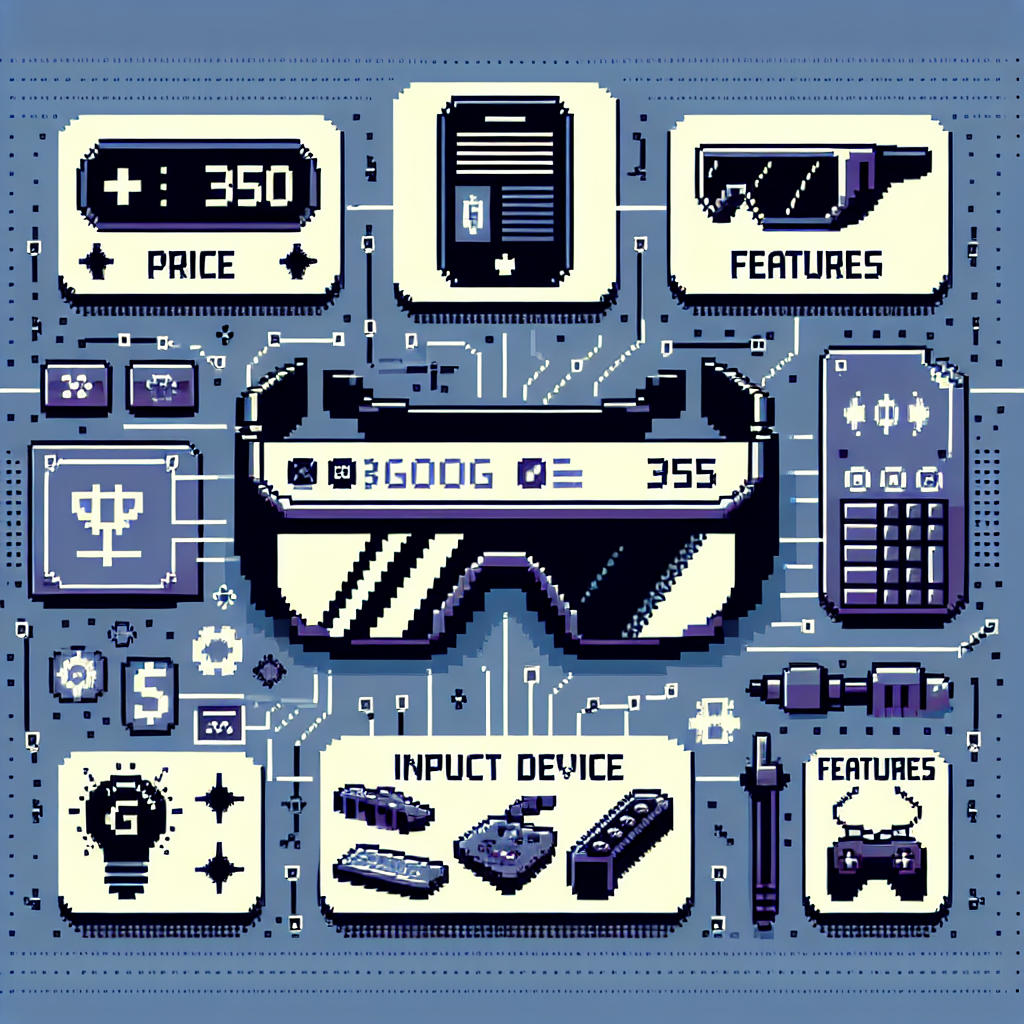
Meta HUD Glasses Price, Features & Input Device Reportedly Revealed – UploadVR | Analysis by Brian Moineau

Meta HUD Glasses Price, Features & Input Device Reportedly Revealed - UploadVR | Analysis by Brian Moineau

"Meta's New HUD Glasses: A Glimpse into the Future of Augmented Reality"

In today's fast-paced technological world, it's no surprise that augmented reality (AR) is taking a front seat in shaping our digital interactions. Enter Meta's latest innovation: the much-anticipated HUD (Heads-Up Display) glasses. According to a recent report from Bloomberg, the futuristic eyewear is set to revolutionize how we perceive and interact with the digital world. But it's not just the glasses themselves that are causing a stir; it's also Meta's accompanying neural wristband that promises an entirely new way of interfacing with technology.

Breaking Down the Specs


So, what can we expect from Meta's HUD glasses? The Bloomberg report reveals a competitive price point aimed at making AR accessible to a broader audience. This strategy is reminiscent of the pricing approach Apple took with the iPad, aiming to make cutting-edge technology available to the masses. The glasses come equipped with an array of features designed to immerse the user in a seamless blend of digital and real-world experiences. Picture browsing your emails, checking the weather, or even navigating through a new city, all without having to pull out your smartphone.

The real game-changer, however, might just be the neural wristband included in the package. This wristband reportedly acts as a controller for the glasses, utilizing neural input to interpret and execute commands. Think of it as a more sophisticated version of the wrist-worn controllers used in gaming systems like the Nintendo Switch. But unlike traditional controllers, this wristband aims to make interaction as intuitive as thinking itself. It's a bold move that echoes the ambitions seen in Neuralink, Elon Musk's venture into brain-computer interfaces, although focused more on everyday utility than medical applications.

A World of Possibilities


Imagine walking down the street and receiving real-time translations of foreign signs, or having a digital personal assistant whispering directions into your ear during a hike. The potential applications for Meta's HUD glasses are vast. This kind of innovation could be particularly transformative for fields like education, where interactive learning could be taken to unprecedented levels, or in healthcare, providing doctors with hands-free access to patient data during procedures.

Meta's foray into AR also ties into broader technological trends we've been witnessing. The rise of the metaverse, a concept Meta CEO Mark Zuckerberg has been particularly vocal about, could see a significant boost from such devices. With companies like Microsoft and NVIDIA also investing heavily in AR and VR technologies, the race to create the most immersive digital experience is officially on.

Final Thoughts


As we stand on the cusp of a new era in augmented reality, it's exciting to see how innovations like Meta's HUD glasses and neural wristband will shape our future interactions. While the technology is impressive, the real test will be in its adoption and integration into our daily lives. Will these glasses become as ubiquitous as smartphones, or will they remain a niche product for tech enthusiasts? Only time will tell.

For now, we can only marvel at the ingenuity and potential behind Meta's latest venture. Whether you're a tech aficionado or a casual observer, there's no denying that the future of augmented reality looks incredibly bright—and perhaps just a bit closer than we ever imagined.

Read more about AI in Business

Read more about Latest Sports Trends

Read more about Technology Innovations