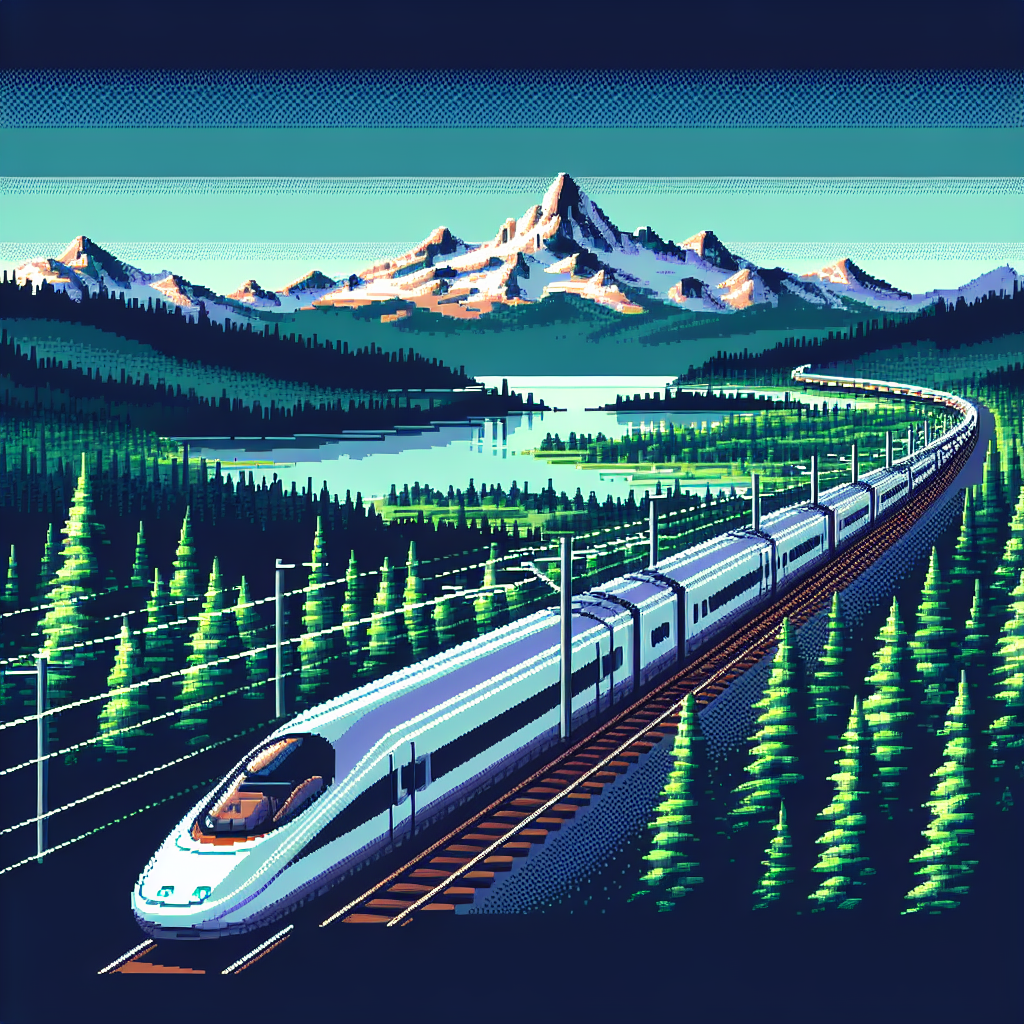
A new ride for the Pacific Northwest: Amtrak’s Airo trains arrive in 2026
Imagine settling into a comfy seat, the Cascades rolling by outside panoramic windows, your phone quietly charging at a USB port while onboard Wi‑Fi handles the heavy lifting. That image is about to become routine for travelers between Eugene, Portland, Seattle and Vancouver, B.C. — Amtrak’s sleek new Airo trainsets are set to debut on the Amtrak Cascades line in 2026.
This post sketches what the Airo rollout means for Cascades riders, why the timing matters, and what to watch for as the Pacific Northwest becomes the first region to get these next‑generation trains.
Why this feels like an inflection point
- The Cascades corridor is one of the country’s most scenic and increasingly busy regional routes. Riders have long wanted more comfort, reliability, and amenities that match modern expectations.
- Airo is part of a wider Amtrak fleet modernization program — 83 trainsets are planned nationwide — funded in part by the federal Infrastructure Investment and Jobs Act.
- The Cascades is slated to be the first route to receive Airo trainsets; eight Cascades trainsets and two new locomotives are expected to arrive and enter service during 2026. That makes the Pacific Northwest a testing ground of sorts for how modern equipment changes everyday travel.
What makes the Airo trains different
- Modern interiors designed for comfort:
- Panoramic windows and more table seating ideal for the scenic I‑5 corridor.
- Ergonomic seats, larger tray tables, water bottle holders, and seatback tablet holders.
- Better connectivity and convenience:
- Individual power outlets and USB ports at seats; onboard 5G/Wi‑Fi to keep passengers connected.
- Digital information screens showing speed, stops and connections.
- Accessibility and hygiene upgrades:
- Automated boarding steps to help at mixed‑height platforms.
- Touchless restroom controls and updated restroom layouts.
- Food and regional identity:
- Redesigned café cars with Northwest‑inspired menu items, self‑service options, and alcohol service.
- New Cascades liveries: evergreen, cream and mocha with Cascade Range graphics (Mount Hood and Mount Rainier).
- Environmental and performance improvements:
- Engines and systems built to reduce particulate emissions in diesel mode (Amtrak cites up to 90% lower particulate emissions in some modes).
- Top technical speed is 125 mph, though on Cascades where tracks are shared with freight, operating speeds will remain limited by track conditions and rules (often 79 mph without significant track upgrades).
Why Cascades first — and what that means for riders
- Manufacturing and testing sequencing: Siemens-built trainsets for the Cascades were among the first to roll off production lines and undergo testing (including in Pueblo and on the Northeast Corridor), so the region will see the earliest revenue service.
- Maintenance facilities and readiness: Seattle and other cities have seen investment in new or upgraded maintenance yards so the new equipment can be supported locally — a practical necessity before full deployment.
- Real-world constraints: Even with Airo’s 125 mph capability, actual running speeds depend on track upgrades, signaling, and agreements with freight railroads. So riders should expect a smoother, more comfortable journey more than dramatic time savings immediately — unless parallel infrastructure projects accelerate.
How this affects typical Cascades trips
- Commuters and day‑trippers: More reliable equipment and better onboard amenities make train travel a more attractive alternative to driving or flying between Portland and Seattle.
- Tourists and leisure travelers: Panoramic windows and more table seating enhance the scenic experience, making the Cascades a stronger tourism draw.
- Cyclists and multi‑modal travelers: Local Cascades policies already support bike riders (reserved bike rack spaces on trains). Airo’s redesigned baggage/café layouts may change how easy it is to bring bikes — check the Cascades bike policy when booking.
- Cross‑border travel to Vancouver, B.C.: Resumption and reliability of international trips will depend on border policies and schedules, but the new trains should improve the travel experience when service runs.
What to watch between now and rollout
- Service announcements and exact entry‑into‑service dates from Amtrak and Amtrak Cascades (trainsets must complete testing and inspections).
- Local station and yard upgrades that could affect schedules or temporary disruptions.
- Any updates from Amtrak’s inspector reports about facility readiness; fleet rollout plans sometimes shift as facilities are completed and crews are trained.
- Ticketing and reservation changes as Airo capacity comes online — new seating maps, café offerings, or bike reservation rules could appear.
Key points to remember
- The Airo fleet is scheduled to begin service on Amtrak Cascades in 2026, with eight Cascades trainsets planned that year.
- Riders should expect improved comfort, connectivity, and regional food options rather than large immediate speed gains on the Cascades corridor.
- Long‑term benefits are substantial: environmental improvements, more consistent equipment, and a model for expanding modern train service nationwide.
My take
This is a feel‑good moment for Pacific Northwest travelers: a tangible upgrade to the daily experience of rail travel, not just a branding refresh. The Airo trains bring amenities passengers expect in 2026 — better connectivity, cleaner operations, and interior design that respects both commuter and scenic‑route needs. But the full promise — faster trips and transformative service growth — still hinges on track, signaling, and freight‑rail negotiations. For now, expect a nicer, more modern ride that makes the Cascades corridor more competitive with driving and flying.
Sources
-
Amtrak. “Meet the New Airo Fleet.” Amtrak Media, February 10, 2026.
https://media.amtrak.com/2026/02/meet-the-new-airo-fleet/ -
Amtrak. “Airo Trains.” Amtrak Media Kit. March 3, 2025.
https://media.amtrak.com/2025/03/amtrak-airo-trains/ -
Amtrak Cascades / WSDOT. “New Amtrak Cascades trains arrive in 2026.” Amtrak Cascades updates (multiple posts).
https://amtrakcascades.com/about/new-amtrak-cascades-trains-arrive-in-2026/ -
Amtrak. “Introducing Amtrak Airo, a Modern Passenger Experience.” Amtrak.com.
https://www.amtrak.com/about-amtrak/new-era/fleet-projects/amtrak-airo -
The Seattle Times. “Amtrak Cascades will have a new Northwest look in 2026.” December 15, 2022.
https://www.seattletimes.com/seattle-news/amtrak-cascades-will-have-a-new-northwest-look-in-2026/
Related update: We recently published an article that expands on this topic: read the latest post.