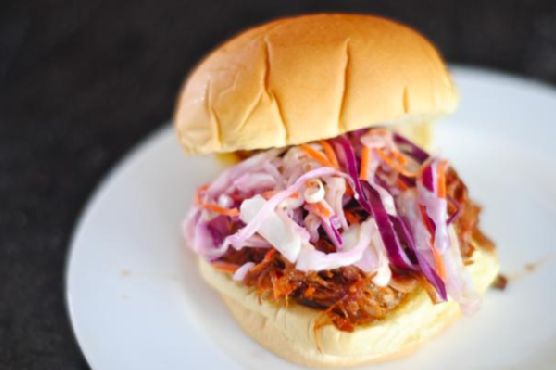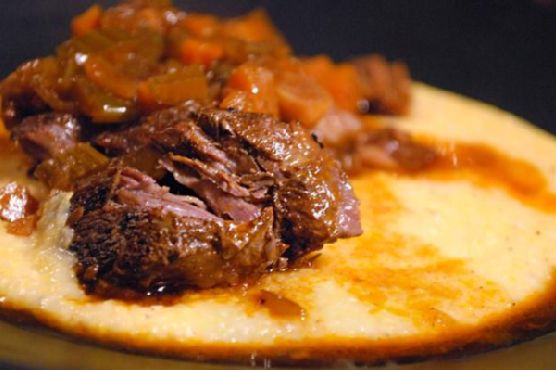
Beef Braised In Red Wine | Made by Meaghan Moineau

Beef Braised In Red Wine

Intro

There’s something magical about the aroma of a hearty stew simmering gently in the oven. It always takes me back to my grandmother’s kitchen, where the scent of herbs and red wine would fill the room, promising a meal that warmed the soul as much as it did the body. This Beef Braised in Red Wine recipe is my homage to those cherished days. The tender beef, the rich sauce, and the earthy vegetables create a symphony of flavors that feels both nostalgic and comforting. Join me as we explore this classic dish that is perfect for cozy family dinners or special occasions.

Why You’ll Love It

This dish is a celebration of deep, robust flavors that develop beautifully over a few hours of slow cooking. The beef becomes exceptionally tender, practically melting in your mouth, while the red wine sauce is rich and velvety, with hints of rosemary and thyme. Whether you’re a seasoned chef or a home cook looking to impress, this recipe is straightforward yet delivers restaurant-quality results. Plus, the delicious aroma while it cooks will make your home feel warm and welcoming.

Ingredients

  • Bacon
  • Boneless beef chuck roast
  • Carrot
  • Celery
  • Dry red full-bodied wine
  • Garlic cloves
  • Olive oil
  • Onion
  • Pepper
  • Rosemary
  • Salt
  • Thyme
  • Tomato paste
  • Water

Instructions

  1. Put the oven rack in the middle and preheat the oven to 325°F (163°C).
  2. Heat oil in a large Dutch oven until hot but not smoking.
  3. Meanwhile, pat the beef dry and season with salt and pepper.
  4. Brown the beef on both sides, about 10 minutes total. If the bottom of your pan starts to scorch, turn down the heat slightly.
  5. Remove the beef from the pan and let it rest on a plate.
  6. Add bacon to the pan and sauté until browned.
  7. Add the carrot, celery, and onion, cooking until they are softened and golden brown.
  8. Add garlic, thyme, and rosemary, sautéing for 1 minute.
  9. Add tomato paste, stirring in and cooking for 1 minute.
  10. Add wine, and boil until the liquid is reduced by half.
  11. Add water to the pan and bring to a simmer.
  12. Return the beef and any juices to the pan.
  13. Cover the pot with the lid and transfer to the oven.
  14. Cook for 2 1/2 to 3 hours, or until the beef is very tender.
  15. Remove beef from the pan and slice across the grain.
  16. Serve beef on top of potatoes or grits, topped with sauce from the pan.

Tips

For best results, choose a full-bodied red wine, like Cabernet Sauvignon or Merlot, which will enhance the flavor of the dish. Make sure to brown the beef properly to develop a deep flavor base. If you find the sauce too thin after cooking, you can reduce it further on the stovetop.

Variations & Substitutions

If you prefer, you can substitute the beef chuck roast with beef short ribs for a different texture. For a non-alcoholic version, replace the wine with a mixture of beef broth and a splash of balsamic vinegar. To add a touch of sweetness, consider adding a handful of dried fruit, like prunes or raisins, during the braising process.

Storage

This dish stores beautifully and tastes even better the next day. Keep leftovers in an airtight container in the refrigerator for up to 3 days. To reheat, gently warm on the stovetop or in the oven until heated through. You can also freeze the beef and sauce for up to 3 months; just ensure it’s fully cooled before transferring to freezer-safe containers.

FAQ

Can I make this dish in advance?

Absolutely! In fact, the flavors deepen and improve if made a day ahead. Simply prepare the dish, allow it to cool to room temperature, and store it in the refrigerator. Reheat gently before serving.

What side dishes pair well with beef braised in red wine?

This dish pairs wonderfully with creamy mashed potatoes, polenta, or crusty bread to soak up the rich sauce. Steamed green beans or a simple salad also make for a refreshing contrast.

Is it possible to use a slow cooker instead of an oven?

Yes, after browning the beef and sautéing the vegetables, transfer everything to a slow cooker. Cook on low for 6-8 hours or until the beef is tender. Adjust the sauce consistency as needed before serving.

Nutrition

This dish is rich and hearty, so a little goes a long way. While specific nutrition can vary based on portion sizes and specific ingredients used, beef braised in red wine is a good source of protein and iron. For those watching their intake, consider serving smaller portions with plenty of vegetables on the side.

Conclusion

Beef Braised in Red Wine is more than a meal; it’s an experience. The deep, complex flavors and tender beef create a dish that feels like a warm embrace on a chilly evening. Whether for a special occasion or simply to indulge in a comforting classic, this recipe is a keeper. I hope it brings as much joy to your table as it has to mine over the years. Enjoy every savory, satisfying bite!

Related update: Beef Braised In Red Wine
Braised Oxtail | Made by Meaghan Moineau

Braised Oxtail: A Hearty and Flavorful Classic

Intro

There’s something deeply comforting about a dish that takes its time, simmering away until every ingredient melds into a symphony of flavors. For me, braised oxtail is one such dish, reminiscent of childhood Sundays spent in my grandmother’s kitchen. The aroma of tender oxtail slowly cooking with fragrant spices and fresh vegetables would fill the entire house, signaling a meal that was always worth the wait. Today, I’m excited to share this timeless recipe with you, a warm hug in a bowl that promises to delight your senses and bring warmth to your table.

Why You’ll Love It

Braised oxtail is a dish that rewards patience with unparalleled depth of flavor. The slow cooking process ensures that the meat becomes meltingly tender, while the rich broth infuses with the essence of aromatic vegetables and spices. This dish is perfect for gatherings, offering a unique and sophisticated alternative to more common braised meats. Plus, it’s incredibly versatile — you can customize it to suit your palate or dietary preferences.

Ingredients

  • Oxtail
  • Fat (for browning)
  • Onions
  • Carrot
  • Celery
  • Flour
  • Hot water
  • Tomatoes
  • Bay leaves
  • Salt
  • Bell pepper
  • Cooked noodles

Instructions

  1. Begin by browning the pieces of oxtail in your chosen fat over medium-high heat. This step is crucial for developing a deep, savory flavor.
  2. Add the onions, carrots, and celery to the pan, cooking until the vegetables are golden brown and aromatic.
  3. Sprinkle the mixture with browned flour, stirring to coat the meat and vegetables evenly.
  4. Pour in hot water, then add the tomatoes, bay leaves, cloves, and salt. Stir thoroughly to combine.
  5. Transfer the mixture to a casserole dish. Cover and place in a preheated moderate oven at 350°F (175°C).
  6. Allow the oxtail to cook for a minimum of 3 hours, or until the meat is tender and falling off the bone.
  7. Once cooked, serve the braised oxtail over a bed of warm, cooked noodles, and enjoy the fruits of your patience and labor.

Tips

To ensure the best results, consider these helpful tips:

  • Choose oxtail pieces with a good amount of meat on them. This will ensure a more satisfying dish.
  • Don’t rush the browning process. The caramelization of the meat and vegetables is key to building flavor.
  • If you have time, prepare the dish a day in advance. The flavors will deepen overnight, and you’ll just need to reheat before serving.

Variations & Substitutions

This braised oxtail recipe is wonderfully adaptable:

  • Vegetables: Feel free to add or substitute other root vegetables like parsnips or turnips for added depth.
  • Spices: Experiment with different spices such as star anise or cinnamon for a unique twist.
  • Wine: Replace a portion of water with red wine for a richer, more robust flavor.

Storage

Store any leftovers in an airtight container in the refrigerator for up to three days. For longer storage, freeze the oxtail in portions, which can be reheated gently on the stove or in a slow cooker.

FAQ

Can I make this dish in a slow cooker?

Absolutely! After browning the oxtail and vegetables, transfer everything to a slow cooker. Cook on low for 8-10 hours or on high for 4-6 hours until the meat is tender.

Is there a substitute for oxtail?

If oxtail is unavailable, you can use beef shanks or short ribs instead. They will provide a similar richness and tenderness.

Can I make this dish gluten-free?

Yes, you can substitute the flour with a gluten-free alternative like cornstarch or rice flour to thicken the sauce.

Nutrition

Braising oxtail is not only delicious but also nutritious. Oxtail is rich in gelatin, which is beneficial for joint health. The dish provides a good balance of protein, essential vitamins, and minerals from the vegetables, making it a wholesome meal choice.

Conclusion

Braising oxtail is more than just cooking; it’s an experience that brings warmth and satisfaction to the soul. Whether you’re looking to impress guests or simply want to indulge in a comforting meal, this recipe is sure to become a beloved classic in your culinary repertoire. So gather your ingredients, embrace the slow cooking process, and enjoy the rich, savory results that only time and care can bring.

Related update: Braised Oxtail

Related update: Creamy Vegan Butternut Squash Mac and Cheese

Butchers Reinvent Menus as Beef Costs Soar | Analysis by Brian Moineau

When the Price of a Ribeye Rises, Small Butchers Reinvent the Counter

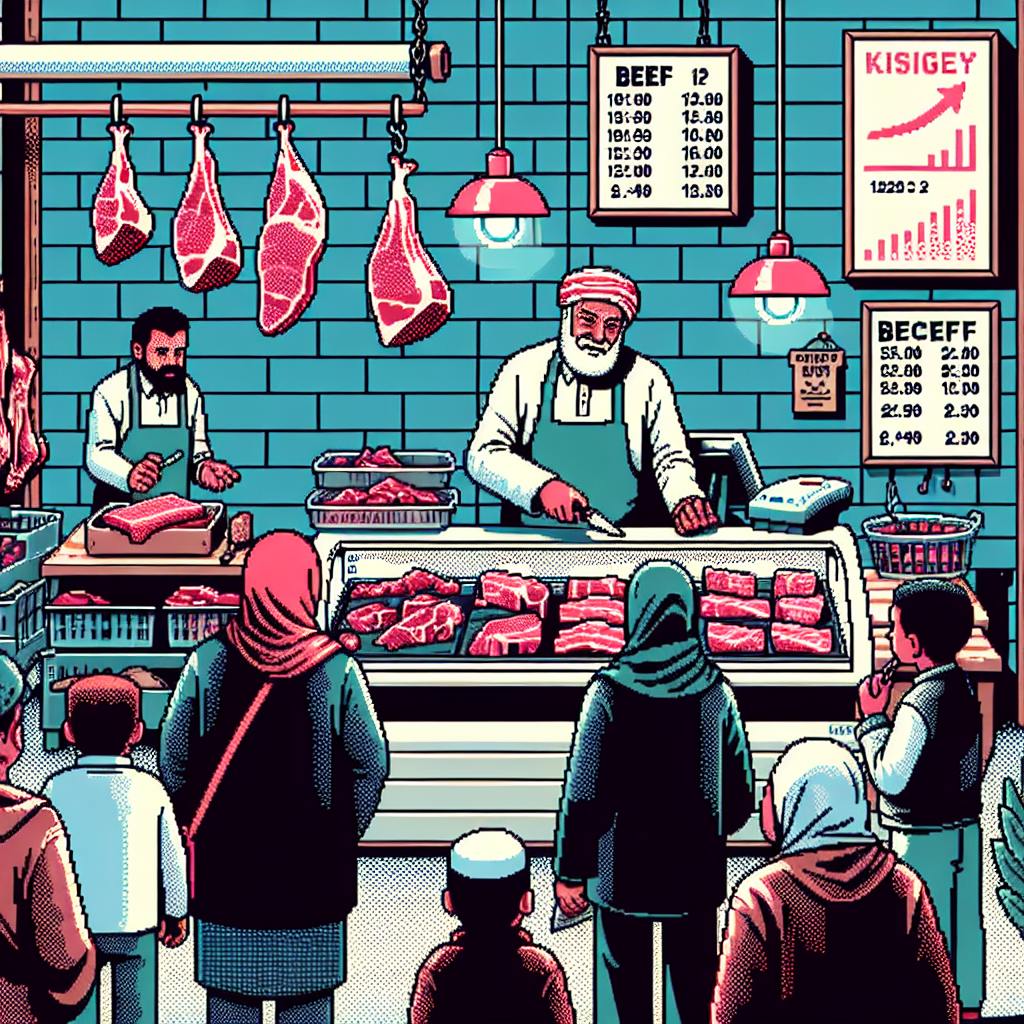
It used to be that a stroll into the neighborhood butcher meant two things: a chat with someone who knew the cut by name, and the smell of fresh meat ready for the weekend grill. Lately, that stroll comes with sticker shock. As beef prices climb to multi‑decade highs, small butcher shops are quietly reshaping how they sell, what they recommend, and how they keep customers coming back.

Why this matters now

  • Ground beef and steak prices climbed to record levels in 2025, driven by shrinking U.S. cattle herds, drought, higher feed and production costs, and other supply‑chain strains. (cbsnews.com)
  • Unlike large grocery chains with buying power and vertical integration, independent butchers rely on local supply and customer trust — two things that feel fragile when the cost of a pound of meat jumps dramatically. (cbsnews.com)

If you buy meat regularly — or run a small meat business — this is more than an economic headline. It changes weekly shopping lists, family dinners, and the way small food retailers position themselves in a competitive market.

How small butcher shops are adapting

Butchers are leaning into the advantages they have: craft, relationship, knowledge. The ways they’re responding fall into a few practical, customer‑facing moves:

  • Recommend cheaper cuts and show how to cook them

    • Educating customers about braises, slow roasts, and mince versus steak helps shoppers stretch a dollar without sacrificing flavor. (cbsnews.com)
  • Offer more value through portioning and combo packs

    • Smaller, recipe‑focused packs or mixed‑protein bundles let households get a taste of beef without buying an expensive whole cut.
  • Promote alternative proteins and mixed dishes

    • Increased suggestion of pork, chicken, plant‑based options, and blends (e.g., beef‑pork blends for meatloaf) helps retain customers who want familiar flavors at lower cost. (cbsnews.com)
  • Lean on relationships and local sourcing narratives

    • Customers are willing to pay a premium for traceability and trust; butchers emphasize provenance, seasonal availability, and chef‑style guidance.
  • Adjust pricing strategies and special offers

    • Time‑limited sales, loyalty deals, and highlighting lower‑cost cuts for weeknight meals help balance margins and foot traffic.

The supply picture behind the counter

To make sense of a butcher’s new pitch, you need the behind‑the‑scenes context:

  • Herds are smaller. The U.S. cattle inventory fell to its lowest levels in decades after years of drought and higher costs, shrinking the supply pipeline from ranch to retail. (axios.com)

  • It takes time to rebuild herds. Biological realities and feeding cycles mean relief won’t be immediate; even when ranchers expand, it can be years before more beef reaches grocery aisles. (farmprogress.com)

  • Policy, trade, and extreme weather add volatility. Tariffs, import/export shifts, and persistent climate stressors have amplified price swings for both cattle and feed. (cbsnews.com)

That combo explains why prices remain elevated even when ranchers or processors tweak production: the whole chain is interdependent and slow to rebalance.

For shoppers: smart moves at the meat counter

If you’re feeling the pinch, small changes at the store (or in your kitchen) can reduce cost without losing satisfaction:

  • Ask your butcher for weeknight‑friendly cuts (chuck, brisket, round) and simple recipes for braising or slow cooking.
  • Buy larger, less‑processed cuts and portion at home — it’s often cheaper per pound and gives leftovers for sandwiches or tacos.
  • Mix proteins in recipes (half beef, half turkey or pork) for flavor and savings.
  • Consider frozen or vacuum‑sealed bargains for longer shelf life and bulk savings.
  • Build rapport with a local butcher: they’ll tip you off on sales, day‑of‑cut discounts, or creative substitutions.

For butchers: business lessons from a beef squeeze

Independent meat sellers can survive and even strengthen their position by leaning into differentiation:

  • Become an educator: host demos, share recipes, and show cooking techniques to make lower‑cost cuts desirable.
  • Diversify inventory: sell more pork, poultry, value‑added items, and prepared foods to smooth revenue.
  • Strengthen supply relationships: local sourcing and cooperative purchasing can reduce exposure to volatile national markets.
  • Use storytelling: provenance and trust are powerful — customers pay for connection and honesty.
  • Innovate pricing and packaging: meal‑kits, subscription boxes, and mixed‑protein bundles increase convenience and perceived value.

What this trend might mean longer term

  • Beef may remain relatively expensive for months or years as herd recovery and supply‑chain fixes take hold. (farmprogress.com)
  • Consumer habits can shift permanently: when families learn new ways to cook cheaper cuts or embrace other proteins, demand patterns change.
  • Smaller shops that pivot effectively could win loyal customers who value expertise and personalized service — but those who cling to old assortments may lose traffic.

What to remember

  • Beef prices rose due to tight supply, drought impacts, and production costs; relief will be gradual. (axios.com)
  • Small butchers are responding by educating customers, promoting alternatives, and rethinking packaging and pricing. (cbsnews.com)
  • Practical consumer choices (different cuts, mixing proteins, buying larger portions) can blunt the sting of higher prices.

Final thoughts

Higher beef prices are reshaping more than grocery bills — they’re nudging everyday cooking toward resourcefulness and creativity. That’s a win for home cooks who learn to coax flavor from unexpected cuts, and for independent butchers who double down on craft and customer relationships. In a world where supply shocks and climate stressors are increasingly common, the butcher’s counter is quietly becoming a classroom in resilience.

Sources

South Carolina Style Pulled Pork | Made by Meaghan Moineau

South Carolina Style Pulled Pork | Made by Meaghan Moineau

Title: Savoring Southern Comfort: The Ultimate South Carolina Style Pulled Pork Recipe
Description: Dive into the heart of Southern cuisine with our South Carolina Style Pulled Pork recipe. This dish captures the essence of family gatherings, smoky barbecues, and the rich traditions of the American South. Follow our detailed guide to recreate this mouthwatering main dish, complete with a nostalgic tale that brings warmth to your culinary adventure. Rated 7/10 in difficulty, this recipe is perfect for those who cherish the art of slow cooking and the joy of sharing a hearty meal with loved ones.

---


South Carolina Style Pulled Pork: A Taste of Tradition


There's something inherently comforting about the aroma of slow-cooked pork wafting through the air, mingling with the sweet and tangy notes of a well-crafted barbecue sauce. This South Carolina Style Pulled Pork is not just a dish but a tribute to the time-honored tradition of Southern barbecues—a tradition that, for many, is synonymous with family, laughter, and the joy of good food.


Ingredients:

- 1 Boston butt pork shoulder

- 1 cup apple cider vinegar


- 1 cup barbecue sauce


- 1 tablespoon chili powder


- 2 tablespoons Dijon mustard


- 4 cloves garlic, minced


- 1 tablespoon ground cumin


- 2 tablespoons hoisin sauce


- 3 tablespoons honey


- 1/4 cup maple syrup


- 1 teaspoon crushed red pepper flakes


- 2 tablespoons soy sauce


- 1 tablespoon table salt


- 3 tablespoons tomato paste


- 2 tablespoons vegetable oil


- 2 tablespoons Worcestershire sauce


- 1 large yellow onion, diced


Instructions:

1. Prepare the Marinade: Combine Dijon mustard, apple cider vinegar, soy sauce, Worcestershire sauce, honey, and crushed red pepper flakes in a bowl. Massage the mixture into the pork shoulder or use a ziplock bag to ensure full coverage. Refrigerate for at least 3 hours, or up to 3 days, for optimal flavor infusion.
2. Prepping the Grill: Remove the marinated pork from the fridge at least an hour before cooking. Let it come to room temperature. Meanwhile, soak wood chips in water, and prepare a two-level fire on your grill, placing the soaked wood chips on the hot coals for added smokiness.
3. Smoking the Pork: Place the pork in a disposable aluminum pan on the side of the grill opposite the coals. Maintain a temperature of 275°F by adding briquettes as needed. Smoke the pork for about 3 hours, basting occasionally with the marinade.
4. Oven Cooking: Preheat your oven to 325°F. Wrap the pork in heavy-duty foil and bake for 2 hours until fork-tender.
5. Resting the Meat: Place the foil-wrapped pork in a brown paper bag, crimp the end shut, and let it rest for an hour.
6. Making the Barbecue Sauce: While the pork rests, sauté onions and garlic in oil until translucent. Add tomato paste, hoisin sauce, maple syrup, and the remaining ingredients. Simmer for 30 minutes and set aside.
7. Shred and Serve: Shred the pork and mix with a cup of barbecue sauce. Serve with additional sauce on the side.

A Nostalgic Flavor Journey


Growing up, family barbecues were the highlight of my summers. The smoky scent of pork mingling with laughter and the clinking of glasses set the scene for unforgettable evenings. I remember my grandmother, the queen of Southern cooking, meticulously preparing her famous pulled pork for our annual family reunion. As kids, we’d sneak bites of the tender meat before it even hit the table, earning playful scolds from the adults.


The secret, she'd say with a wink, was in the marinade—a blend of tangy, sweet, and spicy flavors that danced on the palate. Her recipe, a closely guarded family treasure, was passed down to me, and I now carry the torch, sharing her legacy with my own children. Every time I prepare this dish, I’m transported back to those sun-drenched afternoons, surrounded by the warmth of family and the simple joy of sharing a meal together.


Difficulty: 7/10

Classification: Main Dish


This South Carolina Style Pulled Pork is not just about the flavors but the memories it evokes—making it a truly special dish to share with your loved ones. So fire up your grill, gather your family, and embark on a culinary journey that promises to delight your senses and warm your heart.

Read more about Appetizers

Read more about Main Dishes

Read more about Desserts