
Your Wemo smart devices are about to get dumb as Belkin pulls the plug – ZDNET | Analysis by Brian Moineau

Your Wemo smart devices are about to get dumb as Belkin pulls the plug - ZDNET | Analysis by Brian Moineau

When Smart Devices Lose Their Minds: The Wemo Saga


In a world where our coffee makers remind us of meetings and our lights adjust to our moods, the idea of a "smart" home has transitioned from science fiction to reality. But what happens when our smart gadgets become, well, not so smart? The recent announcement from Belkin, the parent company of Wemo, that they are ending support for nearly all of their smart home devices, has left many users in the lurch. [ZDNet reports](https://www.zdnet.com) on this unexpected turn of events, shedding light on a growing concern in the realm of Internet of Things (IoT) devices.

The Rise and Fall of Wemo


Wemo, once a pioneer in the smart home device market, offered products that allowed users to control their home environment with the touch of a button or the sound of a voice command. From smart plugs and light switches to cameras and dimmers, Wemo was the go-to brand for many tech enthusiasts. However, as technology evolves, so do the demands and expectations of consumers.

Belkin's decision to pull the plug on Wemo support seems to be a response to the rapidly changing landscape of smart home technology. With giants like Google and Amazon dominating the market with their Google Home and Alexa ecosystems, smaller players like Wemo face intense competition. This move by Belkin may be an attempt to refocus resources or pivot their strategy in a tech world that waits for no one.

The Broader Context: When Tech Companies Abandon Ship


Wemo's situation is not isolated. As technology advances at breakneck speed, companies often leave older models and systems behind. Remember when Google decided to phase out its Works with Nest program, leaving many smart home users scrambling to find alternatives? Or when Sonos announced it would stop supporting some of its older speakers, causing an uproar among loyal customers?

These instances highlight a growing issue in the tech industry: the sustainability of smart devices. As more companies push for innovation, the longevity of devices seems to be decreasing. This cycle of constant upgrading not only burdens consumers but also raises concerns about electronic waste and environmental impact.

The Human Side of Smart Tech


While the technical aspects of this story are fascinating, it's important to remember the human side of technology. Many Wemo users have invested time and money into setting up their smart homes. For them, this news is more than just an inconvenience—it's a disruption to their daily routines. It's a reminder that in our quest for convenience, we often become reliant on technology that may not stand the test of time.

This situation also echoes a broader societal trend. As we become more dependent on technology, we must also become more adaptable. Whether it's learning to use a new app, upgrading our devices, or finding alternatives when support ends, adaptability is quickly becoming a necessary skill in our tech-driven world.

Final Thoughts: Adapt and Innovate


The Wemo saga serves as a cautionary tale for both consumers and tech companies. For consumers, it's a reminder to be mindful of the technology we depend on and to prepare for the unexpected. For companies, it's a call to prioritize customer loyalty and consider the long-term impact of their decisions.

In the end, the world of technology is ever-evolving, and with that comes both challenges and opportunities. While it's disappointing to see Wemo devices lose their "smart" capabilities, it's also a chance for innovation and reimagining what the future of smart homes might look like. As we move forward, let's embrace change, learn from the past, and continue to create a future that's not only smart but also sustainable and user-friendly.

Read more about AI in Business
Read more about Latest Sports Trends

Read more about Technology Innovations

Gboard’s Assistant voice typing toolbar is coming to Pixel phones – 9to5Google | Analysis by Brian Moineau

Gboard’s Assistant voice typing toolbar is coming to Pixel phones - 9to5Google | Analysis by Brian Moineau

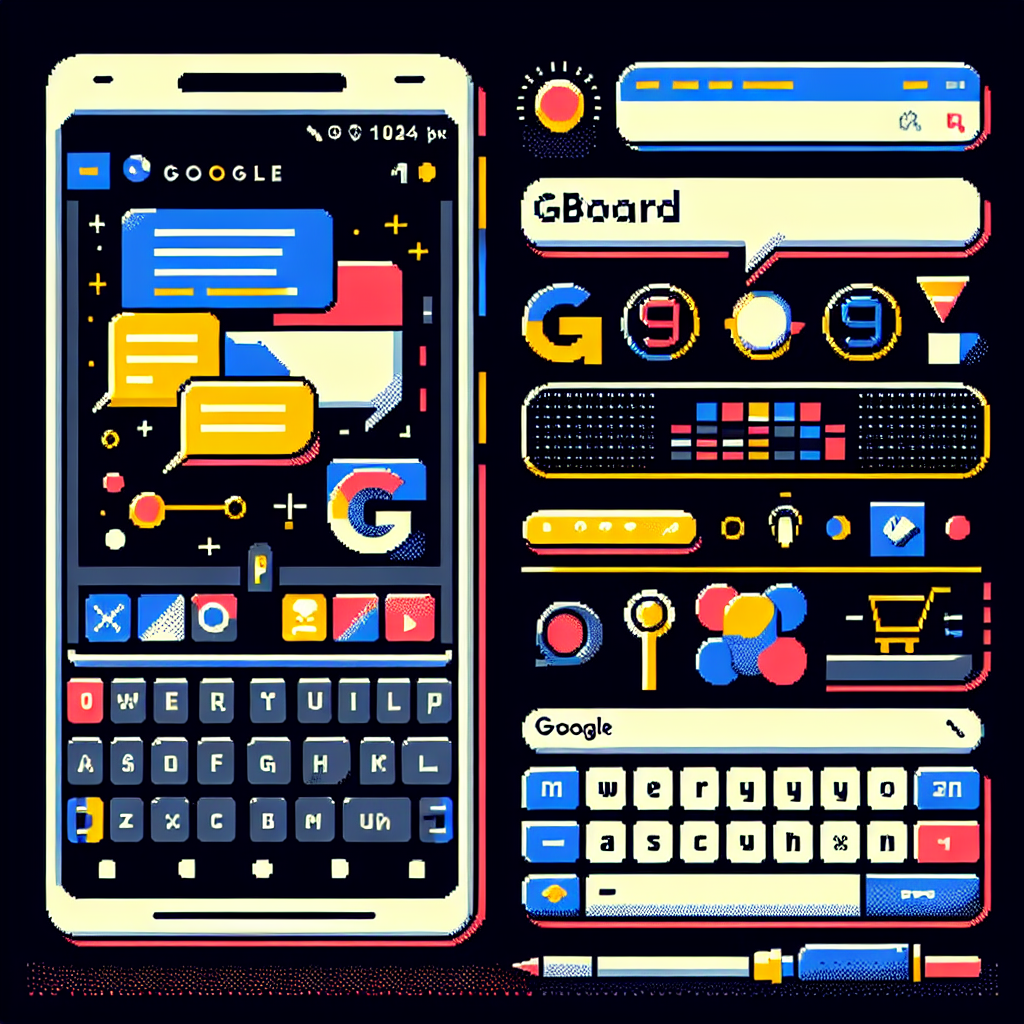
**Gboard's Assistant Voice Typing Toolbar: A New Era for Pixel Phones**

In the ever-evolving landscape of technology, Google consistently impresses us with its intuitive and user-friendly innovations. The latest development in this saga is the rollout of Gboard's Assistant voice typing toolbar to Pixel phones. Originally introduced on the Pixel Tablet last year, this feature is now set to transform the way we interact with our Google devices, elevating voice typing to a whole new level.

### The Evolution of Voice Typing

Voice typing isn't a new concept. It's been around for quite some time, with varying degrees of success and reliability. Remember the days of clunky voice recognition software that struggled to understand even the simplest commands? We've come a long way since then. Google's Assistant voice typing, however, is not just about converting spoken words into text—it's about creating a seamless experience that feels almost magical.

The integration of the Assistant into Gboard for Pixel phones means that users will now have the power of Google's AI at their fingertips—or vocal cords, rather. This isn't just about dictating a quick text message; it's about enhanced productivity, accessibility, and a glimpse into a future where typing may become a thing of the past.

### Why Pixel?

Google's decision to bring this feature to Pixel phones is not surprising. As Google's flagship line of smartphones, Pixels often serve as a testing ground for new features before they are potentially rolled out to other Android devices. The Pixel series has been praised for its clean Android experience, cutting-edge camera technology, and timely updates. Bringing the Assistant voice typing toolbar to Pixel phones first is a testament to Google's commitment to providing its users with the latest and greatest in mobile technology.

### A Global Trend

This move by Google is part of a larger trend in technology towards voice-first interfaces. With the rise of smart speakers like Amazon's Echo and Apple's HomePod, consumers are becoming increasingly comfortable with speaking to their devices. According to a report by Juniper Research, the number of voice assistants in use is expected to reach 8 billion by 2023. This statistic signals a significant shift in how we interact with technology, moving away from traditional tactile interfaces to more natural, voice-based interactions.

### Connecting the Dots

The introduction of Gboard's Assistant voice typing toolbar is not just a standalone update—it's part of Google's broader strategy to enhance its ecosystem of services. For instance, Google's continued investments in AI and machine learning are evident in other products like Google Lens, which allows users to search what they see, and Google Translate, which offers real-time translation capabilities. These innovations, along with the new voice typing feature, demonstrate Google's commitment to creating a more connected and intelligent user experience.

### Final Thoughts

As Google continues to push the boundaries of what's possible with voice technology, we can only imagine what the future holds. The introduction of Gboard's Assistant voice typing toolbar on Pixel phones is a step towards a world where technology is more intuitive and integrated into our daily lives. Whether you're sending a quick text while cooking dinner or crafting an email on the go, this feature is designed to make your life easier.

In a world that's increasingly fast-paced and interconnected, innovations like these remind us of the incredible potential of technology to simplify our lives and enhance our productivity. So, if you're a Pixel user, it's time to harness the power of your voice and explore the limitless possibilities that lie ahead. And for those still typing away on their screens, perhaps it's time to give your fingers a rest and let your voice do the talking.

Read more about AI in Business

Read more about Latest Sports Trends

Read more about Technology Innovations