FRONTIER, AMERICA’S LOW FARE AIRLINE, COMMITS TO BEING THE #1 LOW FARE CARRIER IN THE TOP 20 U.S. METROS – Frontier Airlines | Analysis by Brian Moineau

FRONTIER, AMERICA’S LOW FARE AIRLINE, COMMITS TO BEING THE #1 LOW FARE CARRIER IN THE TOP 20 U.S. METROS – Frontier Airlines | Analysis by Brian Moineau

Flying High on a Budget: Frontier Airlines’ Ambitious Plan to Conquer the Skies

In a world where frugality often feels like a forgotten virtue, Frontier Airlines is stepping up to remind us that affordable travel is not just a dream but a mission. Announced on August 26, 2025, Frontier Airlines, trading under Nasdaq: ULCC, has set its sights on becoming the number one low-fare carrier in the top 20 U.S. metro areas. With an audacious plan to add 20 new routes, Frontier is not only expanding its wings but also pledging to keep our wallets from feeling too light.

The Frontier Spirit: Low Fares, High Hopes

Frontier Airlines, headquartered in Denver, Colorado, has long been known as the go-to airline for budget-conscious travelers. But what does it mean to commit to being the top low-fare carrier in the biggest metro areas across the United States? Essentially, it’s a promise to provide accessible air travel without compromising on the essentials. The airline plans to achieve this by slashing unnecessary frills and focusing on what truly matters to travelers: getting from point A to point B safely and affordably.

The move comes at a time when the aviation industry is bouncing back from the depths of the COVID-19 pandemic. With more people eager to travel, airlines like Frontier are capitalizing on pent-up demand and a renewed enthusiasm for exploration. According to the International Air Transport Association (IATA), global air travel is expected to fully recover to pre-pandemic levels by 2024, making Frontier’s timing both strategic and opportune.

A Competitive Sky

The race to dominate the low-fare market is nothing short of fierce. With competitors like Spirit Airlines and Southwest Airlines also vying for budget travelers, Frontier’s strategy will need to be as nimble as it is bold. In fact, the recent merger between Spirit and JetBlue has made headlines, shaking up the low-cost carrier landscape and pushing Frontier to up its game.

But Frontier seems ready for the challenge. The airline’s CEO, Barry Biffle, has been vocal about the importance of maintaining low costs while expanding the network. This approach not only attracts cost-conscious flyers but also builds loyalty in a market where price often trumps brand allegiance.

Global Connections

Frontier’s expansion is part of a larger trend of democratizing air travel across the world. In Europe, for instance, Ryanair and EasyJet have successfully made air travel accessible to millions by perfecting the low-cost model. Meanwhile, in Asia, airlines like AirAsia have revolutionized the way people think about flying on a budget. Frontier’s commitment to affordability aligns with this global shift, emphasizing that air travel should not be a luxury, but a possibility for all.

Final Thoughts: The Sky’s the Limit

Frontier Airlines’ bold commitment to being the top low-fare carrier in the top 20 U.S. metros is more than just a business move—it’s a declaration of intent to make travel accessible to everyone. In a world that often feels divided, the ability to explore new places and connect with others is invaluable. Whether you’re a seasoned traveler or someone just dipping their toes into the world of air travel, Frontier is making sure the sky truly is the limit, without breaking the bank.

So, next time you’re planning a getaway, consider the little airline that could. Who knows? With Frontier’s expanding reach, your dream destination might just be a ticket away—at a price that leaves room in your budget for a few extra souvenirs. Safe travels!

Read more about AI in Business

Read more about Latest Sports Trends

Read more about Technology Innovations


Related update: We recently published an article that expands on this topic: read the latest post.
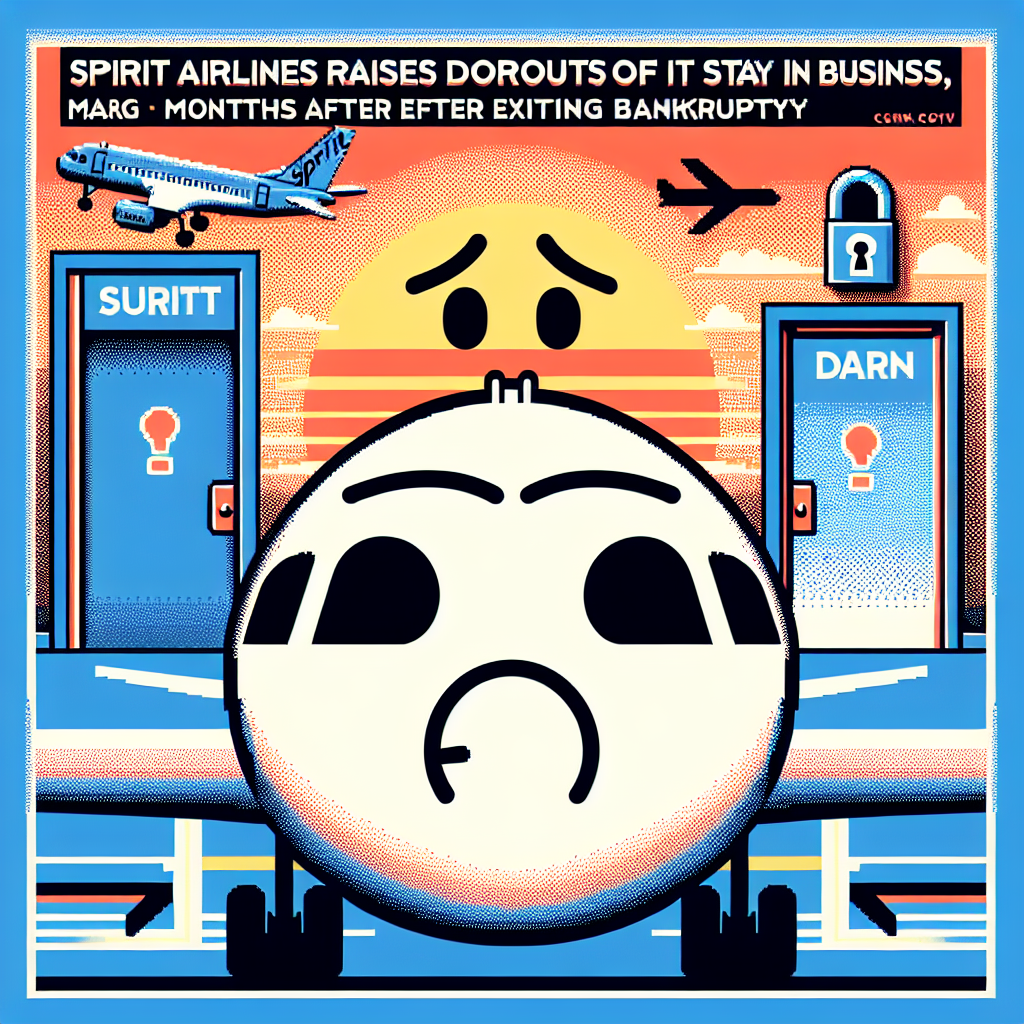
Spirit Airlines raises doubts about its ability to stay in business, months after exiting bankruptcy – CNN | Analysis by Brian Moineau

Spirit Airlines raises doubts about its ability to stay in business, months after exiting bankruptcy - CNN | Analysis by Brian Moineau

Navigating Turbulence: The Bumpy Flight of Spirit Airlines

In the often unpredictable world of aviation, Spirit Airlines finds itself in a precarious situation, echoing the turbulence faced by airlines worldwide. Just months after emerging from the shadow of bankruptcy, Spirit is once again grappling with significant financial challenges, raising doubts about its ability to continue flying high. The airline's recent warning about "going-concern" uncertainties highlights a rough patch amid weak domestic demand and dwindling cash reserves. Let's delve into the current state of Spirit Airlines and draw some parallels to broader industry trends and global happenings.

The Spirit of Resilience

Emerging from bankruptcy is akin to a phoenix rising from the ashes. For Spirit Airlines, this rebirth was supposed to be a new chapter of stability and growth. Yet, the current economic climate has thrown a wrench into those plans. With domestic travel demand not rebounding as expected and operational costs soaring, Spirit is feeling the squeeze. It's a reminder of the aviation industry's vulnerability to external shocks, from economic downturns to fluctuating oil prices and shifting consumer preferences.

Connecting the Dots: Global Aviation Challenges

Spirit's struggles are not happening in isolation. The global aviation industry is navigating a perfect storm of challenges. The COVID-19 pandemic was a seismic event that grounded fleets worldwide, and even as travel restrictions ease, the recovery has been uneven. Airlines are grappling with pilot shortages, increased fuel prices, and changing consumer behaviors. The rise of remote work has altered business travel dynamics, while leisure travel, though recovering, is subject to economic uncertainties.

For instance, British Airways recently faced a summer of discontent with IT failures and staffing shortages disrupting operations. Similarly, American Airlines has been under the microscope for its operational hiccups and customer service woes. These issues underscore the broader industry trend: airlines are in a race to adapt to a new normal, balancing cost-cutting measures with the need to invest in infrastructure and technology.

Spirit in the Context of Competition

Spirit Airlines has long been known for its ultra-low-cost business model, appealing to budget-conscious travelers with no-frills service. However, the very model that attracted passengers in a pre-pandemic world now faces scrutiny. As travelers increasingly demand flexibility and enhanced safety measures, Spirit must evolve to stay competitive. The airline's struggles offer a microcosm of the broader challenge faced by low-cost carriers in a post-pandemic world.

Competitors like Southwest Airlines and JetBlue have also faced their share of challenges but have leveraged customer loyalty and strategic partnerships to maintain stability. JetBlue's recent acquisition of Spirit, which has been a topic of much industry chatter, could be a lifeline for Spirit, offering synergies and expanded market reach.

Lessons from Other Industries

Spirit's financial turbulence is not unique to aviation. The retail industry, for example, has seen giants like JCPenney and Neiman Marcus navigate bankruptcy proceedings, only to emerge and face fresh challenges in a transformed market landscape. The key takeaway? Adaptability and innovation are crucial for survival. Whether it's airlines or retail, businesses must remain agile, embracing digital transformation and understanding shifting consumer expectations.

Final Thoughts

Spirit Airlines' journey is emblematic of the broader challenges facing industries worldwide. As the airline navigates this period of uncertainty, its fate will depend on strategic decisions and adaptability to changing market conditions. Amidst the turbulence, there's an opportunity for Spirit—and indeed the entire aviation industry—to innovate and emerge stronger. As travelers, we can only hope that Spirit, and other airlines, find a way to soar above the challenges, delivering the connectivity and experiences we crave in this interconnected world. Safe travels, Spirit. May you find smoother skies ahead.

Read more about AI in Business

Read more about Latest Sports Trends

Read more about Technology Innovations