Should you buy the iPhone 16 or wait for the iPhone 17? Here’s the advice I gave my own dad – Tom’s Guide | Analysis by Brian Moineau

Should you buy the iPhone 16 or wait for the iPhone 17? Here’s the advice I gave my own dad - Tom's Guide | Analysis by Brian Moineau

Should You Buy the iPhone 16 or Wait for the iPhone 17? Tech Advice for Dads and Non-Dads Alike

In the ever-evolving world of technology, few things cause as much anticipation and speculation as the release of a new iPhone. As someone who’s eternally fascinated by the intersection of tech and human behavior, I found Tom's Guide’s article titled "Should you buy the iPhone 16 or wait for the iPhone 17? Here’s the advice I gave my own dad" both practical and endearing. It’s not just a buying guide; it’s a glimpse into the universal phenomena of decision-making in the age of rapid technological advancement.

The Heart of the Matter: To Buy or Not to Buy

Ah, the classic dilemma: upgrading now or holding out for the next best thing. It's a question that plagues tech enthusiasts and casual users alike. The article offers thoughtful advice, suggesting that the decision ultimately depends on your current needs and the features you value most. If you’re still rocking an iPhone 14 or 15, and they suit your needs just fine, maybe you can sit this one out. But if your device feels more like a relic than a tool, the iPhone 16 might just be the upgrade you need.

The discussion is reminiscent of other fields where timing and patience are key. Take, for instance, the stock market or even sports. Just like in investing, where market timing is crucial, or in sports, where a coach might decide whether to play a seasoned player or wait for an up-and-coming rookie to develop, timing your tech upgrades can significantly impact your user experience.

The Dad Connection

The article's charm lies in its personal twist—offering advice to the writer's father. This familial angle adds a layer of warmth and relatability. It’s a reminder that technology isn't just about circuits and screens; it’s about how these tools enhance our lives and relationships. Whether you're advising a parent or a friend, the decision to upgrade is more than just technical—it’s personal.

Parallels in the Broader World

This decision-making process is not just isolated to the tech world. It mirrors choices we make in various aspects of life. For instance, the automotive industry is seeing similar debates with electric vehicles. Should you buy the latest Tesla now, or wait for the next model with better battery life and features? Similarly, in the entertainment sector, fans often debate whether to watch a season finale now or wait for the entire series to binge-watch later.

Final Thoughts

In the grand scheme of things, whether you choose to buy the iPhone 16 or wait for the iPhone 17, the decision should align with your lifestyle and needs. The tech world will always be in flux, with innovations just around the corner. And while it's easy to get caught up in the cycle of wanting the latest and greatest, it's important to remember the human element in these decisions.

In conclusion, whether you’re a dad, a non-dad, or someone in between, the decision to upgrade your iPhone should be guided by a balance of practicality, personal needs, and, dare I say, a touch of patience. After all, in a world that's constantly pushing us forward, sometimes the best move is to pause, reflect, and make a choice that truly fits your life. Happy decision-making!

Read more about AI in Business
Read more about Latest Sports Trends

Read more about Technology Innovations

Penn State star Carter Starocci rips decision to put 184-pound final first, talks historic fifth NCAA title – On3.com | Analysis by Brian Moineau

Penn State star Carter Starocci rips decision to put 184-pound final first, talks historic fifth NCAA title - On3.com | Analysis by Brian Moineau

Title: A Champion's Timing: Carter Starocci's Historic Win and the Value of Prime Time

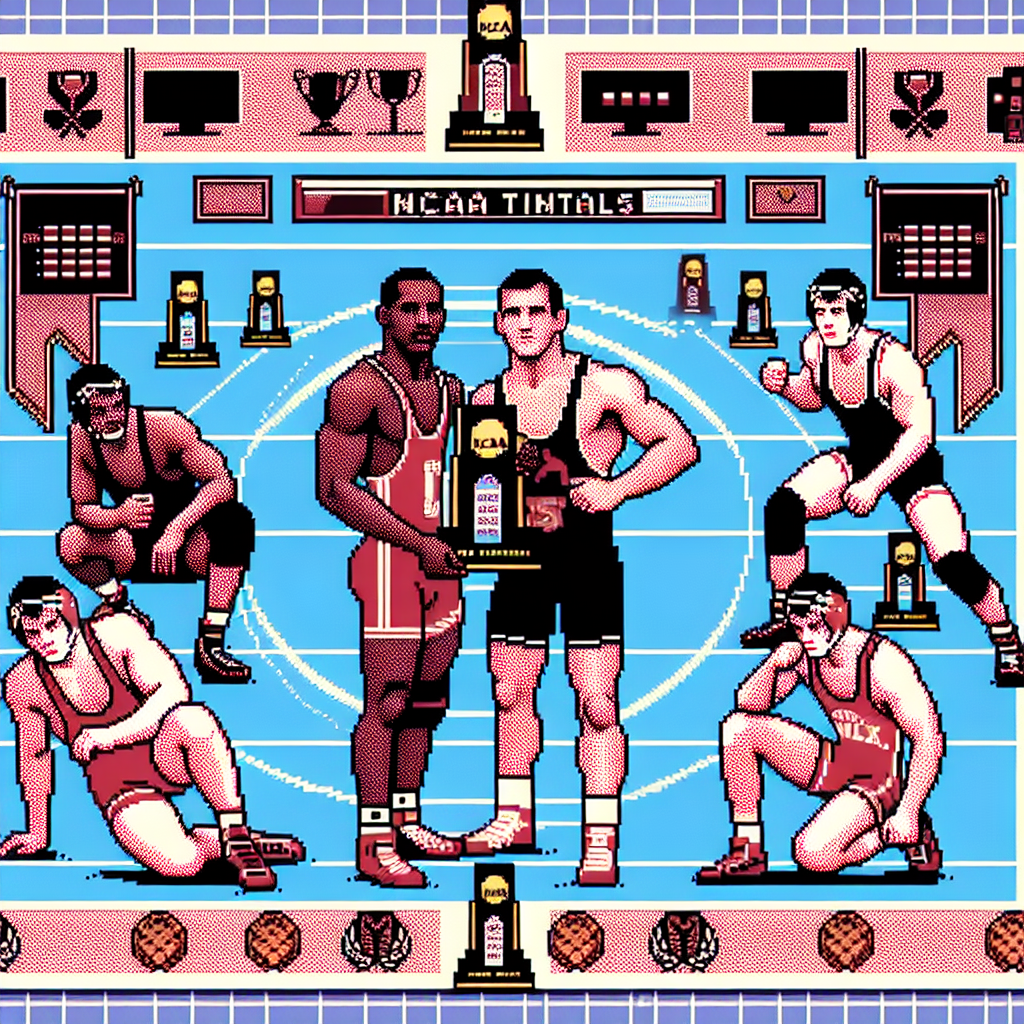
In the world of sports, timing is everything. Whether it's the swish of a basketball at the buzzer, a last-second goal in soccer, or the perfectly timed takedown in wrestling, athletes and fans alike know that when things happen can be just as important as how they happen. This concept was brought into sharp focus recently when Penn State's wrestling sensation, Carter Starocci, made headlines not just for his record-setting fifth NCAA title, but for his candid comments on the timing of his championship match.

Starocci, a name now etched in collegiate wrestling history, expressed his discontent with the scheduling of the 184-pound final. In a surprising move, his match was placed at the start of the event rather than in its traditional prime-time slot. For someone like Starocci, whose journey has been marked by dedication, skill, and an undeniable flair for the dramatic, the timing of his match seemed like a missed opportunity for both him and the fans.

Imagine tuning into the Oscars, only to find out that the Best Picture award was handed out at the beginning of the night. The build-up, the anticipation, the crescendo of excitement — all lost. This, in essence, was Starocci's sentiment. The pinnacle of NCAA wrestling, the moment the crowd awaits with bated breath, was given top billing in a less-than-ideal slot.

Carter Starocci is no stranger to the spotlight. Since his debut, he has captured the attention of the wrestling community with his remarkable talent and tenacity. His journey is reminiscent of other sports icons who have transcended their disciplines to become ambassadors for their sports. Think of Serena Williams in tennis or Michael Jordan in basketball; athletes who brought their A-game not just in skill but in showmanship, understanding that part of their role was to elevate the sport itself.

The decision to schedule the final early might seem trivial to some, but it's a reminder of how sports, much like theater, thrives on narrative and spectacle. Starocci's fifth title was a momentous achievement, a testament to his hard work, and a highlight of his career that deserved the full attention of a prime-time audience.

This isn't the first time that scheduling has sparked debate in the sports world. Fans of international soccer often grapple with time zone challenges, and the recent Tokyo Olympics saw athletes competing at odd hours to accommodate global broadcasts. These decisions, while sometimes necessary, often lead to discussions about the balance between viewership, athlete performance, and event prestige.

As we reflect on Starocci's incredible accomplishment, it's worth celebrating not just his victory but also his willingness to speak out on behalf of his sport. In doing so, he joins a chorus of athletes who are advocating for the integrity and presentation of their events, ensuring that their moments of glory are shared with the world in the way they deserve.

In the end, Carter Starocci's fifth NCAA title wasn't just another win; it was a milestone in a stellar career that continues to inspire. While the timing of his match might not have been ideal, the significance of his achievement remains undiminished. As fans, we can only hope that future scheduling decisions will honor the athletes who give everything for their sport, allowing them to shine when the world is truly watching.

Final Thought:
In sports, as in life, timing is key. As Carter Starocci continues to build his legacy, perhaps his candid critique will spur a broader conversation about how we celebrate our champions and the moments that define them. In doing so, we ensure that future stars have their rightful place in the spotlight, inspiring the next generation of athletes to aim for greatness, no matter when or where their journey takes them.

Read more about AI in Business

Read more about Latest Sports Trends

Read more about Technology Innovations