Taiwan Raid on Intel Exec Stokes Chip | Analysis by Brian Moineau

A high-stakes hire, seized laptops, and the geopolitics of chips

An image of a pair of agents quietly removing computers from an executive’s home feels like a spy novel — until you remember this is about the tiny transistors that run the modern world. In late November 2025, Taiwan prosecutors executed search warrants at the homes of Wei-Jen Lo, a recently rehired Intel executive and former long-time TSMC senior vice president. Investigators seized computers, USB drives and other materials as part of a probe launched after TSMC sued Lo, alleging possible transfer or misuse of trade secrets. (investing.com)

Why this feels bigger than a garden‑variety employment dispute

  • TSMC (Taiwan Semiconductor Manufacturing Company) isn’t just any supplier — it’s the world’s dominant advanced contract chipmaker, steward of production know‑how for the most cutting-edge process nodes. The executive at the center of the case played senior roles in scaling multiple advanced nodes, which is why TSMC framed the move as a major risk to trade secrets. (reuters.com)
  • Taiwan’s prosecutors have flagged potential violations under not just trade‑secret laws but also the National Security Act, signaling this could be treated as more than a commercial case and touching state-level technology protections. (taipeitimes.com)
  • Intel has publicly defended the hire and denied any evidence of wrongdoing while asserting it enforces strict policies to prevent misuse of third‑party IP. The firm also emphasized the return of seasoned talent as part of its engineering push. (reuters.com)

These elements turn a personnel dispute into a flashpoint where corporate law, national security, and the shifting geopolitics of supply chains intersect.

The context you need to know

  • Talent moves are a normal — even healthy — part of technology ecosystems. Senior engineers and managers often switch firms, carrying experience and institutional knowledge. But when that knowledge concerns microfabrication techniques that took billions of dollars and decades to perfect, the stakes rise. (reuters.com)
  • Taiwan treats certain semiconductor capabilities as strategic. Protecting advanced-node process knowledge is bound up with national economic and security interests; authorities have tools to investigate and seize assets when those boundaries are thought to be crossed. (taipeitimes.com)
  • The global chip race is intensifying: the U.S. has moved to underwrite domestic foundry capacity, and Intel — under new leadership and with renewed government attention — is positioning itself to scale foundry operations at home. That broader backdrop makes any transfer of advanced manufacturing know‑how politically sensitive. (washingtonpost.com)

What this could mean geopolitically and for investors

  • If authorities determine that trade secrets were transferred or that export of certain technologies violated Taiwanese rules, the case could result in injunctions, asset seizures, or stricter controls on how Taiwanese talent and know‑how are allowed to work abroad. That would ripple through global supply chains. (investing.com)
  • There’s also an awkward overlay in the United States. In 2025 the U.S. federal government became a major financial backer of Intel through CHIPS‑related investments and — as reported in public coverage — acquired a significant equity stake. That makes any legal controversy involving Intel and Taiwanese technology suppliers more politically visible, and could complicate diplomatic and commercial channels if the dispute escalates. (cnbc.com)
  • For investors, the short‑term impacts might show up as volatility in chip‑sector stocks and concerns about supply continuity. For customers and partners, the case raises questions about the permissible flow of people and IP across borders in a time of strategic decoupling.

What to watch next

  • Court filings and prosecutorial statements in Taiwan for specifics on the allegations (what secrets are at issue, whether intent or actual transfer is alleged). (reuters.com)
  • Official actions beyond evidence seizures: will Taiwan restrict certain talent movements or add licensing requirements for technologies considered “core” under the National Security Act? (taipeitimes.com)
  • Intel’s and TSMC’s legal filings and public statements for how aggressively each side pursues remedies and defenses; and any U.S. government commentary given the country’s financial ties to Intel. (reuters.com)

A few practical implications

  • For the semiconductor industry: expect heightened diligence in hiring senior process engineers who worked at advanced‑node fabs, and more emphasis on contractual protections and compliance checks.
  • For governments: a reminder that industrial policy, national security, and human capital policy are converging — and that managing that intersection will require clearer frameworks around mobility and IP protection.
  • For engineers and executives: the case underscores the need to document provenance of work, abide by contractual obligations, and get counsel when moving between firms with overlapping technical footprints.

My take

This episode is a warning the industry has been circling for years: in a world where leading-edge chipmaking is both commercially vital and geopolitically sensitive, the movement of people can’t be seen as merely HR. It’s also a test of institutions — courts, regulators, and corporate compliance regimes — to respond without chilling beneficial knowledge exchange. The right balance would protect legitimate trade secrets and national interests while preserving the healthy flow of talent that drives innovation.

Whether this particular matter becomes a landmark legal precedent or a quickly resolved corporate spat depends on the facts investigators unearth and the legal theories pursued. Either way, it’s another illustration of how microelectronics — measured in nanometers — now shapes macro policy.

Points to keep in mind

  • At this stage the seizure of devices and the lawsuit are part of an investigation; criminal charges were not immediately filed when news broke. (investing.com)
  • The broader story sits at the intersection of corporate IP law, national security frameworks in Taiwan, and the geopolitics of semiconductor industrial policy — especially given the U.S. government’s elevated financial role with Intel. (washingtonpost.com)

Sources


Related update: We recently published an article that expands on this topic: read the latest post.
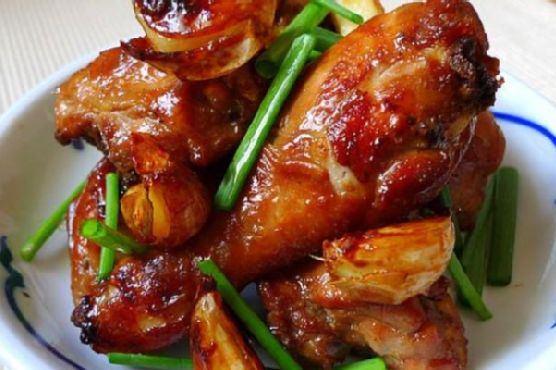
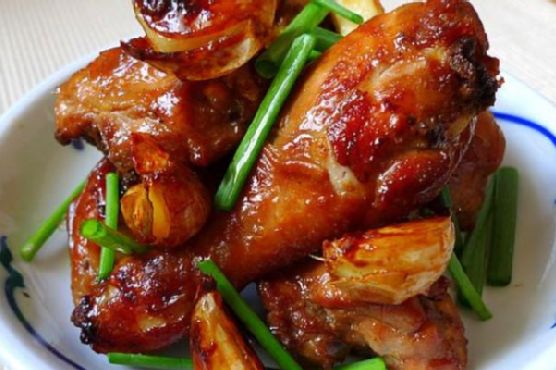
Three-Cup Chicken | Made by Meaghan Moineau

Three-Cup Chicken: A Flavorful Taiwanese Classic

Intro

Ah, Three-Cup Chicken, a dish that always takes me back to my grandmother’s bustling kitchen. The aroma of aromatic garlic and ginger sizzling in sesame oil wafting through the air, the clamor of family members eagerly awaiting a meal, and the comforting warmth of a home-cooked feast. I remember watching her with wide eyes, captivated by the magic she created with just a handful of ingredients. This dish is more than just a meal; it’s a cherished family tradition passed down through generations, bringing with it a sense of nostalgia and love.

Why You’ll Love It

Three-Cup Chicken is the epitome of simplicity and flavor. With its roots in Taiwanese cuisine, this dish is named after its three main ingredients: soy sauce, sesame oil, and rice wine. It’s a dish that balances savory, sweet, and aromatic flavors perfectly. Whether you’re a seasoned cook or a beginner, you’ll appreciate how easy it is to prepare, yet how impressively delicious and aromatic it turns out. The caramelized chicken, infused with the bold flavors of garlic and ginger, will make your taste buds dance with joy.

Ingredients

  • 1 whole chicken, cut into pieces
  • 1 bulb of garlic, cloves peeled
  • Old ginger, sliced
  • 1 cup of rice wine
  • 1 cup of sesame oil
  • 1 cup of soy sauce
  • Spring onions, chopped
  • 2 tablespoons of sugar
  • A handful of fresh basil leaves

Instructions

  1. Marinate the chicken pieces with the soy sauce, sesame oil, and rice wine. Allow it to marinate for at least 6 hours, although overnight is best for maximum flavor.
  2. Before cooking, take the chicken out of the refrigerator to bring it to room temperature.
  3. Heat up some sesame oil in a wok or claypot until it is sizzling hot.
  4. Add the garlic, ginger, and spring onions to the wok. Fry briefly until they become fragrant.
  5. Add the marinated chicken to the wok and sear it until it is browned on all sides.
  6. Keep stir-frying and then pour in the marinade liquid along with the sugar.
  7. Continue to cook on medium heat until the mixture comes to a rolling boil.
  8. Cover the wok or claypot and let it simmer over a low flame until all the liquid has evaporated and the chicken is on the cusp of burning.
  9. Ensure that there is hardly any gravy left and that the chicken is caramelized (slightly charred in parts).
  10. Garnish with fresh basil leaves before serving.

Tips

To ensure the best taste, always use fresh ingredients. The quality of your soy sauce, sesame oil, and rice wine will greatly influence the flavor of the dish. Don’t rush the marinating process; it’s key to achieving a deep, rich flavor. Finally, keep a close eye towards the end of cooking, as the chicken can quickly go from caramelized to burnt.

Variations & Substitutions

While the traditional recipe calls for a whole chicken, you can use chicken thighs or drumsticks if you prefer. If you’re looking for a non-alcoholic version, substitute the rice wine with chicken broth. For a spicier kick, add some red chili peppers during the stir-frying step. Vegetarians can substitute tofu or eggplant for chicken, though the cooking time will need to be adjusted.

Storage

Three-Cup Chicken can be stored in an airtight container in the refrigerator for up to three days. To reheat, simply place it in a pan over low heat until warmed through. Avoid using the microwave, as it can alter the texture of the chicken.

FAQ

Can I make Three-Cup Chicken in advance?

Absolutely! This dish can be prepared a day ahead. In fact, the flavors develop even further when left to sit overnight. Simply reheat before serving.

What should I serve with Three-Cup Chicken?

Three-Cup Chicken pairs wonderfully with steamed jasmine rice or a side of sautéed greens. The rice will soak up the flavorful juices, making every bite irresistible.

Is this dish gluten-free?

To make Three-Cup Chicken gluten-free, use a gluten-free soy sauce. Always check the labels of your ingredients to ensure they meet your dietary needs.

Nutrition

While exact nutritional values can vary based on specific ingredients and quantities, Three-Cup Chicken is generally high in protein and rich in flavors thanks to the sesame oil and soy sauce. It’s a dish best enjoyed in moderation, particularly if you’re watching your sodium intake.

Conclusion

Three-Cup Chicken is a dish that not only delights the palate but also brings with it a sense of tradition and warmth. It’s perfect for family dinners, gatherings with friends, or even a quiet night at home. I hope this recipe brings as much joy to your table as it has to mine. Happy cooking!

Related update: Three-Cup Chicken

Related update: Kunna (A Delicious Chinioti Dish, Punjab, Pakistan)

Three-Cup Chicken | Made by Meaghan Moineau

Three-Cup Chicken | Made by Meaghan Moineau

Title: Unveiling the Soul of Taiwanese Cuisine: The Irresistible Allure of Three-Cup Chicken
Description: Discover the rich flavors and heartwarming stories behind Three-Cup Chicken, a classic Taiwanese main dish. With its aromatic blend of basil, garlic, and ginger, this recipe invites you on a journey to savor the essence of tradition and family memories. Rated 6/10 in difficulty, Three-Cup Chicken is an adventure for your culinary skills and your taste buds.

---


In the world of Taiwanese cuisine, few dishes capture the heart and soul of tradition quite like Three-Cup Chicken. This vibrant main dish, renowned for its aromatic blend of basil, bulb garlic, and old ginger, is more than just a culinary delight—it's a journey into the depths of family warmth and cherished memories.


A Taste of Tradition: The Recipe


To create this flavorful masterpiece, you will need the following ingredients: fresh basil, bulb garlic, slices of old ginger, a generous splash of rice wine, the nutty essence of sesame oil, a rich soy sauce, crisp spring onions, a hint of sugar, and, of course, a whole chicken.


Begin by marinating the chicken with soy sauce, sesame oil, and rice wine. Allow these flavors to mingle for at least six hours, though letting them meld overnight is best. Once the marination is complete, let the chicken come to room temperature.


Next, heat some sesame oil in a wok or claypot until it's sizzling hot. Introduce the garlic, ginger, and spring onions, frying them briefly until their fragrance fills the air. Add the chicken, searing it to seal in the flavors. Keep stir-frying as you pour in the marinade liquid and a sprinkle of sugar.


Once you achieve a rolling boil, cover the wok or claypot, letting it simmer gently over a small flame. Allow the liquid to evaporate completely, leaving the chicken caramelized, with just the right touch of char. The result should be a sizzling dish, ready to be served with pride.


A Nostalgic Journey: Family Memories


The aroma of Three-Cup Chicken always takes me back to my grandmother's cozy kitchen, where every meal was a labor of love. As a child, I would watch in awe as she expertly prepared this dish, each step a testament to her culinary prowess. The kitchen would fill with the comforting scents of garlic and ginger, enveloping us in a warm embrace that only home-cooked meals can provide.


I remember one particular family gathering when my grandmother, with her usual flair, prepared Three-Cup Chicken for a Sunday dinner. As we sat around the table, the chicken, glistening with its caramelized glaze, was the star of the meal. Each bite was a burst of flavor, a perfect harmony of sweet, salty, and aromatic notes. As we shared stories and laughter, I realized that this dish was more than just food; it was a bridge connecting generations, a reminder of our shared heritage and love.


Culinary Adventure: Difficulty and Classification


Rated at a moderate 6/10 on the difficulty scale, Three-Cup Chicken offers a manageable challenge for home cooks eager to explore Taiwanese cuisine. Its rich, complex flavors make it a proud addition to any table as a main dish.


In Conclusion


Three-Cup Chicken is not merely a recipe; it's an invitation to partake in a culinary tradition steeped in history and family bonds. Whether you're a seasoned chef or an enthusiastic home cook, this dish promises a rewarding experience, both in its preparation and in the joy it brings to those who gather to share it. Dive into the world of Taiwanese flavors and let Three-Cup Chicken be your guide on this delicious journey.

Read more about Appetizers

Read more about Main Dishes

Read more about Desserts