South Koreas Bold Move in Shipbuilding | Analysis by Brian Moineau

South Korea’s Shipbuilding Surge: A Strategic Move in U.S.-Korea Relations

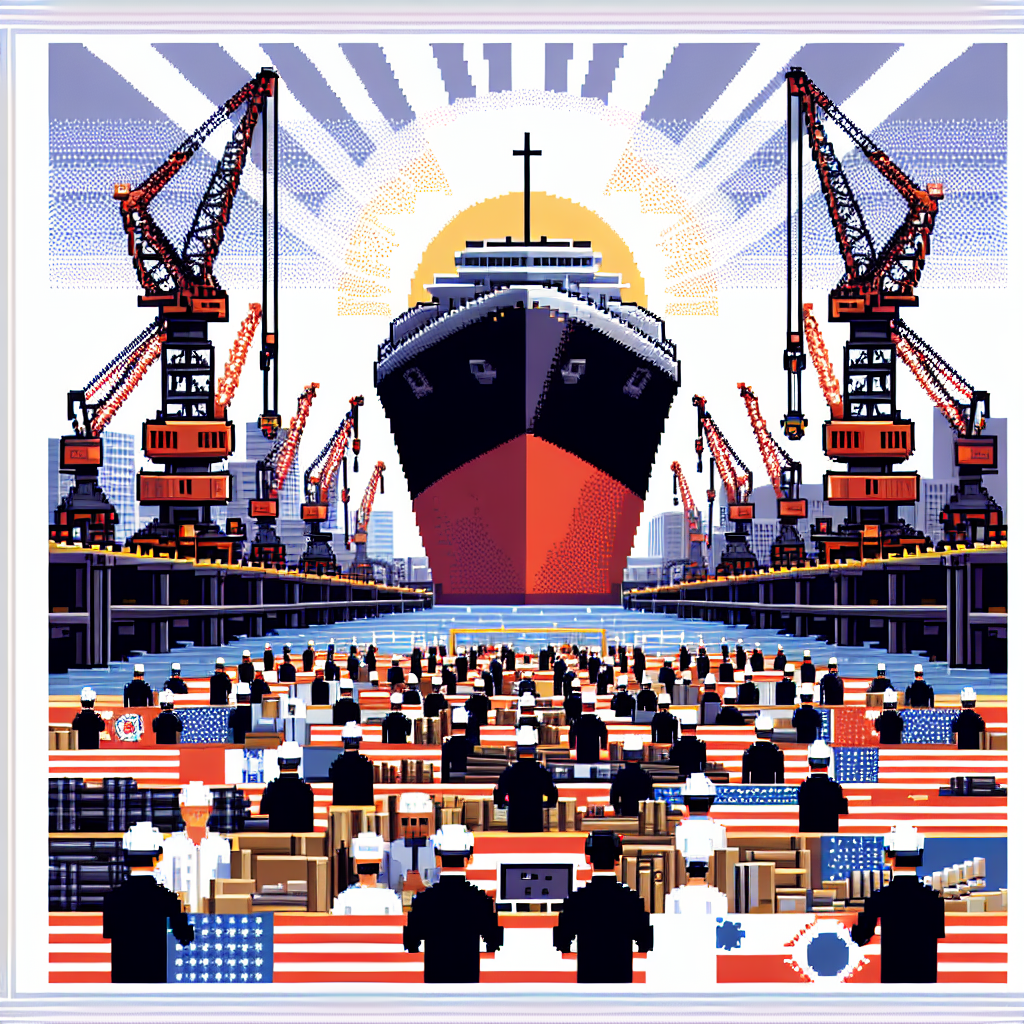
Have you ever thought about the ships that carry goods across oceans, or the vessels that protect our shores? Shipbuilding is more than just a niche industry; it’s an integral part of national security and economic power. As the global stage shifts, South Korea is stepping up its shipbuilding game, creating ripples in the delicate balance of U.S.-Korea relations. In a move that may resonate with the “Make America Great Again” mantra, a South Korean shipbuilding conglomerate is positioning itself as a key player in President Donald Trump’s ambitious plan to revitalize America’s maritime fleet.

The Context: A New Era in Shipbuilding

Historically, the U.S. has maintained a robust shipbuilding industry, crucial for both military and commercial purposes. However, over the decades, this sector has faced significant challenges, including increased competition from abroad, budget constraints, and shifting priorities. Enter South Korea, a nation known for its advanced shipbuilding capabilities, which has seen a resurgence in its maritime industry thanks to innovative technology and strategic investments.

As President Trump sought to enhance American military strength and reduce dependency on foreign vessels, he initiated talks that sought to boost the domestic shipbuilding industry. This is where the South Korean conglomerate steps in, not just as a competitor but as a potential ally in a broader strategy to modernize and expand the U.S. fleet.

The growing partnership has implications beyond mere economics; it touches on themes of national security, trade, and geopolitical alliances. With North Korea’s ongoing provocations and China’s assertive maritime expansion, a strong U.S. fleet is crucial—not just for America, but for its allies in the region.

Key Takeaways

Strategic Collaboration: South Korea’s shipbuilding conglomerate is aligning its goals with U.S. interests, potentially enhancing military and commercial maritime capabilities.

Economic Impact: The partnership could lead to job creation in both countries, revitalizing the U.S. shipbuilding industry while bolstering South Korea’s maritime economy.

Geopolitical Significance: Strengthening ties between the U.S. and South Korea in shipbuilding could serve as a counterbalance to regional threats, particularly from North Korea and China.

Technological Advancements: South Korean firms bring cutting-edge technology and innovative designs, which could be integral to modernizing the aging U.S. fleet.

Trade Dynamics: This partnership highlights the importance of trade negotiations that could redefine the U.S.-Korea alliance, emphasizing mutual benefits over competition.

Reflecting on the Future

As the world watches this unfolding narrative, it’s clear that the dynamics of shipbuilding are not just about steel and water; they are about power, partnerships, and the very future of international relations. The collaboration between South Korea and the U.S. in shipbuilding can serve as a model for how industries can evolve in the face of shifting geopolitical landscapes. It’s a reminder that sometimes, innovation and cooperation can steer nations toward a brighter horizon.

In the end, whether you’re a maritime enthusiast or just a casual observer, it’s fascinating to see how these alliances can reshape not just industries, but the very fabric of global relations.

Sources

– “Make American Shipbuilding Great Again”: Korea leans into shipbuilding as it woos Trump – Politico. [Politico](https://www.politico.com)

By examining these developments, we can better understand the intricate dance of diplomacy and commerce at play—and what it means for the future of global trade and security.


Related update: We recently published an article that expands on this topic: read the latest post.
Global bank chiefs hold talks over Trump tariffs crisis – Sky News | Analysis by Brian Moineau

Global bank chiefs hold talks over Trump tariffs crisis - Sky News | Analysis by Brian Moineau

Global Bank Chiefs and the Trump Tariffs Tango: A Lighthearted Look at a Serious Situation

In a world where economic strategies often feel like a high-stakes poker game, the recent move by global bank chiefs to convene talks over the Trump tariffs crisis is akin to the players gathering in a huddle to reassess their game plan. As reported by Sky News, these financial powerhouses are seeking to navigate the turbulent waters stirred by the tariffs imposed during the Trump administration. But let's take a step back and add a sprinkle of levity to this heavy topic, shall we?

Picture this: A room filled with some of the world's most influential banking figures, all exchanging glances and furrowing brows as they discuss the implications of tariffs that have sent ripples through global markets. It's almost like the financial version of an Avengers movie, where each character brings their unique abilities and insights to save the day—or at least the economy.

The tariffs in question, introduced by former President Donald Trump, were initially aimed at protecting American industries by imposing taxes on imports. The rationale? To level the playing field for U.S. manufacturers. However, these tariffs have had far-reaching consequences, influencing global trade dynamics and prompting reactions from countries around the world. It’s almost like a game of international chess, where each move is carefully calculated and can lead to unexpected outcomes.

For instance, the European Union, China, and other trading partners have responded with their own tariffs, creating a complex web of economic tit-for-tat. This has not only affected industries but also raised concerns among global banks about the potential impact on international markets and economic stability. And here we are, witnessing a gathering of financial leaders trying to unravel this intricate tapestry.

Beyond the world of economics, the tariffs have sparked discussions reminiscent of the ongoing debate over globalization. Much like the climate change dialogues or the tech giants' data privacy controversies, tariffs touch on a larger narrative about national interests versus global cooperation. It's a reminder of how interconnected our world has become and how decisions in one part of the globe can resonate worldwide.

It's worth noting that Donald Trump, the man behind the tariff curtain, is no stranger to controversy. Whether you view him as a savvy businessman or a polarizing figure, his policies have undeniably shaped global discourse. Love him or loathe him, Trump has a knack for making headlines and keeping the world on its toes.

In a similar vein, the recent surge in popularity of electric vehicles (EVs) offers a parallel to the tariff situation. Just as Tesla and other EV manufacturers are redefining the automotive industry landscape, global banks are trying to redefine their strategies amidst the shifting sands of international trade policies. Both scenarios highlight the importance of adaptability and forward-thinking in an ever-changing world.

So, what's the takeaway from this financial tête-à-tête? Well, while the outcome of these talks remains to be seen, one thing is clear: In the grand theater of global economics, the players are constantly evolving, adapting, and strategizing to stay ahead. As spectators, all we can do is watch, speculate, and perhaps enjoy a popcorn or two as the drama unfolds.

In conclusion, while the topic of tariffs and global banking might sound daunting, it's a testament to the intricate dance of diplomacy and strategy that defines our modern world. And who knows, maybe one day this will make for a riveting plot in a blockbuster film. Until then, we’ll keep our eyes peeled, our minds open, and perhaps our wallets safe—just in case.

Read more about AI in Business

Read more about Latest Sports Trends

Read more about Technology Innovations