
Snowed Out: When the NBA Hits the Brakes Because Mother Nature Shows Up
There’s something oddly humbling about a city full of jumbo screens and flight crews pausing because of snow. On January 25, 2026, the NBA postponed two games — Denver vs. Memphis and Dallas vs. Milwaukee — as a massive winter storm made travel unsafe across large swaths of the country. The league, teams and fans all had to reckon with a simple fact: some things are bigger than a game.
What happened (the short version)
- On January 25, 2026, the Denver Nuggets at Memphis Grizzlies game scheduled for FedExForum was postponed due to inclement weather in the Memphis area. The decision came less than three hours before tipoff after snow, sleet and freezing rain made conditions hazardous. (abcnews.go.com)
- The Dallas Mavericks’ trip to Milwaukee for a Sunday-night matchup with the Bucks was also postponed after the Mavericks were unable to complete flights to Milwaukee — despite two attempts — because of the storm and related travel issues. No reschedule dates were announced immediately. (cbssports.com)
Why this matters beyond the box score
- Travel and safety come first: Professional sports operate on tight schedules and expensive logistics, but the league’s decision underscores that player/staff safety and public safety still override TV windows and ticket sales.
- Scheduling ripple effects: Postponements create logistical headaches. Finding mutually available dates on two busy team calendars — particularly late in the season when back-to-backs and arena availability matter — is rarely simple.
- Competitive fairness and rhythm: Teams build routines around game flow. Sudden cancellations can give one team an unexpected rest day or disrupt momentum, which matters in tight playoff races.
- Fan experience and local economies: Last-minute postponements hit ticket holders, arena staff, local vendors and travel-dependent fans who planned around those games.
Scenes and logistics to imagine
- In Memphis, both teams and the officiating crew had already arrived. For fans who’d made plans for a Sunday night outing, the postponement was abrupt but clearly grounded in safety given the wintry mix and refreeze risk on roadways. (abcnews.go.com)
- In Milwaukee, the picture was different: the Mavericks tried twice to make the trip but couldn’t due to flight and de-icing or other operational issues. When teams can’t physically get to the arena, there’s no safe way to carry on with a professional game. (cbssports.com)
A few practical questions fans ask (and brief answers)
- Will the games be rescheduled soon?
- The league typically looks for an open date that fits both teams’ schedules and arena availability. Because schedules are crowded, especially late in January and February, it may take a while. The NBA announced the postponements and said reschedule dates would be announced later. (nba.com)
- What about broadcast and ticket refunds?
- Standard practice: broadcasters adjust programming and teams provide ticket exchange/refund options or reissue tickets for the rescheduled date. Check team and league communications for official details once reschedules are set. (Teams and the NBA handle these logistics directly.)
- Could postponements affect playoff seeding or rust for star players?
- Yes. Even minor disruptions can shift rest cycles and rehabilitation timelines. Coaches and staff must juggle minutes and workloads accordingly.
Broader context: weather, travel, and modern sports
Weather has always been an unpredictable opponent. But modern professional sports leagues run interdependent operations — charter flights, arena crews, broadcast windows and fans’ travel plans — that magnify the effects of any disruption. When a storm like the one on January 25, 2026, forces cancellations, it reveals how tightly choreographed the season is and how many moving parts depend on clear skies and open highways. (theguardian.com)
Key points to remember
- Safety first: League officials postponed the games because travel and local conditions were unsafe.
- Logistics follow: Rescheduling is complicated and may not happen immediately.
- Everyone feels it: Teams, broadcasters, arena workers and fans all face consequences when weather intervenes.
- It’s part of the game’s human element: Even the most high-tech sports world is still subject to nature.
My take
There’s an odd, almost democratic humility in seeing the NBA — a multibillion-dollar enterprise with meticulously planned travel — pause for snow. It’s a reminder that the game is played inside a larger world where safety, infrastructure and community well-being matter more than a perfectly timed TV slot. Fans disappointed by a canceled night can still appreciate that the decision likely prevented unsafe driving, stranded travelers, or worse. The league, teams and supporters all lose a planned moment of shared excitement, but they gain something more durable: the sensible prioritization of people over programming.
Sources
(For the most up-to-date reschedule information, check official team or NBA announcements on their websites or social feeds.)
Related update: We recently published an article that expands on this topic: read the latest post.
Related update: We recently published an article that expands on this topic: read the latest post.
Related update: We recently published an article that expands on this topic: read the latest post.
The day airspace shrank and sentiment soured: what the shutdown means now
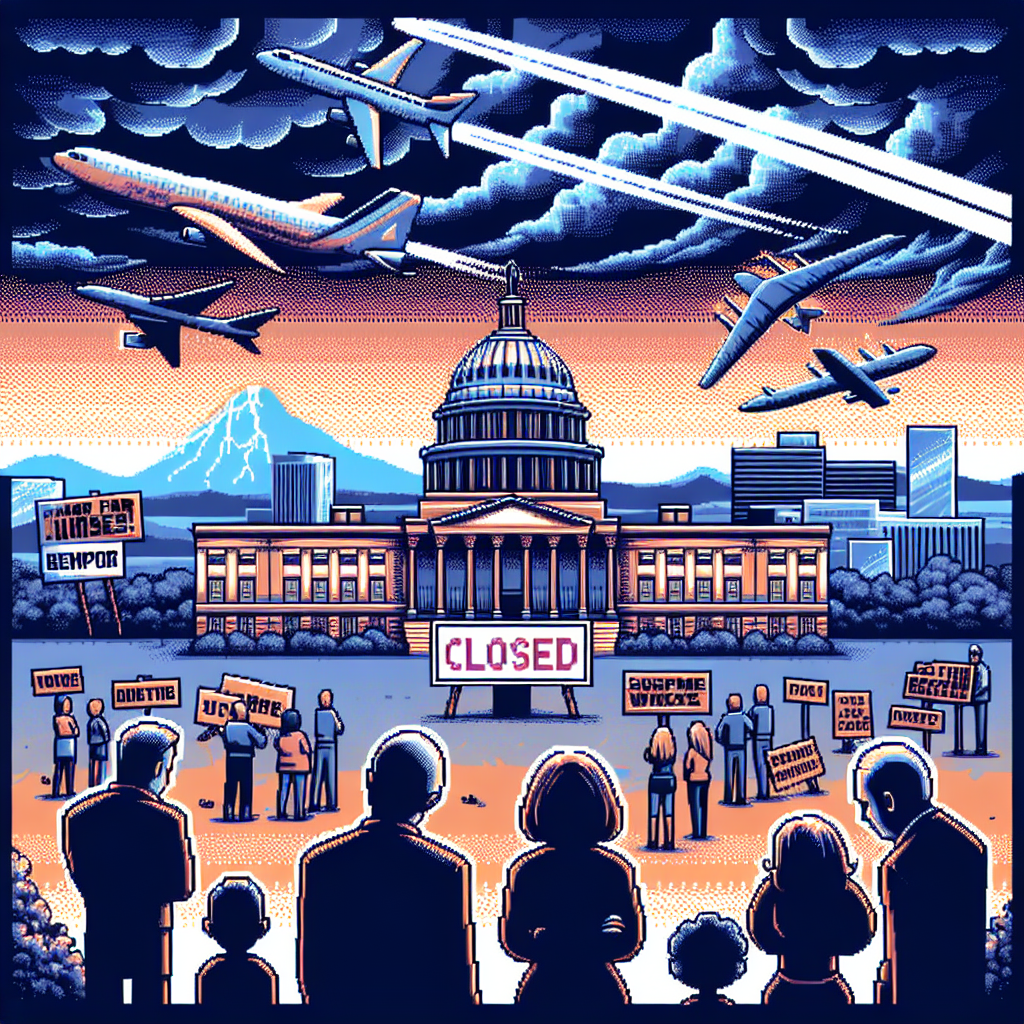
The headlines this week felt like they were written for a thriller: parts of U.S. airspace being intentionally reduced, major carriers trimming flights, and consumer mood slipping to multi-year lows. But this isn’t fiction — it’s the real-world fallout of a prolonged federal government shutdown that began on October 1, 2025 and stretched into November. The question for travelers, investors and everyday Americans is simple: how bad could this get before it gets fixed?
What just happened
- On November 7, 2025 the Federal Aviation Administration began cutting scheduled flights at about 40 major U.S. airports to reduce controller workload and preserve safety as staffing gaps worsened. Initial cuts were modest (around 4% on the first day) with plans to scale to roughly 10% across the busiest markets and the possibility of larger reductions if conditions deteriorate. (apnews.com)
- The shutdown — which started October 1, 2025 — has left hundreds of thousands of federal workers furloughed or working without pay and pushed the federal workforce and certain benefits into operational limbo. That disruption is rippling through travel, construction and other sectors. (en.wikipedia.org)
- Consumer sentiment slid sharply in November, hitting its weakest point in about three years in University of Michigan polling, with many households growing more pessimistic about jobs and prices. Economists warn that the longer the stalemate lasts, the more likely temporary strains become persistent damage. (home.saxo)
Why reducing flights is more than an inconvenience
Cutting flights isn’t just about fewer seats for travelers. It’s a safety-management lever.
- Air traffic controllers have been stretched thin: many are working unpaid, others have taken leave, and fatigue and absences increase operational risk. Reducing traffic in high-volume centers buys time and reduces stress on the system. (apnews.com)
- Airlines respond quickly by cutting schedules — that produces cancellations, rebookings and lost revenue for carriers, airports, hotels and the broader travel ecosystem (rental cars, restaurants, even local retail). A string of canceled legs can ripple into lost bookings weeks out. (entrepreneur.com)
- If cuts escalate to the scale government officials have warned about (up to 20% in the worst-case messaging), we could see cascading disruptions that push the travel sector into a short-term downturn. White House advisers have said the economic impact is “far worse than expected” already. (reuters.com)
The economic picture in plain terms
- Consumer mood is a leading short-term indicator. When households are pessimistic about jobs or expect higher unemployment, they cut discretionary spending (dining out, travel, home projects) — which cools growth. University of Michigan sentiment data moved notably lower in early November. (home.saxo)
- The Congressional Budget Office and other forecasters have warned that output lost during a shutdown is often unrecoverable in the short term; construction delays, paused federal contracts, and disrupted benefits aren’t simply “made up” later. Several analysts estimate meaningful hits to Q4 growth if the standoff persists. (entrepreneur.com)
- Financial markets can look past short-term shocks, but prolonged uncertainty raises volatility. Stocks may temporarily rally on hopes of a legislative solution, while the real economy — payrolls, small business receipts, travel spending — reflects the lived pain.
Who’s feeling it most
- Travel and leisure: airlines, airports, hotels and ancillary services face immediate demand shocks. Cancellations and rebookings create operational costs and lost revenue. (apnews.com)
- Lower- and middle-income households: delayed benefits and furloughs hit these groups first and hardest, worsening the consumer split between higher-income households who still benefit from asset gains and everyone else. (entrepreneur.com)
- State and local governments and contractors: delayed federal payments and paused permits slow construction and local projects, which can feed into job losses in affected sectors. (reuters.com)
The political and practical constraints
- Fixing a shutdown requires Congress and the White House to agree on funding. Political incentives make compromises difficult, and each day of delay increases the economic bill and the human costs (missed paychecks, delayed benefits).
- Operationally, some agencies can’t simply “turn back on” overnight. Even if appropriations pass tomorrow, it may take time to restore normal staffing, release backlogged payments, and normalize schedules in complex systems like aviation. (apnews.com)
Signals markets and travelers should watch
- FAA notices and airline schedule reductions (daily): increasing planned cut percentages and cancellations signal growing systemic stress. (apnews.com)
- Consumer confidence and survey data (University of Michigan, Conference Board): sharp declines presage weaker consumer spending. (home.saxo)
- Official economic releases that are delayed or resumed: gaps in data flow complicate policymaking and investor assessments. (en.wikipedia.org)
What this means for you (practical tips)
- If you have upcoming travel, expect more last-minute changes and factor buffer time; consider refundable or flexible tickets and double-check carrier communications.
- If you’re a small business or contractor that depends on federal contracts or permits, document impacts carefully — that helps with recovery and any appeals for relief.
- For investors: consider the difference between short-term headline-driven volatility and long-term fundamentals. Prolonged shutdowns raise real risks to growth, but markets often look forward to resolution.
Main takeaways
- Flight reductions that started November 7, 2025 are a direct safety response to staffing shortages caused by the shutdown and risk becoming more severe if the stalemate continues. (apnews.com)
- Consumer sentiment has tumbled to a multi-year low, signaling weaker spending ahead and amplifying the economic cost beyond the immediate federal payroll disruptions. (home.saxo)
- The shutdown’s economic effects are already being described by administration advisers as “far worse than expected”; prolonged disruption could push travel and local economies into near-term downturns. (reuters.com)
My take
This shutdown feels different because a real-time safety system — the national airspace — is being throttled to prevent an accident born of understaffing and fatigue. That’s a stark, visceral sign that budget fights aren’t abstract political theater; they can change whether you get home for Thanksgiving or whether a paycheck arrives on time. The economic math is straightforward: the longer the pause, the harder recovery becomes. Fixing this means not just passing funding but stabilizing operations that have been frayed day by day.
Sources
(Note: URLs above point to non-paywalled reporting used to synthesize this post.)
Related update: We recently published an article that expands on this topic: read the latest post.
Related update: We recently published an article that expands on this topic: read the latest post.
Related update: We recently published an article that expands on this topic: read the latest post.
Related update: We recently published an article that expands on this topic: read the latest post.
Related update: We recently published an article that expands on this topic: read the latest post.
The weekend of scratched plans: Why hundreds of U.S. flights were canceled during the government shutdown
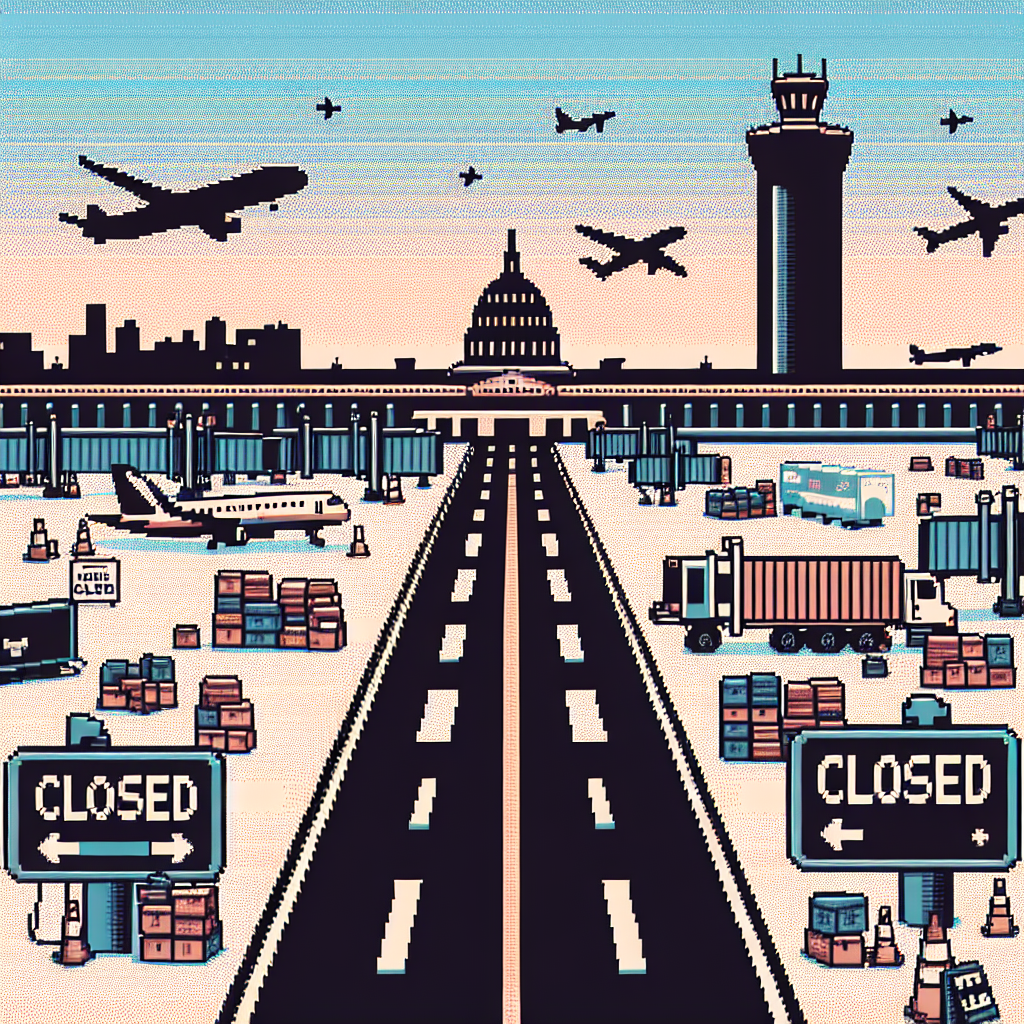
It started like many travel headaches — a delayed text from an airline and a half-empty boarding gate — but this weekend’s cancellations felt bigger, stranger and more structural. Across dozens of the nation’s busiest hubs, airlines removed hundreds (and then thousands) of scheduled departures as federal airspace managers throttled traffic amid a federal government shutdown. For travelers, freight customers and local businesses, the ripple effects were immediate. For policy wonks and industry insiders, the move underscored how fragile a tightly timed system becomes when essential workers aren’t getting paid.
What happened — the short version
- The Federal Aviation Administration directed a staged reduction of flights at 40 high‑volume U.S. airports, beginning with smaller cuts and moving toward a 10% slowdown at those hubs if the shutdown persisted. (apnews.com)
- Airlines canceled more than 1,000 flights on the first full day of the FAA reductions and again on the second day, according to flight-tracking services and media reports. The cuts were concentrated at major airports such as Atlanta, Chicago, Dallas, Denver, Los Angeles and Newark. (apnews.com)
- The FAA said the reductions were intended to relieve pressure on air traffic controllers, many of whom have been working without pay and were showing signs of strain. Transportation Department officials pointed to safety‑related trends (incursions, spacing and fatigue concerns) as part of the rationale. (abcnews.go.com)
Why the FAA and airlines took this step
- Safety margin: Air traffic control is a tightly choreographed operation. As controllers missed shifts, worked unpaid overtime or took second jobs, the FAA judged that a reduction in traffic at the busiest airports was necessary to preserve safe spacing and reduce workload spikes. (abcnews.go.com)
- Predictability and resource management: Rather than a chaotic scramble the FAA set phased percentage targets (starting lower, then scaling up) that let airlines plan which flights to cut and how to rebook passengers. That approach reduces overnight chaos but still forces inconvenient cancellations. (apnews.com)
- Protecting system resilience: The agency framed the move as temporary triage — aimed at keeping the system functional if the labor strain continued — but it also served as a warning that deeper, longer shutdown impacts could cascade into more severe disruptions. (washingtonpost.com)
Who felt it the most
- Leisure travelers with tight itineraries and connecting flights were hit hard first; some rebooked quickly, others had to scramble for hotels or alternate routes. (pbs.org)
- Regional and short-haul routes tended to take the brunt of cuts as carriers prioritized longer domestic and international service. That meant smaller cities and secondary markets saw disproportionate impact. (apnews.com)
- Freight and supply chains: Major air cargo hubs reported strain, and analysts warned of knock-on effects for shipments ahead of busy retail periods. Local businesses that rely on just-in-time deliveries could see costs or delays rise. (apnews.com)
Practical advice for travelers (what to do if your flight is affected)
- Check flight status directly with your airline and FlightAware or similar trackers; airlines have been auto‑rebooking many passengers and offering refunds for canceled trips. (pbs.org)
- Consider flexibility: If your schedule allows, look for later rebookings, alternate airports nearby, or land‑and‑drive options — rental demand spiked in some markets as travelers switched to road trips. (apnews.com)
- Prepare for added time and cost: Last‑minute hotels, rental cars and alternate transportation can add expense. Keep receipts and documentation — refunds or reimbursements may be available depending on carrier policy and your travel insurance. (pbs.org)
Broader implications
- Labor, morale and safety: The shutdown put a spotlight on the human side of aviation operations. Controllers working long unpaid hours raised both morale and safety concerns; the FAA’s reduction was as much about preventing system overload as it was about immediate cancellations. (abcnews.go.com)
- Economic spillovers: If reductions continue into key travel periods, the effects could cascade into tourism, holiday travel, retail and shipping — a reminder that government gridlock can quickly translate into real economic friction. (apnews.com)
- Policy and accountability: The episode may lead to renewed calls for contingency measures that protect pay for essential workers during funding gaps, or for legislative fixes that prevent essential‑worker furloughs from being an instrument of negotiation. (washingtonpost.com)
Quick checklist before heading to the airport
- Check your airline’s status and emails or texts for automatic rebooking notices. (pbs.org)
- Know refund rules: some airlines offered refunds even on nonrefundable tickets while the reductions were underway. (apnews.com)
- Have backup options: alternate airports, different days, or ground travel routes mapped out. (apnews.com)
Final thoughts
Air travel runs on timing, trust and layers of redundancy. When one layer — the payroll and well‑being of the people who manage our skyways — gets stretched to a breaking point, the whole system can’t just keep going as usual. The FAA’s phased cuts were a blunt instrument designed to protect safety and predictability, but they also exposed how quickly everyday travel can become fragile when policy stalemates affect frontline workers. For travelers it was an unwelcome reminder: monitor flights closely, expect the unexpected, and pack a little more patience.
Sources
Related update: We recently published an article that expands on this topic: read the latest post.