Nvidia CEO Jensen Huang Is Bananas for Google Gemini’s AI Image Generator – WIRED | Analysis by Brian Moineau

Nvidia CEO Jensen Huang Is Bananas for Google Gemini’s AI Image Generator - WIRED | Analysis by Brian Moineau

Jensen Huang’s Artistic Affair with AI: A Deep Dive into Google Gemini’s Image Generator

In the bustling corridors of the tech world, where innovation is the currency and creativity the key, few figures stand as prominently as Nvidia’s CEO, Jensen Huang. Known for his charismatic presentations and pioneering efforts in AI and graphics technology, Huang has recently revealed an unexpected muse: Google Gemini’s AI Image Generator. This revelation, featured in a recent WIRED article, offers a fascinating glimpse into how one of tech’s most influential leaders is harnessing the power of AI for artistic exploration and practical applications.

A Passionate Pursuit

Jensen Huang’s enthusiasm for Google Gemini is more than just a passing interest; it’s a consuming love. In a landscape where AI tools are often viewed through the lens of productivity and data analytics, Huang’s approach underscores the transformative potential of AI in the realm of creativity. Google Gemini, known for its ability to generate stunning visual art, has captured Huang’s imagination, providing him with a platform to explore the intersection of technology and art. This reflects a broader trend in the tech industry, where AI-generated art is gaining traction and prompting discussions about the nature of creativity itself.

The Artistic Side of Grok

Beyond Google Gemini, Huang’s fascination with AI extends to the artsy side of Grok. As Nvidia continues to push the boundaries of graphics technology, Grok represents a fusion of AI and visual storytelling. This aligns with Huang’s broader vision for Nvidia, where cutting-edge technology serves as a catalyst for creative expression. It’s a vision that resonates with the current zeitgeist, as digital artists and designers increasingly embrace AI tools to expand their creative horizons.

AI in Everyday Life: Perplexity, Gemini, and ChatGPT

Huang’s engagement with AI isn’t limited to artistic pursuits. He also utilizes tools like Perplexity, Gemini, and ChatGPT for practical applications in his daily life. These AI models, each with their unique capabilities, offer Huang a suite of tools for problem-solving and innovation. Perplexity aids in navigating complex datasets, Gemini fuels his artistic ventures, and ChatGPT provides conversational insights. This multifaceted approach to AI reflects a growing trend among tech leaders, who are leveraging AI to enhance both their professional and personal lives.

A Broader Context

Huang’s embrace of AI creativity is part of a larger narrative unfolding across various industries. For instance, Adobe’s recent integration of AI tools into its Creative Cloud suite underscores a similar commitment to blending technology with artistry. Meanwhile, companies like OpenAI, the creators of ChatGPT, continue to innovate in the realm of conversational AI, shaping the way businesses and individuals interact with technology.

Final Thoughts

Jensen Huang’s journey with Google Gemini and other AI tools is a testament to the boundless possibilities that emerge when technology and creativity converge. As AI continues to evolve, it will undoubtedly play an increasingly prominent role in shaping the future of art, design, and innovation. Huang’s enthusiastic embrace of AI-generated art serves as an inspiring reminder that at the heart of every technological advancement lies the potential for human expression and creativity. Whether you’re a tech enthusiast, an artist, or simply curious about the future, there’s no denying that we’re living in a remarkable era where the lines between technology and art are beautifully blurred.

Read more about AI in Business
Read more about Latest Sports Trends

Read more about Technology Innovations

‘Shinobi: Art of Vengeance’ embraces the ‘pure craft’ of hand-drawn 2D gaming – The Washington Post | Analysis by Brian Moineau

‘Shinobi: Art of Vengeance’ embraces the ‘pure craft’ of hand-drawn 2D gaming - The Washington Post | Analysis by Brian Moineau

Rediscovering the Beauty of Simplicity: 'Shinobi: Art of Vengeance' and the Renaissance of 2D Gaming


In an age where gaming often feels like a relentless race towards hyper-realistic graphics and sprawling open worlds, "Shinobi: Art of Vengeance" serves as a refreshing reminder of the power of simplicity. Inspired by traditional Japanese black-ink paintings, this game returns to the Sega classic's 2D roots, offering a unique blend of stylish art and aggressive gameplay. But what makes this release particularly intriguing is its celebration of the "pure craft" of hand-drawn 2D gaming—a craft that is experiencing a renaissance of sorts across the gaming industry.

The Charm of Hand-Drawn Art


"Shinobi: Art of Vengeance" stands out for its exquisite attention to detail, akin to a love letter to the artistry of gaming's past. The game's visuals are reminiscent of the minimalist elegance found in Japanese sumi-e paintings, which traditionally emphasize the beauty of simplicity and the flow of ink. This artistic influence creates a visually striking experience that sets the stage for a gameplay style that is both nostalgic and innovative.

The resurgence of 2D gaming is not an isolated phenomenon. Other titles, such as "Cuphead" and "Hollow Knight," have similarly embraced hand-drawn aesthetics, proving that there's a strong appetite for games that prioritize artistic expression over sheer graphical prowess. These games have not only been critically acclaimed but have also cultivated dedicated fanbases, highlighting a growing appreciation for craftsmanship in the gaming world.

A Global Context of Artistic Revival


The revival of traditional artistic methods isn't limited to gaming. Across various creative industries, there's a noticeable shift towards valuing the tactile and the authentic. In fashion, for instance, we're seeing a resurgence of interest in handwoven textiles and sustainable practices. In the art world, exhibitions are increasingly celebrating traditional techniques and the stories behind them.

This broader cultural movement towards appreciating the artisanal and handcrafted is perhaps a response to the digital saturation of our lives. As technology becomes more pervasive, there's a yearning for the tangible, the handcrafted, and the personal. "Shinobi: Art of Vengeance" taps into this sentiment by offering an experience that feels both fresh and familiar, introducing new generations to the joys of 2D gaming while evoking nostalgia for those who grew up with it.

Final Thoughts


"Shinobi: Art of Vengeance" is more than just a game; it's a celebration of art and nostalgia, skillfully bridging the past and present. In a world obsessed with the next big thing, it’s a gentle reminder that sometimes, the most profound experiences are found in the simplicity of a hand-drawn line or the fluidity of a 2D platformer. As we continue to embrace technological advancements, let's not forget the beauty of traditional craftsmanship and the joy it brings to our digital lives.

In revisiting the classics with a modern twist, "Shinobi: Art of Vengeance" not only pays homage to its roots but also paves the way for a future where art and technology coexist harmoniously. Here's to hoping that this trend continues to inspire creators across all mediums to explore the endless possibilities that lie within the delicate balance of tradition and innovation.

Read more about AI in Business

Read more about Latest Sports Trends

Read more about Technology Innovations

Xbox graphics department lead puts out cringe-worthy hiring post… with AI graphics – Eurogamer | Analysis by Brian Moineau

Xbox graphics department lead puts out cringe-worthy hiring post... with AI graphics - Eurogamer | Analysis by Brian Moineau

When AI Meets Recruitment: Xbox's Cringe-Worthy Yet Hilarious Hiring Attempt


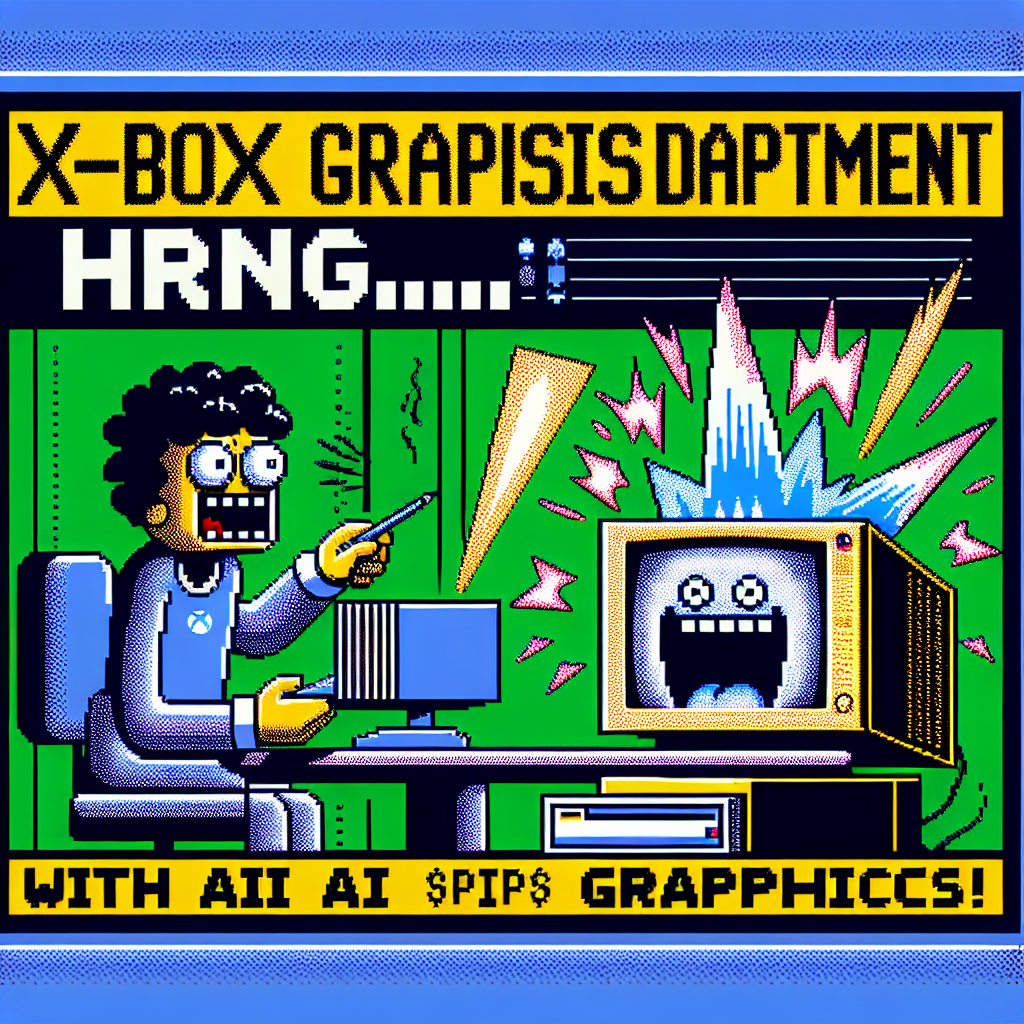
In the ever-evolving world of gaming, tech giants like Xbox are constantly on the lookout for fresh talent to push the boundaries of innovation. However, sometimes the methods of reaching out to potential candidates can be, well, a little unconventional. Enter the recent LinkedIn escapade by Xbox's principal development lead: a job posting accompanied by what can only be described as a cringey, AI-generated graphic.

The Curious Case of the AI Graphic


For those who haven't seen it yet, the LinkedIn post in question featured a rather awkwardly designed graphic, likely churned out by an AI tool. While AI has made leaps and bounds in fields like natural language processing and even art, this particular graphic seemed to miss the mark, drawing chuckles and raised eyebrows from the gaming community and beyond.

The use of AI in creating graphics isn't new—many companies utilize AI tools for design to save time and resources. However, this incident reminds us that while AI can be a powerful ally, its creations can sometimes lack the human touch needed for certain contexts. After all, there's a reason why some art still makes us feel something deeply human, a feat not easily replicated by algorithms.

The Man Behind the Post


The mastermind behind this LinkedIn post is Xbox's principal development lead, a position that requires a keen eye for talent and a vision for the future of gaming. While this instance may have been a swing and a miss, it's important to note that the lead's role is pivotal in shaping the gaming experiences millions enjoy worldwide. Everyone has their off days, and the gaming world wouldn't be what it is without taking a few creative risks along the way.

AI: The Double-Edged Sword


This incident is not isolated in the tech world. AI's integration into various sectors has been both celebrated and critiqued. Just look at the recent controversy surrounding AI-generated art in the traditional art world, sparking debates about originality and creativity. Similarly, in recruitment, AI tools have been used to screen resumes and even conduct initial interviews, raising questions about bias and the loss of personal touch.

Moreover, AI's foray into the gaming industry isn't just limited to graphics or recruitment. AI-driven NPCs, procedural content generation, and real-time physics calculations are already revolutionizing how games are developed and played. However, as this incident shows, the technology still requires human oversight to fully realize its potential.

A Final Thought


In a world increasingly driven by artificial intelligence, this LinkedIn post serves as a humorous reminder of the technology's limitations. While AI can assist in numerous ways, the human element remains irreplaceable—especially in fields that thrive on creativity and personal connection. As Xbox continues its search for top talent, here's hoping that the next job announcement features a graphic that showcases both technological prowess and a touch of human artistry.

Let's keep our fingers crossed for a future where AI complements rather than complicates our efforts to connect with each other. After all, in the world of gaming and beyond, it's the human stories that truly captivate us.

Read more about AI in Business

Read more about Latest Sports Trends

Read more about Technology Innovations

Scientists Say They Found a New Color Humans Have Never Seen Before – ScienceAlert | Analysis by Brian Moineau

Scientists Say They Found a New Color Humans Have Never Seen Before - ScienceAlert | Analysis by Brian Moineau

Title: The Unseen Spectrum: A New Color Discovery Sparks Wonder and Possibility

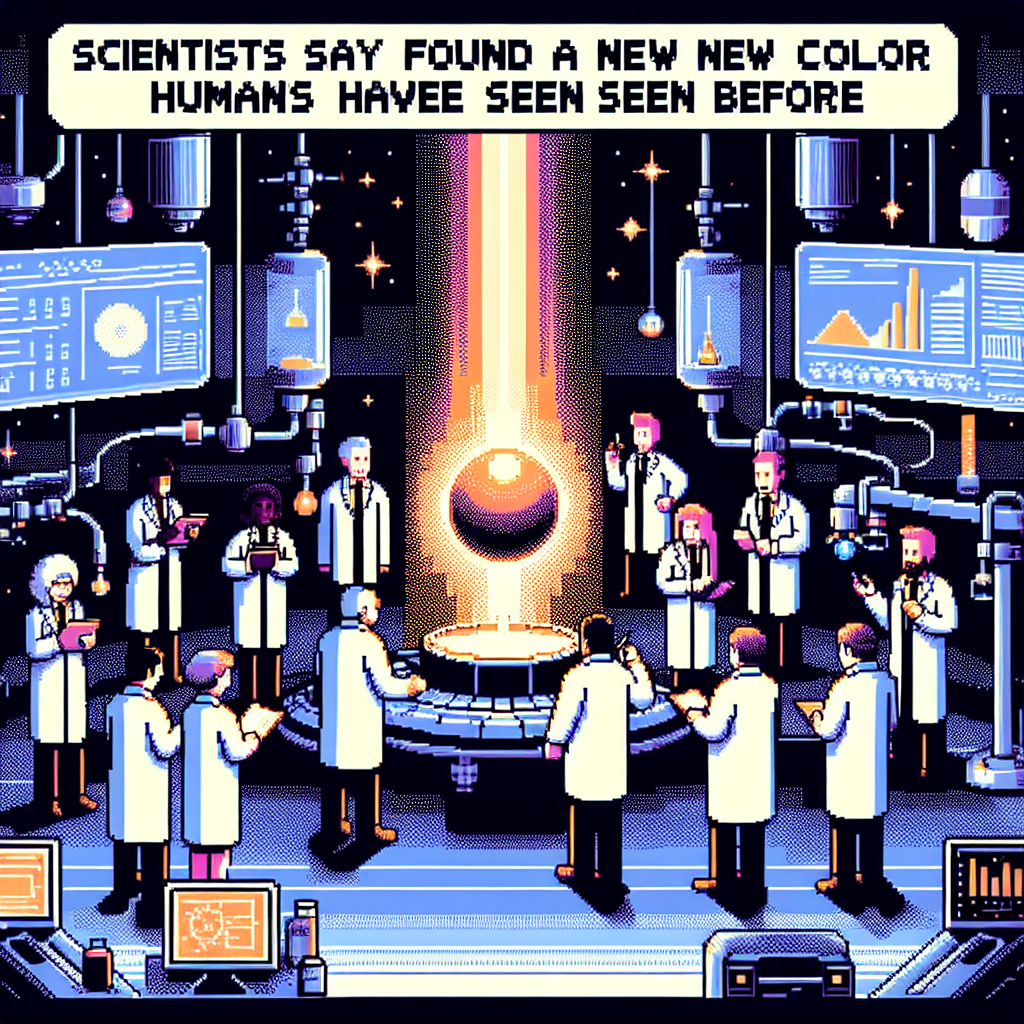
In a world where technology and science constantly push the boundaries of our understanding, a new discovery has emerged that quite literally adds color to our lives. Scientists have reportedly identified a new color – a "blue-green of unprecedented saturation" – that humans have never seen before. This news, highlighted by ScienceAlert, invites us to ponder the kaleidoscopic possibilities of our universe, just waiting to be explored.

It's an awe-inspiring thought: a color that exists beyond the spectrum visible to the human eye. This discovery not only challenges our perception but also adds a layer of intrigue to the natural world, reminiscent of how the mantis shrimp perceives colors we can't even fathom with its 16 color-receptive cones compared to our mere three. Imagine a reality where the sky isn't just blue but possesses a depth and saturation unlike anything we've encountered. This discovery is akin to finding a new planet in our solar system – a revelation that redefines our view of the familiar.

But what does this mean for us? The implications stretch beyond just the visual delight. Consider the fields of art and design, where color is an essential tool for expression and communication. Artists might soon have the opportunity to incorporate this new hue into their palettes, offering a fresh medium to convey emotion and narrative. In fashion, this could lead to garments that shimmer with a vibrancy previously unimaginable, challenging the very core of color theory and design.

Moreover, this discovery comes at a time when technology is striving to enhance human capabilities. From augmented reality to advanced display technologies, our way of experiencing the world is evolving. In the same vein as virtual reality headsets that immerse us in digital realms, the ability to perceive this new color could transform how we interact with visual media. Imagine screens that burst with colors beyond the standard RGB spectrum, creating images that are more lifelike and immersive than ever before.

This revelation also parallels the ongoing exploration of augmented human senses. Projects like Neuralink, spearheaded by Elon Musk, aim to expand the boundaries of human experience through technological means. While primarily focused on cognitive enhancement, one could speculate about future innovations allowing us to perceive these newly discovered colors, thus expanding our sensory world.

While the scientific community continues to unravel the mysteries behind this discovery, it serves as a reminder of the boundless potential of human curiosity and innovation. Just as astronomers peer into the depths of space to find new galaxies, scientists are now peering into the spectrum of light to find colors that have been hiding in plain sight.

In conclusion, the unveiling of a color never seen before by human eyes is a testament to the relentless pursuit of knowledge. It challenges us to rethink our understanding of the world and opens the door to numerous possibilities across various fields. As we stand on the threshold of this new discovery, one can't help but wonder what other hidden wonders are waiting to be uncovered. In a universe teeming with the unknown, the discovery of a new color is a vibrant reminder that there is always more to see.

Read more about AI in Business

Read more about Latest Sports Trends

Read more about Technology Innovations