New ranking knocks Portland airport off its pedestal – OregonLive.com | Analysis by Brian Moineau

New ranking knocks Portland airport off its pedestal - OregonLive.com | Analysis by Brian Moineau

Title: Portland International Airport: A Fall from Grace or Just a Bump in the Runway?

Ah, Portland International Airport (PDX), the beloved gateway to the Pacific Northwest, known for its iconic carpet design, local brew offerings, and, of course, that unmistakable roof. For years, PDX has been the darling of airport rankings, consistently lauded for its efficiency, amenities, and welcoming atmosphere. But in a recent twist of fate, J.D. Power's latest report has knocked PDX off its pedestal, and no, it wasn’t because of the carpet this time—it turns out, they’re not as enamored with PDX’s beloved roof.

Now, if you're scratching your head wondering how a roof could play such a pivotal role in an airport's ranking, you're not alone. It seems even the most beautiful overhead architecture couldn't sway J.D. Power's evaluators this time around. But let's take a step back and put this into perspective.

A Global Shift in Airport Expectations

Across the globe, airports are evolving into more than just transit hubs. They're becoming microcosms of the cities they serve, offering unique cultural experiences, cutting-edge technology, and an array of services to keep the modern traveler entertained and stress-free. Just look at Singapore's Changi Airport, complete with a butterfly garden and a stunning indoor waterfall, or South Korea’s Incheon International, with its ice skating rink and traditional cultural performances.

In this competitive climate, even a well-loved airport like PDX needs to innovate continually. The recent dip in rankings might be less about what PDX is doing wrong and more about what other airports are doing right. Many are investing heavily in sustainability, passenger experience enhancements, and digital solutions to streamline the travel process.

A Reflection of Broader Trends

The shift in PDX's ranking could also reflect broader trends in travel and consumer expectations. As more travelers demand seamless experiences, airports are under pressure to integrate technology at every touchpoint. For instance, biometric boarding processes, AI-driven customer service, and enhanced mobile applications are becoming the norm.

Moreover, environmental sustainability is a growing concern. Airports like San Francisco International have made strides in achieving zero-waste goals and utilizing carbon-neutral construction practices. Portland, a city known for its environmental consciousness, might be expected to lead in this area.

The Portland Spirit

But let's not be too quick to dismiss PDX. Much like the city it serves, Portland International Airport has a unique charm that goes beyond rankings. It’s the little things—the local art displays, the food carts offering a taste of Portland’s diverse culinary scene, and yes, that quirky carpet pattern that became a cultural icon in its own right.

Portland has always marched to the beat of its own drum. It's a city that values creativity and authenticity, and PDX embodies these traits. While it may not have a butterfly garden or an indoor waterfall, it offers a sense of place that few airports can match.

Final Thoughts: A Call to Action

So, what does the future hold for PDX? Perhaps this recent ranking dip is a call to action—a reminder that even beloved institutions must evolve to meet the changing needs of their patrons. With Portland’s spirit of innovation and community engagement, it's easy to believe that PDX will rise to the challenge, maybe even with a roof redesign that captures the hearts of J.D. Power’s evaluators next time around.

In the end, while rankings can guide expectations, they don’t define the essence of a place. PDX remains a favorite for many travelers, not just for its amenities but for the welcoming embrace it offers as the gateway to a city known for its vibrant culture, natural beauty, and eclectic charm. Here's to the future of PDX—may it fly high once again!

Read more about AI in Business
Read more about Latest Sports Trends

Read more about Technology Innovations

FRONTIER, AMERICA’S LOW FARE AIRLINE, COMMITS TO BEING THE #1 LOW FARE CARRIER IN THE TOP 20 U.S. METROS – Frontier Airlines | Analysis by Brian Moineau

FRONTIER, AMERICA’S LOW FARE AIRLINE, COMMITS TO BEING THE #1 LOW FARE CARRIER IN THE TOP 20 U.S. METROS – Frontier Airlines | Analysis by Brian Moineau

Flying High on a Budget: Frontier Airlines’ Ambitious Plan to Conquer the Skies

In a world where frugality often feels like a forgotten virtue, Frontier Airlines is stepping up to remind us that affordable travel is not just a dream but a mission. Announced on August 26, 2025, Frontier Airlines, trading under Nasdaq: ULCC, has set its sights on becoming the number one low-fare carrier in the top 20 U.S. metro areas. With an audacious plan to add 20 new routes, Frontier is not only expanding its wings but also pledging to keep our wallets from feeling too light.

The Frontier Spirit: Low Fares, High Hopes

Frontier Airlines, headquartered in Denver, Colorado, has long been known as the go-to airline for budget-conscious travelers. But what does it mean to commit to being the top low-fare carrier in the biggest metro areas across the United States? Essentially, it’s a promise to provide accessible air travel without compromising on the essentials. The airline plans to achieve this by slashing unnecessary frills and focusing on what truly matters to travelers: getting from point A to point B safely and affordably.

The move comes at a time when the aviation industry is bouncing back from the depths of the COVID-19 pandemic. With more people eager to travel, airlines like Frontier are capitalizing on pent-up demand and a renewed enthusiasm for exploration. According to the International Air Transport Association (IATA), global air travel is expected to fully recover to pre-pandemic levels by 2024, making Frontier’s timing both strategic and opportune.

A Competitive Sky

The race to dominate the low-fare market is nothing short of fierce. With competitors like Spirit Airlines and Southwest Airlines also vying for budget travelers, Frontier’s strategy will need to be as nimble as it is bold. In fact, the recent merger between Spirit and JetBlue has made headlines, shaking up the low-cost carrier landscape and pushing Frontier to up its game.

But Frontier seems ready for the challenge. The airline’s CEO, Barry Biffle, has been vocal about the importance of maintaining low costs while expanding the network. This approach not only attracts cost-conscious flyers but also builds loyalty in a market where price often trumps brand allegiance.

Global Connections

Frontier’s expansion is part of a larger trend of democratizing air travel across the world. In Europe, for instance, Ryanair and EasyJet have successfully made air travel accessible to millions by perfecting the low-cost model. Meanwhile, in Asia, airlines like AirAsia have revolutionized the way people think about flying on a budget. Frontier’s commitment to affordability aligns with this global shift, emphasizing that air travel should not be a luxury, but a possibility for all.

Final Thoughts: The Sky’s the Limit

Frontier Airlines’ bold commitment to being the top low-fare carrier in the top 20 U.S. metros is more than just a business move—it’s a declaration of intent to make travel accessible to everyone. In a world that often feels divided, the ability to explore new places and connect with others is invaluable. Whether you’re a seasoned traveler or someone just dipping their toes into the world of air travel, Frontier is making sure the sky truly is the limit, without breaking the bank.

So, next time you’re planning a getaway, consider the little airline that could. Who knows? With Frontier’s expanding reach, your dream destination might just be a ticket away—at a price that leaves room in your budget for a few extra souvenirs. Safe travels!

Read more about AI in Business

Read more about Latest Sports Trends

Read more about Technology Innovations


Related update: We recently published an article that expands on this topic: read the latest post.

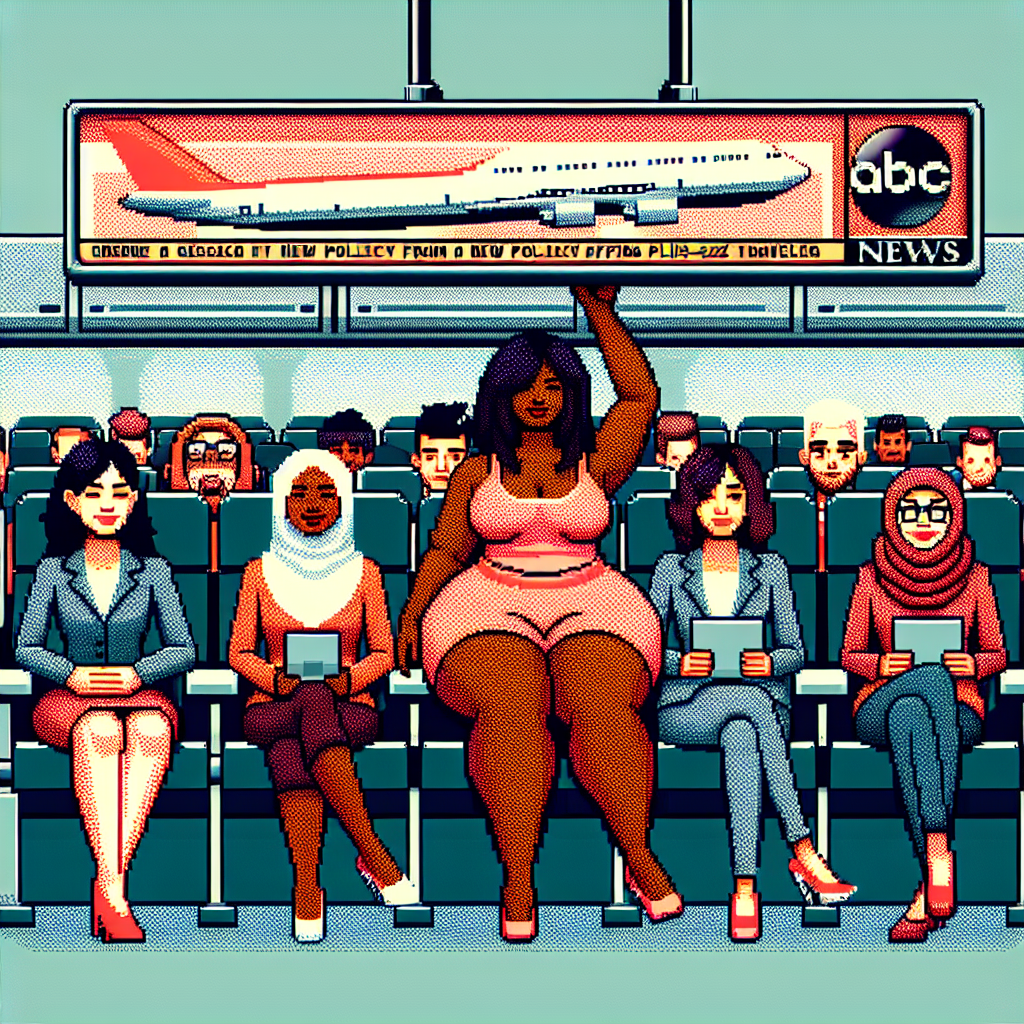
Southwest Airlines’ new policy will affect plus-size travelers. Here’s how – ABC News | Analysis by Brian Moineau

Southwest Airlines' new policy will affect plus-size travelers. Here's how - ABC News | Analysis by Brian Moineau

Flying High: Navigating the Skies with Southwest Airlines' New Policy

Ah, the joy of air travel. The thrill of soaring above the clouds, the delight of tiny complimentary snacks, and now, the latest wrinkle in the flight plan: Southwest Airlines' new policy for plus-size travelers.

In a move that's already creating quite a buzz, Southwest Airlines has announced that passengers who are unable to fit within the armrests of a single seat will be required to purchase an additional seat in advance. This policy is designed to ensure comfort and safety for all passengers, but it's also sparking conversations about fairness, inclusivity, and the ever-evolving landscape of air travel.

Navigating the Skies: A Balancing Act

Southwest's decision comes at a time when airlines are continually striving to balance passenger comfort with operational efficiency. The topic of space on airplanes has been a hot-button issue for years, as airlines have faced criticism for shrinking seat sizes while increasing passenger loads. The International Air Transport Association (IATA) has long advocated for standard seat dimensions to ensure passenger comfort, yet airlines often have the final say.

This new policy from Southwest may seem like a step backward to some, but the airline argues that it is necessary for ensuring all passengers have a comfortable and safe experience. It's worth noting that Southwest has long been known for its customer-friendly policies, including no change fees and free checked bags, which sets it apart from many of its competitors. This new policy, though, puts them in line with several other airlines that have similar requirements, such as American Airlines and Delta.

A Wider Context: Inclusivity in Travel

The broader discussion of inclusivity in travel is not limited to the skies. Across the globe, industries are grappling with how to accommodate people of all sizes and abilities. For instance, the fashion industry has been making strides by introducing plus-size models and more inclusive clothing lines. Similarly, theme parks like Disney have been updating their ride designs to accommodate larger guests.

This shift towards inclusivity is crucial, but it also highlights the challenges businesses face in implementing these changes. Companies must balance financial realities with the moral imperative to be inclusive. Southwest's new policy is a reminder of the ongoing struggle to find this equilibrium.

Soaring Forward: The Future of Air Travel

As we navigate these skies of change, it’s important to remember that air travel, like any other industry, is in a constant state of evolution. Policies will continue to adapt as societal norms shift and as we all strive for a more inclusive world.

While Southwest’s policy may be a point of contention for some, it also serves as a catalyst for broader discussions about inclusivity, comfort, and fairness. As travelers, we should remain engaged in these conversations, advocating for policies that respect and accommodate everyone.

Final Thoughts

As we pack our bags and head to the airport, let’s keep in mind that the skies belong to all of us. Whether you're a frequent flyer or an occasional traveler, each journey is a chance to reflect on how we can make the world a more welcoming place for everyone. Who knows? Maybe the next time you're wedged between two armrests, you'll be inspired to launch the next big idea in inclusive travel. Until then, happy flying!

Read more about AI in Business

Read more about Latest Sports Trends

Read more about Technology Innovations

Shocking plunge by Southwest flight from Southern California was to avoid another aircraft – KHON2 | Analysis by Brian Moineau

Shocking plunge by Southwest flight from Southern California was to avoid another aircraft - KHON2 | Analysis by Brian Moineau

Title: Navigating the Friendly Skies: A Heart-Pounding Plunge and the Art of Aerial Evasion

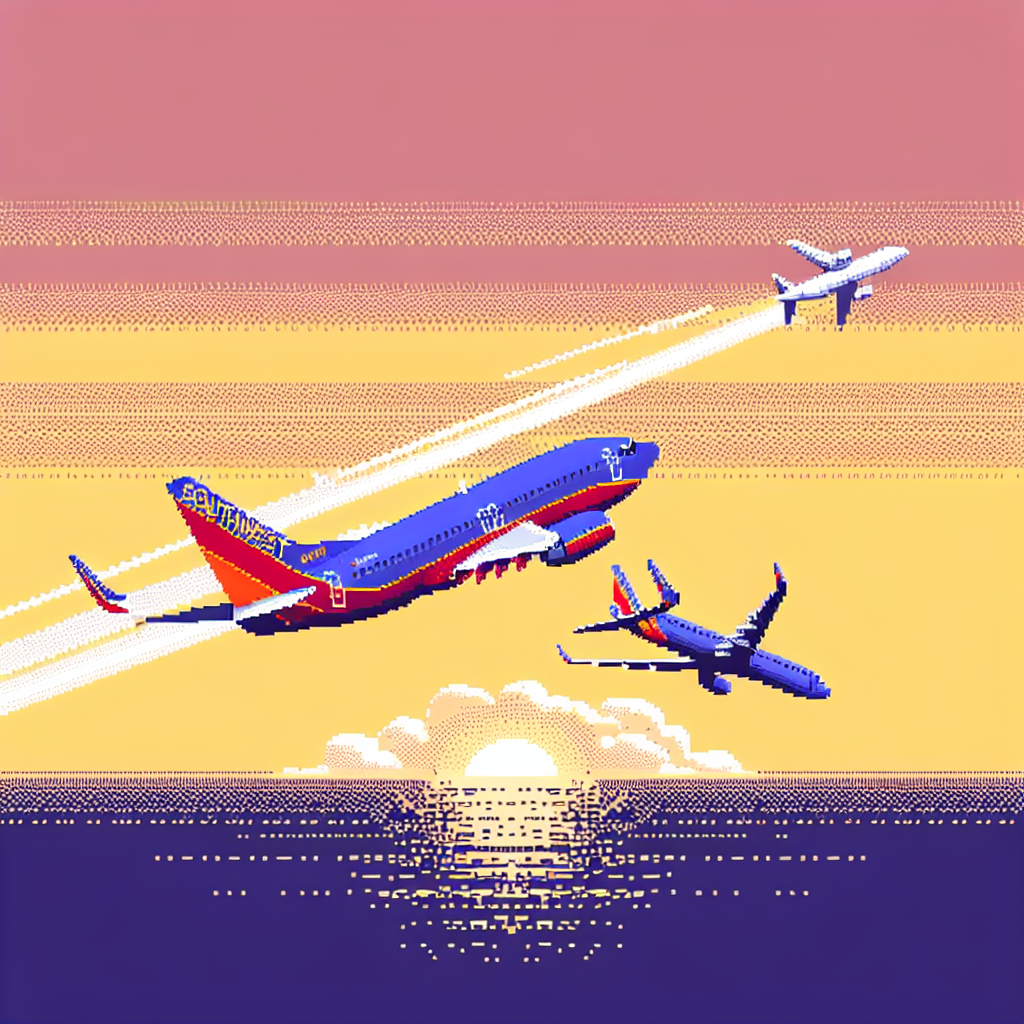
In a world where the everyday hustle and bustle often turns mundane, sometimes life throws a curveball—or in this case, a dramatic plunge—that jolts us into awareness. Recently, passengers aboard a Southwest Airlines flight from Southern California experienced just that, a heart-stopping descent to avoid a potential mid-air collision. As the Boeing 737 jet dropped hundreds of feet in mere seconds, it was a stark reminder of both the marvels and the perils of modern aviation.

When Skies Get Unfriendly: A Close Call Over Las Vegas

The incident unfolded as the aircraft was nearing its final destination, Las Vegas—a city synonymous with high stakes and adrenaline. But this time, the thrill wasn’t on the Strip. As the pilot informed passengers, the rapid descent was a maneuver to avert an oncoming aircraft. While the specifics remain under investigation, this event highlights the intricate ballet of air traffic control and pilot expertise that keeps millions of travelers safe each day.

A Glimpse Behind the Cockpit Curtain

Pilots, often seen as the stoic figures behind the cockpit door, are no strangers to handling pressure. This incident serves as a testament to their training and quick thinking. The Federal Aviation Administration (FAA) mandates rigorous training protocols to prepare pilots for such scenarios, ensuring that even when skies turn turbulent, those at the helm are equipped to navigate with precision.

Connecting the Dots: Aviation Safety in Perspective

This near-miss brings to mind other significant advancements and challenges in aviation safety. It echoes the ongoing commitment of organizations like the FAA and International Air Transport Association (IATA) to enhance safety measures and technology. Recent developments, such as the implementation of new collision-avoidance systems and improved air traffic management, are part of a global effort to minimize incidents like this.

From the Skies to the Streets: Parallels in Safety and Innovation

While aviation grapples with its unique set of challenges, parallels can be drawn to the automotive industry. The push for self-driving cars and advanced driver-assistance systems mirrors the aviation industry's quest for safer, more efficient travel. Both sectors are navigating the delicate balance between embracing innovation and ensuring safety, a dance that requires precision, foresight, and collaboration.

Final Thoughts: The Unseen Heroes of the Skies

As passengers disembarked safely in Las Vegas, likely with a newfound appreciation for solid ground, it's worth acknowledging the unsung heroes of aviation—the pilots, air traffic controllers, and engineers who work tirelessly behind the scenes. Their expertise and commitment ensure that, even when faced with the unexpected, the journey continues safely.

In a world where news of miraculous landings and close calls can quickly become just another headline, this incident serves as a reminder of the complexity and wonder of flight. As we look to the future, with advancements in technology and evolving safety protocols, one thing remains constant: the sky, vast and unpredictable, will always be a frontier of human ingenuity and courage.

Read more about AI in Business

Read more about Latest Sports Trends

Read more about Technology Innovations

Air India faces disruptions as crash prompts deeper checks and flight delays – AP News | Analysis by Brian Moineau

Air India faces disruptions as crash prompts deeper checks and flight delays - AP News | Analysis by Brian Moineau

Flight Turbulence: Air India's Recent Challenges and Global Aviation Safety

Ah, the joys of air travel: the thrill of takeoff, the stunning views from 35,000 feet, and the occasional—yet distinctly less thrilling—disruptions that can throw a wrench in anyone's journey. Today, we turn our attention to Air India, which has recently found itself navigating some rather choppy skies. Last week’s tragic crash has prompted the need for deeper safety inspections across its Dreamliner fleet, leading to an avalanche of flight delays and cancellations, along with growing anxiety among passengers.

The Directorate General of Civil Aviation (DGCA) in India has insisted on these precautionary measures, and rightly so. Safety, after all, is the bedrock of aviation. While the delays may test the patience of even the most seasoned traveler, they also serve as a reminder of the meticulous care that goes into ensuring our airborne adventures are as safe as they are exhilarating.

This situation with Air India is not just a local hiccup but part of a broader narrative in the global aviation industry. For instance, the recent issues with Boeing's 737 Max jets have shown us how an incident in one part of the world can lead to widespread scrutiny and action. In 2019, following two fatal crashes, the 737 Max was grounded worldwide, leading to similar disruptions and a reevaluation of safety protocols. The parallel here is clear: when it comes to aviation, there truly are no borders.

Moreover, Air India's current predicament highlights the importance of robust crisis management strategies. In today's fast-paced world, where information spreads at the speed of light, airlines must be swift and transparent in their communication to maintain passenger trust. Just as the hospitality industry has learned to pivot quickly during the pandemic—shifting towards more flexible booking policies and enhanced cleanliness protocols—airlines, too, must adapt to the evolving landscape.

Interestingly, amidst these disruptions, the global aviation sector is also witnessing some fascinating developments. There's the rise of sustainable aviation fuels (SAFs), which promise to reduce the carbon footprint of air travel significantly. Airlines like KLM and United are leading the charge, investing heavily in this green revolution. It's a silver lining that even as we grapple with immediate challenges, there are strides being made toward a more sustainable future.

So, what does this mean for the everyday traveler? Patience is key, as is staying informed. Airlines often provide real-time updates via apps and social media, ensuring passengers are not left in the dark. It’s also a good reminder to keep those travel playlists and e-books handy—because a little delay is always more bearable with some good tunes or a captivating read.

In conclusion, while Air India's current challenges are undoubtedly significant, they underscore an essential truth: safety in aviation is non-negotiable. As airlines and regulatory bodies continue to work together to ensure the skies remain safe, passengers can play their part by staying informed and prepared. After all, every cloud has a silver lining, and in this case, it's the promise of safer, more reliable air travel for all.

Fly safe, stay curious, and here's to smoother skies ahead!

Read more about AI in Business

Read more about Latest Sports Trends

Read more about Technology Innovations

United Airlines plans to return to JFK — again — in new partnership with JetBlue – CNBC | Analysis by Brian Moineau

United Airlines plans to return to JFK — again — in new partnership with JetBlue - CNBC | Analysis by Brian Moineau

Title: United Airlines and JetBlue: A Partnership Ready for Take-Off at JFK

In the ever-turbulent skies of the airline industry, United Airlines and JetBlue have come together like two seasoned pilots, ready to navigate the complex airspace of New York's JFK Airport. As per the latest announcement covered by CNBC, United Airlines is making a return to JFK, this time with a trusty co-pilot, JetBlue, in a partnership that promises to make frequent flyer points as versatile as a Swiss Army knife.

The Friendly Skies Just Got Friendlier


The new collaboration between United Airlines and JetBlue is akin to the Marvel-DC crossover we never knew we needed. By allowing passengers to earn and redeem frequent flyer points across both airlines, this partnership is set to make air travel more rewarding, quite literally. Imagine the possibilities — a family from Boston can fly JetBlue to New York and then hop onto a United flight to explore the wonders of Europe, all while accumulating a treasure trove of points to fund their next adventure.

This move not only signifies a strategic alliance but also highlights the increasing trend of cooperation over competition in the airline industry. It mirrors the recent partnerships like Delta and LATAM or American Airlines and Qatar Airways, where airlines are banding together to enhance their global reach and customer appeal.

JFK: The Comeback Story


For United Airlines, returning to JFK is like an athlete staging a triumphant comeback after a hiatus. After ceasing operations at JFK in 2015, United's return, backed by JetBlue, is a testament to its commitment to reclaim its place in one of the world's busiest airports. JFK, with its bustling terminals and diverse passenger base, is a crucial hub for airlines looking to capture the lucrative transatlantic market. As the airline industry recovers from the pandemic-induced turbulence, strategic moves like this are essential for growth and sustainability.

JetBlue: The Maverick of the Skies


JetBlue, known for its customer-centric approach and innovative services, continues to punch above its weight in the industry. Its alliance with United could be likened to a dynamic duo, with JetBlue's reputation for excellent in-flight experience complementing United's extensive global network. JetBlue's unique position as a low-cost carrier with premium offerings makes it an attractive partner. This partnership could potentially lead to more seamless travel experiences, combining the best of both worlds — comfort and connectivity.

Beyond the Clouds: The Bigger Picture


This partnership comes at a time when the world is seeing significant shifts in how we work and travel. With remote work becoming the norm, the need for flexible travel options is more significant than ever. The global push towards sustainability also adds another layer of complexity, with airlines under pressure to reduce their carbon footprints. While this partnership might not directly address environmental concerns, enhanced cooperation can lead to more efficient operations and potentially greener skies.

Moreover, the collaboration between United and JetBlue sets a precedent for future partnerships, encouraging airlines to think outside the box in their quest for growth and customer satisfaction. It’s a reminder that even in a competitive industry, collaboration can lead to mutual benefits and enhanced experiences for travelers.

Final Thoughts


As United Airlines and JetBlue join forces at JFK, the skies are filled with anticipation and potential. This partnership symbolizes a new era of cooperation in the airline industry, offering travelers more choices and flexibility. In a world where change is the only constant, United and JetBlue have embraced the winds of change, setting a course for a future where the journey is as rewarding as the destination. So, as you plan your next adventure, remember that your frequent flyer points just got a little more powerful, and your travel map, a bit more expansive. Fasten your seatbelts; it's going to be an exciting ride!

---

For more on this partnership, check out the full CNBC article [here](https://www.cnbc.com/2023/10/17/united-airlines-plans-to-return-to-jfk-again-in-new-partnership-with-jetblue.html). Safe travels and happy flying!

Read more about AI in Business

Read more about Latest Sports Trends

Read more about Technology Innovations

Extra Extra: A Newark air-traffic controller on averting a midair collision with seconds to spare – Gothamist | Analysis by Brian Moineau

Extra Extra: A Newark air-traffic controller on averting a midair collision with seconds to spare - Gothamist | Analysis by Brian Moineau

Navigating the Skies with a Steady Hand: The Unsung Heroes of Air Traffic Control

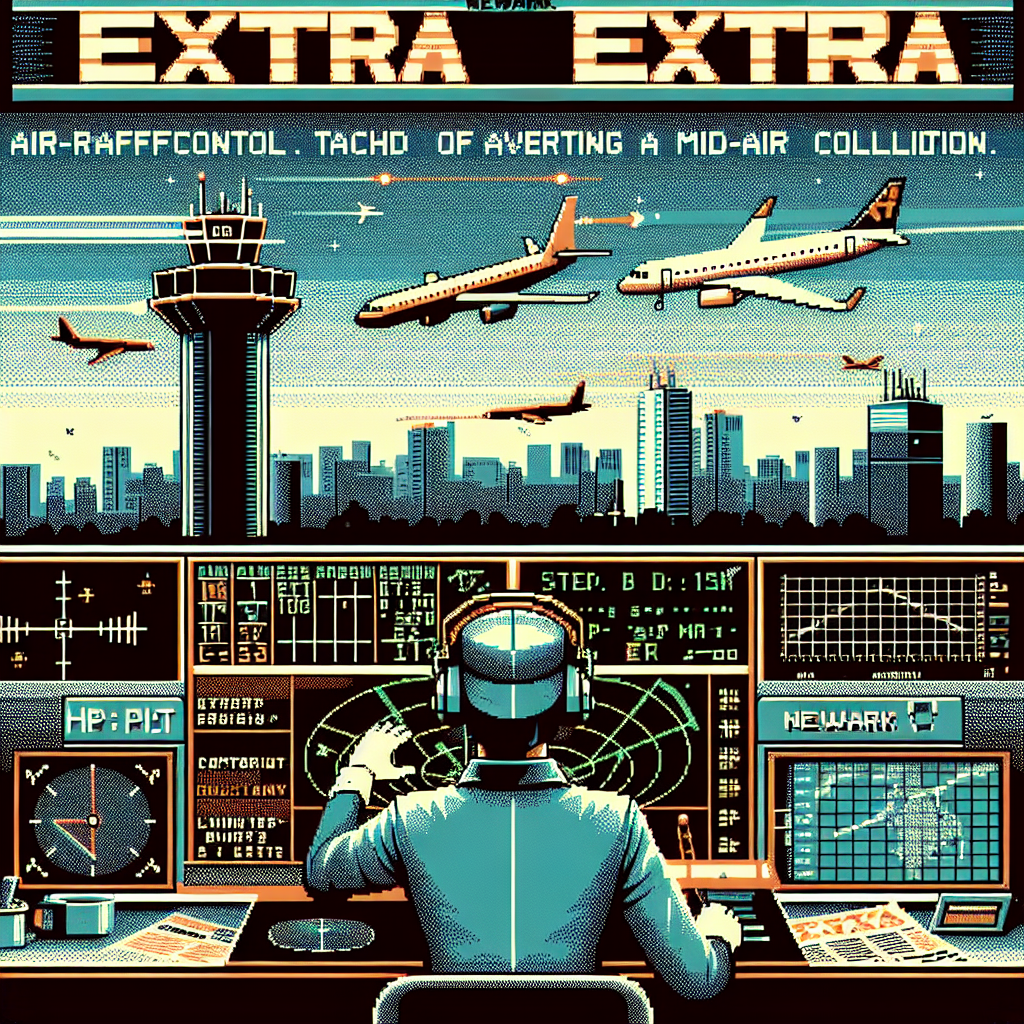
In a world where the hustle and bustle of daily life never seems to pause, there are a few unsung heroes who ensure that our skies remain safe. Recently, a Newark air-traffic controller's quick thinking and decisive action prevented a midair collision with mere seconds to spare. This nail-biting incident highlights the crucial role air-traffic controllers play in maintaining the safety of air travel, often working behind the scenes and away from the public eye.

Air-traffic controllers are akin to conductors of an unseen symphony, orchestrating the graceful ballet of aircraft that crisscross the sky. With a bird's-eye view and a voice that pilots rely on, these professionals must possess a keen sense of situational awareness, the ability to remain calm under pressure, and a penchant for multitasking—all while managing the lives of thousands of passengers.

The recent incident at Newark is a testament to the expertise and dedication of these controllers. But it's not just about averting disasters; it's about the everyday coordination that goes unnoticed yet ensures that flights take off, fly, and land safely. According to the Federal Aviation Administration, air-traffic controllers manage more than 5,000 aircraft at any given time in the United States alone. This staggering statistic underscores the complexity and importance of their work.

In other news, the day’s headlines are as diverse as they are intriguing. From a crackdown on ghost plates—those elusive license plates that evaded detection—to Styles P's inspiring health journey, and even a rather curious mention of Trump referencing a Hitler speech that, quite frankly, never happened, there is no shortage of captivating stories.

The ghost plate crackdown is a fascinating parallel to the air-traffic controller's role. Just as controllers ensure the skies are safe, law enforcement works tirelessly to keep our roads secure. The issue of ghost plates, which can be used to avoid tolls or mask illegal activities, highlights the ongoing challenge of adapting to new tricks and technologies that outpace regulation.

Meanwhile, Styles P's health journey is a reminder of the personal battles many face quietly. His openness about health and wellness brings to light the importance of self-care, something that resonates across fields, including air-traffic control, where stress management is key to maintaining peak performance.

As for the political landscape, Trump's curious reference to a non-existent Hitler speech is a stark reminder of the importance of fact-checking in an era of misinformation. It also draws an unexpected line to air-traffic control, where precision and accuracy are non-negotiable—a standard that could benefit discourse in other areas.

In the broader context, this Newark controller's heroic act serves as a metaphor for the countless individuals who perform critical tasks under the radar, ensuring the world operates smoothly. Whether it's preventing a collision or keeping our roads safe, these roles are vital and deserve recognition.

In closing, let us take a moment to appreciate the diligence and dedication of air-traffic controllers. Their work may often go unnoticed, but its impact is profound, reminding us all of the importance of staying calm, focused, and ready to act when it matters most. Safe travels, and may we all navigate our own skies with such grace and precision.

Read more about AI in Business

Read more about Latest Sports Trends

Read more about Technology Innovations

China Returns Boeing Jets, Report Says. It’s a Headwind for the Stock. – Barron’s | Analysis by Brian Moineau

China Returns Boeing Jets, Report Says. It’s a Headwind for the Stock. - Barron's | Analysis by Brian Moineau

Title: The Sky's the Limit: Navigating Turbulence Between Boeing and China

As global markets continue to navigate a complex web of economic, political, and environmental challenges, the aviation industry finds itself at a critical juncture. A recent report from Barron's highlights a new development that could have significant implications for one of the industry's giants: Boeing. According to the report, China has started returning Boeing jets, a move that could act as a headwind for the aerospace company's stock. While this news might initially sound like a setback for Boeing, let's take a closer look at the broader context and explore what this means for the aviation industry and international relations.

Aviation Industry's Crosswinds

The aviation industry has always been a barometer for global economic health. When the world thrives, so does air travel, and vice versa. However, the past few years have been anything but smooth sailing for airlines and aircraft manufacturers. The COVID-19 pandemic grounded flights worldwide, leading to unprecedented losses and restructuring across the sector. Just as the industry began to recover, geopolitical tensions and supply chain disruptions added further challenges.

China's decision to return Boeing jets may seem like a direct hit to the U.S.-based manufacturer, but it's crucial to understand the nuances behind this move. The global aviation market is fiercely competitive, with Boeing and its European rival, Airbus, constantly vying for dominance. China's return of Boeing jets could be part of a strategic shift towards domestically produced aircraft, such as those from the state-owned Commercial Aircraft Corporation of China (COMAC). This aligns with China's broader "Made in China 2025" initiative, which aims to reduce dependence on foreign technology and boost domestic innovation.

Navigating the Geopolitical Skies

This development also comes at a time of heightened geopolitical tensions between the United States and China. Trade wars, tariffs, and diplomatic disagreements have all contributed to an increasingly complex relationship between the two economic powerhouses. The aviation sector, being a major component of both economies, inevitably finds itself caught in the crossfire.

However, behind the headlines of economic rivalry, there are opportunities for collaboration and mutual growth. Aviation is one of the few industries where international cooperation is not only beneficial but essential. From safety standards to environmental regulations, the global nature of air travel necessitates a level of collaboration that transcends national borders. While China may be returning Boeing jets now, it's important to remember that markets are cyclical, and opportunities for future partnerships could arise as economic and political landscapes evolve.

Looking Beyond the Horizon

As we consider the implications of this report, it's worth taking a broader view of the aviation industry's trajectory. Environmental concerns are increasingly driving change, with a growing emphasis on sustainable aviation fuels and more efficient aircraft designs. Boeing, like other manufacturers, is investing in research and development to meet these new demands. The company's future success will depend not only on navigating current geopolitical challenges but also on its ability to innovate and lead in a rapidly changing industry.

In the meantime, investors and industry watchers should keep an eye on how Boeing and China maneuver through these turbulent times. While the return of jets might pose a short-term challenge, the long-term potential for growth and collaboration remains significant.

Final Thoughts

The return of Boeing jets by China is a reminder of the intricate connections between global markets, politics, and industry. While it presents a challenge for Boeing in the immediate term, it's also an opportunity for reflection and strategic planning. The aviation industry, much like the planes it builds, must be resilient, adaptable, and prepared to soar above the turbulence. As we watch the skies, let's hope for smoother flights ahead for both Boeing and the broader aviation sector.

Read more about AI in Business

Read more about Latest Sports Trends

Read more about Technology Innovations

‘It’s quite embarrassing’: China-bound United flight turns around after pilot forgets passport – CNN | Analysis by Brian Moineau

‘It’s quite embarrassing’: China-bound United flight turns around after pilot forgets passport - CNN | Analysis by Brian Moineau

Title: Passport Problems: The Unplanned Adventure of a China-Bound United Flight

In a world where the unexpected has become the new norm, a recent United Airlines incident provided a dose of humor in the skies that left both passengers and the aviation community chuckling. A China-bound United flight had to make an unexpected U-turn after the pilot realized he had forgotten his passport. Yes, even seasoned professionals can have those facepalm moments!

This comical incident unfolded when the pilot of the United flight bound for China from San Francisco discovered mid-flight that he had left his passport behind. Now, while forgetting a passport is a common traveler's nightmare, it's not something you'd expect from the person flying the plane. Yet, here we are, reminded that pilots are human too, and susceptible to the occasional slip-up.

A Light-Hearted Lesson in Preparedness

This story certainly resonates with anyone who has ever experienced that sinking feeling of realizing they've left something crucial at home. Missing a flight because of a forgotten passport or boarding pass is an unfortunate rite of passage for many travelers. The difference here is that, for most of us, the consequence is a missed flight, not a plane full of passengers making an unexpected return to the departure airport!

The incident is reminiscent of a similar situation in 2019 when the German Chancellor, Angela Merkel, had to turn back on her way to the G20 summit in Argentina due to a technical issue with her government aircraft. While Merkel's experience was due to technical difficulties, both stories highlight the fact that sometimes, no matter how prepared or experienced one is, life has its own plans.

The Human Side of Aviation

While the incident may be embarrassing for the pilot, it serves as a reminder of the human side of aviation. Pilots, much like the rest of us, juggle numerous responsibilities and face pressure to perform flawlessly. Yet, they too can have an off day. This light-hearted mishap offers a moment of levity and a reminder to double-check our essentials before heading out.

Aviation in the Age of Uncertainty

This event occurs at a time when the aviation industry is navigating a complex post-pandemic landscape. Airlines are adapting to new travel norms, fluctuating passenger numbers, and ever-changing regulations. The pilot's forgotten passport is a trivial matter in the grand scheme of things, but it underscores the unpredictability that defines today's travel experience.

Connecting the Dots Globally

On a broader scale, this incident is a metaphor for the unpredictability that the world is currently experiencing. From geopolitical tensions to climate change, the global community faces numerous challenges that require adaptability and resilience. Just as the passengers on the United flight had to adjust to the unexpected turn of events, so too must nations and individuals navigate the twists and turns of our rapidly changing world.

Final Thoughts

In the end, the story of the United flight's unplanned detour is a light-hearted reminder that even in high-stakes environments, the occasional human error is inevitable. It brings a smile to our faces and serves as a gentle nudge to always check our pockets (or cockpit) before embarking on a journey.

As the aviation industry continues to soar into the future, one can only hope that both pilots and passengers remember the all-important travel mantra: "Passport, boarding pass, wallet, keys." Let this be a lesson to us all, that while we can’t control everything, we can certainly try to be a little more prepared. Safe travels!

Read more about AI in Business

Read more about Latest Sports Trends

Read more about Technology Innovations