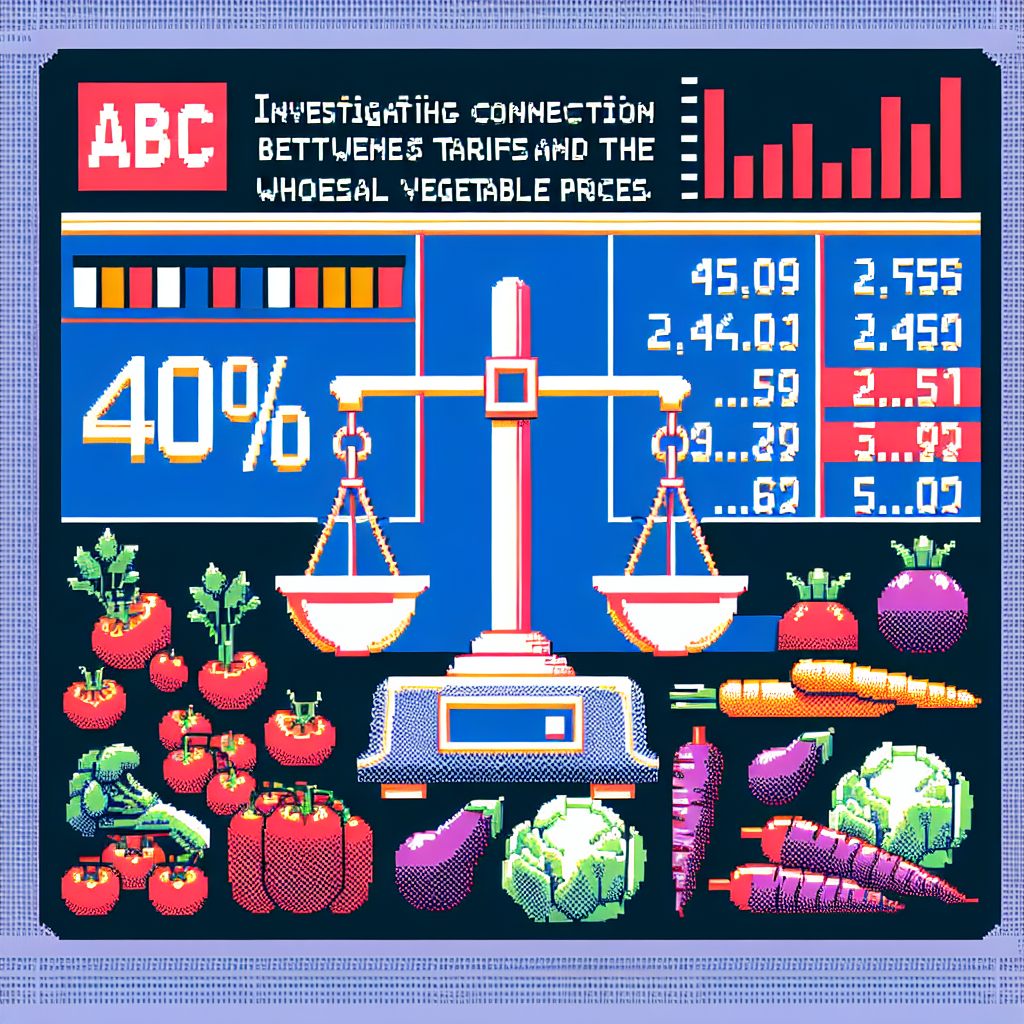
Are tariffs to blame for nearly 40% spike in wholesale vegetable prices? Experts weigh in – ABC News | Analysis by Brian Moineau

Are tariffs to blame for nearly 40% spike in wholesale vegetable prices? Experts weigh in – ABC News | Analysis by Brian Moineau

Title: Veggie Tales: Are Tariffs Turning Our Salads Into Pricey Delicacies?

Hello, dear readers! Today, we’re diving into a topic that’s spicing up dinner conversations and sprouting concerns among both consumers and economists alike. If the latest headline from ABC News is any indication, “Are tariffs to blame for nearly 40% spike in wholesale vegetable prices? Experts weigh in,” there’s quite a lot to chew on.

Now, let’s be honest. We all have a love-hate relationship with vegetables. They’re the unsung heroes of our plates, and while we may not always appreciate a broccoli floret or a spinach leaf, they’re vital for our health. But what happens when these leafy greens and vibrant veggies start costing as much as a prime rib? That’s the question at the heart of this article, and a 40% spike in wholesale prices is enough to raise eyebrows—and grocery bills!

The Tariff Tango

So, what’s driving this price surge? According to some experts, tariffs might be the culprits. Tariffs, for those of us who skipped that day in economics class, are taxes imposed on imported goods. They’re intended to protect domestic industries, but sometimes, they can create a ripple effect that leads to higher consumer costs.

In recent years, tariffs have been a hot topic globally. Remember the U.S.-China trade war? That wasn’t just a headline; it was a major economic event that had repercussions on everything from electronics to agriculture. And while the U.S. has been trying to untangle itself from this tariff web, the effects linger, like the aroma of garlic on your fingers after a good meal prep session.

A Global Green Crunch

But it’s not just tariffs causing our veggie woes. Climate change, labor shortages, and supply chain disruptions are all playing supporting roles in this drama. From droughts in California—America’s salad bowl—to unpredictable weather patterns across Europe, Mother Nature has been less than cooperative. A report from the United Nations’ Food and Agriculture Organization notes that extreme weather has significantly impacted global food production, making it a challenging time for farmers and consumers alike.

Moreover, the COVID-19 pandemic has thrown a wrench in the works, affecting labor markets and transportation networks. Remember when certain items seemed to vanish from store shelves faster than you could say “toilet paper”? Similar disruptions have hit the agricultural sector, complicating the journey from farm to table.

The Global Context

This isn’t just a U.S. problem. Across the pond, the United Kingdom has been grappling with its own set of challenges. Brexit has introduced new tariff barriers and regulatory hurdles, leading to increased costs and shortages. It’s a classic case of “you don’t know what you’ve got until it’s gone”—or in this case, until it’s more expensive.

Final Thoughts: From Farm to Table, and Beyond

So, what’s the takeaway here? As consumers, we might need to brace ourselves for a continued rollercoaster ride in grocery store prices. While tariffs are certainly a piece of the puzzle, they’re just one part of a complex global picture. It’s a reminder of how interconnected our world is and how local policies can have far-reaching effects.

In the meantime, perhaps it’s time to embrace creative cooking—exploring seasonal produce, starting a small home garden, or participating in community-supported agriculture programs. Not only could this help ease the sting of rising prices, but it also brings us closer to the food we eat and the people who grow it.

Here’s hoping for smoother trails and greener pastures ahead. Until next time, may your produce be plentiful and your meals delightful!

Read more about AI in Business

Read more about Latest Sports Trends

Read more about Technology Innovations


Related update: We recently published an article that expands on this topic: read the latest post.
Tommy Tofu, PETA to Protest at Nathan’s Hot Dog Eat Contest in Joey Chestnut’s Return – Bleacher Report | Analysis by Brian Moineau

Tommy Tofu, PETA to Protest at Nathan's Hot Dog Eat Contest in Joey Chestnut's Return - Bleacher Report | Analysis by Brian Moineau

Hot Dogs, Protests, and the Unstoppable Joey Chestnut: A July Fourth Showdown

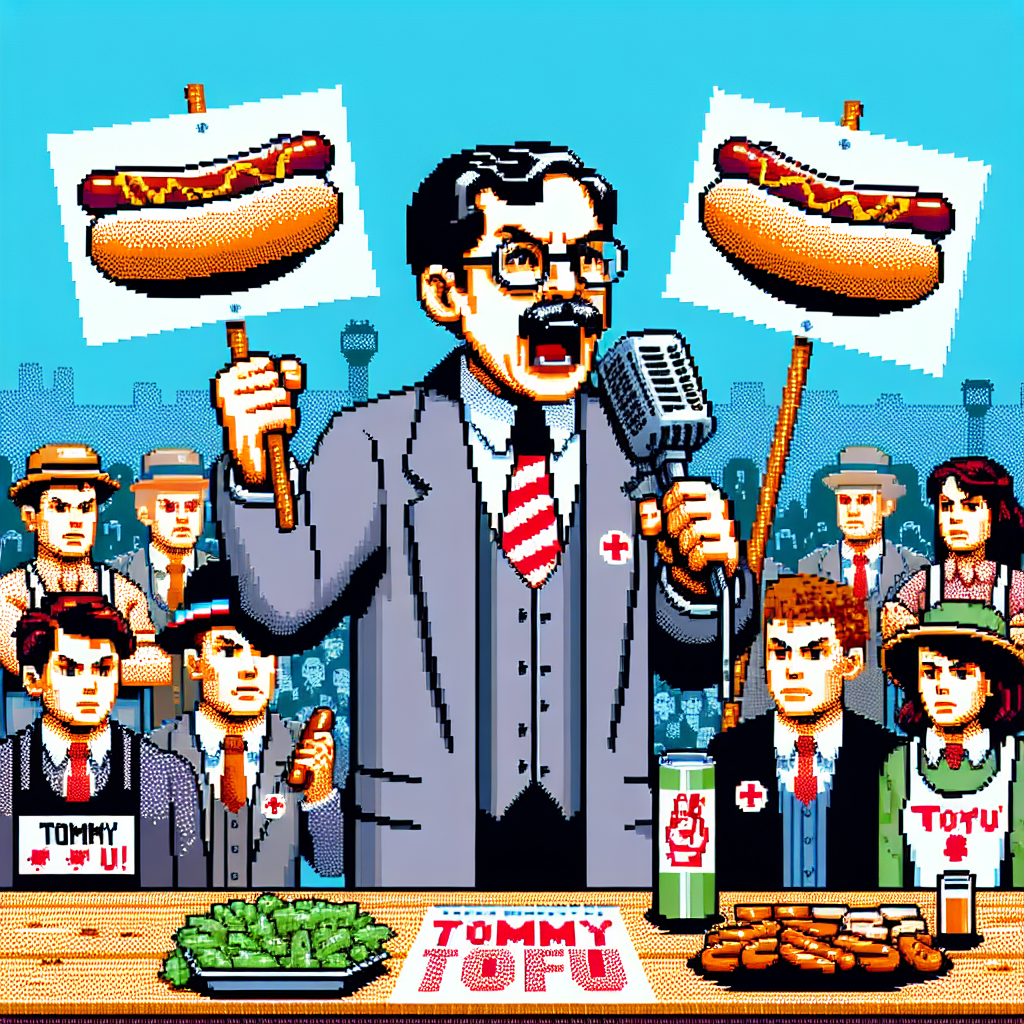
As fireworks illuminate the sky and the smell of barbecue wafts through the air, the Fourth of July offers a quintessential celebration of American culture. But nestled among the apple pie and patriotic parades is another tradition that captures the nation's attention: the Nathan's Famous Hot Dog Eating Contest. This year, the event promises to be even more intriguing as it marks the return of competitive eating legend Joey Chestnut, while simultaneously serving as a stage for a protest organized by PETA and their character, Tommy Tofu.

The King of Competitive Eating Returns

Joey Chestnut, the undisputed titan of the hot dog realm, is set to make his much-anticipated return to the competition. With 15 titles under his belt, Chestnut has become synonymous with the contest, setting world records and pushing the limits of human consumption. His last appearance saw him devour 76 hot dogs in ten minutes, a feat that left spectators in awe and competitors in the dust. But Chestnut is more than just a competitive eater; he's a symbol of perseverance, discipline, and the quirky yet beloved tradition that is competitive eating.

PETA's Culinary Crusade

While Chestnut prepares to reclaim his throne, PETA is gearing up for a different kind of spectacle. Armed with their mascot, Tommy Tofu, they aim to shine a light on the ethical implications of meat consumption. This protest is part of PETA's broader mission to advocate for animal rights and promote a plant-based lifestyle. The juxtaposition of Chestnut's hot dog heroics with PETA's passionate plea for compassion highlights a cultural crossroads that extends beyond the boardwalks of Coney Island.

A Broader Cultural Dialogue

This clash of hot dogs and ethics is not occurring in a vacuum. Across the globe, discussions about sustainability, animal welfare, and health are gaining momentum. From the rise of plant-based meat alternatives to the increasing popularity of initiatives like "Meatless Mondays," people are re-evaluating their dietary choices. The protest at Nathan's contest is a microcosm of these larger shifts, reflecting a society that's grappling with the implications of its culinary traditions.

Connecting the Dots

In a world where climate change and resource conservation are at the forefront of global conversations, the implications of meat consumption are more critical than ever. The United Nations has repeatedly highlighted the environmental impact of livestock farming, noting its significant contribution to greenhouse gas emissions. Similarly, documentaries like "Cowspiracy" and "The Game Changers" are influencing public perception, encouraging audiences to think critically about their food choices.

Final Thoughts

As the Nathan's Hot Dog Eating Contest unfolds this year, it's more than just a battle between competitors; it's a dialogue between tradition and transformation. Joey Chestnut's return is a testament to the enduring allure of competitive eating, while PETA's protest underscores the evolving conversations around what we consume. Both sides of the bun, so to speak, offer food for thought—pun intended. Whether you're cheering for Chestnut or championing change with PETA, this year's contest promises to be a memorable one.

In the end, perhaps the real victory lies not in the number of hot dogs eaten or the fervor of the protest but in the ability to celebrate our differences and engage in meaningful conversations about our shared future. So grab your favorite snack, whatever it may be, and enjoy the show!

Read more about AI in Business

Read more about Latest Sports Trends

Read more about Technology Innovations

Hedge funds capitulate, investors brace for margin calls in market rout – Yahoo Finance | Analysis by Brian Moineau

Hedge funds capitulate, investors brace for margin calls in market rout - Yahoo Finance | Analysis by Brian Moineau

Navigating the Storm: Hedge Funds, Trade Wars, and the Market's Rollercoaster

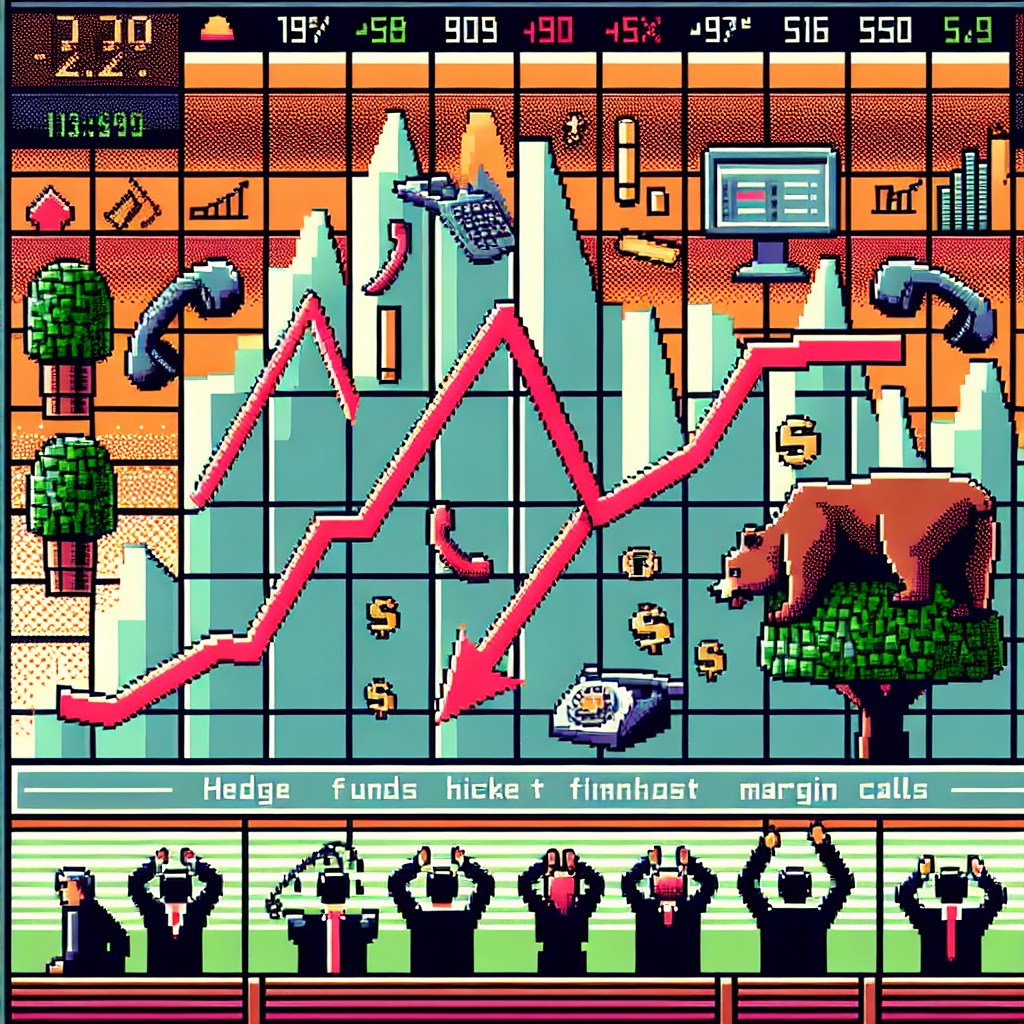
Ah, the financial markets—a place where fortunes can be made, lost, or simply evaporate like a mist on a sunny morning. The recent news from the world of hedge funds is a testament to the latter. According to a gripping piece by Yahoo Finance, several hedge funds are throwing in the towel, unloading stocks faster than you can say "market rout." As U.S. President Donald Trump's trade war continues to cast a long shadow over global markets, these financial giants find themselves grappling with the tumultuous seas of economic uncertainty.

The Hedge Fund Exodus: A Closer Look

Hedge funds have always been the adrenaline junkies of the financial world, taking on risks that others shy away from. Yet, even they have their limits. The trade war, initiated by former President Trump, was like an unexpected plot twist in a financial thriller, leaving hedge funds in a precarious position. Many are now offloading their holdings, anticipating the dreaded margin calls that could spell financial ruin.

In the world of finance, a margin call is akin to the unwelcome guest at a party—inevitable but unpleasant. When investors borrow money to buy stocks, they do so with the expectation that the value of their investments will rise. But when markets falter, as they have been recently, those borrowed funds can turn into a financial albatross.

A Global Perspective: Trade Wars and Market Waves

While the hedge funds are busy recalibrating their strategies, the rest of us are left to ponder the broader implications. The trade war, which began over tariffs and has since snowballed into a full-blown economic conflict, is not just a U.S.-China affair. It’s a global phenomenon, sending ripples through economies worldwide.

Countries like Germany, heavily reliant on exports, are feeling the pinch. Even emerging markets that were once the darlings of global investors are now seen as risky bets. It's a classic case of how interconnected our world has become—a butterfly flaps its wings in Washington D.C., and a typhoon develops in Hong Kong.

Drawing Parallels: Financial Markets and Climate Change

Interestingly, the uncertainty in financial markets mirrors another pressing issue: climate change. Both are global problems requiring coordinated efforts and innovative solutions. While hedge funds grapple with market volatility, governments and businesses worldwide are facing pressure to address environmental changes before they become irreversible.

The idea of "capitulation" is not just a financial term; it can also apply to how we handle environmental and social challenges. Just as hedge funds are rethinking their strategies, perhaps it's time for global leaders to rethink how we address climate change, embracing sustainability as a long-term investment in the planet's future.

Final Thoughts: Weathering the Market Tempest

As hedge funds navigate this financial storm, investors are left bracing for impact. The market, much like the weather, is ever-changing and unpredictable. Yet, within this uncertainty lies opportunity—for those willing to adapt and innovate.

In the words of Warren Buffett, "Be fearful when others are greedy and greedy when others are fearful." As the financial world holds its breath, perhaps the next wave of opportunity is just around the corner, waiting for the bold to seize it. Until then, keep your seatbelt fastened and your eyes on the horizon—it's going to be a bumpy ride.

For those interested in the original article, you can read more on Yahoo Finance. And for a broader understanding of how trade wars can affect global markets, consider exploring related material on economic policies and their impacts on global trade dynamics.

Read more about AI in Business

Read more about Latest Sports Trends

Read more about Technology Innovations