Figure (FIGR) Debuts on Nasdaq with $787M IPO After Circle’s Success – TipRanks | Analysis by Brian Moineau

Figure (FIGR) Debuts on Nasdaq with $787M IPO After Circle’s Success - TipRanks | Analysis by Brian Moineau

Figure Technology's Dazzling Nasdaq Debut: Riding the IPO Wave


Today marks a significant milestone for Figure Technology as it steps onto the grand stage of the Nasdaq, trading under the ticker symbol "FIGR." With a robust $787.5 million raised in its U.S. initial public offering, this fintech company is making quite the splash, echoing the recent success of Circle's own market debut.

A New Challenger in the Fintech Arena


Figure Technology's IPO arrives at an intriguing moment in the fintech landscape. As digital transformation reshapes financial services, companies like Figure are poised to leverage blockchain technology and AI to disrupt traditional banking. Founded by Mike Cagney, a Silicon Valley veteran, Figure is no stranger to innovation. Cagney, who previously co-founded SoFi, brings a wealth of experience and ambition to Figure, aiming to streamline financial transactions and lending processes.

The timing of Figure's debut couldn't be more opportune. With investors increasingly eyeing fintech for its potential to revolutionize the financial sector, Figure's IPO serves as a testament to the market's appetite for digital transformation. The company's use of blockchain to enhance transparency and efficiency in financial services aligns with the growing shift towards decentralized finance (DeFi), a trend that's captivating both investors and consumers worldwide.

IPOs and the Broader Market Landscape


Figure's successful IPO is part of a broader trend of fintech companies capitalizing on public markets. The buzz around fintech IPOs has been amplified by the likes of Robinhood and Coinbase, both of which have captured investor interest with their innovative approaches to traditional finance. This wave of fintech IPOs reflects a broader shift in market dynamics, where digital-first companies are increasingly seen as the future of finance.

But it's not just the fintech sector that's buzzing with IPO activity. The U.S. stock market has been experiencing a resurgence of public offerings across various sectors, from technology to healthcare. This resurgence is partly fueled by a strong economic recovery and investor confidence in post-pandemic growth, as well as the allure of fresh capital to fund new ventures and innovations.

Global Connections and the Tech Ecosystem


Figure's IPO also highlights the interconnected nature of today's global tech ecosystem. As companies like Circle and Figure advance blockchain technology, they're not only shaping the future of finance but also influencing other sectors. For instance, industries like supply chain management and healthcare are beginning to explore blockchain for its potential to enhance transparency and efficiency.

Moreover, Figure's success story is a reminder of the global race for technological supremacy. As countries like China and the U.S. vie for leadership in tech innovation, companies at the forefront of fintech, AI, and blockchain are crucial players on this competitive stage.

Final Thoughts


Figure Technology's debut on the Nasdaq is more than just a financial milestone; it's a reflection of the dynamic and rapidly evolving landscape of the fintech industry. As Figure embarks on its journey as a public company, it carries the potential to redefine the way we think about finance, leveraging technology to create a more efficient and transparent system.

In this era of digital transformation, Figure's story is a reminder of the limitless possibilities that lie ahead. As investors and consumers alike keep a close eye on its progress, one thing is certain: the future of finance is being written today, and it's digital, innovative, and full of promise.

Read more about AI in Business

Read more about Latest Sports Trends

Read more about Technology Innovations

Revolut Begins Secondary Share Sale at $75 Billion Valuation – Bloomberg.com | Analysis by Brian Moineau

Revolut Begins Secondary Share Sale at $75 Billion Valuation - Bloomberg.com | Analysis by Brian Moineau

Revolut's Billion-Dollar Leap: What the Secondary Share Sale Means for Fintech and Beyond

In the fast-paced world of fintech, Revolut Ltd. is making waves once again, this time with a secondary share sale that values the company at a staggering $75 billion. This isn't just a number; it's a statement. A testament to how far Revolut has come since its inception in 2015, when Nikolay Storonsky and Vlad Yatsenko dared to dream of a new way to handle money. This move allows some employees to cash in on their hard-earned equity, recognizing the sweat and tears that have gone into building this financial juggernaut. But what does this mean for the fintech landscape, and how does it fit into the broader economic tapestry of 2023?

The Rise of Revolut


Revolut's journey is a classic fintech fairy tale. From its humble beginnings as a currency exchange service, it has morphed into a global financial super-app, offering everything from stock trading to cryptocurrency purchases. It mirrors the trajectory of other tech giants like Stripe and Plaid, which have also captured investor imagination and dollars. This secondary share sale at such a high valuation underscores investor confidence not just in Revolut, but in the future of digital banking.

A Broader Fintech Boom


Revolut's valuation is part of a larger trend where fintech companies are reshaping the financial industry. According to CB Insights, global fintech funding reached a record $132 billion in 2021, and the momentum hasn't slowed. Companies like Robinhood and Coinbase have gone public, further validating the sector's promise. The shift towards digital financial services has been accelerated by the pandemic, as consumers seek more online and contactless options. Revolut's high valuation reflects this shift and signals that investors see long-term potential in fintech's ability to disrupt traditional banking.

Comparisons and Connections


This move by Revolut can be compared to the secondary sales and IPOs of other tech giants. Take Airbnb, for example, which also offered secondary sales to employees before its IPO. This strategy not only rewards early employees but also helps manage liquidity without the immediate pressure of going public. In the broader tech world, secondary share sales have become a popular method for companies to manage employee compensation, especially in the pre-IPO stage.

Moreover, Revolut's valuation brings it closer to the ranks of major financial institutions, potentially influencing how traditional banks approach innovation and technology. It’s not just about fintech versus banks anymore—it's about integration, partnerships, and coexistence.

The Global Context


Globally, financial landscapes are shifting. In Europe, open banking initiatives are paving the way for fintech innovations, while in the U.S., regulatory changes are being discussed that could further impact fintech development. Revolut's rise is emblematic of these changes, and it will be interesting to see how the company navigates the regulatory landscapes in different countries.

Final Thoughts


Revolut's secondary share sale is more than just a financial maneuver; it's a reflection of where the world is headed. As fintech continues to grow and evolve, companies like Revolut are not just participants but pioneers in this new financial era. For employees cashing in on their equity, it's a well-deserved reward for their role in building a company that's changing how we think about money. For the rest of us, it's a reminder of the exciting possibilities that lie ahead in the world of fintech.

In a world where innovation is the currency of success, Revolut's $75 billion valuation isn't just a number—it's a beacon for the future of finance.

Read more about AI in Business

Read more about Latest Sports Trends

Read more about Technology Innovations

Google left months-old dark mode bug in Android 16, fix planned for next Pixel Drop – Ars Technica | Analysis by Brian Moineau

Google left months-old dark mode bug in Android 16, fix planned for next Pixel Drop - Ars Technica | Analysis by Brian Moineau

Title: The Curious Case of the Dark Mode Bug: A Glimpse into the World of Technology's Quirks

In the fast-paced world of technology, where every device in our pockets and homes is constantly evolving, the little things sometimes slip through the cracks. Take, for example, the tale of the recent dark mode bug in Android 16. Discovered in March, this pesky glitch left users squinting at their screens as they tried to embrace the tranquility of dark mode. Yet, despite its early appearance, this bug won't see a resolution until the next Pixel Drop, which could be as late as September. It's a reminder that even tech giants like Google can have their off days.

A Bug's Life in the Tech Jungle

Bugs are the uninvited guests at the tech party, and they certainly know how to crash it. The dark mode bug in Android 16 is just one of many instances where technology takes a slight detour. This particular bug prevents users from fully enjoying the aesthetic and battery-saving benefits of dark mode—a feature adored by night owls and battery-conscious users alike.

While Google's Android team is undoubtedly working hard behind the scenes, the delay in fixing this bug raises eyebrows. Why does it take so long for a tech behemoth to address such a widespread issue? The answer lies in the complexity of software development. As systems become more intricate, ensuring compatibility and stability across millions of devices is no small feat.

The Global Tech Symphony

This isn't the first time a tech company has faced scrutiny for taking its time with a fix. Remember Apple’s infamous "Batterygate" scandal? Back in 2017, the tech world was abuzz when users discovered that their older iPhones were being intentionally slowed down. Apple's rationale was to prevent unexpected shutdowns, but the lack of transparency left users feeling betrayed. It took months for Apple to issue an apology and offer discounted battery replacements.

These incidents remind us that while technology is a marvel, it's still orchestrated by humans—a fact that often leads to unexpected hiccups. Just as in any symphony, the occasional discordant note is inevitable.

Tech Tribulations in a World of Change

Interestingly, this dark mode debacle coincides with a broader conversation about technology’s role in our lives. As we rely more on digital devices, our expectations for seamless functionality increase. Yet, the pandemic taught us that patience and adaptability are virtues, even in the digital realm. Just as we adjusted to working from home and virtual socializing, perhaps we can extend some grace to our tech providers.

Moreover, this bug saga unfolds amidst other significant events. For instance, as AI continues its rapid advancement, humans are learning to navigate new ethical and societal challenges. Simultaneously, climate change discussions emphasize the need for sustainable technology. These global narratives remind us that while a dark mode bug might seem trivial, it is part of a larger tapestry of technological evolution.

Final Thoughts: Embracing Imperfection

As we await the next Pixel Drop and the subsequent fix, let's take a moment to appreciate the imperfect nature of technology. Bugs, while frustrating, are a testament to the ever-evolving landscape of innovation. They challenge companies to do better and remind us of the human element behind our screens.

So, the next time your dark mode doesn't work as intended, remember that every glitch is an opportunity for growth. In the grand scheme of things, these quirks are what make the tech world so fascinating. After all, without a few bugs, where would the fun be in debugging?

Read more about AI in Business

Read more about Latest Sports Trends

Read more about Technology Innovations

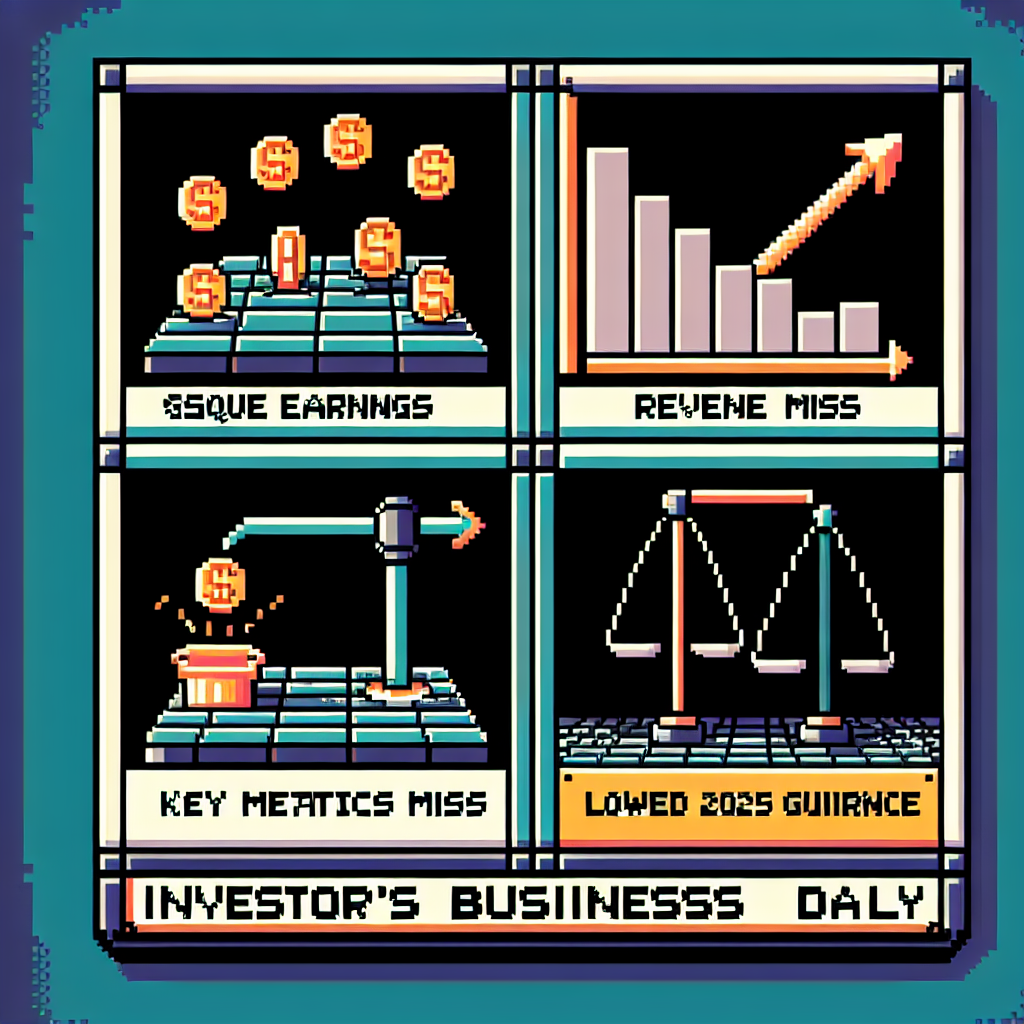
Square Earnings, Revenue, Key Metrics Miss In Q1. Payment Firm Lowers 2025 Guidance. – Investor’s Business Daily | Analysis by Brian Moineau

Square Earnings, Revenue, Key Metrics Miss In Q1. Payment Firm Lowers 2025 Guidance. - Investor's Business Daily | Analysis by Brian Moineau

A Rocky Start for Square: Navigating the Choppy Waters of Q1 Earnings


In the world of finance, a company’s earnings report can be akin to a blockbuster movie release. Investors wait with bated breath, analysts sharpen their pencils, and the market collectively holds its breath. The latest release from Square, the payments firm now known as Block, was met with quite a plot twist — a plunge in stock price following their Q1 earnings and revenue report that missed Wall Street estimates, alongside a lowered fiscal 2025 guidance.

A Slightly Bumpy Ride

Square has long been a darling of the fintech world, celebrated for its innovative approach to digital payments and its ability to empower small businesses. However, even the most visionary companies encounter turbulence. Block's recent earnings report, which revealed a less-than-stellar performance in the first quarter, sent shockwaves through the financial community.

The company’s revenue and earnings for Q1 fell short of expectations, leading to a swift reaction in the stock market with a significant drop in share prices. The lowered guidance for fiscal year 2025 added another layer of complexity to the narrative. But let’s not hit the panic button just yet. After all, even the best-laid plans can go awry — especially in a post-pandemic world where unpredictability has become the norm.

A Broader Context

To put Block’s situation in perspective, it’s essential to consider the broader economic landscape. The entire technology and financial sectors have been navigating a challenging environment marked by inflationary pressures, fluctuating consumer spending, and the ever-present specter of regulatory scrutiny. These factors have contributed to a notably volatile market, not just for Square but for many companies across the globe.

Interestingly, Block’s challenges come at a time when other sectors are experiencing their own ups and downs. For instance, as Block grapples with its financial forecasts, the automotive industry is facing supply chain disruptions, and the tech industry is battling chip shortages. It’s a reminder that unpredictability is a theme that resonates far beyond the boundaries of a single sector.

Innovating Through Adversity

Despite the current setback, it’s important to remember that Square, or Block, has always been a company that thrives on innovation. Under the leadership of Jack Dorsey, known for his forward-thinking approach and his role in co-founding Twitter, Square has consistently pushed the envelope. Whether it’s venturing into cryptocurrency with its Cash App or exploring decentralized finance, Block is not one to shy away from taking risks.

Moreover, as businesses worldwide adapt to new consumer behaviors and digital payment trends continue to evolve, Block has the opportunity to recalibrate and refine its strategies. The fintech landscape is constantly shifting, and those who adapt quickly can often emerge stronger.

Looking Ahead

So, what does the future hold for Square? While the immediate reaction might be one of concern, there’s a broader narrative to consider. Square is a company built on resilience and innovation, and these qualities will be crucial as it navigates the road ahead. The lowered guidance for 2025 might seem like a setback, but it also reflects a realistic assessment of the challenges and opportunities that lie in wait.

In conclusion, while Square’s Q1 earnings report might have missed the mark, it’s a reminder that business, much like life, is filled with ebbs and flows. The key is to stay the course, adapt to the changing tides, and continue to innovate. After all, as the saying goes, it's not about how many times you fall, but how many times you get back up that truly counts. So, here’s to Block — may it ride the waves of the future with the resilience and creativity it’s known for.

Read more about AI in Business

Read more about Latest Sports Trends

Read more about Technology Innovations