A tiny French studio, a sweeping RPG, and a presidential nod: why Clair Obscur matters
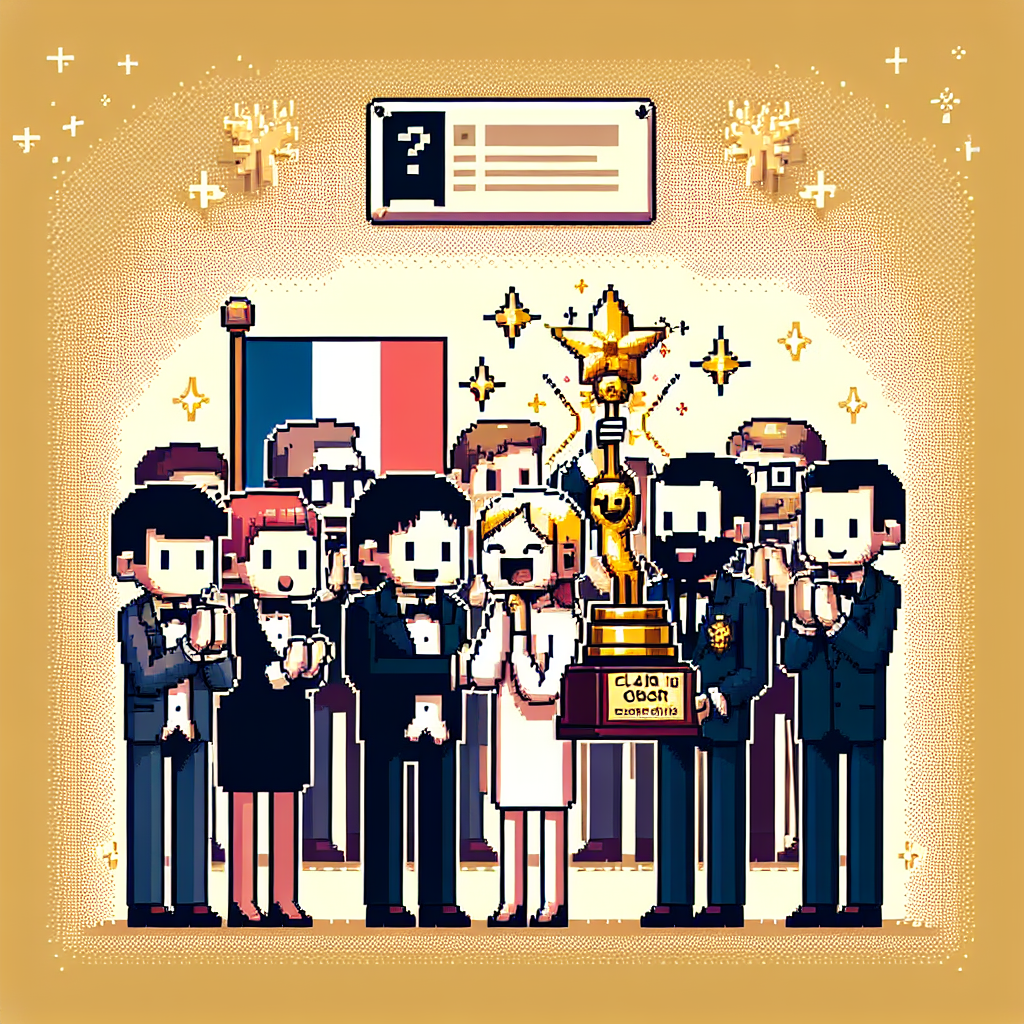
When a relatively small Montpellier studio walks away from The Game Awards with Game of the Year — and the president of France posts public congratulations — you know something cultural has shifted. Clair Obscur: Expedition 33 isn’t just a surprise hit; it’s an example of how narrative ambition, indie craft, and national pride can collide in the most public of ways.
Why Emmanuel Macron’s congratulations feel bigger than a social media shout-out
- Macron’s Instagram praise came twice: first after the game’s breakout commercial success earlier in 2025 and again following its record-setting haul at The Game Awards in December 2025.
- His second message called the Game Awards win “a historic first for a French title” and framed the achievement as “great pride for Montpellier and for France.” (videogameschronicle.com)
That tone matters. Political leaders rarely weigh in on entertainment awards unless they see national cultural value — think of film festivals, literature prizes, or sporting victories. Macron’s public recognition signals that big, mainstream gaming moments are now part of national cultural conversation in France, not just niche industry talk.
What Clair Obscur did — and why the industry took notice
- It swept multiple major categories at The Game Awards 2025, including Game of the Year, Best Narrative, Best Game Direction, Best Art Direction, Best Score and Music, Best RPG, and several indie-focused awards — a historic haul that made it one of the most-awarded games in the ceremony’s history. (gamesradar.com)
- The game launched from Sandfall Interactive, a modestly sized French studio, and paired strong sales with critical acclaim — the combination that turns a successful release into a conversation starter about how games are made and valued. (en.wikipedia.org)
This mixture of indie origin, artistic ambition, and mainstream recognition complicates the old “indie vs AAA” story. Clair Obscur shows that a focused, coherent vision — and a smart relationship with players and press — can break through award seasons and sales charts alike.
A few broader ripples to watch
- National industries: Macron’s praise could amplify interest in French game development funding, education, and export programs. Governments often point to cultural wins when arguing for more creative-sector investment. (videogameschronicle.com)
- Indie visibility: A high-profile indie success re-centers conversations about creative risk, narrative-driven design, and sustainable studio models that avoid exploitative monetization. Industry leaders and fellow developers have publicly lauded Sandfall’s scale and choices. (en.wikipedia.org)
- Cultural legitimacy: Games increasingly operate in the same cultural register as film and literature. When a president celebrates a title as representative of national audacity and creativity, that feeds broader acceptance of games as art and soft power.
A concise takeaway for readers (and gamers)
- Clair Obscur: Expedition 33 proves that a small, well-crafted game can win the world’s attention — and win respect at the highest civic levels. That shift benefits players, creators, and national industries that want culture that travels.
My take
There’s a satisfying poetry to this moment: a team of creatives in Montpellier builds something personal and precise, players respond in force, critics reward daring, and a head of state frames it as national pride. That flow — from studio spark to cultural recognition to political acknowledgment — is exactly the arc that helps games move from hobby to heritage. It doesn’t mean every political comment is unalloyed praise (leaders often have complicated relationships with gaming), but Macron’s public congratulations are a reminder that games now live squarely in the lens of culture and diplomacy.
Sources
-
Blake, Vikki. “French President publicly congratulates Clair Obscur: Expedition 33, calling the Game of The Year win 'a historic first'.” Eurogamer. December 13, 2025.
https://www.eurogamer.net/ -
Wales, Matt. “Great pride for France: President congratulates Clair Obscur after historic night at The Game Awards.” Video Games Chronicle. December 13, 2025.
https://www.videogameschronicle.com/news/great-pride-for-france-president-congratulates-clair-obscur-after-historic-night-at-the-game-awards/ -
Makuch, Eddie. “Clair Obscur: Expedition 33 Just Made The Game Awards History.” GameSpot. December 11, 2025.
https://www.gamespot.com/articles/clair-obscur-expedition-33-just-made-the-game-awards-history/1100-6536918/ -
Nunneley, Stephany. “Clair Obscur: Expedition 33 gets free update to ring in record-breaking The Game Awards GOTY win.” GamesRadar+. December 14, 2025.
https://www.gamesradar.com/games/jrpg/clair-obscur-expedition-33-gets-free-update-to-ring-in-record-breaking-the-game-awards-goty-win-new-weapons-new-quest-new-boss/
(Notes: linked articles above provide reporting on Macron’s messages, the Game Awards results, and the cultural response around Sandfall Interactive’s win.)
Related update: We recently published an article that expands on this topic: read the latest post.
Related update: We recently published an article that expands on this topic: read the latest post.
Related update: We recently published an article that expands on this topic: read the latest post.