
Professor Layton Finally Arrives on PS5 | Analysis by Brian Moineau

Tip of the hat to you, sir

Introduction

Professor Layton Makes His Long-Awaited PS5 Debut Later This Year, Almost 20 Years After the Series Started — those words land like a polite but excited bow. For anyone who grew up coaxing riddles and clockwork secrets out of a stylized Victorian London on a handheld, the news that Level‑5’s puzzle maestro is finally stepping onto PlayStation 5 and PC alongside Nintendo platforms feels both inevitable and wildly overdue.

This post walks through what changed, why it matters for the franchise and the games industry, and what Layton’s migration from Nintendo exclusivity to a true multiplatform launch could mean for fans new and old.

Why this moment feels so big

  • The Professor Layton series began in 2007 on the Nintendo DS and carved its reputation around clever puzzles, cozy storytelling, and an art‑book visual voice. For nearly two decades the franchise was mostly a Nintendo territory.
  • Level‑5’s new entry, Professor Layton and the New World of Steam, was teased in prior showcases and delayed into 2026. The April Level‑5 Vision 2026 update confirmed a worldwide launch “toward the end of 2026” and — crucially — added PlayStation 5 and Windows (Steam) to the platform list.
  • That expansion makes this the first mainline Layton game to officially arrive on non‑Nintendo home consoles and PC, widening the audience for a series often associated with portable, touch‑based puzzling.

A fresh heading for an old favorite

Professor Layton Makes His Long-Awaited PS5 Debut Later This Year, Almost 20 Years After the Series Started

Putting the core topic front and center: Level‑5’s press updates and the new trailer confirm that Professor Layton and the New World of Steam will reach PS5 and PC in the same release window as Switch and Switch 2, with a global simultaneous launch penciled in for the end of 2026. For players who associate Layton with small screens and stylus clicks, the move suggests a deliberate reimagining — not a reboot, but an evolution.

What’s new in the game itself

  • Setting and tone: The game is set in Steam Bison, a steam‑driven American city that leans into the series’ affinity for charming, slightly off‑kilter locales. The narrative reportedly picks up about a year after events from earlier titles, promising both continuity and a fresh stage for mystery.
  • Presentation and mechanics: Early trailers and developer notes show fully 3D environments and expanded movement across towns — a departure from the mostly static maps of past DS/3DS entries. Mouse and PC controls were mentioned for non‑Switch versions, hinting at puzzle UIs rethought for controllers and keyboards alike.
  • Puzzles: Level‑5 promises “the most puzzles in series history” for this chapter. That’s an enticing line, but it also raises questions about puzzle quality and balance — can quantity coexist with the elegant designs that defined the originals?

Why multiplatform matters — beyond sales

  • Accessibility: New platforms mean Layton reaches players who never owned a DS or 3DS and don’t plan to invest in a Switch. PC and PS5 users get a chance to discover the series without hunting down legacy hardware or ports.
  • Preservation and legacy: Porting a beloved series to modern consoles can prevent it from becoming a dusty footnote. When distributed on major platforms, classic franchises have better odds of being preserved, patched, and rediscovered by future generations.
  • Creative possibility: Working for consoles and PC encourages developers to rethink interface, pacing, and visual storytelling. That can be a double‑edged sword: it may elevate the series’ cinematic and exploratory aspects, but it also risks losing the compact charm that made Layton a handheld staple.

Concerns for longtime fans

  • Puzzle fidelity: The original games benefited from contributors like Akira Tago and a design philosophy tuned to handheld play. With new platforms and a new era of designers, some longtime fans worry puzzles could skew toward spectacle or ambiguous solutions.
  • Localization timing: Historically, Layton games reached the West long after Japanese releases. Level‑5’s talk of a simultaneous worldwide launch is promising, but skeptical fans remember long waits and staggered rollouts.
  • Platform omissions: The announcement notably did not include Xbox, which may disappoint some players and leaves questions about Level‑5’s longer‑term platform strategy.

How this fits into larger industry trends

  • Franchises expanding beyond their original exclusivity is now normal. Bringing a property from a single‑platform identity to multiplatform release can rejuvenate creative interest and commercial prospects.
  • The move also reflects how studios need broader audiences to justify larger budgets. A global simultaneous launch across Switch, Switch 2, PS5, and PC gives Level‑5 the breathing room to invest in more ambitious visuals, voice work, and localization efforts.
  • Finally, Layton’s PS5/PC debut may nudge other “cult handheld” franchises to consider broader releases — especially ones with strong narratives and character work that translate well to living room audiences.

Transitions and expectations

We should temper excitement with realistic expectations. Level‑5 delayed the game into 2026 to “deliver the game in the best possible form,” and the new announcements frame the title as “nearing completion” rather than ready to ship tomorrow. That’s healthy. A well‑polished Layton game on modern hardware will reward patience far more than a rushed release.

My take

There’s a certain theatrical flourish to this story: a dignified professor, nearly two decades after his first case, tipping his hat and stepping onto a larger stage. Level‑5 is taking a chance — and the safest bet is to let them take their time and get the details right. If they do, Professor Layton and the New World of Steam could be the best possible bridge between the series’ comforting past and a wider, more diverse future audience.

Sources

Final thoughts

Tip of the hat to you, sir — and to the team keeping Professor Layton’s fires burning. This PS5 and PC arrival is more than a platform announcement; it’s a vote of confidence in the series’ ability to charm a new generation and to remind older players why they once fell for a puzzle‑solving gentleman in a top hat. Here’s hoping the puzzles remain fair, the characters warm, and the mystery as satisfying as ever.

Miyamoto’s Push to Make Pikmin Ubiquitous | Analysis by Brian Moineau

Somebody get this man a Pikmin

Somebody get this man a Pikmin — and maybe a whole crate. Shigeru Miyamoto saying he's "on a mission" to include Pikmin in any kind of Nintendo product he can is equal parts delightful and revealing. It tells us more than fandom wishful thinking; it signals how Nintendo’s creative strategy quietly shifts when one of its architects becomes personally invested in an IP’s expansion.

Pikmin started as a quirky GameCube experiment in 2001 and quietly grew into one of Nintendo’s most distinctive franchises. Miyamoto treating Pikmin like a “talent” in an agency roster — a character set that can be dropped into diverse experiences — reframes how we might expect Nintendo to deploy its lesser-seen icons going forward.

Why Miyamoto's mission matters

Miyamoto isn’t just the creator of Mario and Zelda — he’s one of Nintendo’s chief narrative stewards. When he says he wants Pikmin to appear “in any kind of Nintendo product,” that’s not a CEO marketing edict; it’s a creative nudge that can ripple through development teams, theme-park designers, and film producers.

  • It reflects a broader Nintendo trend: cross-medium storytelling and brand placement beyond the core console ecosystem (apps, theme parks, short films, and movies).
  • It acknowledges Pikmin’s unusual flexibility: tiny, nonverbal creatures that are cute enough to charm children but also odd and fascinating enough to capture adults’ imaginations.
  • It puts Pikmin on the shortlist for cameo culture — not just Easter eggs, but meaningful appearances that help grow an audience.

Put simply: when Miyamoto wants something, people listen. That makes his affection for Pikmin a practical roadmap for more Pikmin in the wild.

Pikmin: the perfect cameo characters

There’s a reason Pikmin make natural crossovers. They’re visually distinct, emotionally accessible, and — crucially — they don’t need long backstories to work. A Pikmin can pop into a park scene, a movie background, or a game HUD and instantly read as “cute helper creature” without stealing the spotlight.

Contrast that with a heavyweight IP like Mario or Zelda. Those characters carry expectations and story baggage. Dropping Mario into anything risks recontextualizing the host product. Pikmin, by design, blend.

  • They add texture without dominating.
  • They appeal across ages: kids see friends; older fans see a beloved franchise getting love.
  • They can be merch, in-park gags, or narrative devices in animation.

That blend makes Miyamoto’s push more than fandom nostalgia — it’s a smart brand play.

Where we've already seen Pikmin pop up

Pikmin have been creeping into the broader Nintendo ecosystem for a while. Recent years saw:

  • Theme-park nods and hidden Pikmin in Super Nintendo World installations.
  • Short animated pieces and the Pikmin Bloom mobile experiment that played with AR and location-based play.
  • Easter eggs in modern Nintendo titles and, as Miyamoto noted, even flavors of cameo in the Super Mario Galaxy movie.

Those placements weren’t accidental. They were tests: small experiments to measure reaction and see how Pikmin function outside their core games. Miyamoto’s renewed insistence suggests Nintendo could scale those experiments into bigger bets — more shorts, more merch, and potentially standalone media. (nintendolife.com)

The practical upsides for Nintendo

If you look past the cuddly appeal, Miyamoto’s mission offers Nintendo measurable benefits.

  • Audience growth: Cameos and cross-media presence bring Pikmin to people who don’t play Nintendo games.
  • Low-risk experimentation: Pikmin appearances can be tiny and incremental — a poster in a movie, park animatronics, or short-form content — so the company can test before investing heavily.
  • Merchandise and IP value: Small characters scale well into plushes, collectibles, and AR filters that monetize fandom without the production costs of a full game.

In short: Pikmin are low-friction ambassadors for Nintendo’s larger brand.

What this could — and probably won’t — mean

Miyamoto’s enthusiasm doesn’t automatically mean Pikmin will become the next cinematic flagship. He’s been careful in interviews to avoid promising feature films or large-scale projects without context. Instead, expect a pattern:

  • More deliberate Easter eggs and meaningful cameos.
  • Expanded short-form content from Nintendo Pictures and collaborations (animated shorts, maybe serialized micro-content).
  • Continued experiments in AR/mobile spaces and theme-park integration.

What’s less likely: an immediate, massive standalone Pikmin cinematic universe. Nintendo tends to be conservative with big budget IP plays, preferring gradual audience building. Miyamoto’s mission is a push, not a shove — it primes the pipeline rather than detonating it. (gamesradar.com)

Pikmin in any product: what fans should hope for

Fans shouldn't just ask for more games. Here are smaller, practical wins that fit Miyamoto’s vision and benefit fans:

  • Thoughtful cameos in upcoming Nintendo movies and series that let Pikmin contribute mood or humor.
  • Expanded short films or a collection of shorts that explore Pikmin life—bite-sized stories that build lore and audience.
  • Interactive park experiences and AR tie-ins that let audiences “lead” Pikmin without needing a console.

These kinds of additions expand the franchise’s footprint and invite new fans without forcing a mainstream blockbuster.

My take

Miyamoto being “on a mission” to sprinkle Pikmin across Nintendo feels both adorably personal and strategically smart. The idea of those tiny, industrious creatures popping up in different corners of Nintendo’s world is a perfect fit for a company that thrives on playful surprises.

If Nintendo listens — and they usually listen when Miyamoto nudges — we should expect more micro-moments rather than an immediate Pikmin takeover. That’s fine. A handful of well-placed moments can do more for awareness and affection than a single headline-grabbing project.

Final thoughts: the best part of this mission is how naturally Pikmin fit as cross-over characters. They’re subtle ambassadors for Nintendo’s creativity — and if Miyamoto is calling for them, then somebody should definitely get him a Pikmin. Preferably several.

Notes for the curious

  • The quote about Miyamoto being “on a mission” comes from recent interviews covered by Nintendo Life and reflected in coverage by outlets like Kotaku and GamesRadar. These pieces capture Miyamoto’s view of Pikmin as characters that can appear across media and products. (nintendolife.com)

Sources


Related update: We recently published an article that expands on this topic: read the latest post.
Yoshi’s Book Lands: Switch 2 Arrives May | Analysis by Brian Moineau

Yoshi And The Mysterious Book Lands Switch 2 Release Date — Like it? You'll Glubbit!

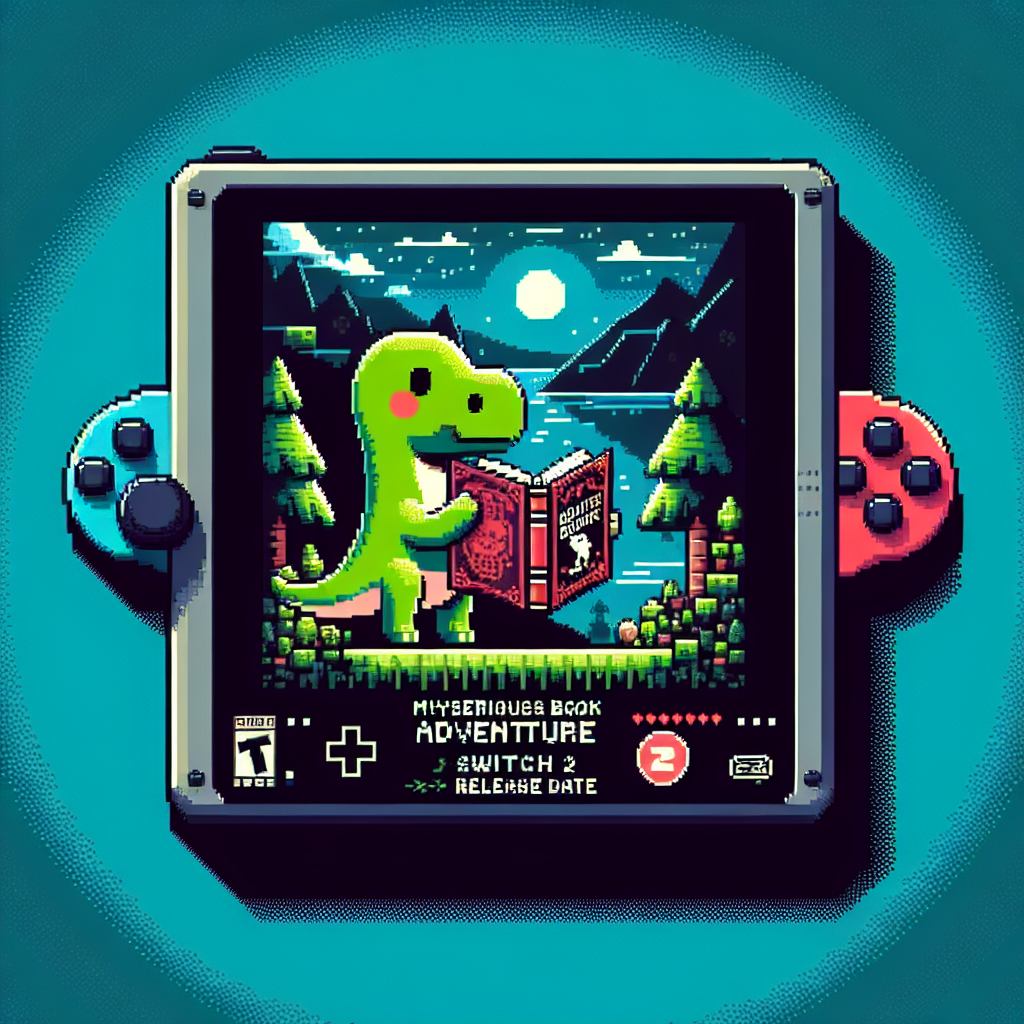
Yoshi And The Mysterious Book Lands Switch 2 Release Date — and Nintendo dropped the news in time for MAR10 Day. Nintendo has revealed that the new storybook-themed Yoshi adventure will arrive on Nintendo Switch 2 on May 21, 2026, giving fans a spring release to mark on their calendars. If you liked the whimsical vibes of Yoshi’s Story and Wonder’s playful design, this one looks tailored to your tastes — and yes, it introduces a creature called the Glubbit, which is exactly as adorable as it sounds.

Transitioning from tease to timetable, Nintendo’s move to pin a firm date for Yoshi’s next outing feels like a gentle reminder that Switch 2’s early lineup is shaping into something both nostalgic and fresh.

Why the date matters

A release date does more than tell you when to pre-order. It sets expectations for Nintendo’s rollout this year and signals how the company spaces its first-party titles on the new hardware.

  • May 21, 2026 places Yoshi in late spring — a classic slot for family-friendly, pick-up-and-play releases.
  • The date follows Nintendo’s earlier Switch 2 launch slate and helps fill a calendar that mixes remasters, surprises, and a handful of brand-new exclusives.
  • For developers and retailers, a fixed date means marketing ramps up, physical production timelines solidify, and fans can coordinate events (or weekend play sessions).

This isn’t a blockbuster holiday slot, but that’s part of the charm: Nintendo often uses spring launches to deliver lighter, delightful experiences that broaden the system’s appeal between heavy hitters.

Yoshi And The Mysterious Book Lands Switch 2 Release Date — what we know about the game

Nintendo calls the game Yoshi and the Mysterious Book. The world is presented like a living storybook, with handcrafted aesthetics and a narrative hook: Yoshi teams up with a talking book named Mr. E to explore pages that come alive.

Trailers show hand-animated, stop-motion-inspired visuals and an emphasis on exploration and creature discovery over pure platforming complexity. The “Creature Discovery!” video reveals several whimsical inhabitants, with the Glubbit stealing several frames — hence the tagline, “Like it? You’ll Glubbit!”

  • Storybook presentation blends tactile art with digital polish.
  • Gameplay appears to mix side-scrolling platform elements with collectible creature mechanics.
  • The title is announced as a Switch 2 exclusive, which underscores Nintendo’s strategy to give the new system exclusive, recognizable characters early on.

Where this fits in Nintendo’s Switch 2 strategy

Nintendo’s early Switch 2 calendar balances remasters (Super Mario Galaxy 1+2), fresh installments (Yoshi, Mario Tennis Fever), and continued support for older franchises. Dropping Yoshi in May fills a friendly gap: not a tentpole title, but a quality-first-party outing that strengthens the system’s family-oriented catalogue.

From a business angle, offering a charming Yoshi game early helps illustrate Switch 2’s capabilities — visual fidelity, fluid UI, and motion/button control options — without relying on AAA spectacle. It’s a smart way to show range.

What fans should watch for next

With a date now set, attention will pivot to a few predictable but important follow-ups:

  • Pre-order announcement and pricing details.
  • More gameplay depth: levels, co-op options, difficulty modes.
  • Platform features unique to Switch 2 (resolution modes, performance targets, motion control integration).
  • Collector or physical editions — Yoshi’s aesthetic makes it a great candidate for special packaging.

Also watch Nintendo Directs and regional store pages for demo availability. A well-timed demo could give families and streamers an early taste and help build word-of-mouth before launch.

Takeaways for players and collectors

  • The May 21, 2026 release date gives players a clear spring target and positions Yoshi as a cozy, accessible title.
  • The game’s storybook style suggests Nintendo is experimenting with tactile, handcrafted visuals on Switch 2.
  • As a system-exclusive, Yoshi helps the Switch 2 early library feel distinct from remasters and third-party ports.

If you loved past Yoshi games for their charm and characterful worlds, consider this one a must-watch. Like it? You’ll Glubbit!

My take

Nintendo often balances spectacle with whimsy, and Yoshi and the Mysterious Book looks like the latter at its best. It doesn’t need to reinvent platforming to be meaningful; it just needs a strong personality, tight design, and that special Nintendo knack for creating warm, memorable worlds.

Setting the release for May gives Nintendo breathing room around bigger titles while offering families and casual players something to enjoy this spring. I’m curious to see how deep the gameplay loop goes — whether it’s a short, delightful adventure or a chunkier collectible-driven experience — but for now the visuals and vibe are doing a lot of the heavy lifting.

Sources


Related update: We recently published an article that expands on this topic: read the latest post.


Related update: We recently published an article that expands on this topic: read the latest post.
Why Nintendo Ditched Nindies Name | Analysis by Brian Moineau

Why Nintendo quietly retired "Nindies" — and what it says about the company

Do you remember the cheerfully cursed portmanteau “Nindies”? For a few years — from the Wii U / 3DS era through early Switch days — Nintendo happily used the term to bundle and promote independent games on its platforms. It felt like a warm, community-friendly label: part Nintendo, part indie, lots of goodwill. Then, almost as quietly as it arrived, it was gone.

Former Nintendo of America PR staffers Kit Ellis and Krysta Yang recently unpacked why the company shelved the word. Their answer is wonderfully anti-romantic: lawyers. But that dry explanation reveals a lot about Nintendo’s priorities, how it protects its brand, and how corporate caution can shape even beloved cultural shorthand.

Why "Nindies" died (short and human)

  • Legal teams at Nintendo pushed back because combining “Nintendo” with another word can dilute a trademark and complicate future legal defenses.
  • Internally the PDR/PR teams loved the term — t‑shirts, logos, goodwill — and even fought for it. But legal won out.
  • This wasn’t about developers or community dislike; it was a trademark-and-brand-protection decision. As Krysta put it, you can’t cut the Nintendo name in half and tack it onto something else without creating risks.

That explanation comes from a conversation on the Kit & Krysta podcast and was reported by outlets covering the discussion. (nintendoeverything.com)

A little context: the “Nindies” moment

  • The term gained traction during a period when Nintendo was making a visible, strategic push to court indie developers — think Nindies Showcase events, Nintendo Minute segments, and pages that highlighted small studios releasing on Nintendo platforms.
  • “Nindies” captured a particular era: Nintendo trying to sell joy, quirky creativity, and first‑party charm alongside smaller, passionate teams that fit the company’s family-friendly image.
  • Over time, Nintendo’s external messaging became more buttoned-up and protective of how its IP and brand were used — hence the end of catchy mashups.

The Nindies showcases (for example, Nintendo Minute and various showcase videos) show how public-facing and embraced the initiative was before the legal caution took hold. (mynintendonews.com)

Why legal teams hate mashups (and why they’re right)

  • Trademark law is fundamentally about distinctiveness. If a brand becomes a generic term — think “aspirin” or “escalator” historically — the owner can lose exclusive rights.
  • Combining the Nintendo name with other words risks normalizing casual use of the brand and makes it harder to demonstrate that the trademark is being used as a source identifier rather than a generic descriptor.
  • For a company like Nintendo, with decades of IP and a culture of tightly controlled messaging, avoiding any shorthand that nudges the name toward genericness is a prudent long-term strategy.

Krysta and Kit used the old “Wiimote” example to show how Nintendo has long pushed back against sloppy brand slang. Legal sees these small slips and treats them as potential future headaches. (nintendoeverything.com)

What this meant for indie devs and the community

  • Surface-level effect: fans lost a cute label. That matters to culture — names stick and form identity.
  • Practical effect: none of the indie devs had anything against it — Nintendo didn’t kill “Nindies” because of an anti‑indie stance, but because of IP stewardship.
  • Indirect effect: Nintendo’s strict brand hygiene can make it harder for playful, fan‑forward language to take root officially. Communities still use “Nindie” or “Nindies” informally, but the company keeps corporate messaging formal.

So while the public face shifted away from the label, Nintendo’s appetite for indie content remained. The brand decision simply reframed how that relationship was talked about.

The bigger pattern: Nintendo’s language rules

  • Nintendo historically insists on precise phrasing in press and product copy (e.g., “the [Game Name] game”) to avoid turning products into generic nouns.
  • This consistency is part style guide and part legal defense — preventing dilution across countless markets and languages.
  • The company’s caution explains lots of otherwise odd choices in communications and why some nicknames never make it into official channels. (gamesradar.com)

A takeaway for creators and fans

  • If you’re an indie developer, know that Nintendo’s legal posture isn’t a rejection — it’s protection. The platform still offers opportunities; you just won’t see Nintendo‑branded portmanteaus on billboards.
  • If you’re a fan, branding choices matter more than they seem. Names shape discoverability, community identity, and how a company defends its culture in court and commerce.

My take

There’s a small melancholy in the death of “Nindies” — it was a fun, human label that signaled a particular moment in gaming culture. But there’s also logic: Nintendo is guarding a century‑spanning brand and a catalogue that other companies could exploit if the name became casual shorthand. In a world where language leaks value (and lawsuits can hinge on the tiniest precedent), this is an understandable, if slightly joyless, call.

At the end of the day, indie games still find an audience on Nintendo platforms. The era that produced “Nindies” helped change perceptions and open doors. The term may be retired in official memos, but the legacy of that push — more indie attention, more variety on Nintendo systems — is very much alive.

Sources


Related update: We recently published an article that expands on this topic: read the latest post.

Related update: We recently published an article that expands on this topic: read the latest post.

Related update: We recently published an article that expands on this topic: read the latest post.

Related update: We recently published an article that expands on this topic: read the latest post.
Metroid Prime 4’s Credits Reveal Industry | Analysis by Brian Moineau

Metroid Prime 4: Beyond’s Credits Tell a Bigger Story — and Samus Sounds Different Now

There’s a certain thrill in watching a game’s credits roll — not just for the satisfaction of seeing “The End,” but for the little surprises tucked into the long list of names. With Metroid Prime 4: Beyond, those credits aren’t just a roll call; they’re a map of how modern triple-A (and near-triple-A) projects get across the finish line. Oh, and Samus? She’s been recast, and it changes the tone of the series in a quietly powerful way.

Why the credits matter

  • The credit list for Beyond includes an unusually long roster of external studios — everything from well-known Nintendo collaborators to specialized porting, VFX, and mocap teams.
  • That lineup suggests a highly collaborative, distributed production model rather than a single-studio auteur project.
  • Seeing familiar names (including Next Level Games and Virtuos) next to Retro Studios signals both technical ambition and the logistical scale of shipping a flagship title for Nintendo hardware.

The new voice of Samus — what changed

  • Samus is now voiced by Erin Yvette, with motion capture credited to Krystle Martin.
  • Jennifer Hale — who voiced Samus in the original Metroid Prime trilogy — is not listed for this role in Beyond.
  • The change isn’t just a casting footnote: voice actor and mocap choices shape the character’s presence, timing, and emotional weight. Even Samus’ sparse grunts and single-line moments can reframe a scene when delivered with a different timbre or cadence.

The assist dev list: who helped, and why it matters

  • Notable assist studios credited include Next Level Games, Virtuos, Territory Studio, Keywords Studios and many more across VFX, cinematic, animation, and technical support.
  • Practical effects of this approach:
    • Faster iteration and specialized skillsets (e.g., mocap, cinematics, VFX) without stretching a single studio too thin.
    • Polished setpieces and performance-driven animation, which likely contributed to the game’s presentation and filmic moments.
    • Possible trade-offs around cohesion — with many hands on the wheel, maintaining a consistent creative voice becomes a production challenge that leadership (Retro, Nintendo) must solve.

How this reflects industry trends

  • Big games increasingly rely on a “hub-and-spoke” model where core teams set direction and outsource specialized work.
  • Collaborations like this are common on technically ambitious projects — 4K/60/120FPS targets, cinematic mocap, and cross-platform builds require deep bench strength.
  • For Nintendo, bringing in outside talent (like Next Level Games, which has longstanding Nintendo ties) can speed delivery while preserving internal QA and IP stewardship.

The creative throughline: Kensuke Tanabe and continuity

  • Kensuke Tanabe — a familiar name in Metroid Prime history — provided the scan text, which helps anchor Beyond within the franchise’s lore even as the production team grows.
  • That kind of continuity matters: retention of key creative figures can preserve thematic voice and worldbuilding, balancing the dilution risk of many contributing studios.

What this means for players

  • Expect high production values: slick cinematics, polished visual effects, and nuanced animation.
  • Story and tone may feel fresher because new performers (Erin Yvette for Samus) bring slightly different emotional color to familiar beats.
  • Fans who value auteur-style continuity might be cautious, but the retention of franchise veterans in script and lore roles should reassure those who want Metroid’s core identity preserved.

Roundup: Notable names from the credits

  • Retro Studios (lead)
  • Next Level Games
  • Virtuos
  • Territory Studio
  • Keywords Studios
  • Liquid Development
  • Room 8 Studio
  • Formosa Interactive
  • House of Moves
  • (Plus many more listed in the public credits)

What Samus’ new voice might mean for lore and performance

  • Samus is famously laconic — she speaks rarely, and when she does, it carries weight. A new voice actor can shift perceived age, weariness, or resolve even in minimal dialogue.
  • Motion capture paired with voice work (Krystle Martin + Erin Yvette) suggests the team wanted a tightly integrated, physically grounded performance for Samus rather than piecing voices onto animation after the fact.
  • For long-time fans, subtle differences will be scrutinized. For newcomers, the change will likely register as part of the game’s broader, modernized presentation.

My take

Metroid Prime 4: Beyond reads like a statement of intent: Retro and Nintendo wanted scale, polish, and performance realism. The long list of assist studios is not a sign of weakness but of ambition — a recognition that today’s flagship titles require a village. Recasting Samus is bold in a franchise where silence has been part of her mystique. Done well, Erin Yvette’s performance and the mocap work can deepen Samus’ presence without erasing what made her iconic. Done poorly, fans will notice. Early signs (and the attention to lore continuity) suggest Nintendo tried to thread that needle.

Sources


Related update: We recently published an article that expands on this topic: read the latest post.

Related update: We recently published an article that expands on this topic: read the latest post.

Related update: We recently published an article that expands on this topic: read the latest post.
Vote Now: Rank Nintendos Top 100 Games | Analysis by Brian Moineau

Which Nintendo Games Deserve the Throne? Your Vote Matters

Nintendo has been shaping childhoods — and adult obsessions — for decades. The problem, of course, is that “best” is a messy, affectionate argument: do you reward innovation, influence, nostalgia, or pure, timeless fun? IGN and Nintendo Life have partnered to try to pin that slippery title down by ranking the 100 best Nintendo games of all time — and the fun part is, readers get to weigh in and help shape a separate, user-curated list.

Why this ranking matters

  • Lists like these become reference points. They affect retrospectives, collector interest, and even how future generations discover classics.
  • Nintendo’s library spans consoles, handhelds, and decades — including third-party games that are now practically synonymous with Nintendo hardware.
  • Bringing editorial voices (IGN + Nintendo Life) together with reader votes creates a snapshot of both critical and community taste — and where they diverge.

What’s happening and when

  • IGN and Nintendo Life will reveal their editorial-ranked “100 Best Nintendo Games of All Time” across the week of November 10–14, 2025, publishing 20 picks per day until a single Number One is crowned. (nintendolife.com)
  • Before the full editorial list goes live, IGN is running a Faceoff-style campaign that lets readers pit games against one another and cast votes to build a reader-driven ranking. Nintendo Life points readers toward that IGN face-off for the community result. (nintendolife.com)

What to expect on the list

  • Heavy hitters are almost guaranteed: Zelda, Mario, Metroid, and Mario Kart entries routinely dominate community and editorial best-of lists. Titles like Ocarina of Time, Breath of the Wild, Super Mario World, Super Metroid, and Tears of the Kingdom will be strong contenders given their enduring critical standing and cultural impact. (en.wikipedia.org)
  • The collaboration explicitly includes third-party titles that are Nintendo exclusives or inseparable from Nintendo platforms, which means classics from Rare, Square, and other longtime partners could climb higher than in some Nintendo-only rankings. (nintendolife.com)
  • Expect conversation-starters: underrated gems, surprising placements, and the inevitable debates about how to weigh influence vs. nostalgia vs. playability in 2025’s context.

Why reader votes can shift the conversation

  • Editorial lists reflect a curated perspective — often balancing historical significance, innovation, and craft. Reader lists show what communities actually played, loved, and returned to.
  • A passionate niche of fans can push a cult classic up the ranks; conversely, mainstream blockbusters might dominate editorial lists but be checked by readers who prize personal attachment or niche innovation.
  • The Faceoff model (pairwise voting) tends to surface both consensus favorites and polarizing picks, making the reader list a lively counterpoint to the editorial ranking. (tech.yahoo.com)

Games I’d watch for interesting placements

  • The usual suspects: The Legend of Zelda: Ocarina of Time; Super Mario World; The Legend of Zelda: Breath of the Wild. These frequently sit near the summit on historic “best of” lists. (en.wikipedia.org)
  • Hidden pushes: Niche or regionally beloved titles can bubble up when dedicated communities mobilize — think cult classics that inspired devotion but not always mainstream praise.
  • Third-party standouts: Games that, while not developed by Nintendo, feel like Nintendo because of timing, platform identity, or creative synergy — they could shake up the top 100. (nintendolife.com)

A few things to keep in mind when voting

  • Timeframe and scope: This ranking considers games released on Nintendo consoles and handhelds across eras — from the NES and Game Boy to Switch and Switch 2 — so balance your nostalgia with an eye for historical impact.
  • Personal taste vs. legacy: Do you vote for the game that changed an entire genre, or the one you personally replay every year? Both are valid; the resulting lists will reflect that tension.
  • The voting method: Faceoff/pairwise formats favor games that can consistently win head-to-head matchups; a polarizing masterpiece might lose to a broadly loved but less daring title.

What this says about Nintendo’s legacy

This collaboration isn’t just a countdown — it’s a cultural audit. Nintendo’s catalog is diverse: arcade-inspired pick-ups, sprawling RPGs, inventive platformers, and social multiplayer staples. A combined editorial-and-reader snapshot captures more facets of that legacy than either side alone.

Final thoughts

Rankings are arguments as much as they are lists. They invite debate, nostalgia trips, and fresh appreciation for overlooked work. Whether you vote to defend a childhood favorite, champion an underdog, or argue that a revolutionary title deserves the crown, this joint IGN/Nintendo Life effort will create a lively record of what Nintendo means to players in 2025. Expect spirited takes, surprising upsets, and plenty of “How is that above X?!” moments — and that’s the whole point.

Sources


Related update: We recently published an article that expands on this topic: read the latest post.


Related update: We recently published an article that expands on this topic: read the latest post.

Related update: We recently published an article that expands on this topic: read the latest post.

Related update: We recently published an article that expands on this topic: read the latest post.


Related update: We recently published an article that expands on this topic: read the latest post.
Nintendo Patent Hints at DS Game Comeback | Analysis by Brian Moineau

The Return of DS Games? Nintendo’s Patent Sparks Excitement

If you’re a Nintendo fan or a retro gaming enthusiast, you might want to sit down for this one. A recent patent filing by Nintendo has ignited rumors about the potential return of DS games, making waves in the gaming community. Just when we thought nostalgia was a mere memory, it appears that Nintendo might be ready to breathe new life into beloved handheld classics. Let’s dive into what this means for gamers today.

What’s the Buzz About?

Nintendo has always had a knack for surprising its fans. From the unexpected revival of the Virtual Boy to the ongoing popularity of the Nintendo Switch, it seems the company is not shy about revisiting its past. The recent patent, which hints at new technology for playing DS games, has many speculating that we might soon see these iconic titles make a comeback.

The Nintendo DS, launched in 2004, was a game-changer in handheld gaming, boasting dual screens and a touch interface that captivated millions. Fast forward to today, and the idea of revisiting these classics has fans buzzing with excitement. The original DS lineup featured memorable titles like *Mario Kart DS*, *The Legend of Zelda: Phantom Hourglass*, and *Nintendogs*—games that many players hold dear.

Context: A Nostalgic Trend in Gaming

Nostalgia is a powerful force in the gaming industry. Over the past few years, we’ve witnessed the resurgence of retro consoles and remastered games. Nintendo has successfully tapped into this trend with its NES and SNES Classic Editions, as well as the ongoing success of the Switch. The recent patent suggests that they may be exploring ways to bring DS games to a modern audience, perhaps through digital downloads or a new handheld device.

Additionally, the gaming landscape is shifting towards cloud gaming, making it easier to access older titles without needing the original hardware. This could present an excellent opportunity for Nintendo to reintroduce their DS library in a way that resonates with both nostalgic players and new audiences alike.

Key Takeaways

Patent Sparks Speculation: A recent Nintendo patent hints at the possibility of DS games returning, igniting excitement among fans. – Nostalgia in Gaming: The trend of reviving classic games is strong, with Nintendo leading the charge through successful console re-releases. – Potential Formats: The revival may involve digital downloads or new hardware, making DS games accessible to a wider audience. – Legacy of the DS: The Nintendo DS remains one of the most beloved handheld consoles, with a library of iconic titles that holds significant value for gamers. – Cloud Gaming Evolution: Advances in cloud gaming technology could facilitate the re-release of older titles without the need for original hardware.

Final Thoughts

As we speculate about the return of DS games, it’s a reminder of how powerful nostalgia can be in the gaming world. Nintendo has consistently found ways to blend the old with the new, and if this patent leads to the revival of DS classics, it will undoubtedly be a win for both long-time fans and a new generation of gamers. While we await official announcements, the thought of revisiting those cherished titles brings a wave of excitement. Who knows? The magic of the Nintendo DS might just be around the corner once again.

Sources

– Title: “Rumour: Nintendo Patent Supposedly Points To Return Of DS Games”
– URL: https://www.nintendolife.com/news/2023/10/rumour_nintendo_patent_supposedly_points_to_return_of_ds_games

Stay tuned for more updates on this developing story!


Related update: We recently published an article that expands on this topic: read the latest post.

Related update: We recently published an article that expands on this topic: read the latest post.

Related update: We recently published an article that expands on this topic: read the latest post.


Related update: We recently published an article that expands on this topic: read the latest post.


Related update: We recently published an article that expands on this topic: read the latest post.

Nintendo Switch modder ordered to pay $2 million in piracy lawsuit – The Verge | Analysis by Brian Moineau

Nintendo Switch modder ordered to pay $2 million in piracy lawsuit – The Verge | Analysis by Brian Moineau

Title: The Price of Pixels: A $2 Million Lesson from Nintendo’s Latest Legal Victory

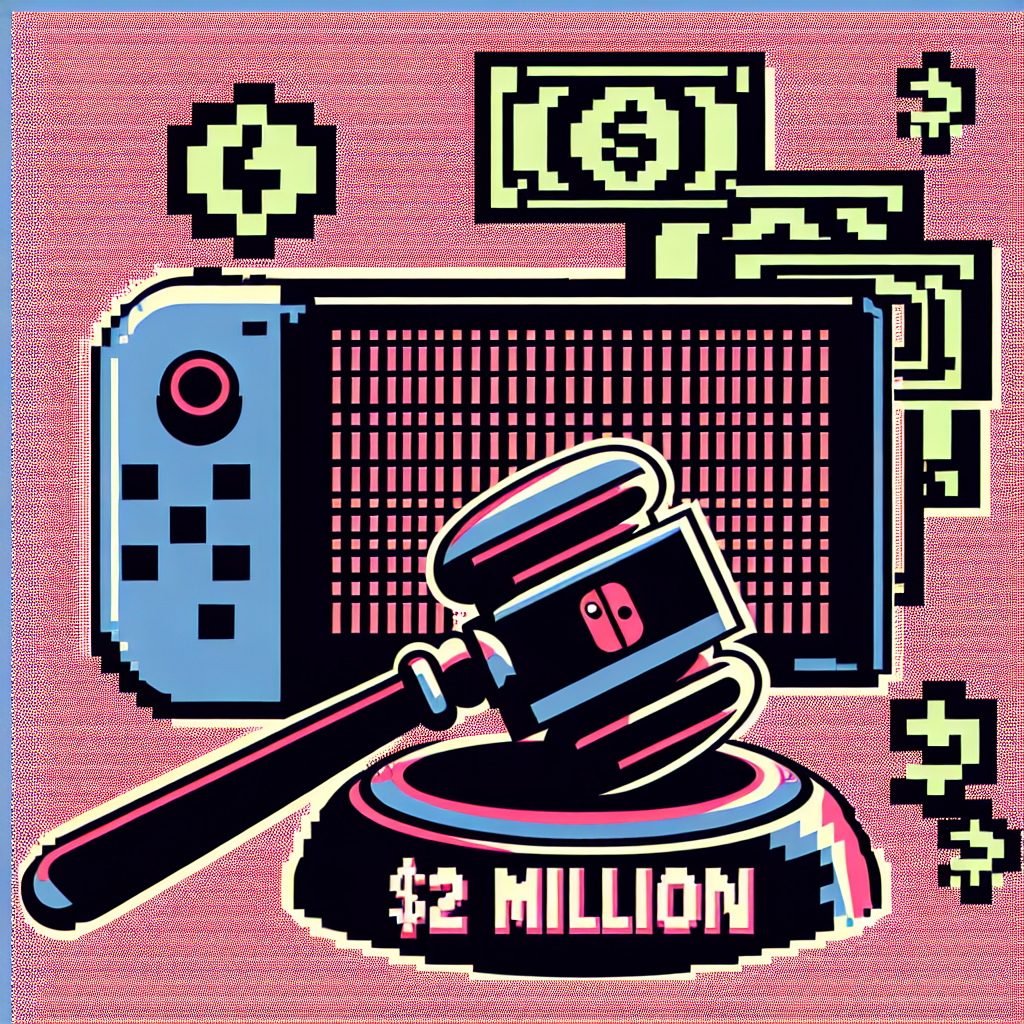
When we think of Nintendo, we often envision colorful characters, nostalgia-infused adventures, and the sheer joy of gaming. Yet, behind the curtains of this whimsical world lies a legal team as formidable as any Bowser boss battle. The latest testament to Nintendo’s unwavering stance against piracy comes courtesy of a lawsuit against Ryan Daley, the operator of Modded Hardware. Daley has been ordered to pay a staggering $2 million for allegedly selling hacked Nintendo Switch consoles and modchips.

Modding: The Fine Line Between Innovation and Infringement

Modding, or modifying hardware and software to add features or enhance performance, has long been a double-edged sword in the gaming community. On one hand, it fosters creativity and can breathe new life into older games. On the other, it often dances dangerously close to piracy. For Ryan Daley, that dance has come to an abrupt end with a hefty price tag.

Nintendo’s victory in this lawsuit is not just about protecting intellectual property; it’s a stern reminder of the company’s zero-tolerance policy towards piracy. Historically, Nintendo has taken a hard stance on these issues, reminiscent of its legal battles in the early 2000s against emulator sites that hosted ROMs of its classic games. The company’s consistent efforts underscore a larger narrative in the tech world: the ongoing battle between content creators and those who seek to exploit their work.

A Broader View: The Global Crackdown on Piracy

This lawsuit is not an isolated incident but part of a global effort to curb piracy across different media. For instance, the music industry has been waging a similar war, with artists and record labels taking action against unauthorized sharing platforms. Similarly, in the film industry, companies have targeted torrent sites to protect their intellectual property.

Interestingly, as technology continues to evolve, so too do the methods of piracy. The rise of streaming services in music and television has introduced new challenges, with unauthorized streams and account sharing becoming prevalent issues. Companies like Spotify and Netflix have had to innovate and adapt, employing sophisticated algorithms and regional restrictions to combat these modern piracy methods.

Ryan Daley: A Cautionary Tale

Ryan Daley’s story serves as a cautionary tale for modders and hackers alike. His operation, Modded Hardware, may have started with a passion for gaming and technology, but it crossed the line into infringement. The repercussions extend beyond the financial penalty; Daley’s reputation within the gaming community and the broader tech industry is likely tarnished.

This lawsuit also highlights the need for dialogue between companies and the modding community. While piracy is unequivocally illegal, there is a space where modding can coexist with corporate interests. Some companies have embraced this, offering official modding tools and platforms to foster innovation within legal boundaries. For instance, Bethesda’s Creation Kit for “Skyrim” allows players to create mods while respecting the original IP.

Final Thought: The Game of Balance

In a world where technology is rapidly advancing, the lines between innovation, modding, and piracy can blur. Nintendo’s legal victory serves as a reminder that, while creativity is encouraged, it must be balanced with respect for intellectual property rights. As the gaming industry continues to grow and evolve, finding harmony between these elements will be crucial for both creators and consumers alike.

As we navigate this digital landscape, let us hope for more collaborative approaches that celebrate innovation while respecting the creators who bring these pixelated worlds to life. After all, in the grand game of technology, cooperation could be the ultimate power-up.

Read more about AI in Business

Read more about Latest Sports Trends

Read more about Technology Innovations


Related update: We recently published an article that expands on this topic: read the latest post.


Related update: We recently published an article that expands on this topic: read the latest post.

Japan’s National Library Says Game-Key Cards Are Not Eligible For Preservation – Nintendo Life | Analysis by Brian Moineau

Japan's National Library Says Game-Key Cards Are Not Eligible For Preservation - Nintendo Life | Analysis by Brian Moineau

A Digital Dilemma: Japan’s National Library and the Preservation of Game-Key Cards


In today’s rapidly evolving digital landscape, preserving history has taken on new challenges and forms. Recently, the National Diet Library of Japan announced its decision not to include game-key cards in their preservation efforts. This move, reported by Nintendo Life, has sparked curiosity and debate among gaming aficionados and digital archivists alike.

The Curious Case of Game-Key Cards


Game-key cards serve as physical keys to unlock digital content, often used by platforms like Nintendo to access games on the Switch. While they are tangible objects, their primary function is digital, raising the question: should these ephemeral access keys be preserved as part of cultural history?

Japan's decision might seem surprising at first, but upon reflection, it's logical. Game-key cards are not the games themselves; they are merely a means to access the digital content. Preserving them in a library setting might not capture the essence or experience of the games they unlock.

The Broader Context of Digital Preservation


This decision by Japan’s National Library is not unique. Libraries and archives worldwide are grappling with the challenge of preserving digital content. The Library of Congress, for instance, has been working on digital preservation strategies for years, focusing on maintaining access to digital content over time. However, the pace of technology often outstrips these efforts.

Moreover, as we see in other sectors, such as the film industry, the shift from physical media to streaming services has posed similar challenges. The debate over preserving original copies of films versus their digital counterparts echoes the game-key card conundrum.

A Look at Nintendo’s Legacy


Nintendo, the company most associated with these game-key cards, has a long history of innovation in gaming. From the original Nintendo Entertainment System to the modern Nintendo Switch, the company has continually pushed the boundaries of gaming experiences. However, Nintendo has also been criticized for its approach to digital rights management (DRM) and its reluctance to embrace digital preservation, as evidenced by the closure of the Wii Shop Channel in 2019, which rendered many digital purchases inaccessible.

This reluctance contrasts with companies like Microsoft, which have made strides in backward compatibility and game preservation through efforts like the Xbox Game Pass, which allows access to a library of games from previous console generations.

The World Beyond Gaming


The issues surrounding digital preservation are not confined to gaming. We see similar challenges in the music industry, where platforms like Spotify and Apple Music have replaced physical albums. While convenient, this shift raises concerns about the longevity and preservation of music, especially as platforms evolve and change their libraries.

In academia, digital textbooks and resources have largely replaced physical copies, prompting discussions about access, cost, and preservation. The struggle to maintain digital archives in a world where technology is ever-changing is a universal challenge.

Final Thoughts


Japan’s decision to exclude game-key cards from preservation may seem dismissive at first glance, but it highlights a critical conversation about what and how we choose to preserve in our digital age. As technology continues to advance, it’s crucial for institutions, companies, and individuals to consider the long-term implications of our digital dependencies.

While game-key cards may not hold a place in the hallowed halls of Japan’s National Library, the discussions they inspire about digital preservation are invaluable. In a world where so much of our culture and history is becoming digital, finding ways to preserve these artifacts is more important than ever.

So, next time you download a game or stream an album, take a moment to ponder the digital footprints you’re leaving behind—and the ones that might just disappear.

[Read more about Nintendo and preservation challenges here](https://www.nintendolife.com/news/2023/10/japans-national-library-says-game-key-cards-are-not-eligible-for-preservation).

Read more about AI in Business

Read more about Latest Sports Trends

Read more about Technology Innovations

Super Mario Party Jamboree TV Sounds Like A Half-Baked Switch 2 Upgrade – Kotaku | Analysis by Brian Moineau

Super Mario Party Jamboree TV Sounds Like A Half-Baked Switch 2 Upgrade - Kotaku | Analysis by Brian Moineau

Title: Super Mario Party Jamboree TV: Half-Baked DLC or Missed Opportunity?

In the ever-evolving world of gaming, there's always a buzz when Nintendo drops anything with the words "Super Mario" in it. The iconic plumber has been a cornerstone of gaming culture for decades, bringing joy to millions worldwide. However, not everything that comes with Mario's stamp is met with the same enthusiasm. Enter the $20 DLC pack for Super Mario Party Jamboree TV, which Kotaku has aptly described as a "half-baked Switch 2 upgrade."

Let's dive into why this DLC has been met with a lukewarm reception and how it fits into the broader tapestry of gaming culture today.

A DLC That Misses the Mark

Nintendo has a reputation for crafting magical gaming experiences, yet even the most successful companies can stumble. The DLC pack in question does little to enhance the base game, leaving fans scratching their heads and wondering about the value proposition. For $20, players expect significant improvements, whether it's new levels, characters, or game mechanics. Unfortunately, the expansion offers none of these, instead opting for minor tweaks that barely scratch the surface of what could have been a substantial upgrade.

This isn't the first time gamers have felt short-changed by additional content. The infamous "horse armor" DLC for The Elder Scrolls IV: Oblivion in 2006 serves as a classic example of content that didn't meet player expectations. Gamers shelling out real money for digital horse armor found themselves at the center of a hot debate about the value of downloadable content—a conversation that continues to this day.

A Wider Lens: The State of DLC in Gaming

The gaming industry's approach to DLC has evolved significantly over the years. Gone are the days when expansion packs physically lined store shelves. Now, with digital distribution, developers can easily release new content. However, this convenience sometimes leads to the release of content that feels rushed or underwhelming.

Consider the recent success of the "Tears of the Kingdom" DLC for The Legend of Zelda: Tears of the Kingdom. The expansion not only built upon the base game but also offered players rich content, extending the life and enjoyment of the title. This is the kind of DLC that sets the standard: meaningful, immersive, and well worth the investment.

A Missed Opportunity for Nintendo?

With Super Mario Party Jamboree TV, Nintendo had a golden opportunity to cement the game's place in the hearts of fans. Instead, the DLC feels like a missed opportunity—a chance to innovate or surprise players that ultimately wasn't taken. The gaming community is passionate and vocal, and while they celebrate successes, they are equally quick to call out shortcomings.

In the broader context of entertainment, the world is seeing a resurgence of nostalgia-driven content. From reboots of classic TV shows to retro-inspired fashion trends, there's an appetite for the familiar. Nintendo often taps into this nostalgia, and perhaps this DLC was an attempt to capitalize on it. However, nostalgia alone can't carry a product; it must be backed by quality and innovation.

Final Thoughts

While the Super Mario Party Jamboree TV DLC may not live up to the high standards set by previous Nintendo offerings, it's essential to remember that even the best in the business can have an off day. This DLC serves as a reminder of the importance of listening to community feedback and striving for excellence.

As gamers, we can only hope that the lessons learned from this release will inspire better content in the future. After all, the world of Mario is vast, and the potential for creative, engaging, and enjoyable content is limitless. Here's to hoping that the next time around, Nintendo hits it out of the park, delivering an experience that both surprises and delights.

In the meantime, let's keep the conversation going and continue to hold our favorite developers to the high standards they set with their most beloved titles. After all, in the world of gaming, the only constant is change, and there's always another adventure just around the corner.

Read more about AI in Business

Read more about Latest Sports Trends

Read more about Technology Innovations

Nintendo Employee Data reveals low turnover rate, long average employment period – GoNintendo | Analysis by Brian Moineau

Nintendo Employee Data reveals low turnover rate, long average employment period - GoNintendo | Analysis by Brian Moineau

Title: The Nintendo Effect: Why Everyone Wants to Stay

If you've ever found yourself daydreaming about working at a company where innovation and creativity are the name of the game, you might want to take a closer look at Nintendo. According to a recent article from GoNintendo, the video game giant boasts an impressively low employee turnover rate and a long average employment period. But what is it about Nintendo that makes people want to stick around for the long haul? Are they hiring? And most importantly, can we bottle that magic and sprinkle it over other companies?

A Culture of Creativity and Innovation

Nintendo has long been a household name, synonymous with fun, creativity, and groundbreaking technology. From the iconic Super Mario to the revolutionary Nintendo Switch, the company has consistently pushed the envelope. But beyond its impressive product lineup, Nintendo seems to have mastered the art of employee satisfaction.

The low turnover rate at Nintendo might just be a result of its unique work culture. The company places a strong emphasis on creativity, allowing employees the freedom to explore new ideas and develop their skills. This aligns with the growing trend in the tech industry where companies like Google and Apple are offering employees more autonomy and flexible working conditions. It's a strategy that's paying off, as these companies are regularly listed among the best places to work.

A Safe Harbor in Uncertain Times

In a world where job security can feel as elusive as a rare Pokémon, Nintendo offers a reassuring sense of stability. With many industries facing layoffs and restructuring, as seen in recent news from tech giants like Meta and Twitter, Nintendo's steady employment record is a breath of fresh air. Employees know they are part of a company that not only values their contributions but also invests in their professional growth.

Are They Hiring?

With such a favorable work environment, it's no wonder the question "Are they hiring?" is on the lips of many. While Nintendo doesn't have the same massive recruitment waves as some of its tech counterparts, it does offer a range of opportunities for those passionate about gaming and technology. Positions vary from game development and design to marketing and customer support. Aspiring applicants should keep an eye on Nintendo's careers page and be ready to demonstrate their creativity and passion for gaming.

Global Connections and Industry Impact

The allure of working at Nintendo extends beyond its headquarters in Kyoto, Japan. The company's global impact is undeniable, with offices and fans spread across the world. This international presence allows for a diverse and inclusive workplace, drawing talent from various backgrounds.

Moreover, Nintendo's employee satisfaction and retention strategies can serve as a model for companies worldwide. In an era where the Great Resignation has prompted businesses to rethink their employee engagement strategies, Nintendo's approach highlights the importance of fostering a supportive and innovative work environment.

Final Thoughts

Nintendo's secret sauce seems to be a blend of creativity, stability, and a genuine appreciation for its employees. As other companies strive to create a similar atmosphere, perhaps the real lesson is that when you prioritize people and foster a culture of innovation, everyone wins. So, are they hiring? The answer is yes, but more importantly, Nintendo is inspiring a new era of employee satisfaction that could ripple across industries.

Whether you're a gamer, a tech enthusiast, or someone simply looking for a fulfilling career, Nintendo offers a glimpse into a workplace where dreams are not just encouraged but realized. Now, if only every company could have its own Mario or Luigi to guide the way!

Read more about AI in Business

Read more about Latest Sports Trends

Read more about Technology Innovations

Nintendo revealed the Super Mario Odyssey team made Donkey Kong Bananza – The Verge | Analysis by Brian Moineau

Nintendo revealed the Super Mario Odyssey team made Donkey Kong Bananza - The Verge | Analysis by Brian Moineau

Title: Swinging into Adventure: Nintendo's Surprising Revelation about Donkey Kong Bananza

In a delightful twist that has sent ripples of excitement through the gaming community, Nintendo has unveiled that the talented team behind the beloved Super Mario Odyssey was also responsible for crafting Donkey Kong Bananza. This revelation has sparked joy and intrigue among fans, both for the nostalgic evocation of Donkey Kong's vine-swinging antics and the promise of innovative gameplay reminiscent of Mario's globe-trotting odyssey.

A Tale of Two Icons

Mario and Donkey Kong have a storied history, with their rivalry dating back to the early 1980s. The original Donkey Kong arcade game was where Mario made his debut, known initially as "Jumpman." Fast forward to the present, and both characters have forged distinct yet occasionally intertwining paths. While Mario's adventures have taken him to the whimsical and expansive worlds of Super Mario Odyssey, Donkey Kong has been busy with his own brand of barrel-blasting, jungle-jumping fun.

The Odyssey Touch

Super Mario Odyssey was celebrated for its inventive gameplay mechanics and the freedom it offered players to explore vast, open-ended worlds. The expertise of this development team brings high expectations for Donkey Kong Bananza. Fans are anticipating a fresh take on the classic Donkey Kong formula, perhaps with sprawling levels and a renewed focus on exploration and creativity. Given the team's track record, we might even see new mechanics that redefine how we think about platformers, much like Cappy's role in Odyssey.

Broader Implications in the Gaming World

This announcement comes at a time when nostalgia is a powerful force in the entertainment industry. Whether it's the resurgence of retro gaming consoles, the popularity of remakes and remasters, or the revival of classic characters, there's a clear desire to blend the charm of the past with the capabilities of modern technology. Nintendo seems to be embracing this trend wholeheartedly, as evidenced by the success of titles like The Legend of Zelda: Breath of the Wild, which reinvented a beloved franchise while retaining its core essence.

In the broader scope of technology and entertainment, we see similar patterns. The film industry is experiencing a renaissance of sorts with reboots and sequels to classic movies, while the music industry sees artists sampling or covering hits from previous decades. This blend of old and new seems to be a winning formula across various media.

Final Thoughts: A Bananza Awaits

As we await more details about Donkey Kong Bananza, one thing is clear: Nintendo has once again tapped into the magic that makes its games timeless. By leveraging the creative genius behind Super Mario Odyssey, Nintendo promises to deliver an experience that honors Donkey Kong's legacy while pushing the boundaries of what a platformer can be. Whether you're a veteran gamer who grew up with these iconic characters or a newcomer ready to discover their charm, there's much to be excited about.

So, prepare your thumbs for some serious swinging action and keep an eye on the horizon for more news. With Nintendo at the helm, the journey is bound to be a thrilling ride!

Read more about AI in Business

Read more about Latest Sports Trends

Read more about Technology Innovations

Princess Peach’s Voice Actor Has Been Replaced After 18 Years – Nintendo Life | Analysis by Brian Moineau

Princess Peach's Voice Actor Has Been Replaced After 18 Years - Nintendo Life | Analysis by Brian Moineau

A New Chapter for Princess Peach: Reflecting on Change in Gaming and Beyond


In a surprising twist of fate, our beloved Princess Peach is getting a new voice after 18 years. The news that Nintendo has decided to replace Jen Taylor, the long-time voice behind both Princess Peach and Toad, has sent ripples through the gaming community, prompting a mix of nostalgia and curiosity about what's next.

Jen Taylor's contribution to the world of Nintendo is nothing short of iconic. For nearly two decades, her voice has been synonymous with the Mushroom Kingdom's most regal resident. From her first appearance as Peach in "Mario Golf: Toadstool Tour" to her endearing portrayal of Toad, Jen's vocal talents have brought these characters to life in ways that have captivated audiences worldwide. Her ability to convey Peach's charm and Toad's endearing quirks has left an indelible mark on the franchise.

In the broader context of entertainment, this change highlights how characters and their portrayals evolve over time. Much like when Daniel Craig hung up his tuxedo as James Bond or when Doctor Who regenerates into a new actor, these transitions are both a challenge and an opportunity. They remind us that while change can be unsettling, it also opens doors to fresh interpretations and new stories.

From Hollywood to Hyrule, the world of entertainment is no stranger to such shifts. Consider the recent announcement of Hugh Jackman reprising his role as Wolverine in the Marvel Cinematic Universe. Fans rejoiced at the familiar face, but it also sparked discussions about the future of the character and the potential for new narratives. Similarly, the casting of a new voice for Princess Peach invites excitement and speculation about how this change might influence future Mario games and the character's development.

Outside the realm of gaming, the concept of change is equally poignant. In a world that's evolving faster than ever, adaptability is key. Whether it's the tech industry rolling out new AI advancements or companies embracing remote work, change remains the only constant. This sentiment resonates with Nintendo's decision to refresh its iconic characters—embracing change while respecting the legacy.

So, who will be the new voice of Princess Peach? While the answer remains a mystery for now, the anticipation is palpable. Will they bring a fresh energy or perhaps a nuanced depth to the character? Only time will tell, but one thing is certain: fans will be listening with open ears and hearts.

In conclusion, the changing of the guard for Princess Peach's voice is a reminder of the fluid nature of storytelling and character development. As we bid farewell to Jen Taylor’s era, we also welcome the potential for new adventures and interpretations. Just like in life, in gaming, it's not the end of the story but merely the beginning of a new chapter. So, let's embrace this change and look forward to the new tales waiting to be told. After all, in the immortal words of Mario himself, "Let's-a go!"

Read more about AI in Business

Read more about Latest Sports Trends

Read more about Technology Innovations

New Videos Show How Fantasy Life i Has Been Beefed Up On Switch 2 – Nintendo Life | Analysis by Brian Moineau

New Videos Show How Fantasy Life i Has Been Beefed Up On Switch 2 - Nintendo Life | Analysis by Brian Moineau

Title: Leveling Up: Fantasy Life i and the Anticipated Power of Switch 2

Ah, Nintendo fans, it’s time to dust off those swords and wands, because Fantasy Life i is making a grand return on the heavily anticipated Switch 2. With a fresh breath of life, this beloved game is set to dazzle us with stronger visuals and faster load times, according to the latest previews. But beyond the pixelated forests and enchanted quests, there’s a broader narrative here about how technology is reshaping our gaming experiences.

The Magic of Enhanced Graphics


Remember the first time you played a game that truly captivated you with its graphics? For many, the original Fantasy Life offered a vibrant, whimsical world that was a cozy escape from reality. Now, with the power of Switch 2, the visuals have been beefed up, promising an even more immersive experience. This leap in graphics is akin to going from watching a play in a charming community theater to seeing a full-blown Broadway production. It's all about the details—the rustling leaves, the shimmering lakes, and the intricate character designs that make Fantasy Life i feel like a living storybook.

Speed: The Unsung Hero


While dazzling visuals often hog the spotlight, let's not overlook the unsung hero of gaming: load times. The Switch 2's ability to reduce these to a mere blink promises to keep players engrossed in their adventures without the jarring wait times. It’s like upgrading from a leisurely Sunday drive to a Formula 1 race—every second counts, and every moment is packed with action.

A Nod to the Broader Gaming Realm


This evolution in gaming technology mirrors broader trends in the tech world. Just as we're seeing AI revolutionize industries, from healthcare to finance, gaming is undergoing its own transformation. The recent advancements in cloud gaming and virtual reality are testament to this shift. Companies like Google and Microsoft are pushing the envelope with Stadia and Xbox Cloud Gaming, respectively, showing that the future of gaming is as much about accessibility and seamless experiences as it is about jaw-dropping graphics.

Beyond the Pixels


Fantasy Life i isn't just about technical upgrades; it's about rekindling the magic that captivated players in its previous iterations. It’s a reminder of Nintendo's knack for blending innovation with nostalgia—a formula that's kept fans loyal for decades. As we anticipate the Switch 2, it’s worth considering how Nintendo has consistently managed to create experiences that resonate across generations. Their focus on family-friendly, engaging content is a refreshing contrast to the sometimes overwhelming intensity of other platforms.

Final Thoughts


In a world that's increasingly fast-paced and sometimes overwhelming, there’s a comforting predictability in Nintendo’s offerings. With Fantasy Life i on the horizon, we’re reminded that sometimes, the best adventures are the ones that let us escape to a world of fantasy and wonder, if only for a little while. So, gear up, gamers, because the next chapter of your pixelated journey awaits!

As we eagerly await more updates, let’s appreciate this moment of excitement and anticipation—a testament to the enduring magic of gaming. Whether you’re a seasoned adventurer or a newbie ready to embark on your first quest, Fantasy Life i on Switch 2 promises to be an adventure worth taking.

Read more about AI in Business

Read more about Latest Sports Trends

Read more about Technology Innovations

Nintendo is suing the accessory manufacturer that showed off Switch 2 early – Video Games Chronicle | Analysis by Brian Moineau

Nintendo is suing the accessory manufacturer that showed off Switch 2 early - Video Games Chronicle | Analysis by Brian Moineau

The Battle of the Titans: Nintendo vs. The Early Birds


In the ever-evolving world of gaming, there's one thing we can always count on: surprises. Yet, not all surprises are welcomed with open arms. Recently, Nintendo, the beloved gaming giant, found itself in a legal tangle over an unexpected revelation. The company is taking legal action against an accessory manufacturer that prematurely showcased a 3D-printed mockup of the then-unannounced Switch 2. This scenario not only pits a major corporation against a smaller entity but also raises intriguing questions about innovation, competition, and the nature of leaks in the tech world.

From Mockups to Mayhem


In January, a 3D-printed model of the Switch 2 began circulating online, stirring up quite the buzz. For gamers and tech enthusiasts, this was akin to a sneak peek at Christmas presents before the big day. While the excitement was palpable, Nintendo's reaction was less than enthusiastic. The company, known for its tight grip on information and strategic marketing rollouts, viewed this early reveal as a breach of its meticulously planned strategy.

Nintendo's decision to sue the accessory manufacturer is not just about protecting its intellectual property. It's also about maintaining control over the narrative surrounding its products. Much like Apple's legendary secrecy about its product launches, Nintendo thrives on the anticipation and surprise that comes with unveiling new devices. This approach has served them well, as seen with the successful launches of the original Switch and its subsequent iterations.

The Bigger Picture: Innovation vs. Imitation


This legal battle isn't just about a 3D-printed model; it's a reflection of a larger issue in the tech world. The rapid pace of innovation often leads to a fine line between inspiration and imitation. Companies invest heavily in research and development, and they understandably want to protect those investments. Yet, leaks and early reveals are becoming increasingly common, thanks to social media and the global nature of the internet.

Interestingly, this isn't the first time a tech company has faced such a dilemma. Just last year, Apple found itself in a similar situation when images of its new iPhone model were leaked months before the official announcement. These incidents highlight the challenges tech giants face in an age where information flows freely and instantaneously.

The Role of the Consumer


As consumers, we play a critical role in this dynamic. Our insatiable appetite for the latest and greatest drives companies to innovate relentlessly. At the same time, our curiosity often leads us to seek out unofficial previews and leaks. This duality creates a complex ecosystem where companies must balance secrecy with the inevitable spread of information.

While it's thrilling to get an early look at upcoming technology, it's worth considering the impact on the creators. When companies lose control over their product narratives, it can affect everything from marketing strategies to stock prices. As consumers, perhaps we should appreciate the art of surprise a bit more, allowing companies to unveil their creations on their own terms.

Final Thoughts


Nintendo's legal action against the accessory manufacturer is a fascinating glimpse into the world of tech innovation and competition. It reminds us of the delicate balance between secrecy and transparency, innovation and imitation. As the gaming industry continues to evolve, so too will the strategies companies use to protect their creations and maintain their competitive edge.

In the end, whether you're a fan of early leaks or prefer to wait for official announcements, one thing is certain: the world of technology and gaming will continue to surprise and delight us, in ways we might not even expect. So, let's keep our eyes peeled and our controllers at the ready, because who knows what exciting new developments await us just around the corner?

Read more about AI in Business

Read more about Latest Sports Trends

Read more about Technology Innovations

Switch 2 Online Gets GameCube Games Including Zelda: Wind Waker – Kotaku | Analysis by Brian Moineau

Switch 2 Online Gets GameCube Games Including Zelda: Wind Waker - Kotaku | Analysis by Brian Moineau

Title: A Nostalgic Leap: GameCube Classics Make Their Grand Return on Switch 2

---

In a delightful blend of nostalgia and modern gaming, Nintendo has announced that beloved GameCube titles, including the iconic "The Legend of Zelda: Wind Waker," are being revived for the Switch 2 platform. But there’s more: a special edition GameCube controller is set to be released exclusively for Switch Online members, adding a tangible touch of retro charm to this digital renaissance.

The Retro Revival: Why It Matters

For those who grew up in the early 2000s, the GameCube isn't just a console—it's a treasure trove of memories. While the PlayStation 2 and Xbox were battling it out with cutting-edge graphics and expansive titles, the GameCube carved its niche with innovative gameplay and titles that have stood the test of time, such as "Super Smash Bros. Melee" and "Mario Kart: Double Dash!!". The return of these games to a modern console like the Switch 2 isn't just a nod to nostalgia; it's a strategic move by Nintendo to bridge the gap between generations of gamers.

A Controller Worth Holding On To

In an age where digital downloads and cloud gaming are becoming the norm, Nintendo’s decision to release a physical GameCube controller is both unexpected and brilliant. This move caters to those who relish the tactile feedback and ergonomic comfort of the original controller design. It's reminiscent of when Microsoft re-released the "Duke" controller for the Xbox, proving that sometimes, old-school is the best school.

Connecting the Dots: A Wider Gaming Renaissance

Nintendo's announcement comes at a time when the gaming industry is seeing a broader resurgence of retro gaming. Just last year, Sony released the PlayStation Classic, and Atari has been teasing its VCS console. There's a growing trend of companies tapping into their archives to reintroduce classic experiences to both old fans and new players. This isn't just about cashing in on nostalgia—it's about celebrating gaming's rich history and acknowledging the foundational experiences that shaped the industry.

Beyond Gaming: The Nostalgia Economy

The resurgence of GameCube games is part of a larger cultural movement—the nostalgia economy. This phenomenon isn't limited to gaming; it's visible in the resurgence of vinyl records, the revival of 90s fashion, and even in the television and film industry with reboots of classic shows and movies. Companies are realizing that nostalgia isn't just a fleeting emotion; it's a powerful driver of consumer behavior.

Final Thoughts: A Journey Worth Taking

Nintendo's decision to bring GameCube titles to the Switch 2, coupled with the exclusive controller, is a masterstroke in marketing and fan service. It speaks to a broader strategy of inclusivity, offering something for everyone—from seasoned gamers yearning for the past to newcomers eager to explore the classics.

In the end, these initiatives remind us that while technology races forward, there's a timeless charm in looking back and celebrating the experiences that brought us here. Whether you're picking up a GameCube controller for the first time or reliving the magic of "Wind Waker," this journey down memory lane is one well worth taking.

So dust off your virtual sails, ready your thumbs, and prepare to set forth on adventures old and new. The GameCube era is back, and it's time to play.

Read more about AI in Business

Read more about Latest Sports Trends

Read more about Technology Innovations

Rumour: FCC Filing Hints At Switch 2 Pro Controller, And It May Come With One Big Upgrade – Nintendo Life | Analysis by Brian Moineau

Rumour: FCC Filing Hints At Switch 2 Pro Controller, And It May Come With One Big Upgrade - Nintendo Life | Analysis by Brian Moineau

Jackin' In: The Rumored Switch 2 Pro Controller's Big Upgrade

Ah, the world of gaming rumors—a place where dreams are manufactured and sometimes become reality. This time, the grapevine is buzzing with whispers about a potential upgrade to the beloved Nintendo Switch Pro Controller, cleverly hinted at through an FCC filing. If the rumors hold water, we might just be on the verge of witnessing a significant leap in gaming peripherals.

But let's keep things light (it's just a rumor, after all). The FCC filing in question has led many to speculate about a new feature that could revolutionize the way we experience our games. The big upgrade? Haptic feedback. Now, before you roll your eyes and say, "But my smartphone has had that for years," consider this: haptic feedback in gaming isn't just about making your hand vibrate when you get hit in Fortnite. It's about creating an immersive experience—one where the controller becomes an extension of your hand, making each in-game action feel almost tangible.

Nintendo has always had a knack for innovation. Remember the Wii and its motion controls? That little console became a family room staple, not just because it was a great party trick, but because it genuinely changed how we interacted with games. If the Switch 2 Pro Controller does indeed feature advanced haptic feedback, it could elevate gameplay to new heights, making every jump, punch, and crash feel as if you're right there in the game.

This potential development in gaming tech parallels other recent advancements in the world, such as Tesla's ongoing enhancements in self-driving car technology. Just as Tesla aims to make the driving experience more intuitive and seamless, Nintendo seems to be on a similar path with gaming. It's about creating an experience that feels natural and immersive, drawing players deeper into their digital worlds.

Speaking of immersive experiences, let's take a quick detour to the world of virtual reality. With Meta's continued push into VR with the Quest series, there's a growing trend of blending the virtual with the real. While the rumored Switch 2 Pro Controller isn't venturing into VR territory (yet), the potential for haptic feedback is a step in that direction, creating a more lifelike gaming experience without the need for a headset.

Now, if you're a Nintendo fan, you know that rumors about new hardware or features are as common as Goombas in the Mushroom Kingdom. But whether this FCC filing actually heralds a groundbreaking new controller or not, it's an exciting time to be part of the gaming community. The anticipation, the speculation, and the eventual reveal (or not) are all part of the fun.

In the end, whether the Switch 2 Pro Controller comes with fancy new haptic feedback or just a slightly longer battery life, the charm of Nintendo lies in its ability to surprise and delight us. So, let's sit back, keep our fingers crossed, and enjoy the ride. Who knows? We might just find ourselves jacking in to a whole new level of gaming soon.

Final thought: In a world where technology consistently pushes boundaries, it's the simple joys—like the feel of a new controller in your hands—that remind us why we fell in love with gaming in the first place. Whether this rumor turns out to be true or not, the promise of innovation keeps the magic alive. Here's to hoping Nintendo delivers another game-changing experience!

Read more about AI in Business

Read more about Latest Sports Trends

Read more about Technology Innovations