Japan inflation comes in at 3.6%, surpasses BOJ target for three straight years – CNBC | Analysis by Brian Moineau

Japan inflation comes in at 3.6%, surpasses BOJ target for three straight years - CNBC | Analysis by Brian Moineau

Japan's Inflation Odyssey: The Land of the Rising Prices

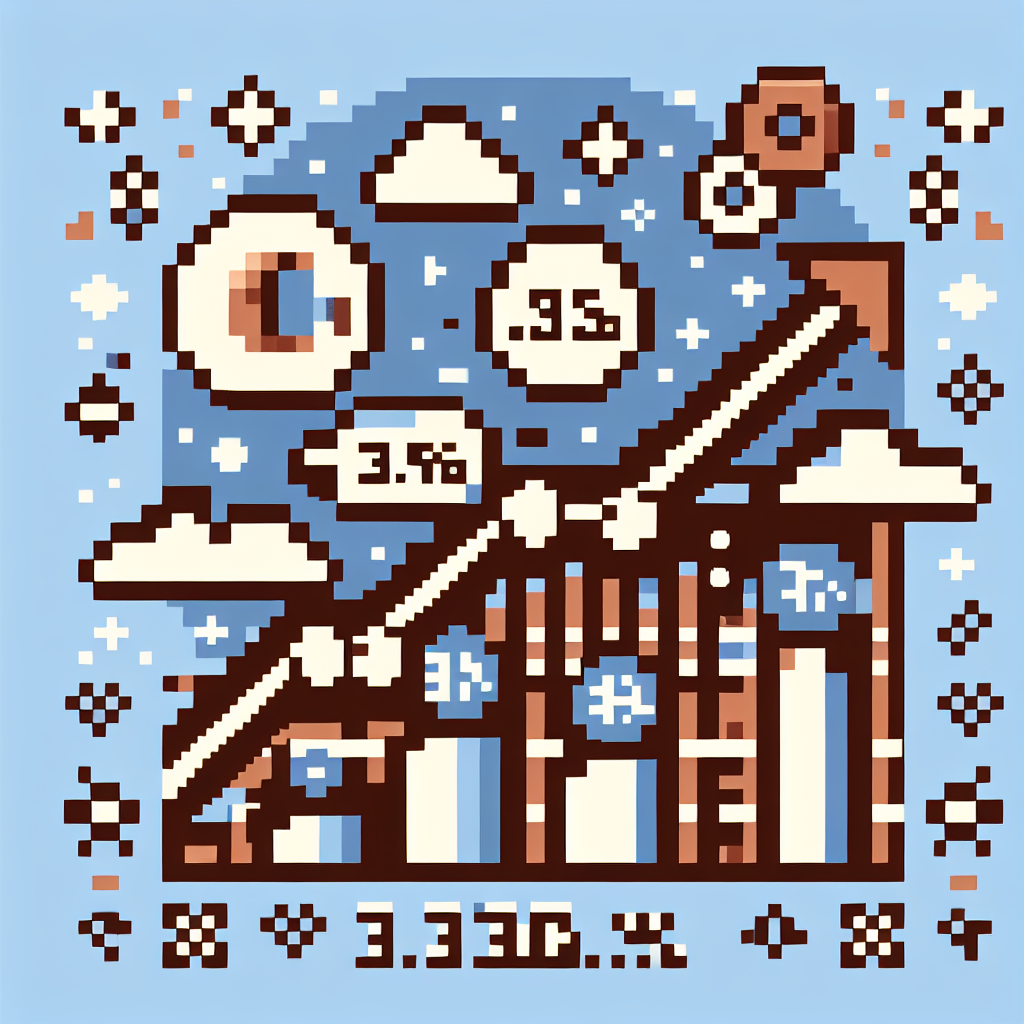
Japan, a nation renowned for its cherry blossoms, cutting-edge technology, and rich cultural tapestry, is now also notable for its inflation rates surpassing the Bank of Japan's (BOJ) target for three consecutive years. According to a recent CNBC report, Japan's inflation grew 3.6% year on year in March, marking a significant departure from the BOJ's long-standing 2% target. But what does this mean for Japan and the global economic landscape?

The Inflation Conundrum

For years, Japan grappled with deflation—a persistent decline in prices that stymied economic growth and stifled consumer spending. The BOJ's 2% inflation target was established as a remedy, intended to stimulate the economy by encouraging spending and investment. However, overshooting this target presents its own set of challenges.

The current 3.6% inflation rate, while modest compared to the double-digit figures seen in some other parts of the world (such as Argentina, where inflation exceeded 100% in 2023), is significant for Japan. It suggests that the country's economy is heating up faster than anticipated. This raises the question: how will policymakers respond to this continued rise in prices?

A Global Perspective

Japan's inflationary pressures are not occurring in isolation. Around the world, countries are grappling with the economic ripple effects of the COVID-19 pandemic, supply chain disruptions, and geopolitical tensions. For instance, the war in Ukraine has led to increased energy prices globally, affecting nations far beyond Europe. Similarly, the U.S. has experienced rising inflation rates, prompting the Federal Reserve to increase interest rates—a potential move Japan might consider, though it could have complex implications for its economy.

Interestingly, in an era where many countries are tightening monetary policy to combat inflation, Japan's approach has remained relatively accommodative. The BOJ continues to maintain low interest rates, prioritizing economic growth and stability over aggressive inflation control. This divergence in strategy highlights the unique economic landscape in Japan, where decades of economic stagnation have fostered a cautious approach to monetary policy adjustments.

Cultural and Economic Impacts

For the average Japanese citizen, rising inflation can have tangible impacts on daily life. From increased grocery bills to higher costs for everyday goods and services, the effects of inflation are felt most acutely by consumers. Yet, there is also a cultural dimension at play. Japan's aging population and shrinking workforce present additional economic challenges, leading to debates about immigration policies, workforce participation, and technological innovation as potential solutions.

A Lighthearted View

Despite the serious economic implications, there's an opportunity to find some levity in the situation. As Japan continues to navigate these inflationary waters, perhaps it's time for some creative thinking. Imagine a world where inflation is met with humor—where economists become stand-up comedians, turning complex economic theories into punchlines, and where inflation indices are humorously compared to sumo wrestling matches, with the yen battling it out on the global stage.

Final Thoughts

Japan's inflation journey is a testament to the complexities of managing an economy in a rapidly changing world. While the 3.6% inflation rate surpasses the BOJ's target, it also reflects broader global trends and challenges. As Japan charts its course forward, balancing growth and stability will be key. And who knows, maybe a little humor along the way will provide the resilience needed to weather the economic storms.

For more insights on Japan's economic landscape, check out the full [CNBC article](https://www.cnbc.com).

Read more about AI in Business
Read more about Latest Sports Trends

Read more about Technology Innovations

Unemployment fears hit worst levels since Covid as tariffs fuel inflation outlook, Fed survey shows – CNBC | Analysis by Brian Moineau

Unemployment fears hit worst levels since Covid as tariffs fuel inflation outlook, Fed survey shows - CNBC | Analysis by Brian Moineau

Navigating the Economic Storm: Unemployment Fears and Inflation Woes


As the world continues to grapple with the aftershocks of the Covid-19 pandemic, it seems we've found ourselves in the economic equivalent of a perfect storm. A recent survey by the Federal Reserve, highlighted in a CNBC article, paints a picture of growing consumer concerns over inflation, unemployment, and the stock market. Let's dive into the heart of these issues and explore their broader implications.

The Tariff Tangle


One of the primary drivers of these economic jitters is the ongoing global trade war. Tariffs, initially introduced as leverage in international negotiations, have started to take a toll on both consumer prices and business operations. It's a bit like playing a high-stakes poker game; every time a country raises its tariffs, it risks driving up inflation, which in turn impacts everything from grocery bills to mortgage rates.

This isn't the first time tariffs have stirred the economic pot. History is peppered with examples, such as the Smoot-Hawley Tariff Act of 1930, which many economists believe exacerbated the Great Depression. While today's global economy is vastly different, the fundamental principles remain the same: trade barriers often come with unintended consequences.

Rising Unemployment Fears


Adding another layer of anxiety is the specter of unemployment. The pandemic-induced job market recovery, while robust in some sectors, remains uneven. Industries like hospitality and travel have bounced back with vigor, but others, especially those reliant on international supply chains, continue to struggle.

According to the Fed's survey, consumer confidence in job security is at its lowest since the height of the pandemic. This unease is not unfounded; the ripple effects of supply chain disruptions and increased production costs can lead to job cuts as companies seek to preserve their bottom lines.

Inflation: The Silent Wallet Drainer


Inflation is the silent economic force that erodes purchasing power. As tariffs drive up production costs, these increases are often passed down to consumers. The result? Higher prices on everyday goods and services. The Fed's survey reveals that these inflationary pressures are a major concern for consumers, who fear that their hard-earned dollars will stretch less and less.

The situation isn't entirely bleak, though. Some economists argue that moderate inflation can be a sign of a growing economy. However, when inflation outpaces wage growth, it can lead to decreased consumer spending, which in turn slows economic growth—a delicate balance that policymakers must manage.

A Broader Perspective


While these economic challenges may seem daunting, it's crucial to remember that the world has faced similar trials before and emerged stronger. For instance, during the 2008 financial crisis, coordinated global efforts led to significant economic reforms that bolstered financial systems worldwide.

Moreover, innovation continues to thrive despite these challenges. Just look at the rise of remote work technologies and the rapid development of vaccines during the pandemic. These advancements not only address immediate needs but also lay the groundwork for future growth.

In the broader context, geopolitical tensions, like those between the US and China, also play a significant role in shaping economic landscapes. As countries navigate these complex relationships, the emphasis on diplomacy and cooperation becomes ever more critical.

Final Thoughts


While the current economic landscape may feel uncertain, it's essential to approach these challenges with both caution and optimism. Consumers and businesses alike must remain adaptable, as flexibility is often the key to weathering economic storms.

As we look ahead, the lessons learned from past crises can guide us. By fostering innovation, strengthening global cooperation, and prioritizing economic stability, we can overcome these hurdles and pave the way for a more resilient future.

In the words of Winston Churchill, "A pessimist sees the difficulty in every opportunity; an optimist sees the opportunity in every difficulty." As we navigate these turbulent times, let's choose optimism and work towards a brighter economic future.

Read more about AI in Business

Read more about Latest Sports Trends

Read more about Technology Innovations