Nintendo Switch modder ordered to pay $2 million in piracy lawsuit – The Verge | Analysis by Brian Moineau

Nintendo Switch modder ordered to pay $2 million in piracy lawsuit – The Verge | Analysis by Brian Moineau

Title: The Price of Pixels: A $2 Million Lesson from Nintendo’s Latest Legal Victory

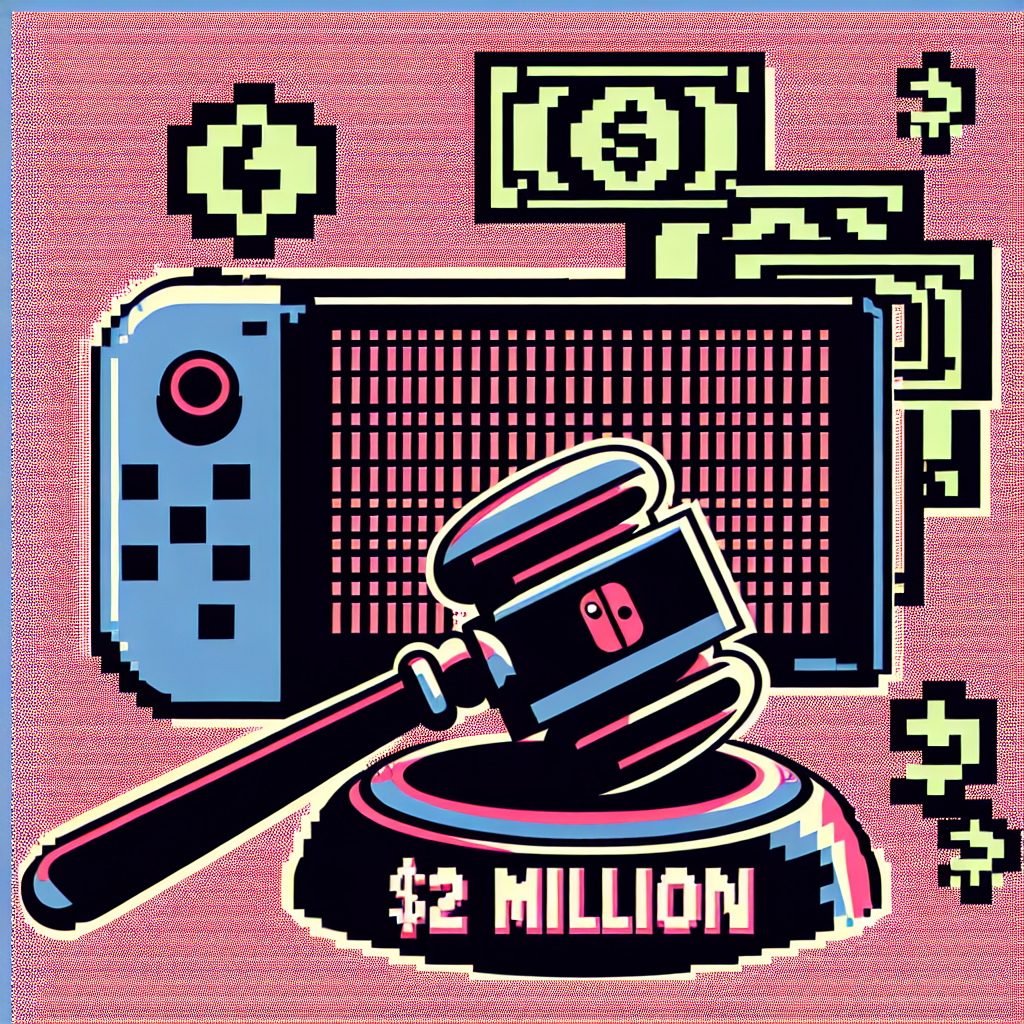
When we think of Nintendo, we often envision colorful characters, nostalgia-infused adventures, and the sheer joy of gaming. Yet, behind the curtains of this whimsical world lies a legal team as formidable as any Bowser boss battle. The latest testament to Nintendo’s unwavering stance against piracy comes courtesy of a lawsuit against Ryan Daley, the operator of Modded Hardware. Daley has been ordered to pay a staggering $2 million for allegedly selling hacked Nintendo Switch consoles and modchips.

Modding: The Fine Line Between Innovation and Infringement

Modding, or modifying hardware and software to add features or enhance performance, has long been a double-edged sword in the gaming community. On one hand, it fosters creativity and can breathe new life into older games. On the other, it often dances dangerously close to piracy. For Ryan Daley, that dance has come to an abrupt end with a hefty price tag.

Nintendo’s victory in this lawsuit is not just about protecting intellectual property; it’s a stern reminder of the company’s zero-tolerance policy towards piracy. Historically, Nintendo has taken a hard stance on these issues, reminiscent of its legal battles in the early 2000s against emulator sites that hosted ROMs of its classic games. The company’s consistent efforts underscore a larger narrative in the tech world: the ongoing battle between content creators and those who seek to exploit their work.

A Broader View: The Global Crackdown on Piracy

This lawsuit is not an isolated incident but part of a global effort to curb piracy across different media. For instance, the music industry has been waging a similar war, with artists and record labels taking action against unauthorized sharing platforms. Similarly, in the film industry, companies have targeted torrent sites to protect their intellectual property.

Interestingly, as technology continues to evolve, so too do the methods of piracy. The rise of streaming services in music and television has introduced new challenges, with unauthorized streams and account sharing becoming prevalent issues. Companies like Spotify and Netflix have had to innovate and adapt, employing sophisticated algorithms and regional restrictions to combat these modern piracy methods.

Ryan Daley: A Cautionary Tale

Ryan Daley’s story serves as a cautionary tale for modders and hackers alike. His operation, Modded Hardware, may have started with a passion for gaming and technology, but it crossed the line into infringement. The repercussions extend beyond the financial penalty; Daley’s reputation within the gaming community and the broader tech industry is likely tarnished.

This lawsuit also highlights the need for dialogue between companies and the modding community. While piracy is unequivocally illegal, there is a space where modding can coexist with corporate interests. Some companies have embraced this, offering official modding tools and platforms to foster innovation within legal boundaries. For instance, Bethesda’s Creation Kit for “Skyrim” allows players to create mods while respecting the original IP.

Final Thought: The Game of Balance

In a world where technology is rapidly advancing, the lines between innovation, modding, and piracy can blur. Nintendo’s legal victory serves as a reminder that, while creativity is encouraged, it must be balanced with respect for intellectual property rights. As the gaming industry continues to grow and evolve, finding harmony between these elements will be crucial for both creators and consumers alike.

As we navigate this digital landscape, let us hope for more collaborative approaches that celebrate innovation while respecting the creators who bring these pixelated worlds to life. After all, in the grand game of technology, cooperation could be the ultimate power-up.

Read more about AI in Business

Read more about Latest Sports Trends

Read more about Technology Innovations


Related update: We recently published an article that expands on this topic: read the latest post.

Related update: We recently published an article that expands on this topic: read the latest post.

The Pokémon Company Catches A Win In Lawsuit Against Another Rip-Off App – Nintendo Life | Analysis by Brian Moineau

The Pokémon Company Catches A Win In Lawsuit Against Another Rip-Off App - Nintendo Life | Analysis by Brian Moineau

### The Pokémon Company Catches Another Win: A Victory Against Rip-Off Apps

In a world where digital innovation is often a double-edged sword, it's no surprise that The Pokémon Company has once again found itself in court, battling against yet another copycat app. This time, the lawsuit involved a game eerily reminiscent of our beloved Pokémon universe, and the legal outcome was a win for The Pokémon Company. The case highlights ongoing issues within the tech industry, particularly concerning intellectual property rights and the ever-present challenge of rip-off apps.

#### The Battle against Copycats

The app in question, which bore striking similarities to Pokémon, was accused of infringing on the intellectual property rights of The Pokémon Company. This is not the first time the company has had to defend its iconic franchise in court. Pokémon, a cultural phenomenon since the 1990s, has spawned countless games, TV shows, movies, and merchandise, making it a prime target for imitation.

The Pokémon Company has always been vigilant about protecting its brand, and for good reason. The franchise is not just a nostalgic relic of the past but a thriving entity with a massive global fanbase. With Pokémon GO's resounding success and continued updates keeping the game fresh, it's clear that the Pokémon craze is far from over.

#### The Wider Implications in the Tech World

This lawsuit victory is not just a win for The Pokémon Company but also for the broader issue of intellectual property protection in the tech industry. The rise of app development has brought with it an increase in copycat apps, which can dilute the brand value of original products and confuse consumers. This case serves as a reminder of the importance of protecting creative works and the legal avenues available to do so.

In the tech world, companies like Apple and Samsung have also faced similar battles, albeit on a much larger scale. Their infamous patent wars have set precedents for how intellectual property is handled in the technology sector. Such cases underline the necessity for clear and enforceable intellectual property laws to foster innovation while protecting creators' rights.

#### An Unlikely Connection: Palworld

The article's cheeky mention of "Watch out, Palworld" brings another layer to this narrative. Palworld, a game that has gained attention for its Pokémon-like creatures and open-world gameplay, walks a fine line between inspiration and imitation. While Palworld distinguishes itself with unique elements such as survival mechanics and a darker tone, its developers should be cautious not to overstep the boundaries of creative inspiration.

In a similar vein, the gaming world has seen other cases where inspiration turns into legal battles. For example, Epic Games' Fortnite faced a lawsuit from PUBG Corp. over similarities between the two games. The case was eventually settled, but it highlights the thin line between homage and infringement.

#### Closing Thoughts

The Pokémon Company's latest legal victory is a testament to the importance of safeguarding intellectual property in a rapidly evolving digital landscape. As technology continues to advance, and as the app market becomes increasingly saturated, companies must remain vigilant in protecting their creations.

For fans of Pokémon, this win ensures that the franchise remains untarnished by cheap imitations. It also reinforces the message that creativity deserves respect, and those who innovate should be able to do so without fear of their ideas being stolen.

In the end, while technology offers endless possibilities, it also demands responsibility. As consumers, creators, and companies, we all play a role in shaping a digital world that respects and celebrates originality. So, here's to The Pokémon Company—may the journey to catch 'em all continue, free from the shadows of rip-offs.

---

Feel free to share your thoughts on the impact of intellectual property issues in the tech world, and let's keep the conversation going. After all, in the wise words of Professor Oak, "The world of Pokémon is a world of dreams and adventures." Let's keep it that way.

Read more about AI in Business

Read more about Latest Sports Trends

Read more about Technology Innovations