Hotel guests, not new neighbors: why the Animal Crossing 3.0 Resort is bittersweet
The first time I checked into Kapp’n’s Resort Hotel, I squealed when an old favorite — a villager who used to live on my island years ago — wandered past the pier and sighed about missing “the old place.” For a second, I dared to hope: could this be the moment my dream villager would finally move back in? Spoiler: no. The new hotel is joyful, adorable, and full of little stories… but it won’t let those guests unpack for good.
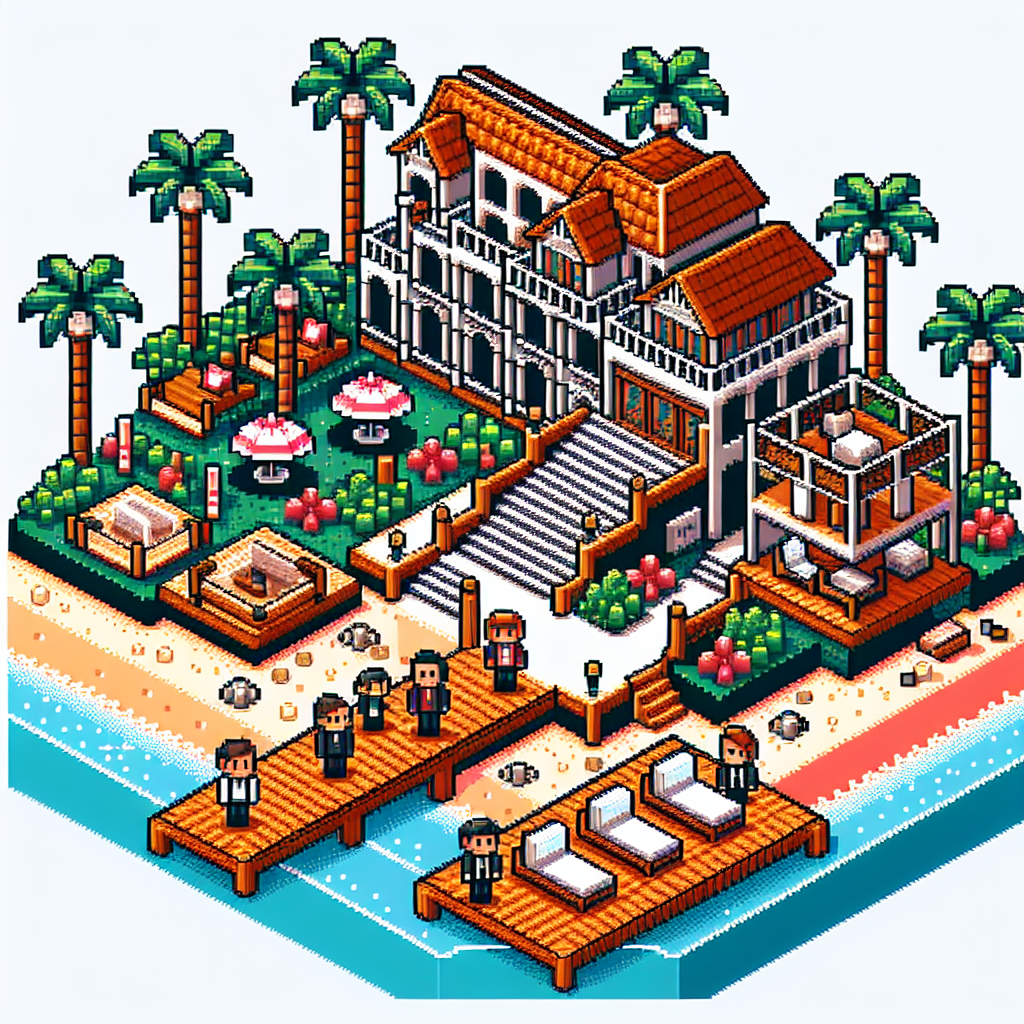
The 3.0 update for Animal Crossing: New Horizons added a lot of shiny stuff — a Resort Hotel where you design themed rooms, new souvenirs, island cleanup services, and Slumber Islands. One of the update’s most lovable hooks is the hotel’s ability to bring huge variety to your island for short visits: up to eight rooms, lots of possible villagers (including former residents), and charming interactions. But there’s a catch that’s left many players deflated: hotel guests are strictly temporary tourists and cannot be invited to permanently move to your island like campers or expedition encounters can. (tech.yahoo.com)
What's happening (and why people are bummed)
- The resort unlocks once your island hits a certain threshold and Kapp’n and family appear — then you can decorate rooms, earn hotel tickets, and attract visitors. It’s a delightful new loop of creativity and rewards. (gamesradar.com)
- Guests will roam your island, take part in Group Stretching, buy souvenirs, and even reminisce if they used to live with you. Those nostalgic lines make the limitation sting more. (tech.yahoo.com)
- Unlike visitors from the Campsite or Island Excursions — who can be persuaded to move in if conditions are right — hotel tourists check in and check out on Nintendo’s schedule. There’s currently no mechanic to make a hotel guest become a resident. (tech.yahoo.com)
- The result: the hotel is a fantastic way to sample the game's enormous villager roster, but it’s not a shortcut to filling an empty plot with a long‑wanted dreamie.
Why Nintendo might have made this choice
We don’t have an official line that spells out the full technical reasoning, but a few sensible possibilities emerge from how the game handles NPC roles:
- Role separation: hotel tourists likely use a different NPC state and dialogue tree than moveable villagers. Letting them switch roles mid-visit could create dialogue, AI, or save‑data complexity. (vice.com)
- Design intention: the hotel is built around short, colorful interactions and collectible souvenirs; making it a recruitment channel might undermine those design goals or the balance of other recruitment systems.
- Stability and save-data safety: other updates have addressed tricky bugs around villagers moving in or plots left sold; Nintendo historically errs on the side of caution with permanent changes to resident status. (en-americas-support.nintendo.com)
What players are saying
The fan reaction is a mixed stew of delight and disappointment:
- Many players love the hotel’s atmosphere, the design opportunities, and how lively it makes islands feel. Decorating rooms and watching a full set of guests mingle is pure vibe. (gamesradar.com)
- Others feel frustrated because the hotel is the most efficient way yet to encounter lots of different villagers at once; not being able to convert that into a permanent recruit feels like a missed chance. Social posts and comment threads lean into the yearning — especially when a beloved ex-resident shows up and can’t stay. (tech.yahoo.com)
Practical tips if you want a specific villager
- Use the hotel to scout: if you spot your dream villager at the hotel, pay attention to their house style, voice lines, and general vibe so you know what to expect when they appear elsewhere. (tech.yahoo.com)
- Keep using Campsite and Island Excursions: those remain the reliable recruitment paths for permanent moves. If you have amiibo cards, campsite invites are still a way to bring particular villagers back for good. (gamefaqs.gamespot.com)
- Stockpile Nook Miles and tickets: more excursions and hotel visits give you more chances to encounter your dream villager through the methods that allow moving in.
A few bright sides
- The hotel is genuinely delightful for island roleplay, photography, and giving your island new energy.
- It’s a great way to re‑meet villagers you haven’t seen in years and to collect new souvenir items tied to decor themes.
- Nintendo has a history of refining mechanics post‑launch, so the community’s feedback could influence future updates. (gamesradar.com)
My take
The Resort Hotel is one of those updates that makes New Horizons feel alive in a fresh way: more faces, more micro‑stories, more scenic chaos. But the inability to recruit tourists into permanent residents is an understandable design decision and yet a bit of a heartache for collectors and sentimental players. For now, treat the hotel as a joyful preview space — a place to fall in love with villagers all over again, then go dig them up the old-fashioned way when you want them home.
Final thoughts
Players will keep sharing screenshots of wistful villagers walking past windmills and beaches, and that emotional pull is a feature, not a bug. The hotel deepens the game's social texture even if it doesn't hand you a new neighbor on a silver platter. If enough players yearn for a bridge between vacationer and resident, Nintendo has shown it will listen — and New Horizons' post‑launch life has taught us that small wishes can become big updates.
Sources
Related update: We recently published an article that expands on this topic: read the latest post.
Related update: We recently published an article that expands on this topic: read the latest post.
Related update: We recently published an article that expands on this topic: read the latest post.
Related update: We recently published an article that expands on this topic: read the latest post.
Nintendo’s nostalgia trick: old icons, new buzz for 2025 releases
Nintendo quietly knows how to tug at our nostalgia strings. This fall it rolled out a promotion for Nintendo Switch Online that brings back a stack of profile icons tied to big 2025 releases — including waves inspired by Super Mario Galaxy + Super Mario Galaxy 2, F‑Zero 99, and Kirby and the Forgotten Land. It’s a small feature on paper, but it tells a bigger story about how Nintendo keeps fans engaged between game drops.
Why icons matter more than you think
- Icons are tiny, but they’re social: your profile avatar is how you present yourself in friends lists, lobbies, and party chats.
- Tying icons to game releases turns a low‑friction cosmetic into a micro‑marketing channel: collectible waves, limited availability and the Missions & Rewards system push both attention and playtime.
- For Nintendo, this is a light, low‑cost way to refresh interest in older IP (Super Mario Galaxy), support live services (F‑Zero 99) and spotlight newer hits (Kirby and the Forgotten Land).
What Nintendo brought back in 2025
- Super Mario Galaxy + Super Mario Galaxy 2: multiple waves of character and background icons launched around September–October to coincide with the remastered bundle’s release, offering Mario, Rosalina, Lumas and other Galaxy staples via the Switch Online Missions & Rewards system.
- F‑Zero 99: classic F‑Zero visuals resurfaced as icons alongside renewed interest in the franchise (and the battle royale spin).
- Kirby and the Forgotten Land (and other Kirby games): icons tied to Kirby’s 3D comeback were rotated through Nintendo’s rewards lineup.
These icon drops are typically split into waves and cost small amounts of Platinum Points (the My Nintendo currency) — usually 10 points per character icon and smaller prices for frames or backgrounds. Availability tends to be limited, with each wave active for a week or so before rotating out. (See Sources for specific coverage and dates.)
Context: a pattern, not a one‑off
Nintendo has been leaning into collectible, limited‑time cosmetics across its ecosystem:
- The Switch Online Missions & Rewards overhaul made profile icons a recurring reward that can be scheduled around releases.
- Reissues and remasters like Super Mario Galaxy + Super Mario Galaxy 2 are natural anchors for nostalgia-driven drops.
- The GameCube library and other retro pushes for Switch 2 also created opportunities to repurpose classic art into modern social cosmetics.
This is consistent with Nintendo’s broader strategy: marry premium releases with small, free/cheap engagement hooks that keep subscribers logging in and talking about their ecosystem.
The user experience side
- It’s friendly to casual players: icons are cheap in My Nintendo points and don’t gate gameplay.
- Collectors get a chase: limited windows create urgency and social bragging rights (“I grabbed the Rosalina icon”).
- It nudges play: some icons require “Play and Redeem” style tasks (play a linked game X times) — that’s clever cross‑promotion.
For many fans, these small touches deepen fandom. For others, it can feel like manufactured scarcity — but compared to paid cosmetics in other platforms, Nintendo’s implementation leans light and community‑focused.
My take
Nintendo’s icon drops are a deceptively effective tool. They’re inexpensive to produce, resonate strongly with long‑time fans, and slot neatly into a subscription model where retention is king. By pairing iconic assets (literally) with marquee releases like Super Mario Galaxy + Super Mario Galaxy 2, Nintendo gets free social marketing and a steady trickle of engagement without heavy investment.
If you care about profiles and collector status, keep an eye on Switch Online’s Missions & Rewards during major release windows — these small items are often the most fun, smashable pieces of nostalgia Nintendo hands out between big game announcements.
Things to watch next
- Will Nintendo expand rare icon drops to paid DLC-style bundles, or keep them mostly in My Nintendo’s Platinum economy?
- How often will Nintendo synchronize icons with remasters and live‑service releases (e.g., F‑Zero 99)? Regular cadence could make these drops predictable — and predictable can be both comforting and stale.
- As Switch 2 evolves, will higher‑resolution consoles get upgraded icon art (animated avatars, for instance)?
Sources
Related update: We recently published an article that expands on this topic: read the latest post.
Hyrule Warriors: Age of Imprisonment already thinking ahead — two free updates are coming
The moment you boot up a new Zelda game you start imagining what else could be added: fresh characters, cheeky costumes, new challenges to sink time into. Hyrule Warriors: Age of Imprisonment barely landed on Nintendo Switch 2 (released November 6, 2025) and the developer has already teased two free updates. That’s the kind of post-launch roadmap that keeps a community buzzing — and it says a lot about how Nintendo and Koei Tecmo want this Zelda Musou to live and grow.
Why this matters (and why it feels smart)
- Hyrule Warriors is built on momentum. The series thrives on roster expansions, extra modes and community longevity — free updates are an obvious way to encourage more players to jump back in.
- The switch (no pun intended) to Switch 2 hardware and the game’s canonical ties to Tears of the Kingdom mean this title isn’t just another spin-off: it’s a narrative and technical statement. Supporting it post-launch keeps the narrative hooks fresh and gives developers room to refine multiplayer and mission balance.
- A day-one patch already fixed a few progress-blocking bugs and added a quality-of-life shortcut (version 1.0.1, released November 5, 2025). Announcing future free updates this early signals confidence and a desire to maintain goodwill with fans.
What we know so far
- The game launched on Nintendo Switch 2 on November 6, 2025. Nintendo’s official page confirms the release and core features such as split-screen co-op and GameShare. (See Sources.)
- Nintendo Life and other outlets picked up a message from the official Zelda Musou social account indicating Koei Tecmo’s AAA Games Studio is planning two free updates to “allow fans to enjoy the experience for even longer.” Details about what those updates will include have not yet been revealed. (See Sources.)
- A day-one patch (version 1.0.1) addressed a few critical issues — split-screen Korok progression bug, a freeze when quitting certain time-rewind battles, GameShare progression problems — and added a convenienced Y-button shortcut to Aside Quests on the map. That patch shipped November 5, 2025. (See Sources.)
- Community chatter (Reddit, Twitter, fan sites) is already full of hopes: new playable characters (Sonia, Twinrova), costumes, additional missions, challenge modes, and QoL changes. Those are reasonable expectations given the series’ history, but nothing official beyond “two free updates” has been announced.
What the free updates might realistically include
- New playable characters or costumes
- Historically, Hyrule Warriors entries often add characters post-launch (both free and paid). Given the game’s large cast and Musou DNA, additional characters are the easiest way to extend longevity.
- Extra missions/modes
- Additional challenge maps, rogue-lite arenas, or rotating events keep players returning without massive narrative work.
- Quality-of-life fixes and balancing
- Expect more performance tweaks, coop fixes (split-screen is 30fps currently), accessibility options, and mission balancing.
- Free cosmetic content or weapons
- Linking save data (Age of Calamity, Tears of the Kingdom) already unlocked bonus weapons — more free unlockables would follow that precedent.
These are not promises — they’re educated guesses based on the studio’s pattern, what’s already been patched, and what fans typically ask for.
Why two free updates — a developer perspective
- Community retention: Two formal updates are a clear signal to current and potential players that the live service isn’t dead on arrival. It turns a launch weekend into a launch season.
- Staged development: Releasing content in waves lets the team react to player feedback and telemetry, addressing balance issues and tailoring forthcoming content to what players actually enjoy.
- Marketing runway: Teasing upcoming free content also gives Nintendo and the developer a reason to re-engage media and influencers a few weeks or months after launch — useful during a crowded holiday season.
What I’m watching next
- Exact contents, release windows, and whether any additional paid DLC/seasons are announced after the free updates.
- How split-screen co-op evolves: the 30fps note in co-op was a common critique in early coverage — a performance patch could be a major goodwill move.
- Which characters the devs prioritize: canonical cast members from Tears of the Kingdom or surprising returns from Age of Calamity-era lore would each send different messages about the game’s long-term direction.
Early impressions, shaped by the roadmap
Hyrule Warriors: Age of Imprisonment launches with the confidence of a team that expects to iterate. A solid day-one patch and the promise of two free updates suggest this is meant to be more than a quick cash-in. For fans of Musou combat and Zelda lore, that’s exciting: it implies developer commitment to polish, add value, and keep the game relevant beyond launch week.
My take
Two free updates is a smart, community-oriented move. It buys trust and gives the developers room to respond to player feedback — from performance to roster wishes. Whether those updates bring playable fan-favorites, new modes, or just polish, the pledge alone makes the game feel like the start of a living project rather than a finished product shipped and forgotten. If you’re on the fence, the roadmap is reason enough to consider picking it up now or keeping an eye on what’s announced next.
Further reading
- For official launch details and features, see Nintendo’s announcement.
- For coverage of the free-updates tease and the day-one patch, see the reporting linked below.
Sources
Related update: We recently published an article that expands on this topic: read the latest post.
Related update: We recently published an article that expands on this topic: read the latest post.
Related update: We recently published an article that expands on this topic: read the latest post.