Marvel Rivals: A New Hero Shooter Arena | Analysis by Brian Moineau

Ignite the Battle: Why Marvel Rivals Feels Like a Fresh Superhero Playground

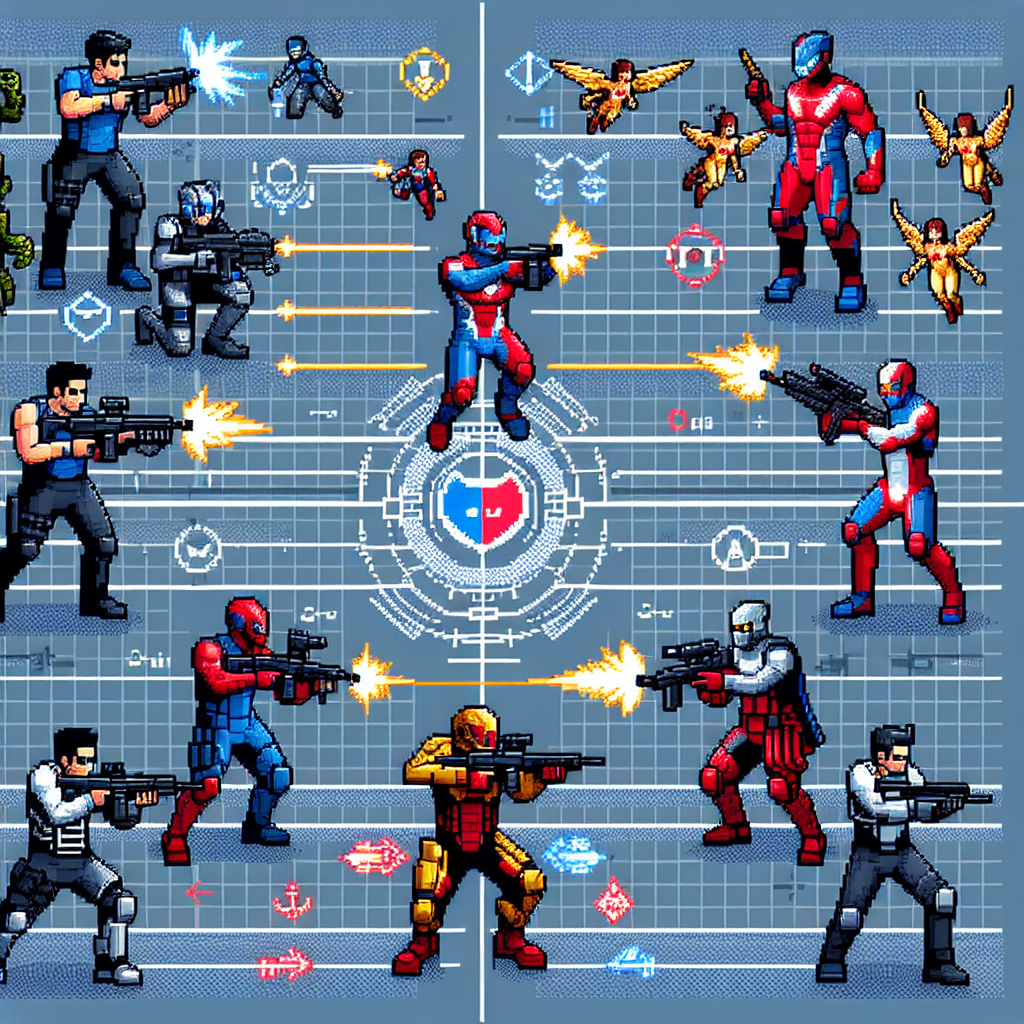
Marvel Rivals lands like a gust of energy: flashy powers, crunchy third-person shooting, and the kind of fan-service roster that fills voice channels with excited squeals. Marvel Rivals invites players to "Play for free now! Get ready to Ignite the Battle with Marvel Rivals!" and, honestly, it delivers more than the usual hero-shooter checklist. From its 6v6 PvP core to growing PvE ambitions, this game feels less like a single product and more like the start of a living Marvel festival.

What Marvel Rivals is — and what it wants to become

At its core, Marvel Rivals is a free-to-play, team-based PvP shooter built around iconic Marvel characters and quick, ability-driven combat. Matches emphasize combos, positioning, and dramatic supers — the kind of moments where a perfectly timed skill turns a chaotic fight into a highlight clip.

However, developers at NetEase and Marvel Games are already signaling bigger goals. Rather than staying a straightforward 6v6 shooter, they intend to expand Rivals into broader experiences: seasonal content tied to MCU-inspired themes, PvE events (including a zombies mode), and even long-term plans that stretch toward 2027. In short, Rivals aims to be a game that evolves into more than "just a shooter." (marvelrivals.com)

Quick highlights

  • Fast, movement-friendly third-person combat with superhero abilities.
  • A rotating seasonal model that adds characters, modes, and themed content.
  • Free-to-play access with a robust hero roster at launch and ongoing updates. (marvelrivals.com)

Why the free-to-play hook matters now

Free-to-play means low friction: anyone with a PC or console can jump in and try combinations of heroes without a paywall blocking access. That accessibility helped Marvel Rivals amass a big player base shortly after launch, which in turn fuels matchmaking, stream visibility, and the ecosystem required for a live service to thrive. Players get instant access to heroes and can focus on learning kits and team synergies rather than grinding to unlock characters. This is a design choice that suits a hero shooter’s social momentum.

Moreover, keeping heroes broadly accessible encourages experimentation — and experimentation makes for community-driven meta shifts and highlight-worthy plays, both crucial for a game that lives or dies by its moments.

Marvel Rivals: evolving beyond PvP

Transitioning from purely competitive 6v6 matches to hybrid content is smart. NetEase has started introducing PvE content — most notably a Marvel Zombies mode — which mixes PvP-style heroes with cooperative encounters and boss battles. These modes broaden appeal: players who prefer co-op or story-driven events get something to sink their teeth into, while PvP veterans find new ways to test builds against AI and bosses. PC Gamer’s coverage of the Zombies announcement highlights how the game can leverage Marvel’s vast alternate-universe stories to create playful, sometimes bizarre experiences (yes, there’s a shark guy). (pcgamer.com)

Looking ahead, the creative director has spoken about plans that run through 2027: more modes, tie-ins inspired by the Infinity Saga, and an aesthetic evolution that he describes — cryptically — as moving toward a "moving anime" experience. Whether that becomes hyper-stylized cinematics, larger narrative events, or an overhaul of presentation, the ambition signals long-term thinking. If developers execute carefully, Rivals can avoid the "flash in the pan" trap many live-service shooters face. (gamesradar.com)

The gameplay loop that keeps players coming back

The action loop in Marvel Rivals is straightforward and addictive: pick a hero, learn a kit, master ability combos, and sync with teammates. Short matches make the game friendly for daily sessions, while frequent seasonal updates add new heroes and tweaks to spice up the meta.

Rewards and events support this loop. Timed events, cosmetic drops, and limited-time modes create immediate reasons to log in. Because Marvel Rivals shipped with all heroes unlocked at launch and maintains a steady cadence of content, players feel rewarded for trying new characters instead of being locked behind a progression wall. (marvelrivals.com)

The balancing act: challenge and community

Any hero shooter must balance complexity and accessibility. Rivals walks that line by giving characters distinct personalities and unique systems without forcing a steep learning curve. Still, balance patches and quality-of-life updates will be crucial as the roster grows — something the team seems aware of, given their regular patch notes and roadmap updates.

Community engagement also matters. When a game ties itself to a cultural behemoth like Marvel, expectations soar. Listening to players, addressing bugs, and offering transparent roadmaps will decide whether Rivals becomes a beloved destination or a well-intentioned experiment that fragments under competing expectations. (marvelrivals.com)

Key takeaways

  • Marvel Rivals blends quick 6v6 PvP with superhero spectacle and broad accessibility.
  • Developers are expanding beyond PvP toward PvE, seasonal tie-ins, and longer-term content through 2027.
  • Free-to-play and unlock-every-hero approaches boost experimentation and community growth.
  • Success depends on balance updates, content cadence, and responsive community management.

My take

Marvel Rivals delivers the core joys of a hero shooter: heroic powers, satisfying ability interactions, and those highlight-reel plays you want to show off. Its biggest strength is also its biggest risk — the ambition to become more than a shooter. If NetEase and Marvel Games keep a clear roadmap, maintain balance, and keep the community in the loop, Rivals can grow into a diverse, long-running hub of Marvel content.

On the other hand, live-service fatigue is real. The difference will be how Rivals uses Marvel lore: as surface aesthetics, or as a deep well for event design and modes that feel fresh rather than recycled. So far, moves like the Zombies PvE mode and a steady seasonal plan suggest they understand this distinction. (pcgamer.com)

Sources

Ignite the battle and see which hero combos spark a new favorite — Marvel Rivals wants you in, and it’s shaping up to be a surprisingly ambitious place to play.


Related update: We recently published an article that expands on this topic: read the latest post.

WoW World First Chaos After Secret Phase | Analysis by Brian Moineau

Screams of joy were quickly replaced by panic: the hidden twist that shook the WoW Race to World First

Imagine the room — or the stream — exploding. After days of ragged pulls, perfect cooldown timing, and sleep-deprived dinners, a top guild finally watches the final boss' health tick to zero. The chat floods with cheers. Then, the boss stands back up. The elation curdles into disbelief. That exact moment is at the heart of "WoW Race To World First Thrown Into Chaos After Secret Boss Phase Reveal - GameSpot", and it sent ripples through the Race to World First for Blizzard’s Midnight expansion.

This secret phase — a Mythic-only final act hidden from public eyes until the moment a guild triggers it — rewrote expectations overnight. What looked like a finished fight suddenly became an encore of catastrophic proportions. For viewers, competitors, and developers, the spectacle was both brilliant and brutal.

Why the secret phase mattered

  • It changed the narrative of the race in real time.
  • It exposed the gap between datamined files and actual in-game triggers.
  • It reminded viewers why Race to World First remains must-see for many gamers.

Top guilds train for predictable patterns. They parse logs, refine rotations, and model DPS windows down to the last second. A surprise phase interrupts that careful choreography. In this case, as multiple outlets reported, a guild believed they’d just secured the World First only to find the boss resurrected with a hidden fourth phase — Mythic-only and designed to be a jaw-dropper. Viewers watched as controlled triumph turned into renewed panic: strategies had to be rewritten on the fly, and the leaderboard swings became dramatic theater.

Transitioning from joy to chaos wasn't just dramatic — it exposed how Blizzard designed a safety valve of mystery into Midnight's finale. Dataminers had hinted at unused abilities, but seeing a resurrected boss live convinced everyone that the devs intended one more coin to flip the race’s outcome.

The race unfolded live

Across streams and social platforms, the footage spread fast. Clips showed players mouth the words “secret phase” in disbelief as the boss healed and returned. Reactions ranged from laughter to groans to heated debate. Some praised the surprise as a brilliant moment of showmanship; others called it unfair, arguing that a race built on clarity and precise execution becomes muddled when hidden mechanics exist.

Yet other outlets and community hubs noted a more nuanced view: secret phases aren’t without precedent. Over WoW’s twenty-year history, Mythic-only twists have popped up before, sometimes gated behind triggers or story beats. What's new here was the timing and its effect on an active Race to World First — a contest where hours matter and momentum can decide winners.

What players and guilds did next

  • Reassess triggers: guilds hunted for the exact conditions that unlock the secret phase.
  • Rework logs: analysts pored over raid logs to identify consistency factors that led a group to the hidden encounter.
  • Adjust pacing: teams reallocated cooldowns and damage windows to survive and close the new phase.

Guilds that were ahead found themselves with one more mountain to climb; those trailing got a second chance. Streaming personalities dissected the clip, while dataminers and top raiders traded notes: Was the secret phase deterministic or flaky? Could it be intentionally inconsistent to preserve drama? The answers took hours and days to emerge as more groups reached the same point and logged the encounters.

A moment that delighted and frustrated viewers

For the audience, this was compelling television. The unpredictability captured why so many tune into Race to World First events: the possibility of witnessing something truly unexpected. Still, the hidden phase also drew criticism because it blurred the line between a fair competitive event — where all teams should know the full rule set — and spectacle.

This balance between competitive fairness and developer-driven drama is tricky. On one hand, designers want memorable reveal moments. On the other, top-level competition thrives on transparency so teams can prepare without last-minute surprises deciding outcomes. The Midnight finale landed squarely in that tension.

What this means for WoW's Race to World First

  • The secret phase raises the stakes for dataminers and early testers, making their discoveries more influential.
  • It underscores the emotional roller coaster of live competitive MMORPG content.
  • It will likely prompt developers and race organizers to clarify what is considered part of the competitive encounter.

In short: the secret phase didn’t just affect one pull. It affected procedures, expectations, and how the community frames future races. Expect guilds to treat any unexplained file reference or cinematic hint as a potential game-changer. Similarly, organizers might revisit rules about hidden content to preserve the integrity of competitive timing.

L’ura, Midnight, and the anatomy of a modern WoW drama

The boss in question — a Mythic final for Midnight’s raid — combines complex mechanics with a non-linear encounter design. That made the secret phase especially cruel: teams had already expended huge resources to reach the final moments. A resurrected boss with new mechanics meant newly required coordination at the worst possible time.

Yet, beyond the anger and the memes, there’s an artistic streak to the choice. Blizzard engineered a theatrical reset that generated the exact emotional arc designers might want players to feel: victory, disbelief, and the fresh terror of an unseen challenge. The game reminded everyone that it can still surprise even the most veteran players.

Lessons learned and what to watch next

  • Pay attention to datamining — but treat it as a tip, not gospel.
  • Watch how Blizzard and race organizers respond in statements or rule updates.
  • Expect future raid reveals to be scrutinized far more intensely.

Crucially, the community’s reaction will matter. If players embrace the surprise as part of Midnight’s charm, Blizzard may lean into similar reveals in future expansions. If the pushback grows — especially from the competitive scene — devs might adjust or communicate better before Mythic opens.

My take

I love that videogames can still produce live, unscripted drama. The moment the boss rose again was raw, electric, and unforgettable. That said, fairness matters in competition. Hidden Mythic-only mechanics should come with a clear policy for races where hours and reputations are at stake. Designers can have their theatrical beats, but when millions watch and teams plan around consistency, transparency preserves competition without killing the spectacle.

Ultimately, the Midnight secret phase will live on in clips and banter. It reminded the community why Race to World First matters: not just for the leaderboard, but for those heart-stopping seconds where the unexpected makes us gasp.

Final thoughts

The L’ura secret phase was a vivid reminder that live multiplayer games are still capable of surprising both creators and players. It was a controversial twist, yes — but also a story that made the Race to World First feel alive, unpredictable, and very human. For better or worse, moments like this keep us watching.

Sources

Cyberpunk TCG Breaks Kickstarter Records | Analysis by Brian Moineau

Night City on Cards: how the Cyberpunk TCG became the most-funded TCG on Kickstarter

Boot up: the Cyberpunk TCG became the most-funded TCG game in Kickstarter history almost as fast as its backers hit the pledge button. The campaign — a licensed, physical trading card game tied to Cyberpunk 2077 and the Edgerunners universe — exploded past its goal in minutes and kept climbing, showing how a beloved IP plus a polished physical product can light up crowdfunding in 2026.

This post looks at why this Cyberpunk TCG resonated, what it means for creators and sellers of games, and what lessons developers should take from a campaign that turned fandom into record-setting funding.

Why the Cyberpunk TCG blew past expectations

  • The IP matters. Cyberpunk 2077 isn’t just a video game; after years of recoveries, expansions, and the Edgerunners anime, it’s a multi-platform franchise with passionate fans. That built-in audience gave the campaign an immediate traction edge.
  • Clear product promise. The Kickstarter focused on a physical, collectible TCG experience — starter decks, premium artwork, and collectability — which matches the expectations of trading-card audiences who prioritize tactile components and long-term collection value.
  • Timing and hype. Launched amid anniversary celebrations and other promotional activity for the franchise, the campaign benefited from headline attention and social amplification.
  • Professional execution. The campaign page and early previews leaned on strong visuals, video, and a structured release plan, which reduces perceived risk for backers and entices higher pledge tiers.

Together, these elements turned casual curiosity into immediate pledges. Moreover, the campaign rode the post-pandemic crowdfunding maturity curve: savvy buyers now expect polished campaigns and are willing to fund big production runs for premium table-top goods.

The crowdfunding landscape has changed — and this shows it

First, crowdfunding is no longer only for niche indie experiments. Large IP partners and established studios now use Kickstarter as a demand test and marketing engine. Consequently, the platform has seen campaigns with multimillion-dollar outcomes, especially in tabletop categories.

Second, backer expectations have shifted. They want transparency about manufacturing, distribution plans, and organized play. Campaigns that provide clear logistics, stretch goals tied to tangible components, and realistic timelines earn trust — and money.

Third, platforms beyond Kickstarter (Gamefound, BackerKit, and specialized fulfillment partners) have matured, making it economically feasible to promise large print runs and global distribution. That infrastructure lets campaigns scale rapidly when demand spikes.

Therefore, when a licensed title with good execution launches, it can climb record books quickly. This Cyberpunk TCG did exactly that.

What this record means for creators and sellers of games

  • Licensing can be a force multiplier. A strong license draws attention, but it also raises expectations. If you opt for an IP tie-in, invest in production quality and community-facing materials to match the brand’s reputation.
  • Community-first product development pays off. Early previews, playable prototypes, and transparent timelines reduce friction for backers. In practice, that translates into faster funding and higher-average pledges.
  • Physical-first collectors still drive value. Despite the growth of digital card games, many buyers prize the tactile and collectible aspects of physical TCGs. High-quality printing, sleeve-friendly card stock, and compelling art will remain selling points.
  • Prepare fulfillment early. Large, viral campaigns bring fulfillment complexity. Working with experienced manufacturers and fulfillment partners before launch mitigates delays and reputational risk.
  • Be wary of scale risk. Rapid funding growth is attractive, but it can force scope creep (more stretch goals, extra components). Creators should model budgets conservatively and avoid adding features that jeopardize delivery.

In short, the crowd will pay for what it loves — but creators must be ready to deliver at scale.

How retailers and distributors should read this

Retailers should watch two signals: demand spillover and long-tail collectability. Successful Kickstarter runs for recognizable IPs often translate into strong retail interest post-fulfillment, especially when the publisher secures distribution deals.

Consequently, retailers can:

  • Track Kickstarter momentum as an early indicator of SKU demand.
  • Consider preorder partnerships with publishers to capture backers who missed the campaign.
  • Emphasize boxed, starter, and premium sets for display and event play, since organized play drives repeat purchases.

Meanwhile, distributors should plan for staggered shipments and regional compliance (customs, taxes), because big tabletop runs often require multiple production batches and warehousing solutions.

The player perspective: why people pledged

Players don’t just buy games; they buy stories, status, and community. For many backers, the Cyberpunk TCG offered:

  • A chance to own premium, limited-run physical items tied to a favorite franchise.
  • Early access to prototype gameplay and collectible variants that may never be reprinted.
  • Social capital within fandom communities — supporting a launch and showing off exclusive components.

Additionally, the rapid funding momentum created a bandwagon effect: as stretch goals popped, latecomers saw more value for the same pledge, which further accelerated backing.

My take

This campaign is a clear sign that the TCG market still has appetite for well-executed physical products, especially when paired with a high-profile license and professional campaign management. However, the real test comes after the pledge period ends: fulfillment, quality control, and community support will determine whether this becomes a beloved TCG or a cautionary tale.

For designers and publishers, the takeaway is simple: combine strong IP or an equally compelling original vision with meticulous production planning and transparent communication. Do that, and the crowd will likely meet you at the starting line.

Further reading

  • The Kickstarter campaign page for the Cyberpunk TCG shows stretch goals, pledge tiers, and the team's production notes.
  • Coverage from tabletop press and independent outlets put this campaign in context with recent high-profile TCG Kickstarters and platform trends.

Sources


Related update: We recently published an article that expands on this topic: read the latest post.

Hotel Guests Only: Animal Crossing’s | Analysis by Brian Moineau

Hotel guests, not new neighbors: why the Animal Crossing 3.0 Resort is bittersweet

The first time I checked into Kapp’n’s Resort Hotel, I squealed when an old favorite — a villager who used to live on my island years ago — wandered past the pier and sighed about missing “the old place.” For a second, I dared to hope: could this be the moment my dream villager would finally move back in? Spoiler: no. The new hotel is joyful, adorable, and full of little stories… but it won’t let those guests unpack for good.

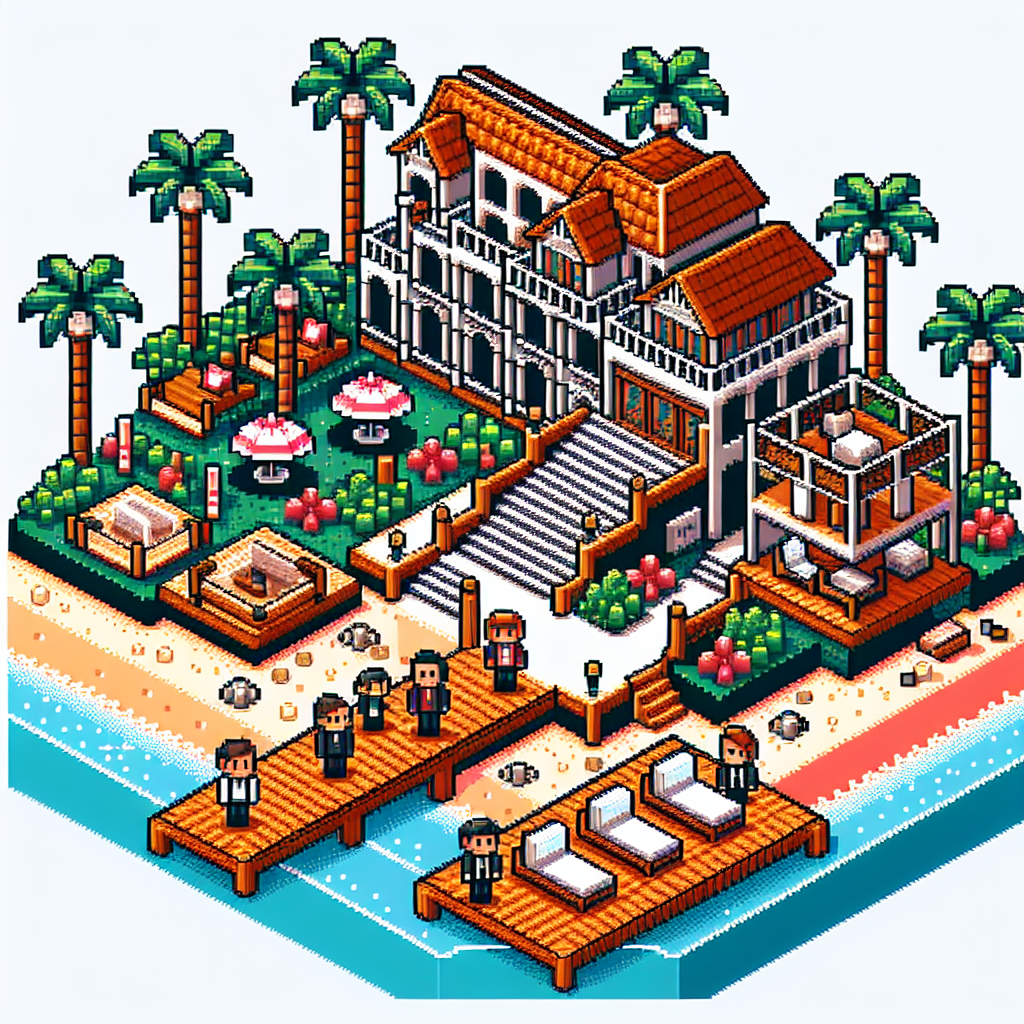
The 3.0 update for Animal Crossing: New Horizons added a lot of shiny stuff — a Resort Hotel where you design themed rooms, new souvenirs, island cleanup services, and Slumber Islands. One of the update’s most lovable hooks is the hotel’s ability to bring huge variety to your island for short visits: up to eight rooms, lots of possible villagers (including former residents), and charming interactions. But there’s a catch that’s left many players deflated: hotel guests are strictly temporary tourists and cannot be invited to permanently move to your island like campers or expedition encounters can. (tech.yahoo.com)

What's happening (and why people are bummed)

  • The resort unlocks once your island hits a certain threshold and Kapp’n and family appear — then you can decorate rooms, earn hotel tickets, and attract visitors. It’s a delightful new loop of creativity and rewards. (gamesradar.com)
  • Guests will roam your island, take part in Group Stretching, buy souvenirs, and even reminisce if they used to live with you. Those nostalgic lines make the limitation sting more. (tech.yahoo.com)
  • Unlike visitors from the Campsite or Island Excursions — who can be persuaded to move in if conditions are right — hotel tourists check in and check out on Nintendo’s schedule. There’s currently no mechanic to make a hotel guest become a resident. (tech.yahoo.com)
  • The result: the hotel is a fantastic way to sample the game's enormous villager roster, but it’s not a shortcut to filling an empty plot with a long‑wanted dreamie.

Why Nintendo might have made this choice

We don’t have an official line that spells out the full technical reasoning, but a few sensible possibilities emerge from how the game handles NPC roles:

  • Role separation: hotel tourists likely use a different NPC state and dialogue tree than moveable villagers. Letting them switch roles mid-visit could create dialogue, AI, or save‑data complexity. (vice.com)
  • Design intention: the hotel is built around short, colorful interactions and collectible souvenirs; making it a recruitment channel might undermine those design goals or the balance of other recruitment systems.
  • Stability and save-data safety: other updates have addressed tricky bugs around villagers moving in or plots left sold; Nintendo historically errs on the side of caution with permanent changes to resident status. (en-americas-support.nintendo.com)

What players are saying

The fan reaction is a mixed stew of delight and disappointment:

  • Many players love the hotel’s atmosphere, the design opportunities, and how lively it makes islands feel. Decorating rooms and watching a full set of guests mingle is pure vibe. (gamesradar.com)
  • Others feel frustrated because the hotel is the most efficient way yet to encounter lots of different villagers at once; not being able to convert that into a permanent recruit feels like a missed chance. Social posts and comment threads lean into the yearning — especially when a beloved ex-resident shows up and can’t stay. (tech.yahoo.com)

Practical tips if you want a specific villager

  • Use the hotel to scout: if you spot your dream villager at the hotel, pay attention to their house style, voice lines, and general vibe so you know what to expect when they appear elsewhere. (tech.yahoo.com)
  • Keep using Campsite and Island Excursions: those remain the reliable recruitment paths for permanent moves. If you have amiibo cards, campsite invites are still a way to bring particular villagers back for good. (gamefaqs.gamespot.com)
  • Stockpile Nook Miles and tickets: more excursions and hotel visits give you more chances to encounter your dream villager through the methods that allow moving in.

A few bright sides

  • The hotel is genuinely delightful for island roleplay, photography, and giving your island new energy.
  • It’s a great way to re‑meet villagers you haven’t seen in years and to collect new souvenir items tied to decor themes.
  • Nintendo has a history of refining mechanics post‑launch, so the community’s feedback could influence future updates. (gamesradar.com)

My take

The Resort Hotel is one of those updates that makes New Horizons feel alive in a fresh way: more faces, more micro‑stories, more scenic chaos. But the inability to recruit tourists into permanent residents is an understandable design decision and yet a bit of a heartache for collectors and sentimental players. For now, treat the hotel as a joyful preview space — a place to fall in love with villagers all over again, then go dig them up the old-fashioned way when you want them home.

Final thoughts

Players will keep sharing screenshots of wistful villagers walking past windmills and beaches, and that emotional pull is a feature, not a bug. The hotel deepens the game's social texture even if it doesn't hand you a new neighbor on a silver platter. If enough players yearn for a bridge between vacationer and resident, Nintendo has shown it will listen — and New Horizons' post‑launch life has taught us that small wishes can become big updates.

Sources


Related update: We recently published an article that expands on this topic: read the latest post.


Related update: We recently published an article that expands on this topic: read the latest post.


Related update: We recently published an article that expands on this topic: read the latest post.


Related update: We recently published an article that expands on this topic: read the latest post.

Nostalgia Reloaded: Switch 2 Revives Wii M | Analysis by Brian Moineau

With ‘Super Mario Galaxy,’ the Switch 2 Feels More Like the Wii Than Ever

Have you ever found yourself reminiscing about those carefree days spent flinging your Wiimote around in a frenzy, desperately trying to catch a pixelated star? If you’re like many gamers, the nostalgia of the Wii era is hard to shake, and it seems like the gaming world is doing its best to rekindle that magic. The recent buzz surrounding the Nintendo Switch 2 and its connection to classic titles like Super Mario Galaxy has gamers excited, but should we really be looking back, or is it time to embrace the future?

A Blast from the Past

In a world where gaming technology evolves at lightning speed, it’s intriguing to see how Nintendo is bringing back elements from its past with the Switch 2. The recent article from Gizmodo highlights how the Switch 2’s design and features evoke memories of the Wii, especially with the inclusion of Super Mario Galaxy. This iconic title, which originally captivated players on the Wii, serves as a great example of how Nintendo is blending old-school charm with new-age capabilities.

The Wii was revolutionary, not just for its motion controls, but for the way it brought families together. Games like Super Mario Galaxy showcased the innovative use of motion sensors, allowing players to manipulate the environment in a way that felt intuitive and engaging. However, one could argue that the Wii’s reliance on motion controls sometimes hindered gameplay. Would mouse controls have made the Wii more usable? It’s a fascinating question, especially as we look at how the Switch 2 could be poised to address those past limitations.

Exploring the Switch 2’s Features

As we dive deeper into what the Switch 2 has to offer, it’s essential to appreciate how the nostalgia factor plays a role in its design. The Switch 2 is rumored to incorporate advanced features that blend traditional gameplay with modern technology. With the introduction of enhanced graphics, improved processing power, and potentially new control options, Nintendo seems to be gearing up to provide both a familiar and innovative gaming experience.

The excitement doesn’t stop there. With titles like Super Mario Galaxy being reintroduced, players can expect a fresh take on beloved classics, complete with updated graphics and smoother gameplay mechanics. This is not just a trip down memory lane; it’s about revitalizing those experiences for a new generation of gamers.

Key Takeaways

Nostalgia Meets Innovation: The Switch 2 is blending the charm of the Wii era with new technological advancements, appealing to both old and new fans. – Super Mario Galaxy’s Return: The reintroduction of classic games like Super Mario Galaxy on the Switch 2 showcases Nintendo’s commitment to preserving its gaming legacy while updating it for modern play. – Potential Control Improvements: The discussion around mouse controls raises interesting questions about how Nintendo might innovate its control schemes to enhance user experience. – Enhanced Gameplay Experience: With improved graphics and processing power, the Switch 2 promises to deliver a more engaging and seamless gaming experience compared to its predecessors.

A Concluding Reflection

As we stand at the crossroads of nostalgia and innovation, the Switch 2 represents more than just a new console; it’s a bridge connecting generations of gamers. By revisiting beloved titles like Super Mario Galaxy, Nintendo is not only honoring its rich history but also paving the way for exciting new gameplay experiences. So, whether you’re a seasoned gamer or just dipping your toes into the world of Nintendo, it seems there’s a lot to look forward to as we prepare for this new chapter in gaming.

Sources

– Gizmodo. “With ‘Super Mario Galaxy,’ the Switch 2 Feels More Like the Wii Than Ever.” [Gizmodo](https://www.gizmodo.com) (Note: URL is a placeholder, please replace with actual URL if needed).

In conclusion, let’s embrace the journey ahead while cherishing the memories that shaped our gaming experiences. The Switch 2 might just be the perfect blend of past and present, reminding us that sometimes, looking back can lead to amazing new adventures.


Related update: We recently published an article that expands on this topic: read the latest post.


Related update: We recently published an article that expands on this topic: read the latest post.


Related update: We recently published an article that expands on this topic: read the latest post.