WASD Goes Ranked: League’s Movement Shift | Analysis by Brian Moineau

WASD’s Ranked Release — League of Legends: A Quiet Revolution Hits the Ladder

After months of testing and feedback, WASD is finally ready for primetime — and Riot is letting players take it into the one place that matters most to a lot of people: ranked. This change, quietly rolling out after long PBE runs and incremental mode testing, flips a piece of League’s control orthodoxy that has stood for nearly two decades. For players who’ve always instinctively rested their fingers on WASD, ranked support feels like overdue common sense. For long-time mouse-first mains, it’s a reminder that the game is still evolving. (leagueoflegends.com)

Why this matters now: WASD’s Ranked Release and what changed

League of Legends has historically used point-and-click movement as an identity-defining mechanic. Introducing a keyboard-centric movement option isn’t just an accessibility tweak — it’s a mechanical shift that changes how players navigate fights, kite, and react under pressure. Riot didn’t rush this: WASD spent months on PBE, then in non-ranked queues, and now the team says it’s confident enough to enable it in ranked. That step signals that Riot believes the feature is stable, balanced, and unlikely to compromise competitive integrity. (leagueoflegends.com)

  • Riot’s dev team framed WASD as a pathway to lower friction for new and returning players while preserving traditional controls for those who prefer them. (leagueoflegends.com)
  • The rollout strategy has been deliberate: PBE → limited game modes → global non-ranked release → ranked. That staged approach is why ranked activation feels like a milestone, not a gamble. (esportsinsider.com)

What changed for players and pro play

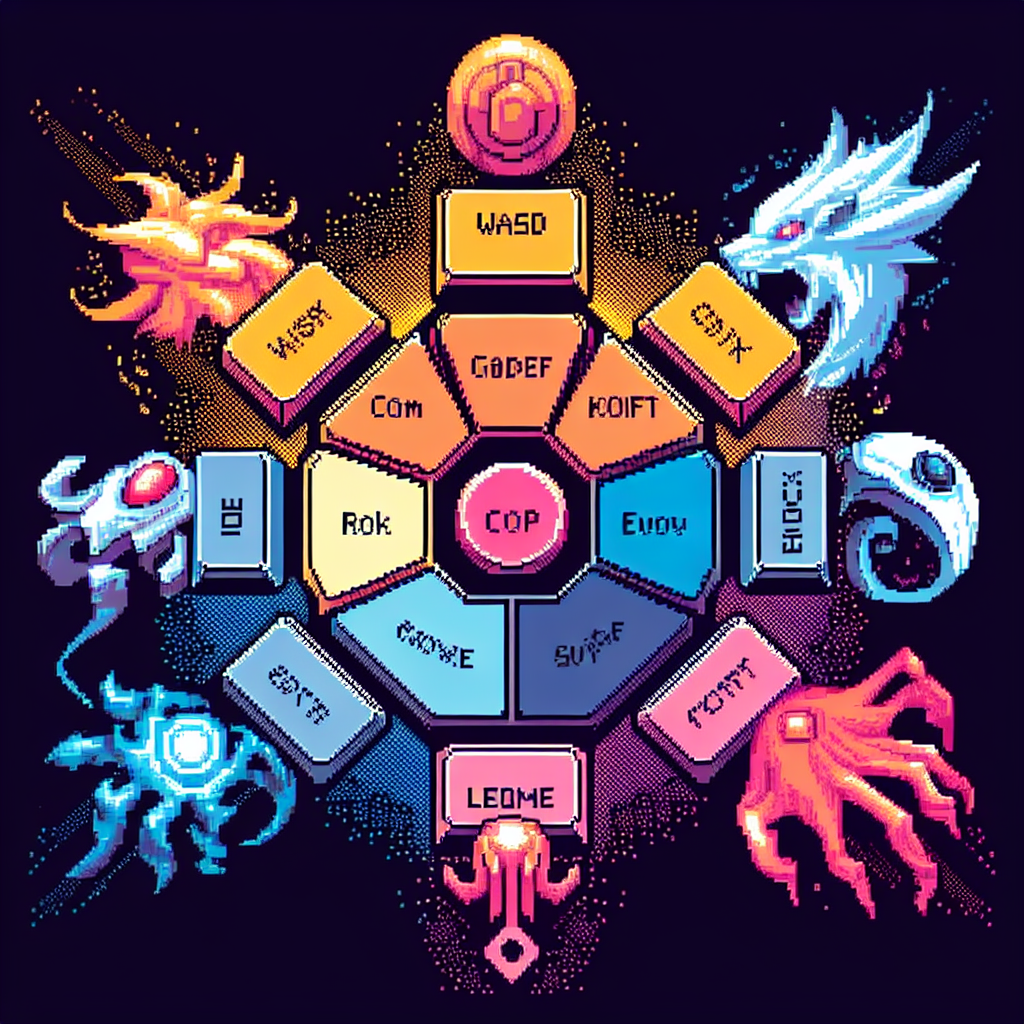
Practically, WASD rebinds movement to the familiar left-hand cluster, allowing more analog-feeling strafing and camera momentum in some configurations. Riot’s team tuned interactions, collision, and ability input to prevent simple “WASD wins” scenarios while keeping the scheme responsive.

Transitioning to ranked means:

  • Players who learned on controller-like schemes or other PC titles now have a comfortable option in competitive queues. (support-leagueoflegends.riotgames.com)
  • Ladder integrity concerns were front and center in Riot’s testing; the ranked flip shows they believe any edge has been sufficiently mitigated. (engadget.com)
  • Pro play adoption will be cautious and visible — teams will test in scrims and minor tournaments before we see it on the biggest stages, if at all. (engadget.com)

Community reaction — split, noisy, but constructive

Unsurprisingly, the community has been loud. Some players celebrate increased accessibility and fresh mechanical possibilities; others worry about balance and the learning curve of mixing control schemes in solo queue.

  • Supporters argue WASD lowers the barrier for new entrants and speeds up gameplay flow for those used to action-leaning titles. (leagueoflegends.com)
  • Skeptics fear subtle advantages (or disadvantages) could tilt micro-interactions in unpredictable ways, especially in tightly contested ranked matches. Reddit and forum threads have tracked both bug reports and clutch plays that showcase pros and cons. (reddit.com)

Yet Riot’s feedback-driven rollout reduced the risk of a single disruptive patch. By inviting community testing first, the studio collected real match data and iterated. That’s not perfect — players still find issues — but it’s a far cry from sweeping changes dropped without player input. (leagueoflegends.com)

The competitive calculus: will pros switch?

Change in pro esports is conservative by necessity. Teams prioritize consistency and reproducibility in micro execution. That means:

  • Some pros may experiment with WASD for champions where movement nuance is critical (e.g., marksmen and melee duelists).
  • Others will stick to mouse movement until WASD shows repeatable advantage in scrims or offers clearer mechanical benefits for specific role/champion matchups. (crunchsports.com)

If WASD demonstrably improves certain mechanics (e.g., smoother kiting, tighter animation cancels), professional coaches will analyze and adapt. If it introduces noise, pros will avoid it. Either way, ranked activation lets high-level players actually test it under ladder pressure — and that empirical evidence is what will ultimately tip the balance.

Balance and design signals from Riot

Riot’s careful sequencing sends several messages about how they view long-term design:

  • Accessibility and onboarding matter. WASD is explicitly tied to making League easier to pick up without sacrificing depth. (leagueoflegends.com)
  • The studio values iteration and community feedback over blunt enforcement. Bringing WASD to ranked only after extensive testing highlights that process.
  • Riot recognizes multiple control paradigms can coexist; the goal is to avoid forcing a meta based purely on input method. (leagueoflegends.com)

These aren’t just PR lines. The staged rollout and public FAQs show a product team deliberately trying to expand entry points while protecting competitive integrity. That’s a tricky balance to strike, but the approach so far looks responsible. (support-leagueoflegends.riotgames.com)

My take

This ranked release is less about overturning the fundamentals of League and more about acknowledging how players’ expectations have shifted across gaming ecosystems. League can hold multiple control cultures without losing its identity — provided Riot continues to listen, measure, and adjust.

Change always causes friction. But measured, transparent rollouts like this one mitigate the worst of it. Expect experimentation, a noisy few months of hotfixes and discussion, and eventually a new normal where “how you move” is a personal choice rather than a gatekeeper.

Final thoughts

WASD in ranked is a milestone: it’s accessibility meeting competitive rigor. For newcomers, it’s an invitation. For veterans, it’s a nudge to reassess assumptions. For the scene, it’s an opportunity — and a test — to prove that League’s depth can evolve without losing its soul. Time, scrims, and ladder data will tell the rest.

Sources


Related update: We recently published an article that expands on this topic: read the latest post.

WoW World First Chaos After Secret Phase | Analysis by Brian Moineau

Screams of joy were quickly replaced by panic: the hidden twist that shook the WoW Race to World First

Imagine the room — or the stream — exploding. After days of ragged pulls, perfect cooldown timing, and sleep-deprived dinners, a top guild finally watches the final boss' health tick to zero. The chat floods with cheers. Then, the boss stands back up. The elation curdles into disbelief. That exact moment is at the heart of "WoW Race To World First Thrown Into Chaos After Secret Boss Phase Reveal - GameSpot", and it sent ripples through the Race to World First for Blizzard’s Midnight expansion.

This secret phase — a Mythic-only final act hidden from public eyes until the moment a guild triggers it — rewrote expectations overnight. What looked like a finished fight suddenly became an encore of catastrophic proportions. For viewers, competitors, and developers, the spectacle was both brilliant and brutal.

Why the secret phase mattered

  • It changed the narrative of the race in real time.
  • It exposed the gap between datamined files and actual in-game triggers.
  • It reminded viewers why Race to World First remains must-see for many gamers.

Top guilds train for predictable patterns. They parse logs, refine rotations, and model DPS windows down to the last second. A surprise phase interrupts that careful choreography. In this case, as multiple outlets reported, a guild believed they’d just secured the World First only to find the boss resurrected with a hidden fourth phase — Mythic-only and designed to be a jaw-dropper. Viewers watched as controlled triumph turned into renewed panic: strategies had to be rewritten on the fly, and the leaderboard swings became dramatic theater.

Transitioning from joy to chaos wasn't just dramatic — it exposed how Blizzard designed a safety valve of mystery into Midnight's finale. Dataminers had hinted at unused abilities, but seeing a resurrected boss live convinced everyone that the devs intended one more coin to flip the race’s outcome.

The race unfolded live

Across streams and social platforms, the footage spread fast. Clips showed players mouth the words “secret phase” in disbelief as the boss healed and returned. Reactions ranged from laughter to groans to heated debate. Some praised the surprise as a brilliant moment of showmanship; others called it unfair, arguing that a race built on clarity and precise execution becomes muddled when hidden mechanics exist.

Yet other outlets and community hubs noted a more nuanced view: secret phases aren’t without precedent. Over WoW’s twenty-year history, Mythic-only twists have popped up before, sometimes gated behind triggers or story beats. What's new here was the timing and its effect on an active Race to World First — a contest where hours matter and momentum can decide winners.

What players and guilds did next

  • Reassess triggers: guilds hunted for the exact conditions that unlock the secret phase.
  • Rework logs: analysts pored over raid logs to identify consistency factors that led a group to the hidden encounter.
  • Adjust pacing: teams reallocated cooldowns and damage windows to survive and close the new phase.

Guilds that were ahead found themselves with one more mountain to climb; those trailing got a second chance. Streaming personalities dissected the clip, while dataminers and top raiders traded notes: Was the secret phase deterministic or flaky? Could it be intentionally inconsistent to preserve drama? The answers took hours and days to emerge as more groups reached the same point and logged the encounters.

A moment that delighted and frustrated viewers

For the audience, this was compelling television. The unpredictability captured why so many tune into Race to World First events: the possibility of witnessing something truly unexpected. Still, the hidden phase also drew criticism because it blurred the line between a fair competitive event — where all teams should know the full rule set — and spectacle.

This balance between competitive fairness and developer-driven drama is tricky. On one hand, designers want memorable reveal moments. On the other, top-level competition thrives on transparency so teams can prepare without last-minute surprises deciding outcomes. The Midnight finale landed squarely in that tension.

What this means for WoW's Race to World First

  • The secret phase raises the stakes for dataminers and early testers, making their discoveries more influential.
  • It underscores the emotional roller coaster of live competitive MMORPG content.
  • It will likely prompt developers and race organizers to clarify what is considered part of the competitive encounter.

In short: the secret phase didn’t just affect one pull. It affected procedures, expectations, and how the community frames future races. Expect guilds to treat any unexplained file reference or cinematic hint as a potential game-changer. Similarly, organizers might revisit rules about hidden content to preserve the integrity of competitive timing.

L’ura, Midnight, and the anatomy of a modern WoW drama

The boss in question — a Mythic final for Midnight’s raid — combines complex mechanics with a non-linear encounter design. That made the secret phase especially cruel: teams had already expended huge resources to reach the final moments. A resurrected boss with new mechanics meant newly required coordination at the worst possible time.

Yet, beyond the anger and the memes, there’s an artistic streak to the choice. Blizzard engineered a theatrical reset that generated the exact emotional arc designers might want players to feel: victory, disbelief, and the fresh terror of an unseen challenge. The game reminded everyone that it can still surprise even the most veteran players.

Lessons learned and what to watch next

  • Pay attention to datamining — but treat it as a tip, not gospel.
  • Watch how Blizzard and race organizers respond in statements or rule updates.
  • Expect future raid reveals to be scrutinized far more intensely.

Crucially, the community’s reaction will matter. If players embrace the surprise as part of Midnight’s charm, Blizzard may lean into similar reveals in future expansions. If the pushback grows — especially from the competitive scene — devs might adjust or communicate better before Mythic opens.

My take

I love that videogames can still produce live, unscripted drama. The moment the boss rose again was raw, electric, and unforgettable. That said, fairness matters in competition. Hidden Mythic-only mechanics should come with a clear policy for races where hours and reputations are at stake. Designers can have their theatrical beats, but when millions watch and teams plan around consistency, transparency preserves competition without killing the spectacle.

Ultimately, the Midnight secret phase will live on in clips and banter. It reminded the community why Race to World First matters: not just for the leaderboard, but for those heart-stopping seconds where the unexpected makes us gasp.

Final thoughts

The L’ura secret phase was a vivid reminder that live multiplayer games are still capable of surprising both creators and players. It was a controversial twist, yes — but also a story that made the Race to World First feel alive, unpredictable, and very human. For better or worse, moments like this keep us watching.

Sources

Sims 4 March Patch: Marketplace | Analysis by Brian Moineau

The Sims 4 Patch Features for March 17th — Marketplace, fixes, and the messy fallout

The latest Sims 4 Patch Features for March 17th landed like a surprise house party that someone forgot to RSVP to: exciting headline news (hello, Marketplace), a stack of welcome bug fixes, and — for many players — an unexpected mess that broke mods and custom content. If you fired up The Sims 4 on March 17, 2026 expecting to browse the new in-game Marketplace, you probably found yourself juggling feelings: curiosity, irritation, and for some, the heartbreak of missing CC.

Here’s what happened, why it matters, and how the community is reacting — plus a few practical notes for Simmers who want to stay calm while the patch train gets back on the rails.

Why this patch mattered

This update introduced the long-announced in-game Marketplace and the Maker Program, which lets creators sell “Maker Packs” for real money currency (Moola). It also bundled more than 60 bug fixes and gameplay adjustments intended to improve stability and balance across many systems.

That combination makes the March 17th patch a big one: new monetization and creator tools on top of regular maintenance. It’s exactly the kind of update that changes how players access content and how creators share it — so stakes are high. Sources at EA and major outlets confirmed the Marketplace rollout for PC and Mac on March 17, with consoles to follow later. (help.ea.com)

Marketplace and Maker Program — what changed

  • The Marketplace is an in-game storefront where players can browse and buy official Kits, Maker Packs, and other items using Moola (a paid currency).
  • Kits that were previously purchasable through other channels were consolidated into the Marketplace, making some content exclusively available there after launch.
  • The Maker Program allows creators to publish and sell curated packs, with the promise of revenue share and support from the Sims team.

The intent is clear: bring more curated creator work into the official ecosystem, extend discoverability to console players, and create a monetization path for talented creators who want to sell polished packs. That shift could benefit creators who want an official storefront — but it also reorients a community that has relied on free and third-party distribution for years. (pcgamer.com)

The rollout: fixes shipped, and an unintended crash for mods

On paper, the patch delivered dozens of quality-of-life fixes and gameplay balances — the usual housekeeping that keeps a complex life simulator running smoothly. But in practice, many players reported a severe side effect: their custom content (CC) and mods were either invisible or stopped working after the update.

Community threads exploded with reports that package files and scripts weren’t loading properly, with users advising others to avoid updating until creators patched their mods. Some creators and community members hypothesized that changes to how package files are scanned or how Marketplace files integrate could be responsible. By March 18, EA and community managers were actively engaged in troubleshooting discussions and a quick-fix path was being explored. (reddit.com)

What the community is saying

  • Many mod and CC users felt blindsided: after years of relying on custom content, the immediate incompatibility looked like a blunt instrument against the modding scene.
  • Some players welcomed the Marketplace as a way to bring curated content to consoles, where installing CC has been historically difficult.
  • A substantial portion of the community expressed skepticism or anger: consolidating Kits and enabling paid CC felt like monetizing what many consider the soul of The Sims.

The discourse is polarized. Enthusiasts who run strictly vanilla games see potential for polished creator-made content, while longtime modders worry that official monetization and file-format changes could marginalize the free-creative foundations of the community. (gamesradar.com)

Practical advice for Simmers right now

  • If you rely on mods/CC, don’t auto-update or launch the game until you’ve read developer updates and creator guidance.
  • Back up your Mods/CC folder and important save files to an external drive before installing any game updates.
  • Follow official channels (EA/Maxis posts) and trusted creator hubs for compatibility patches and recommended fixes.
  • If your CC vanished after the patch, community troubleshooting threads point to temporary workarounds (clearing caches, toggling certain DirectX settings, or temporarily removing mods), but results vary — wait for verified fixes from creators or EA when possible. (reddit.com)

Marketplace vs modding culture — the deeper tension

This update brings a larger cultural question into sharper focus: can an official monetized marketplace coexist with a community built on free sharing, experimentation, and permissionless creativity?

  • Pros: Marketplace can provide a revenue stream for creators, increase discoverability, and make curated content more accessible on consoles.
  • Cons: It risks fragmenting the ecosystem, changing how creators prioritize their work, and — as the March 17 patch showed — introducing technical risks that affect the entire modding base.

The Sims community has always been resilient. Modders adapt, patchers collaborate, and players find workarounds. But trust matters: any transition to paid content needs transparent communication, careful technical migration, and solid safeguards for existing creators and players.

My take

The March 17th patch is ambitious and represents a real attempt to expand the ecosystem for creators and consoles. That said, the way it landed exposed a classic tension: big new features can’t be divorced from the fragile patchwork of community content that defines The Sims. The ideal path forward is incremental, transparent, and community-friendly — with rollback options and clear technical guidance for creators.

For now, be cautious with updates, back up everything, and keep an eye on creator channels and official announcements for fixes. The Marketplace could be a useful addition — but it shouldn’t come at the cost of sidelining the community that made The Sims what it is.

Where to read more

  • The official EA/Maxis update pages and the Sims’ Steam news feed for patch notes and developer statements. (help.ea.com)
  • Coverage and analysis from outlets like PC Gamer and GamesRadar for context on the Marketplace and community reaction. (pcgamer.com)
  • Community threads and troubleshooting on Reddit and creator hubs for real-time reports and creator responses. (reddit.com)

Sources


Related update: We recently published an article that expands on this topic: read the latest post.

Destiny 2 Renegades trailer leaks early | Analysis by Brian Moineau

A leaked trailer, a livestream, and a whole lot of Star Wars vibes: Destiny 2’s Renegades gets an early reveal

The internet loves a good whoops — especially when it involves a high-profile game and a shiny trailer. Hours before Bungie planned to show the next big slice of Destiny 2, a Renegades launch trailer slipped into the wild as a YouTube ad. Suddenly Guardians everywhere got an unplanned first look at story cinematics, new characters, and ship designs that look like they borrowed a few pages from a galaxy far, far away.

This little leak matters more than a clickbait misstep. It gives us a peek not only at Bungie’s marketing timing but at the tone and direction of an expansion that is explicitly inspired by Star Wars. Here’s what stood out, why the leak stings and excites at once, and what it might mean for players and Bungie heading into Renegades’ December launch.

What this leak shows

  • The trailer surfaced as a YouTube advertisement, visible before Bungie’s scheduled developer livestream revealed the expansion properly.
  • Footage includes story cinematics, a new cast of characters tied to the Lawless Frontier setting, and ship/vehicle designs that lean heavily into Star Wars aesthetics — from lightsaber-like melee weapons to blaster-style guns and walker-like machines.
  • The spotlight in the clips is on a criminal-underworld angle: missions such as smuggling, bounty-hunting, and sabotage across frontier planets, plus a social hub called Tharsis Outpost. These elements were also highlighted in Bungie’s official Renegades materials, suggesting the leak matched what Bungie intended to reveal. (thegamepost.com)

Why the timing matters

  • Trailers are choreographed moments: reveals, livestreams, and publisher messaging are coordinated to build hype, control narrative, and protect surprises. A leak short-circuits that plan, forcing reaction tweets, rapid clarifications, and potentially spoiling big reveals for viewers who wanted the livestream experience.
  • For Bungie, which has had to rebuild trust after rocky updates earlier in the year, losing control of a primary reveal is awkward — but the footage itself serves the game’s marketing well if fans respond positively. Early footage often spreads fast and can either amplify interest or intensify scrutiny. (gamesradar.com)

The content itself: what Renegades looks like

  • Star Wars-inspired motifs are everywhere: blaster-style exotics, lightsaber-adjacent melee tools (the game describes new “Blaster” weapons and the Praxic Blade-like items), and frontier maps that echo Tatooine, Hoth, and Dagobah vibes. Bungie is leaning into the mash-up intentionally — Renegades is billed as “Star Wars–inspired” and themed with syndicate underworld gameplay. (press.bungie.com)
  • New gameplay hooks: a Lawless Frontier mode with high-risk contracts (smuggling, bounty hunting, sabotage), opt-in PvPvE Invasion mechanics, and a Notoriety system for reputation and loot — all pointing toward Guilty-pleasure, cinematic missions rather than a simple seasonal add-on. (press.bungie.com)

How the community might react

  • Nostalgia and skepticism in equal measure: players who enjoyed Destiny’s cinematic, loot-driven spin will likely be intrigued by the cinematic trailer and Star Wars nods. Others, still critical of certain monetization and balance choices from prior updates, will watch carefully for how much of the new content is gated or monetized. Early leaks accelerate that conversation and can make the first impressions last.
  • A leak can also fuel hype in a useful way. If the trailer wins hearts, Bungie still gets a viral marketing boost (albeit on someone else’s schedule). If fans react negatively, the company must respond fast during the scheduled livestream to reframe or clarify. Recent reporting shows Bungie has been juggling communication and roadmap expectations — Renegades launches at a sensitive moment. (gamesradar.com)

What Bungie’s official rollout still brings

  • Bungie’s livestreams and ViDocs usually add context: release cadence, new systems, balance notes, and exact launch dates. The planned developer livestream — which Bungie scheduled to debut the official Renegades launch trailer — remains the definitive source for details like pre-order bonuses, exact mechanics, and release timing (Renegades is slated to launch December 2, 2025). The livestream also typically lists platform support and edition differences. (bungie.net)

The marketing lesson inside a leak

  • Control what you can, respond fast to what you can’t. Leaks are part of modern entertainment marketing; the damage is often proportional to how well a publisher reacts. A prompt, transparent livestream with additional details and developer commentary can turn a leak into an amplified reveal rather than a smear.
  • For players, a leak is a preview — but not the full story. Cinematics tease tone and design; developer streams and patch notes reveal mechanical truth.

My take

Seeing Renegades’ trailer early is a bittersweet treat. On one hand, the visuals and the Lawless Frontier setup look bold and cinematic, and the Star Wars-inspired touches are likely to pull in both Destiny and sci-fi fans. On the other hand, the moment underscores how tightly labeled expectations and communication matter right now for Bungie: they’ve got to answer lingering player concerns about monetization and long-term direction while delivering a fun, coherent expansion.

If Renegades nails gameplay loops (the contracts, Notoriety rewards, and the new Blaster archetype) and keeps progression and monetization fair, this early trailer could become a memorable hype moment. If not, the leak just gave fans a head start on criticism.

Final thoughts

Leaks will come. What matters is the product behind the footage and how Bungie uses its next livestream to connect the dots. Expect the official reveal to add context, specifics, and answers — and check patch notes when Renegades lands on December 2, 2025, to see how the promise lines up with play.

Sources


Related update: We recently published an article that expands on this topic: read the latest post.


Related update: We recently published an article that expands on this topic: read the latest post.


Related update: We recently published an article that expands on this topic: read the latest post.